On 22 May 2010 – The worst air crash involving a Boeing 737 killed 158
Air India Express Flight 812 overshot the runway on landing at Mangalore International Airport. It fell over a cliff and burst into flames. The 737 is the world's most widely flown aircraft.
On 9 June 1815: The Congress of Vienna officially concluded. Diplomats from across Europe redrew the continent's map following the defeat of Napoleon, establishing new borders that maintained a balance of power for a century.
On 9 June 1940: The French government began evacuating Paris for Tours as German forces advanced. On this exact day, General Charles de Gaulle met for the first time with British Prime Minister Winston Churchill.
On 9 June 1942: The residents of the village of Lidice (now in the Czech Republic) were rounded up, most to be massacred the next day in reprisal for the assassination by Czech underground fighters of Reinhard Heydrich, deputy leader of the Nazi paramilitary group SS.
On 9 June 1944: During WWII, the Soviet Union launched an offensive on the Karelian Isthmus against Finland, and 99 civilians were hanged by German troops in Tulle, France, in reprisal for resistance attacks.
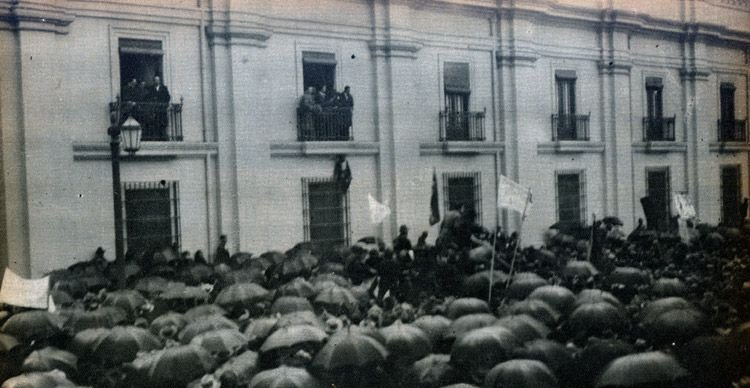
On 9 June 1932 (Chile): The U.S. Embassy in Santiago reported on the developing Socialist Republic of Chile, a short-lived republic established following a military coup that overthrew President Juan Esteban Montero.
On 9 June 1898: During the Spanish-American War, U.S. Marines landed in Guantánamo Bay, Cuba, initiating the land campaign that would eventually help secure Cuban independence.
On 9 June1597 (Brazil): Spanish Jesuit missionary and author José de Anchieta died in Reritiba, Espírito Santo. Known as the "Apostle of Brazil," he co-founded the city of São Paulo and is celebrated as the first Brazilian author.
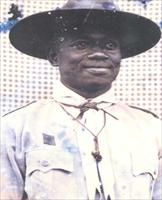
"Bread and Butter" Demonstration (Gambia): On 9 June 1959, political activist Cham Joof led a historic protest in Gambia aimed at addressing severe socioeconomic issues and demanding improved working conditions.
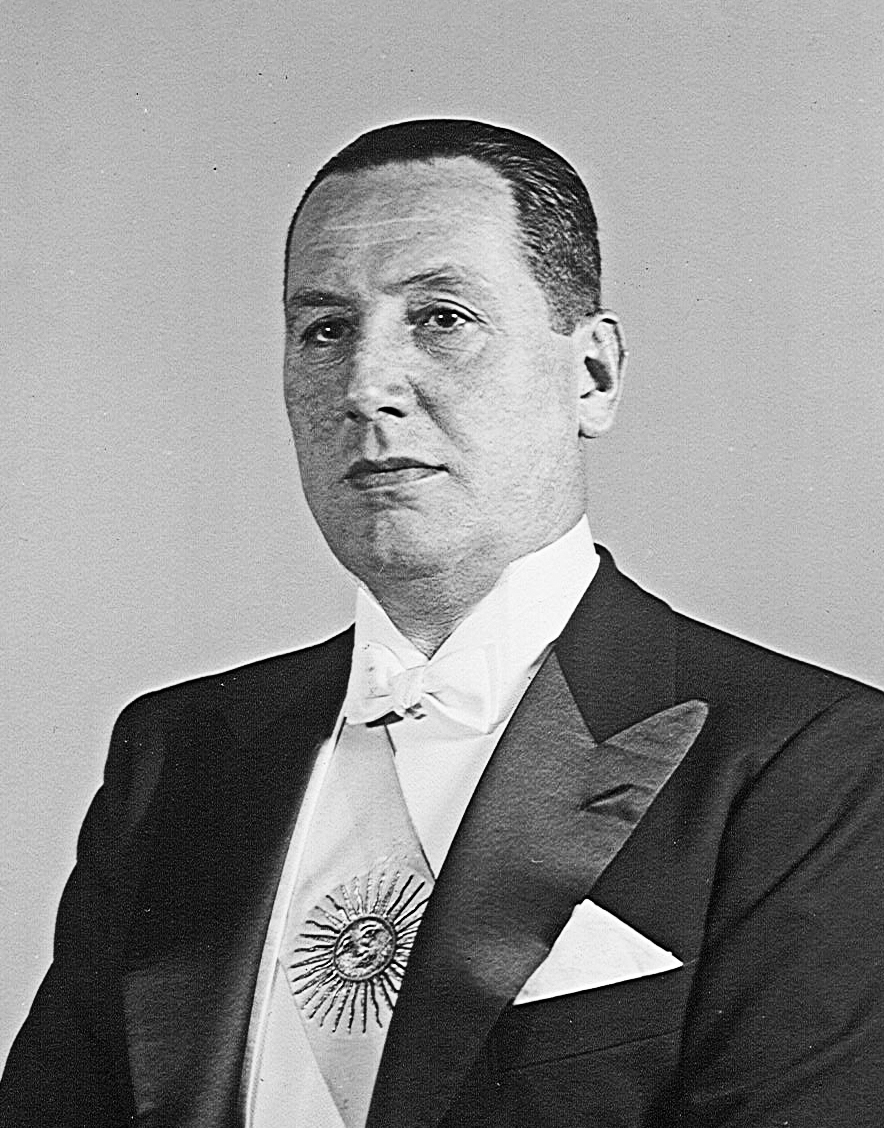
on 9 June 1956: In Argentina, General Juan José Valle led a failed Peronist uprising against the military dictatorship of Pedro Eugenio Aramburu. The crushed rebellion resulted in the execution of dozens of military personnel and civilians.
On 9 June 1950 (Aviation Tragedy): On June 9, 1950, a Douglas DC-3 missionary aircraft (operated by the New Tribes Mission) disappeared over the Caribbean Sea during a flight from Kingston, Jamaica, to Maracaibo, Venezuela, resulting in the loss of 15 lives.
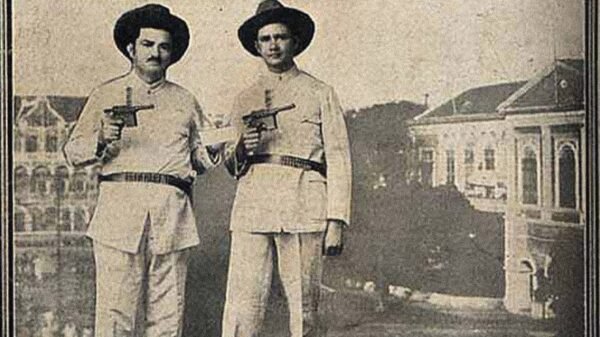
June 9, 1929 (Venezuela): Rebel leader Rafael Simón Urbina freed Dutch and Curaçaoan hostages after a brief siege on the islands, which ultimately paved the way for negotiations with the Venezuelan government.
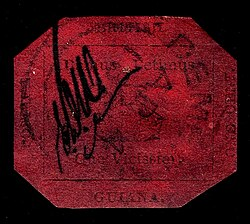
On 9 June 1873 (One-Cent Magenta): The legendary British Guiana 1c magenta, widely considered the rarest and most expensive stamp in the world, was discovered by a 12-year-old schoolboy among family papers in the June 1873 edition of The Royal Gazette in Georgetown, Guyana.
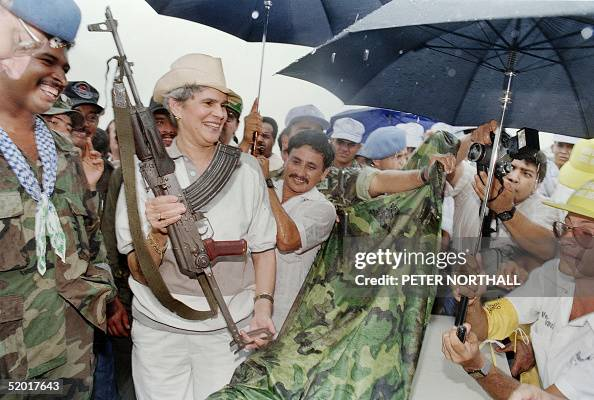
June 9, 1990 (Nicaragua): President Violeta Chamorro accepted an AK-47 assault rifle from a demobilizing Contra rebel in El Almendro. This symbolic event marked the official end of the decade-long Contra War.
June 9, 2005 (Bolivia): Following weeks of massive nationwide protests over resource nationalization, Bolivian President Carlos Mesa officially resigned from office.
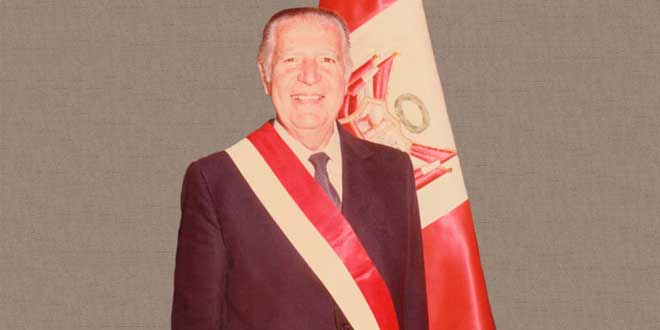
June 9, 1963 (Peru): Architect and politician Fernando Belaúnde Terry was elected President. This came after a repeat of the annulled June 1962 election.
On June 9, 1973, Secretariat won the Belmont Stakes by 31 lengths, winning horse racing’s Triple Crown and setting a still-standing record by running the 1 1/2-mile dirt course in 2 minutes, 24 seconds.
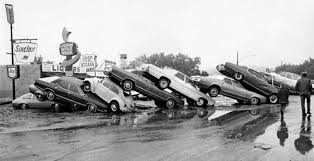
In 1972, heavy rains triggered record flooding in the Black Hills of South Dakota. The resulting disaster left at least 238 people dead and more than 1,300 homes destroyed.