The study demonstrates that some biowaste OMFs have the potential to replace peat in existing OMF formulations on the market.
I thank the co-authors, Andrea Alpigiano, Cristina Lerda, Barbara Moretti, Laura Zavattaro, and Carlo Grignani, for their valuable contributions.
A new paper from my doctoral work has just been published in #Frontiers in #SustainableFoodSystems. In it, we analyze the growth and final yield of tomato plants to evaluate biowaste organo-mineral fertilizers (OMFs) and compare them with peat-based OMFs.
https://t.co/7IAxcEUTmA
My topic was biowastes as peat replacements in organo-mineral fertilizers (OMFs). I analyzed physicochemical parameters that may limit OMF manufacturing and use, interactions between organic and mineral fractions, and biowaste OMF efficiency in short and medium-growing seasons.
Today I successfully defended my #PhD in Agricultural, Forest and Food Sciences from the University of Turin, obtaining a cum laude evaluation. My PhD was part of the #FertiCycle program funded by the European Union's #Horizon2020 research program under a #MarieCurie grant.
¿Explorando la posibilidad de realizar un doctorado en el exterior?👩🎓
Creamos un nuevo taller @BecasPy que tendrá como disertantes y mentores a becarios @fulbrightpy para compartir sus experiencias de doctorado.
Abro🧵con PhD y PhD Candidates confirmados ✅
New publication! Our new article has just been published. The article discusses how adding a small organic fraction (vermicompost) together with mineral fertilizers can affect the nutrient use efficiency.
#FertiCycle#Horizon2020
https://t.co/g5PiK3yhCq
One of my articles from my doctoral work with @CycleFerti has just been published. The paper discusses potential biowaste materials that can replace peat in organo-mineral fertilizers with high mineral nutrient content. #FertiCycle#Horizon2020 https://t.co/CY1KDFGGmM
Looks like a physical test, but has biological implications. Root and microbial exudates create strong aggregation and tiny channels for water infiltration, allowing the soil on the right to stay together and not burst under pressure. Ideal chemical environment helped biology.
Today at #ESNI2023 I presented my work about peat replacement in organo-mineral fertilizers (OMFs). I discussed the relevance of using circular alternatives in OMFs; results of my research; and challenges in implementing biowaste based OMFs.
https://t.co/5LX0Ve7V92
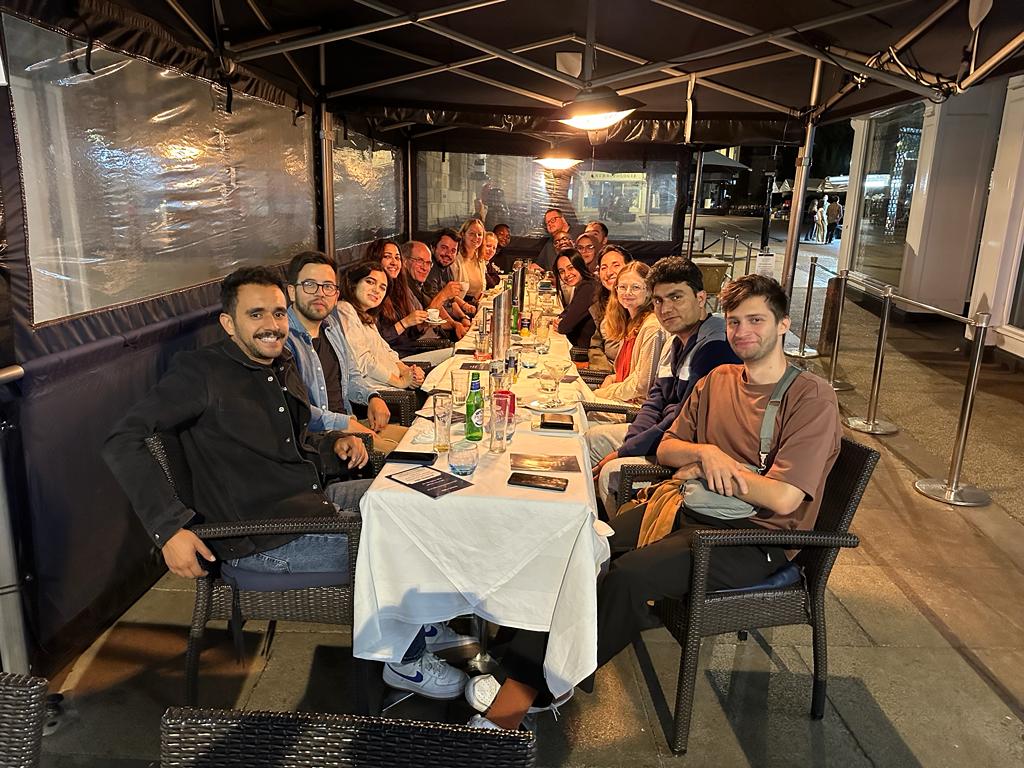
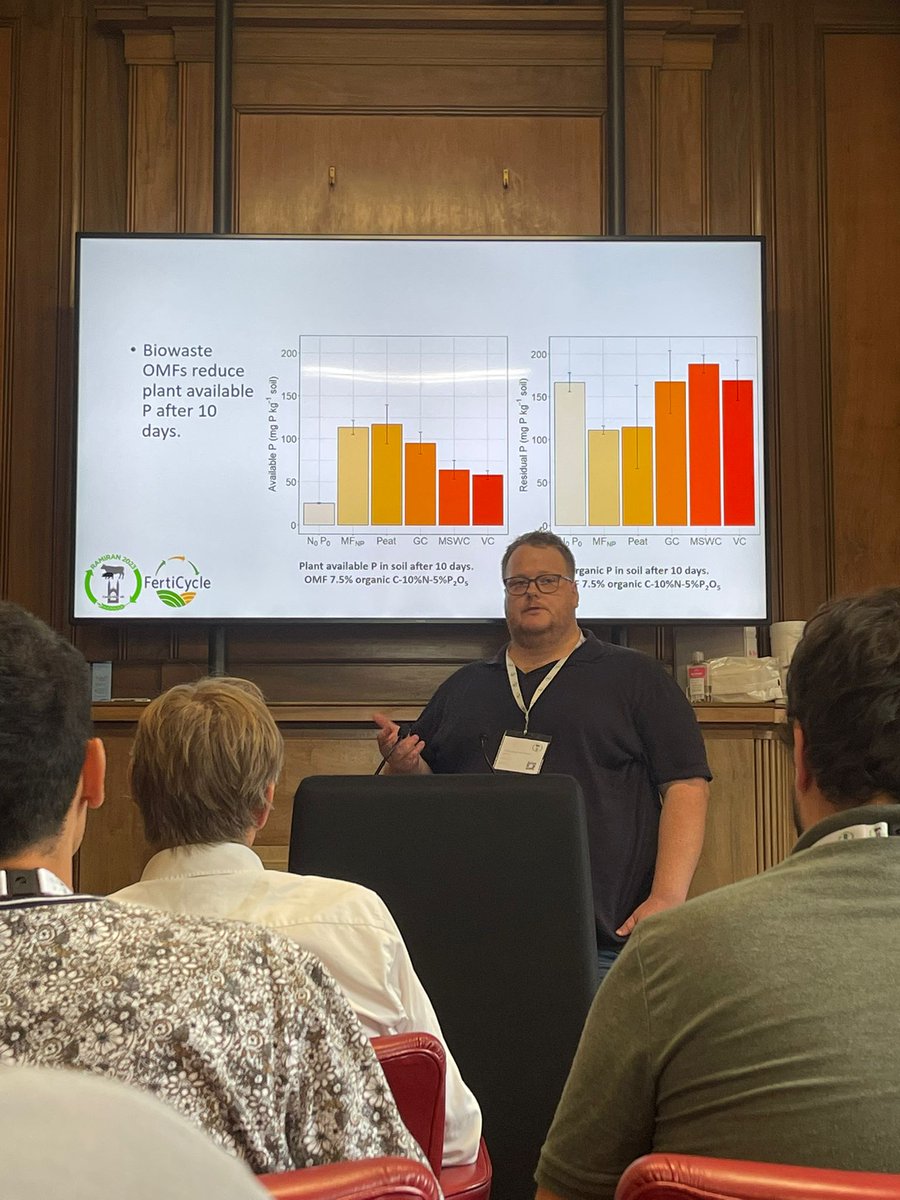
Last week at the #Ramiran2023 conference in Cambridge, I discussed the replacement of peat in organo-mineral fertilizers with composted biowaste materials and how it can affect early maize and tomato yields, as well as the phosphorus use efficiency.
We are pleased to announce the winner of the 2022 SSSA Outstanding Paper Award, "Soil health recovery after grassland reestablishment on cropland: The effects of time and topographic position" by De et al. @MrigankaDe2@rbkordick@Soil_Plant_IXNs
https://t.co/X0Zu1MP3lH
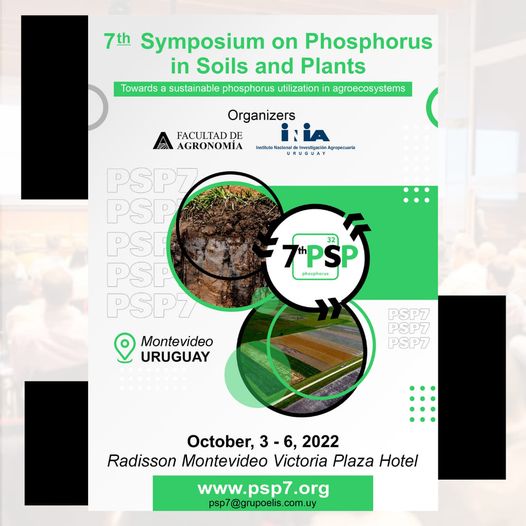
I'm in Montevideo, UY this week participating in a Symposium on Phosphorus in Soils and Plants #psp7. It's nice to be back in South America hearing about P management and legacy. L
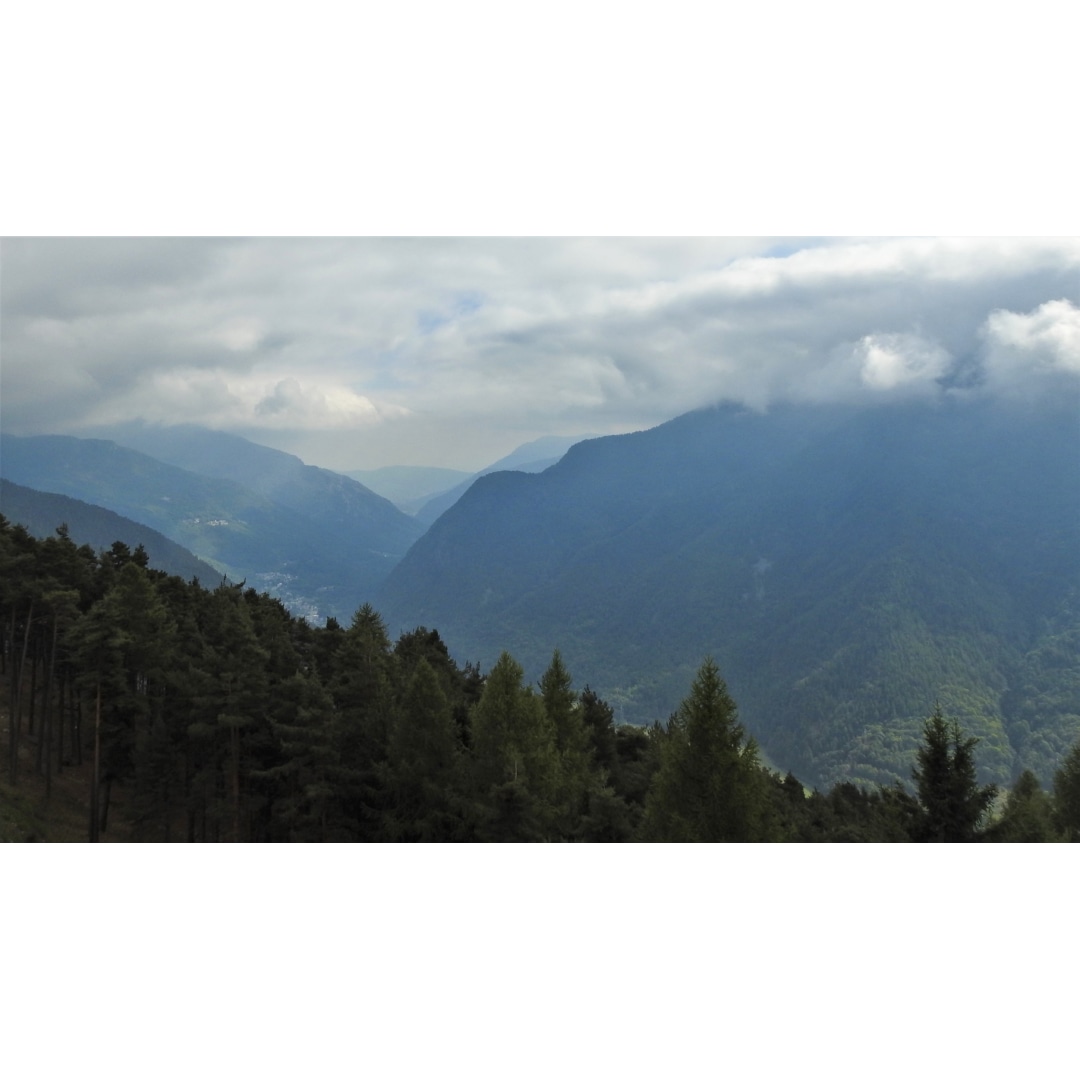
And to conclude the week I participated in the annual presentation of DISAFA doctoral students in Pracatinat (IT). I do not have photos of the presentations and posters, instead, I post some nice landscapes from those places.
The last two weeks have been pretty hectic. In one week I had the annual presentation of my FertiCycle project in Lisbon. The following week, I started with a participation in the conference of the Italian Society of Agronomy in Padua (IT).
I also thank Marshall for presenting the poster prepared by Dr. Kovar of the @USDA on the work we did during my stay in Iowa. In the poster, we presented how the rhizosphere P content in maize and soybean changes depending on soil fertility and tillage.
Today at the #WCSS22 I'm presenting part of my work on organo-mineral fertilizers. I seek to understand the interactions between plant, soil, and the fertilizer fractions.