🍝 Pricing psychology 🍝
1. Customers don't do maths :
They compare and go with their gut. How you show a price changes how expensive it feels, without touching the number.
2. Just-below still works :
€39 reads closer to €30 than to €40, because the eye stops at the first digit. It hits hardest when that digit is small: €19 vs €20 feels like a bigger gap than €79 vs €80.
3. Round or precise, pick a side :
15% off feels big. 14.6% off feels urgent, like it could disappear. 12% does neither.
4. Percent under €100, euros above :
€40 product: "25% off" beats "€10 off". €200 product: "€50 off" beats "25% off". Show whichever number looks bigger.
5. Bundles should divide cleanly :
3 for €30 = €10 each, easy to picture. 3 for €28.90 = €9.63 each. Cheaper, but harder to process, and it often converts worse.
6. Match the price to the product :
Everyday product, round price (€25). Technical product, precise price (€47.80 says "calculated", not "discounted"). Premium, never .99.
7. Give a real reference :
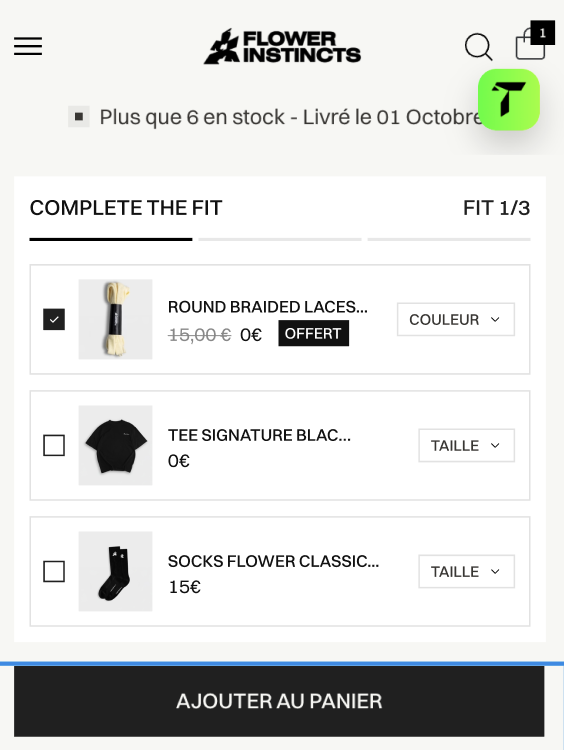
€48/year vs €96/year feels like a bigger saving than €4 vs €8/month. Same gap. And compare to a real alternative (a dermatologist visit, a named competitor), never a vague "seen elsewhere for €80".
8. Coupon beats crossed-out price :
A €10 code at checkout keeps people focused on what they save, not on the total. Studies found coupons drive bigger baskets than a price that's already reduced.
None of this is a universal rule. Each one is a test to run on your own audience, judged on revenue per visitor, not on conversion rate.
@alexisslly@Ecom_Zezinho_ C’est compliqué mais il faut essayer d’avoir une bonne routine : même horaire de couché et réveil, manger 4h avant de dormir, limite la caféine etc