Grip strength.
It sounds like a trivial measurement. The research behind it is not trivial at all.
📈 A study of nearly 140,000 people found that each 11-pound decline in grip strength was associated with a 17% increase in cardiovascular mortality, independent of every other risk factor.
Grip strength is a proxy for total muscle quality, neural drive, connective tissue integrity, and overall physical robustness.
✅ Train it deliberately. Dead hangs. Farmer carries. Heavy pulling movements. A hand gripper at your desk.
It takes five minutes. And the data suggests it is one of the most meaningful physical measurements you can track as you age. 🙏🏻
BREAKING: The S&P 500 officially posts its highest close on record, now up +18% since the March 30th low.
That's +$10.4 TRILLION in market cap in 6 weeks.
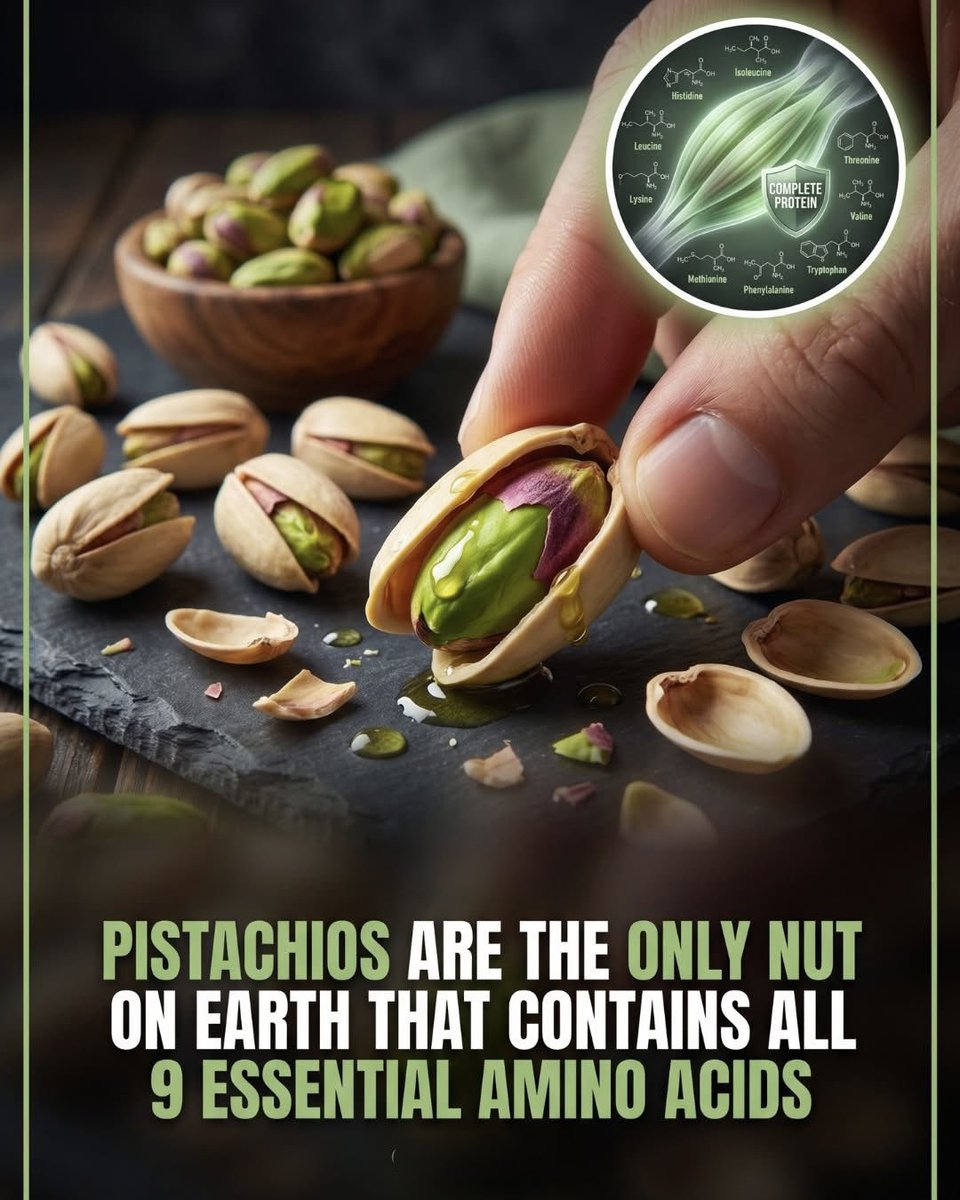
🚨 THE HIDDEN POWER OF PISTACHIOS
Scientists discovered that pistachios contain all 9 essential amino acids — something very rare for a plant-based food. These amino acids are the building blocks your body needs for muscles, energy, and repair.
For years, people thought only animal foods had “complete protein.” But pistachios quietly proved otherwise.
Next time you open a pistachio shell, remember… there may be more science inside than you ever imagined.
Source Rutherfurd-Markwick, K. J., et al. Protein quality of pistachio nuts compared with other plant-based protein foods.Nutrients.
Iodine deficiency is one of the most widespread and underappreciated nutrient deficiencies in the developed world.
Your thyroid requires iodine to produce T3 and T4. Without it, your metabolism slows, your energy crashes, your hair thins, and your brain fog deepens.
Best food sources: seaweed, wild-caught fish, shellfish, and dairy from iodine-supplemented cows.
If your thyroid has been struggling, check your iodine status before assuming the thyroid itself is the problem.
Brain fog. Insomnia. Tight jaw.
You're not “falling apart.”
Your nervous system maybe stuck in hidden anxiety.
Here are 8 body-based ways to release it and feel calm again: 🧵
1. Cold water on your face.
Stop Anxious Overthinking Now with These 5 Proven Practices
https://t.co/ECDBlxfpMc
If your mind won’t stop spinning, you’re not alone. Overthinking is a brain habit — and habits can be changed. With the right strategies, you can interrupt anxious loops and shift your mind into a calmer, clearer state.
This post shares five proven practices that help you:
• Soothe your nervous system
• Break rumination cycles
• Challenge anxious thoughts
• Re-center your attention
• Build new, healthier brain pathways
You don’t have to stay stuck in your head. These tools can help you shift out of fear and into control.
#Overthinking #Anxiety #AnxietyRelief #MentalHealth #BrainHealth #CalmMind #Wellbeing #mind #stress #rumination #thoughts #brain #Wednesdaywisdom
@Markmanson The body decides. The mind justifies. That's why most people are stuck. They're arguing with their nervous system using logic. Feel first, mind second.
Unprocessed emotional stress is stored in the body.
This is not metaphor. It is physiology.
Chronic psychological trauma and unresolved stress dysregulate the HPA axis, alter cortisol rhythms, suppress immune function, increase systemic inflammation, and have been linked to accelerated telomere shortening.
The body keeps the score. That phrase is backed by decades of psychoneuroimmunology research.
Therapy, breathwork, movement, meaningful connection, and time in nature are not soft add-ons to a health protocol.
A new study reveals that people born with genetic traits favoring physical strength experience less cognitive decline as they age. This underlying biological connection occurs independently of individual exercise habits or traditional markers of… https://t.co/gFQtWCexYd
Putting your emotions into words does more than just help you reflect—it can actually influence how your brain processes those feelings.
The amygdala, often known as the brain’s alarm system, plays a key role in detecting threats and triggering emotional responses. When feelings become intense or overwhelming, this region tends to become highly active.
However, brain imaging studies show that simply naming or writing about your emotions can reduce activity in the amygdala while increasing activity in the prefrontal cortex—the part of the brain responsible for decision-making, reasoning, and self-control. In other words, expressing emotions through writing can shift your brain from reactive mode to a more thoughtful, regulated state.
Research on expressive writing, including controlled trials, also suggests that structured emotional writing can help reduce overthinking and improve overall mental well-being. When you put experiences into words, your brain begins to organize them, turning something messy and overwhelming into something more clear and manageable.
This doesn’t mean writing eliminates stress—but it does help your brain process emotions more effectively by engaging its regulatory systems. Even short writing sessions have been linked to noticeable changes in how we handle emotions.
When was the last time you truly wrote down what you were feeling—and noticed a shift afterward?