BriaCell announced updated results from its Phase 2 study of Bria-IMT™ in combination with #checkpointinhibitor in patients with advanced #metastaticbreastcancer (#MBC). Find more information: https://t.co/YxjNOLMiHw $BCTX $BCTXW
The culture in biotech and big pharma needs a complete overhaul, from top to bottom. The good news is that the new administration is starting to drive change. Hopefully, this will transform the entire field and improve efficiency.
The first principle—reasoning from fundamental truths rather than assumptions—can transform biotech by cutting through the political noise in big pharma. Here’s how:
Focus on Core Problems: Biotech can prioritize patient outcomes over profit-driven agendas. First principles demand identifying what truly improves health—like targeting root causes of diseases (e.g., genetic mutations) rather than chasing marginal drugs for market share.
Streamline R&D: Big pharma’s bureaucracy often inflates costs and delays innovation. By questioning assumptions (e.g., “we need multi-year trials”), biotech can adopt leaner methods like AI-driven drug discovery or adaptive trial designs, slashing development time.
Challenge Regulatory Dogma: Overly cautious regulations, influenced by politics, slow progress. First principles ask: “What’s the minimum needed to ensure safety while accelerating access?” Biotech firms can push for risk-based approvals or decentralized trials.
Decentralize Power: Politics in pharma often stems from centralized control (e.g., lobbying, patents). Applying first principles, biotech can explore open-source models or blockchain for transparent data sharing, reducing monopolistic grip.
The first principle—reasoning from fundamental truths rather than assumptions—can transform biotech by cutting through the political noise in big pharma. Here’s how:
Focus on Core Problems: Biotech can prioritize patient outcomes over profit-driven agendas. First principles demand identifying what truly improves health—like targeting root causes of diseases (e.g., genetic mutations) rather than chasing marginal drugs for market share.
Streamline R&D: Big pharma’s bureaucracy often inflates costs and delays innovation. By questioning assumptions (e.g., “we need multi-year trials”), biotech can adopt leaner methods like AI-driven drug discovery or adaptive trial designs, slashing development time.
Challenge Regulatory Dogma: Overly cautious regulations, influenced by politics, slow progress. First principles ask: “What’s the minimum needed to ensure safety while accelerating access?” Biotech firms can push for risk-based approvals or decentralized trials.
Decentralize Power: Politics in pharma often stems from centralized control (e.g., lobbying, patents). Applying first principles, biotech can explore open-source models or blockchain for transparent data sharing, reducing monopolistic grip.
The first principle—reasoning from fundamental truths rather than assumptions—can transform biotech by cutting through the political noise in big pharma. Here’s how:
Focus on Core Problems: Biotech can prioritize patient outcomes over profit-driven agendas. First principles demand identifying what truly improves health—like targeting root causes of diseases (e.g., genetic mutations) rather than chasing marginal drugs for market share.
Streamline R&D: Big pharma’s bureaucracy often inflates costs and delays innovation. By questioning assumptions (e.g., “we need multi-year trials”), biotech can adopt leaner methods like AI-driven drug discovery or adaptive trial designs, slashing development time.
Challenge Regulatory Dogma: Overly cautious regulations, influenced by politics, slow progress. First principles ask: “What’s the minimum needed to ensure safety while accelerating access?” Biotech firms can push for risk-based approvals or decentralized trials.
Decentralize Power: Politics in pharma often stems from centralized control (e.g., lobbying, patents). Applying first principles, biotech can explore open-source models or blockchain for transparent data sharing, reducing monopolistic grip.
NPC1 is an intracellular protein. It is challenging to cure this disease using gene editing, as it is impossible to correct the gene in all cells. The drug directly removes cholesterol from cells, mimicking the function of normal NPC1. Phase 3 results will be based on 48-week interim data or 96-week final data.
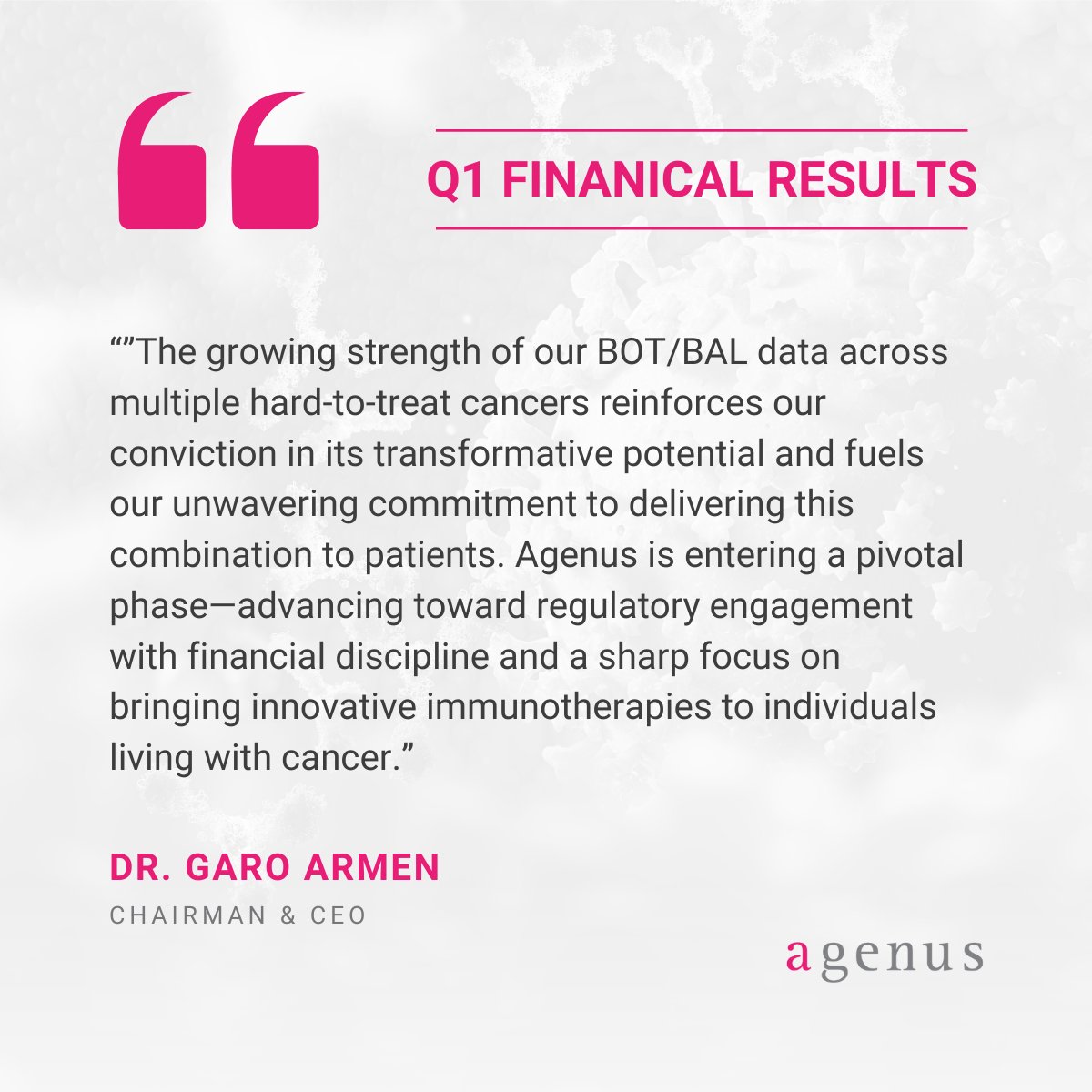
Today we shared our Q1 2025 financial results and highlighted key updates from our immuno-oncology pipeline.
We remain committed to advancing the next generation of immunotherapies for individuals living with cancer.
Access the Q1 report: https://t.co/nA5kLXLGyI.