Senior Research scientist/Cropping Group Leader, Department of Industry, Tourism and Trade, Northern Territory’s Government Public Service, Australia 🇦🇺
@abuga_makori You’re not answering our questions. Why is Sifuna not the party leader of the so called Mwananchi party and why was he not made the party leader and Ababu was made. The other annoying thing is the chest thumping by Ababu and the disrespect he’s showing to Sifuna in his actions
We have advertised to fill the position of a scientist in the Cropping Group of Plant Industries in the Northern Territory.
https://t.co/vVGNOVvX6b
https://t.co/vVGNOVvX6b
@OleItumbi@WilliamsRuto If we survived jubilee lies of laptops, stadiums, 1 million acres of irrigated maize in Kulalu Galana, we will still survive this.
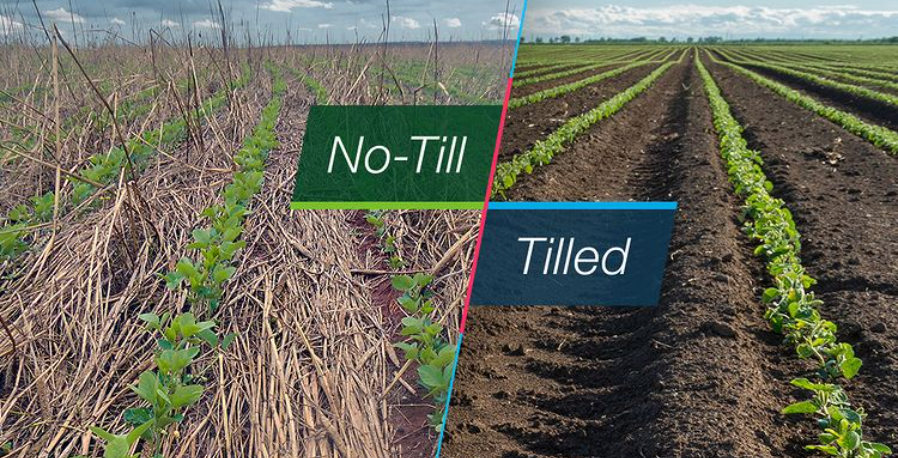
Modern farming enables farmers to leave the soil undisturbed and promote soil health.
Practices such as no-till, reduced-till, and conservation tillage allow farmers to reduce or eliminate plowing a field, churning up the soil.
When soil is broken up and turned over in the tilling process it releases carbon stored in the soil and increases the possibilities that the soil will erode via wind or rain.
Reduced tillage practices allow valuable nutrients and moisture to remain in the soil, limit soil erosion, reduce water run-off, and enable farmers to make better use of rainwater.
These practices have the potential to decrease the need for irrigation and allow farmers to protect freshwater sources.
No-till methods can also help sequester carbon in the soil.
With minimal or zero tillage, farmers help prevent greenhouse gases from building up in the atmosphere and help in the fight against climate change.
Another advantage of no-till is that farmers are able to better preserve the ecosystem for earthworms, nematodes, mites, insects, fungi, bacteria, and over 1,000 different species of invertebrates.
Every decision to leave the soil undisturbed is a commitment to healthier ecosystems.