Get the Blueprint to be the Topical Authority in Your Niche With Topic Clusters and Internal Linking. Increase Topical Authority For More Organic Traffic
You mapped your topics.
You never mapped your results.
Floyi v2.9.3 fixes that. Organic Audit connects Google Search Console directly to your topical map.
Three-phase attribution - exact match, stemmed match and Gemini semantic embeddings - maps every real GSC query to a node in your hierarchy.
What you get:
Every topic classified as Strong, Emerging, Broad Reach or Weak Signal. Not raw numbers. Your actual map, labeled by how Google is treating each node.
Unmatched queries grouped into new topic clusters. Real searches Google already associates with your site without a proper page behind them. Your next expansion list, built from confirmed intent signals.
Sparkline trends per topic across multiple imports. Publish something, come back next month, see if the node moved.
Also in this release: add competitor URLs to brief generation from the Planner, see search intent and funnel stage per topic.
👇
Floyi is live on Product Hunt right now.
If you've gotten value from my work over the years - the newsletter, the course, the methodology - I'd be grateful for your upvote.
Upvote Floyi here: https://t.co/mNfR04yDBH
Every vote helps more SEOs discover this 🙏
Client asks to see the plan. Agency sends a keyword list.
This happens constantly. The client approves month after month. Then one day someone asks: "What does done actually look like?" That's when the relationship breaks.
A keyword list tells you what to write about. It doesn't tell you why those topics, in that order, with that relationship to each other, will build authority. It doesn't explain how this quarter's work connects to next quarter's.
A topical map is the plan. The roadmap is the prioritized slice of that plan.
Most clients don't object to complexity. They object to approving work blind.
If you're afraid to show the map, the issue usually isn't strategy. It's whether you trust your own execution to hold up.
Most competitor briefs fail for one reason.
They copy headings.
They miss the choices behind the headings.
Here’s the 4-part brief I use.
Job. Claims. Proof. Constraints.
1. Job
Who is this for.
What do they need to do.
What risk are they trying to avoid.
What does success look like in 5 minutes.
Template:
Help [role] do [task].
Fast.
Without [risk].
2. Claims
List the 3 promises the page will make.
List the 5 objections the page must answer.
Pull these from the top ranking pages.
Do not copy their headers.
Do not copy their order.
Add scope.
What you will not cover.
Who it's not for.
3. Proof
Attach proof to every promise.
Screenshot, benchmark, quote, or primary source.
If proof is weak, tighten the claim.
If proof is missing, cut the claim.
List 3 to 7 sources before drafting starts.
4. Constraints
No mirrored structure.
No reused competitor examples.
No filler intro.
Keep intros to 3 lines.
Add internal links up, across and forward.
Parent page. Sibling pages. Next step page.
That’s the brief.
Writers ship without ping-pong.
Which part breaks most often for you?
Job, claims, proof, or constraints.
Black Friday at Floyi.
10% off annual plans until December 2.
One system for strategy, maps, briefs and drafts.
Promo code: FLOYIBFCM25.
More at https://t.co/uCkEU0aKTN
If you need 7 tools to ship one article, your stack owns you.
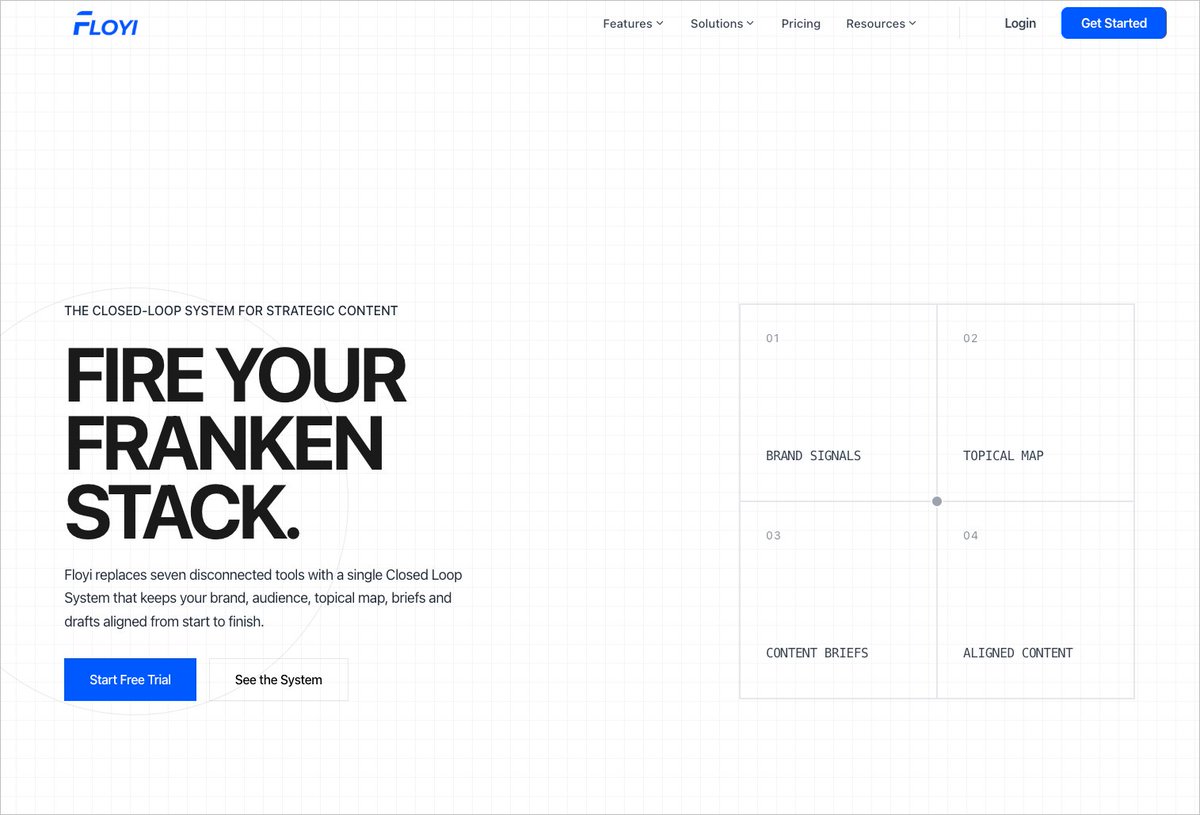
I just turned Floyi into a closed-loop workflow so you can go from map to brief to draft inside one system.
Walkthrough video and full write up are in the first comment.
Most “topical map” tools cap you at 10–50 topics/keywords/categories.
That’s not a map - it’s a restriction.
Real topical maps scale with your seed topic.
If your niche is narrow, your map stays tight.
If it spans multiple verticals, it expands naturally.
Authority shouldn’t stop where your tool does.
If your map ends where your credits do, you've already surrendered.
Topical Authority wins in SERPs and AI search.
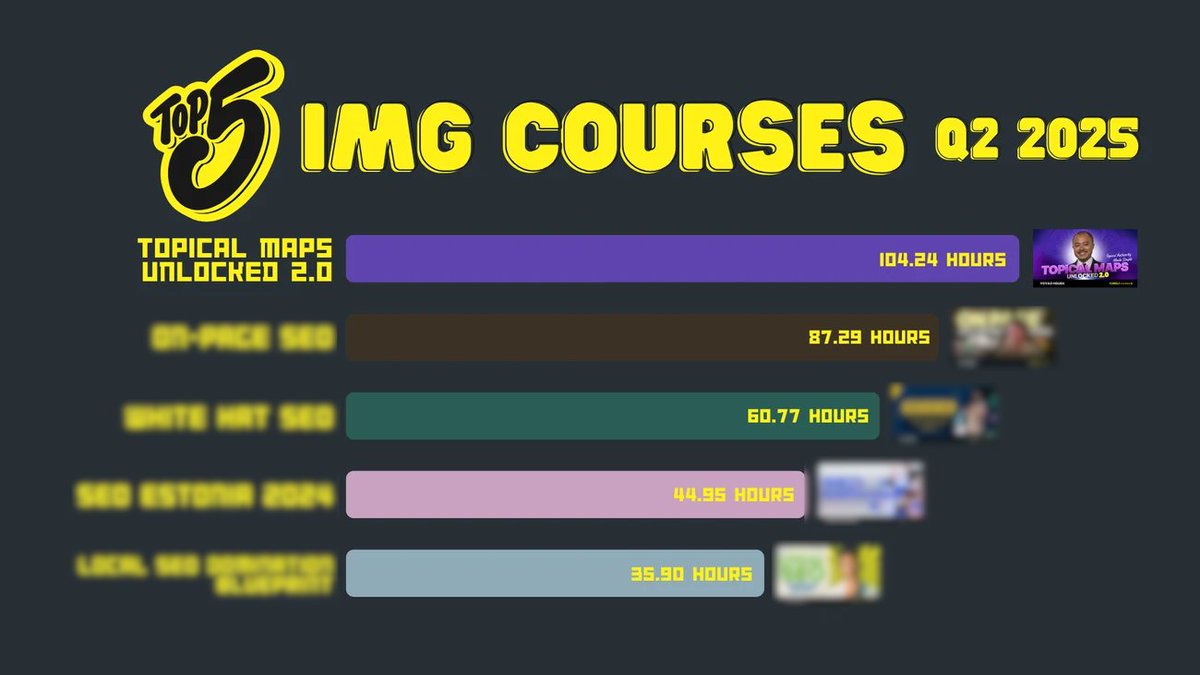
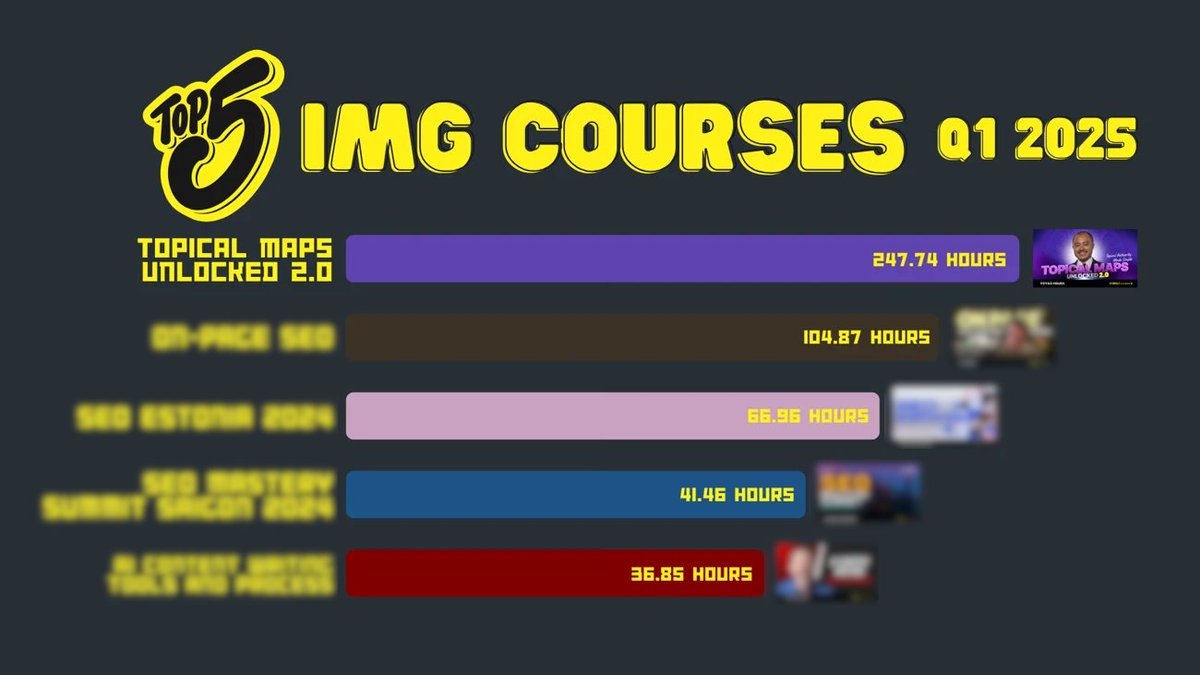
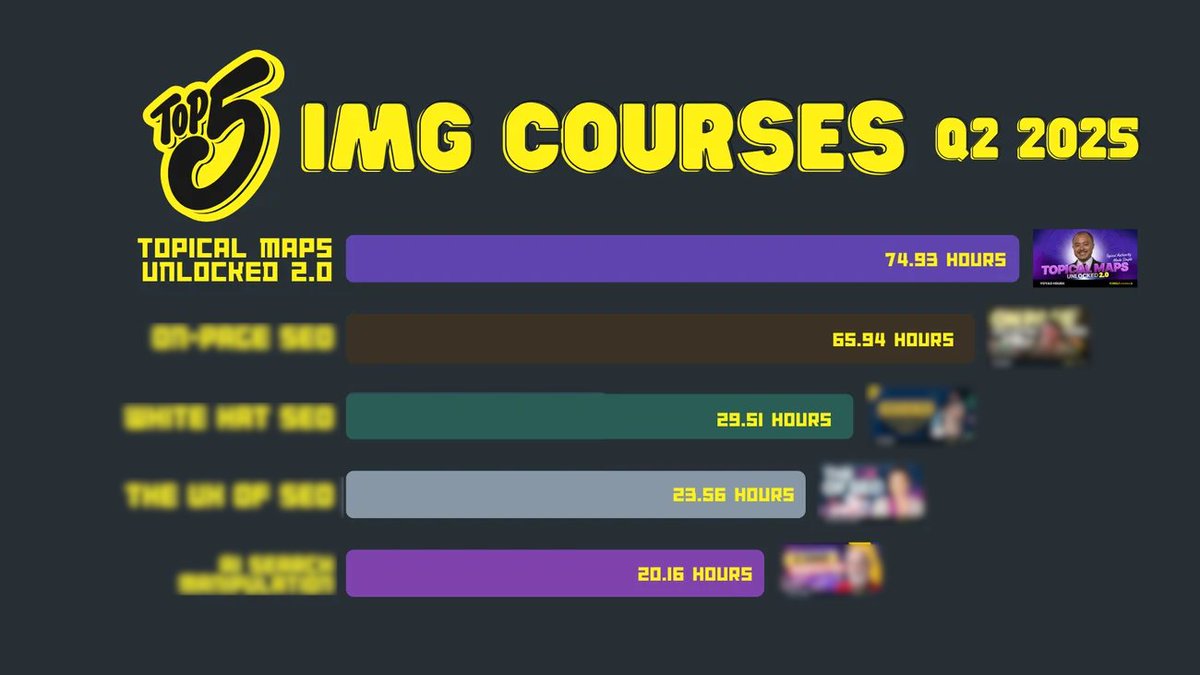
TMU is the most watched course on IMG Courses for three straight quarters in 2025.
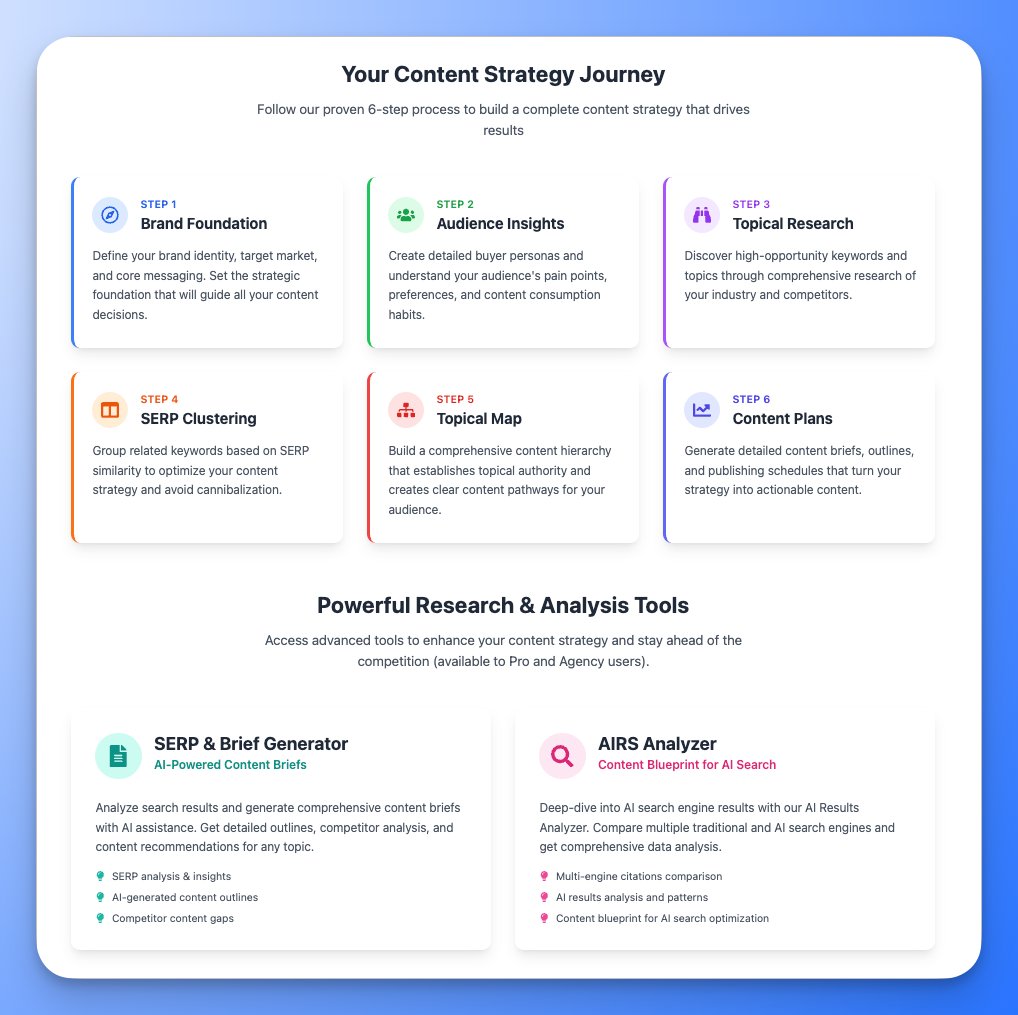
Floyi runs on the TMU workflow: Brand and Audience → Topical Map → Content Briefs.
Build brand-driven content with @gofloyi#TopicalAuthority #TopicalMaps #SEO #GEO #AEO
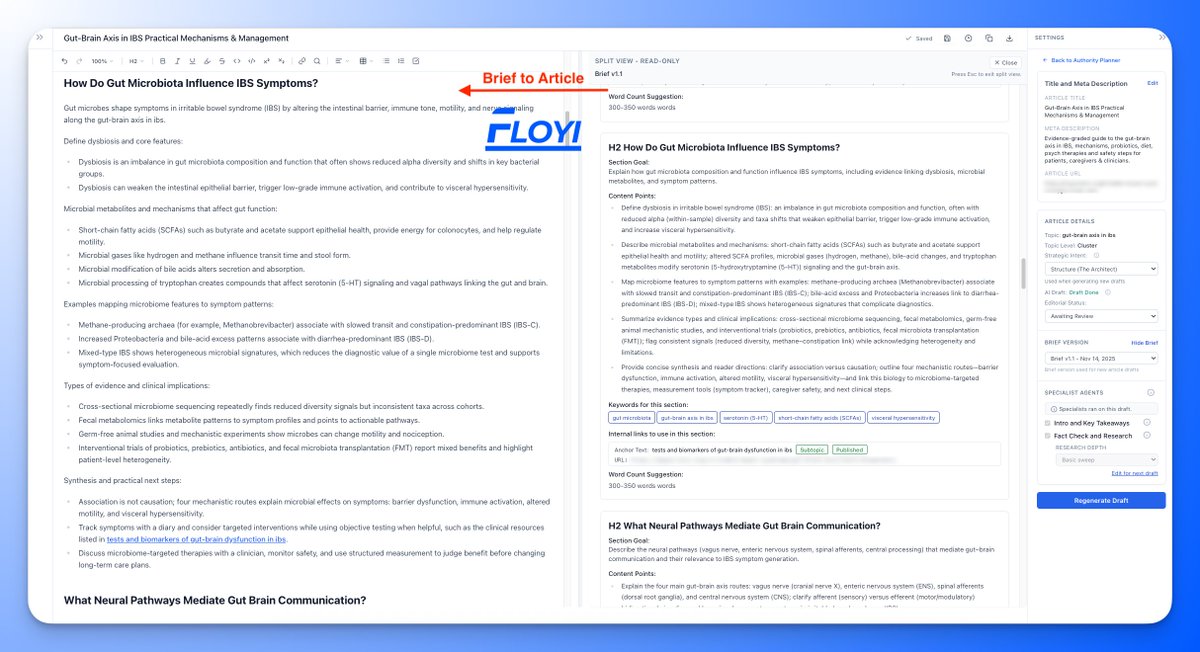
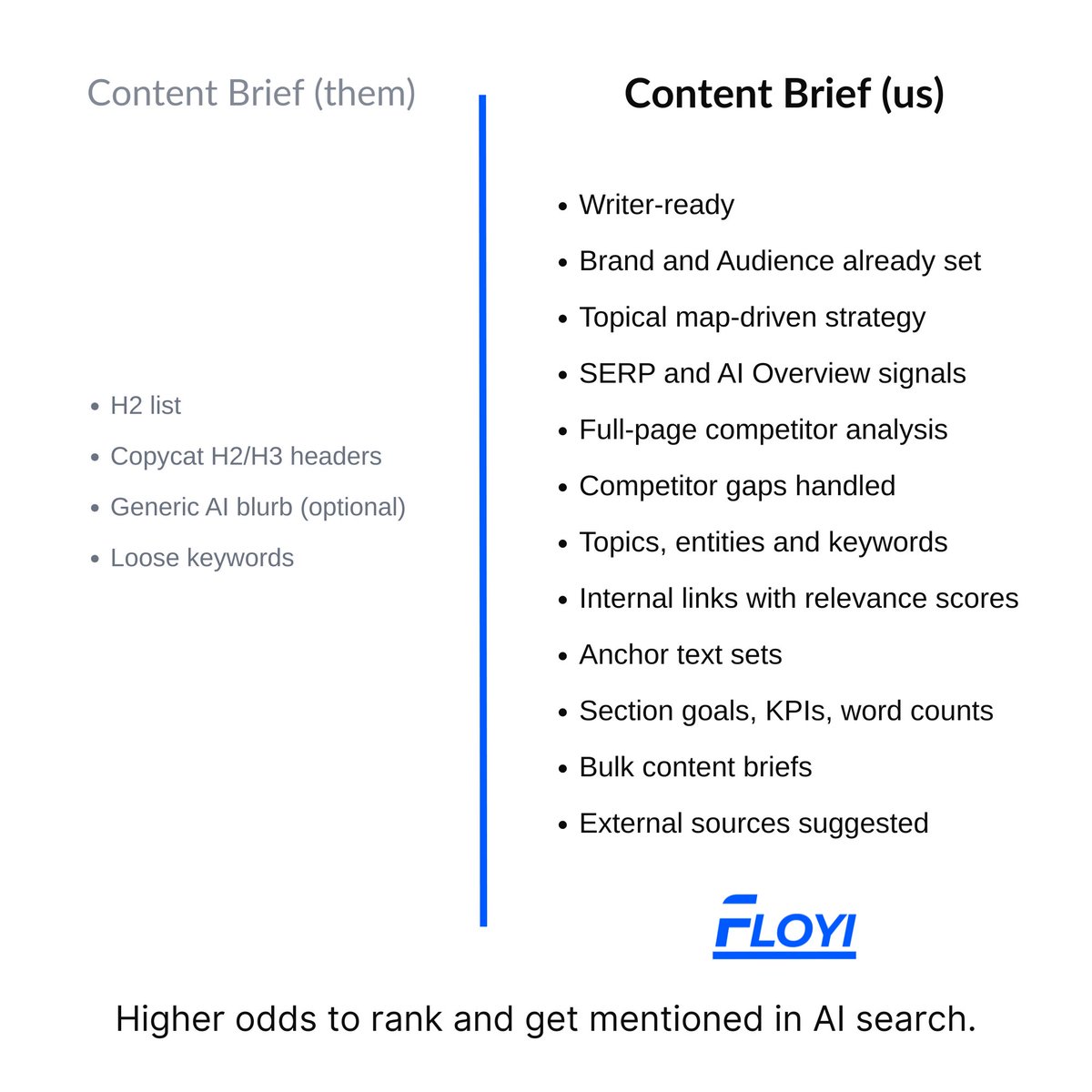
Stop pretending H2 outlines are content briefs.
Start shipping briefs that win.
I just dropped a walkthrough showing how Floyi builds writer-ready briefs that rank in Google and get cited in AI search.
Watch the video in the first comment.
Reply “BRIEF” to see a sample brief.
#SEO #AIsearch #ContentStrategy
Stop wasting credits. Ship briefs faster. Build cleaner maps.
Floyi 1.8.0 is live.
✅ Topical Research: new keyword agent, generate by topic, plus Generative Intent keywords to match your audience's needs and wants.
✅Topical Maps: More accurate topical hierarchy, generate missing URLs, auto-sort on build.
✅Brand & Audience: DOCX exports, selective persona export, Regeneration Notes for precise refreshes.
✅Content Briefs: faster runs. UI: clearer guidance and an easier Brands dropdown.
Full notes → https://t.co/kOcVa1Z1X8
#Floyi #SEO #ContentStrategy
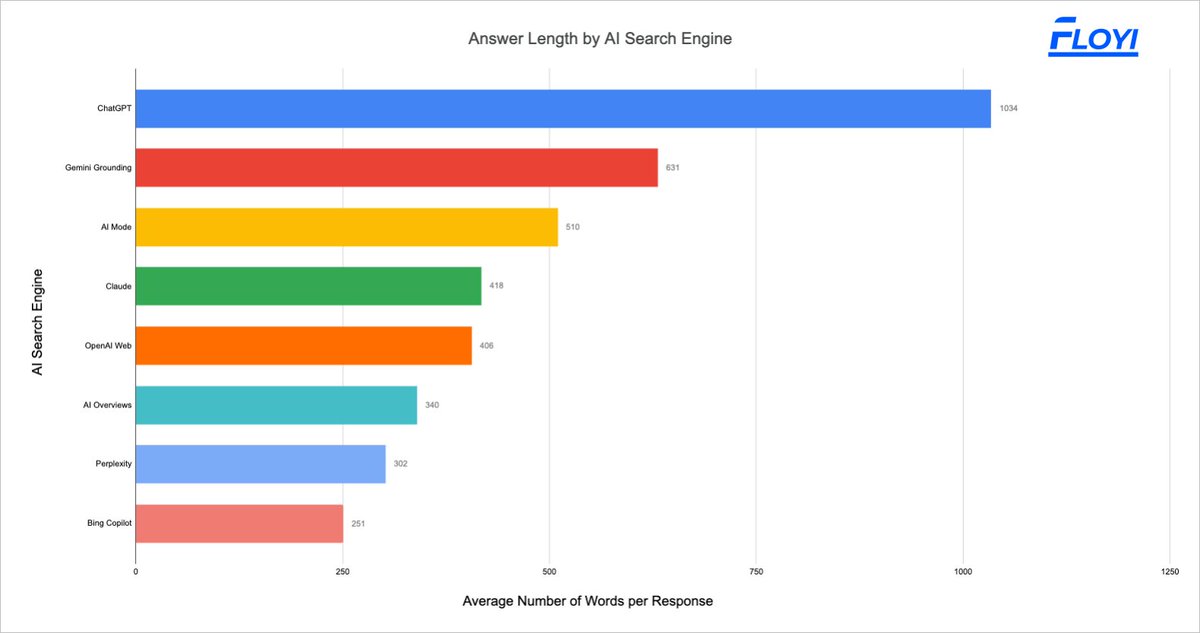
ChatGPT writes like it’s paid by the word ...
📈 1,034 words per answer on average.
Here’s how 7 other AI search engines stack up:
- Gemini Grounding 631
- AI Mode 510
- Claude 418
- OpenAI Web 406
- AI Overviews 340
- Perplexity 302
- Bing Copilot 251
Length = style, not quality.
🔹 For ChatGPT, bring depth and structure.
🔹 For snappier engines like Bing, lead with the takeaway and trim the fluff.
Floyi’s AIRS Analyzer scans thousands of AI answers, tracks patterns like length, sources, and topic coverage, then turns that data into an actionable content blueprint.
#SEO #AIsearch #ContentStrategy
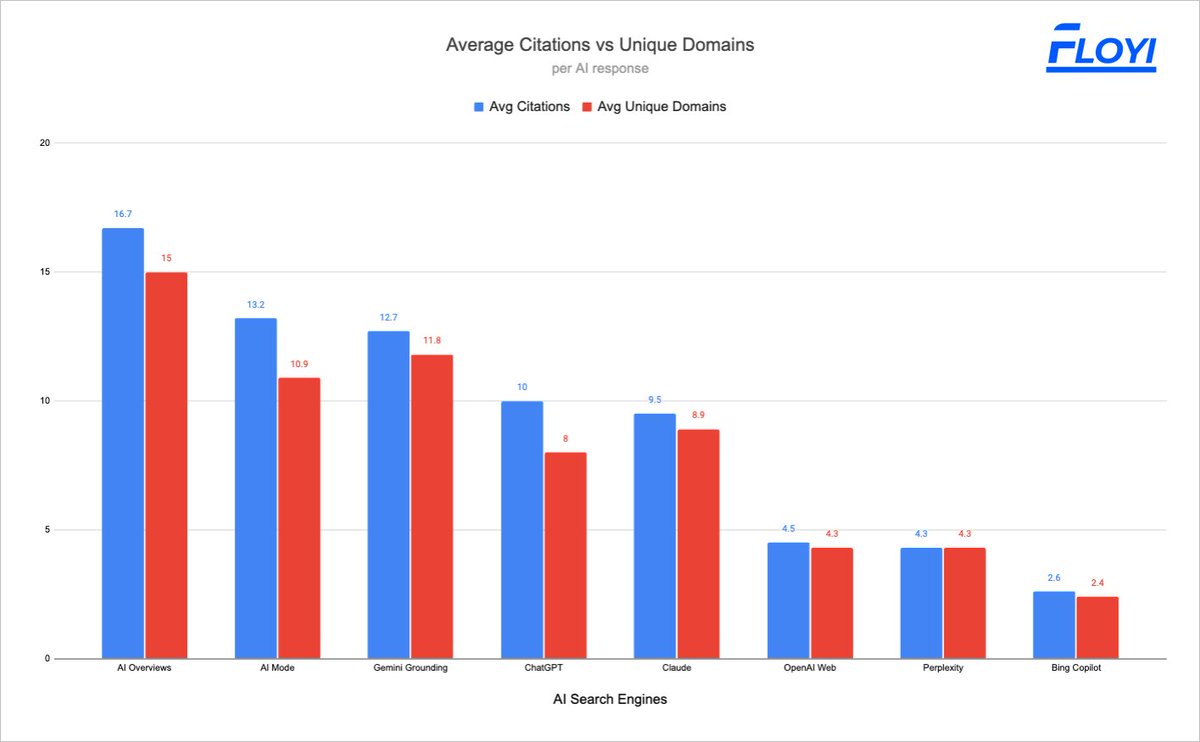
Which AI search engine credits the most sources per answer?
New data from Floyi’s AIRS Analyzer looked at 8 top AI engines, and the differences are huge:
- AI Overviews: 16.7 citations, 15 domains per answer
- Gemini/AI Mode: 12–13 sources, almost as many unique sites
- ChatGPT: 10 citations, but just 8 domains
- Bing Copilot: just 2.6 citations, 2.4 domains - super selective
Want your site to show up multiple times in the same AI answer?
Build tightly linked clusters of related content.
AI Overviews rewards diversity, while ChatGPT and AI Mode will feature several pages from your site if your structure is strong.
Sourced from Floyi’s AIRS Analyzer, tracking 8 real-world AI search engines.
Want more breakdowns like this for your content strategy?
Check out @gofloyi
One Page. Ten Search Engines. Total Domination.
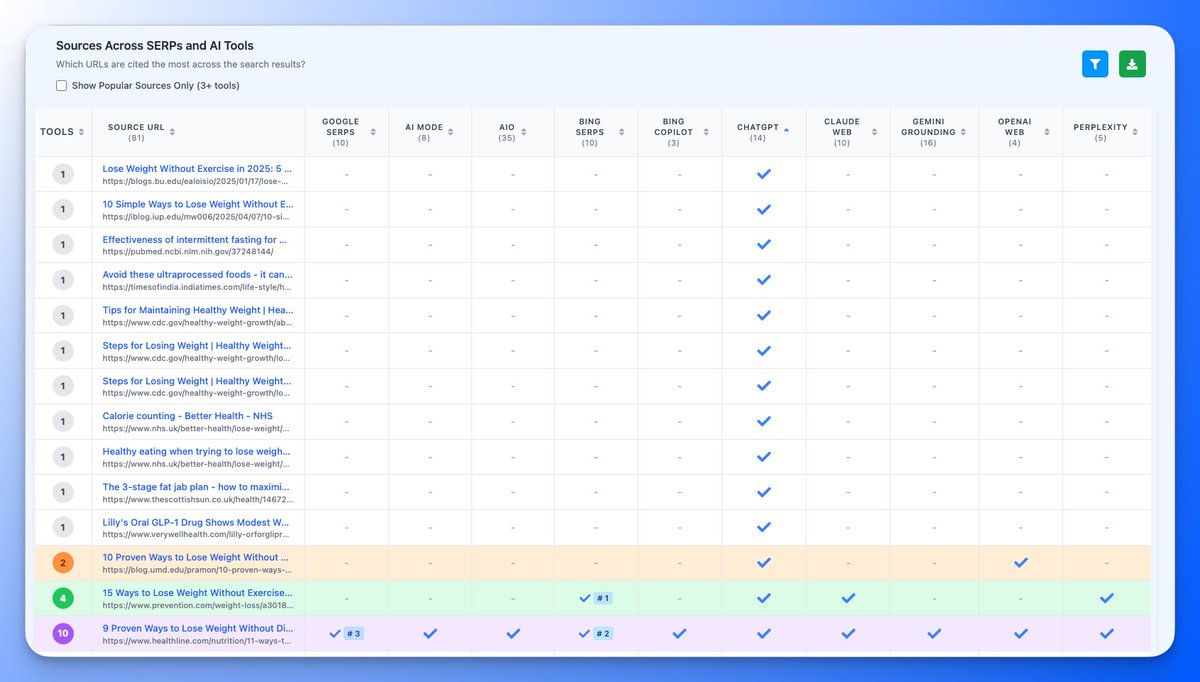
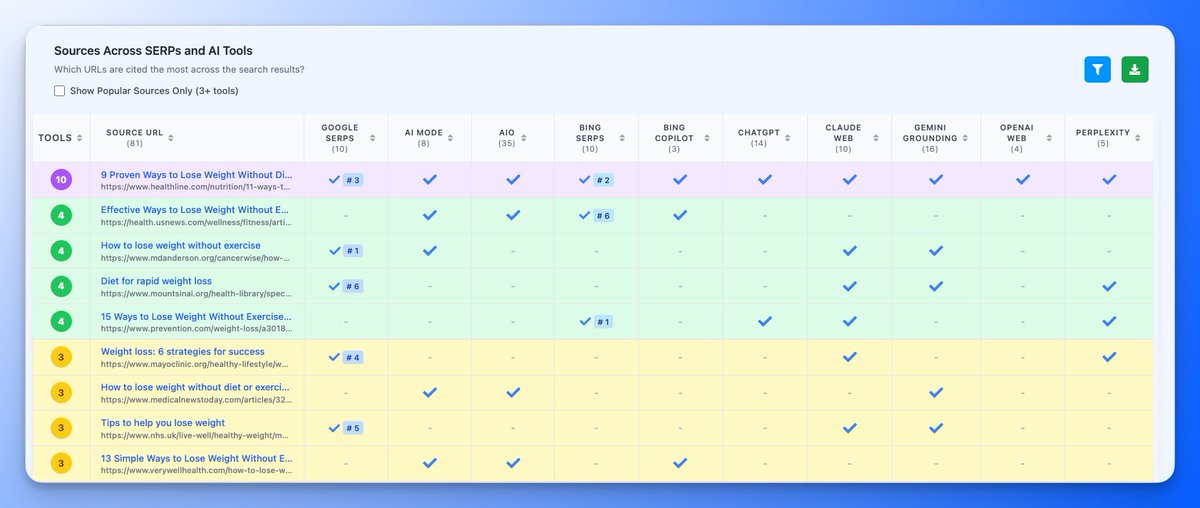
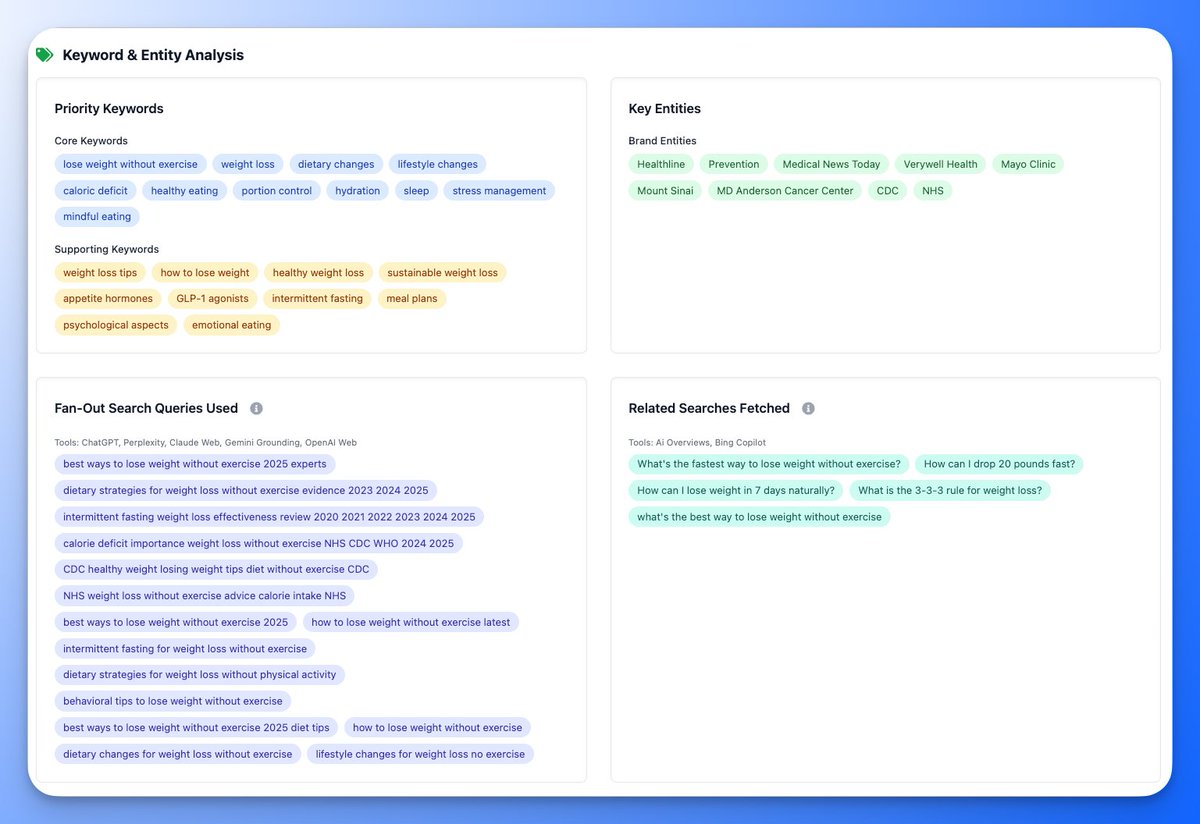
For the first time, we saw a single source ranked in 8 AI search engines and 2 traditional search engines - Google and Bing - for the same query:
"What’s the best way to lose weight without exercise?"
Here’s why that matters:
1️⃣ AI search isn’t Google search.
ChatGPT cited 12 pages Google and Bing didn’t.
If you’re only optimizing for traditional SERPs, you’re invisible where AI delivers answers.
2️⃣ High-value signals matter.
Keywords like “calorie deficit,” “behavioral changes,” and “lifestyle changes” showed up across AI search engines as key topics.
3️⃣ Fan-out queries reveal AI’s thought process.
AI engines used closely related queries and trusted entities like CDC, NHS, and WHO to refine their answers.
In AI search, every answer has a source.
Make sure it’s yours.
Floyi’s AIRS Analyzer helps you uncover opportunities in AI search, so you can create content that ranks, resonates, and dominates across both AI and traditional SERPs.
#AIsearch #SEO #ContentStrategy #GenerativeIntent
https://t.co/TDF8lT9SjT
Stop building topical maps backwards.Most marketers make this mistake when planning SEO.
They start with existing content…
Or worse - throw their sitemap/blog pages to AI and ask for a topical map.
Result is a jumbled mess that mirrors their content chaos.
❌ That’s lazy SEO.
❌ It’s reactive.
❌ It’s short-sighted.
When you start with what you already have, you’re not thinking strategically. You’re just rearranging old problems.
✅ The right way:
Base your map on
•Brand’s core strengths
•Audience’s evolving needs
•Real search + intent data
A broken map wastes months of work you’ll never get back.
Build a proactive strategy that earns authority from day one.
#TopicalAuthority #SEO #ContentStrategy #Branding
Generic topical maps have never been "in" and an option with us.
We tailor topical maps to the client's brand and target audience.
Others "reuse" topical maps because 'why can't the same map be used?'
Because every brand is unique.
Their topical map needs to be unique too.
Friday truth:
Don’t waste time in someone else’s sandbox.
If you’re not already a giant, chasing broad topics just burns cash and passion.
This week, I watched a client light up as we ditched “generic” for “genuine.”
Want attention? Get specific.
Want trust? Get real.
That’s where growth starts now.
Search engines AND Users don’t reward the masses. They pick the few who carve out their own spot.
- If you’re a roofer, don’t settle for content about “home maintenance” - be the authority on the roofs in your city.
- If you’re a personal injury lawyer, skip the generic “legal tips”- show up for the cases you actually win.
- If you’re a SaaS, don’t just target “productivity” - solve the real pain points your buyers have.
- If you’re an app founder, don’t get lost in “lifestyle” - get laser-focused on what your users actually want.
If your agency, consultant, or “expert” isn’t building your strategy around your brand and your audience, don’t settle - push for more.
If you’re getting a one-size-fits-all plan, demand better. Growth only happens when the strategy fits you.
Here’s a quick way to find your real edge.
While most [your industry] companies chase [generic topic], we OWN [your specialties].
What’s the one thing you do better than anyone else?
Drop your version below.
Generative intent is the fifth search intent - and the most important.
See how mapping for generative intent at https://t.co/ilTMSv9XEu gets you cited by AI, not just ranked by Google.
Learn how to future-proof your strategy:
https://t.co/VA0eODO8XJ
Quit flexing that buzzword dictionary.
If your topical map can’t make humans or crawlers click, buy or share, it’s junk.
Fix the basics first:
1.Brand mission and values: Plant your flag and mark the lines you won’t cross.
2.Audience personas: Two or three data-backed profiles with real pain points and hangouts.
3.Brand positioning: One tight paragraph that explains why you matter right now.
Lock these in, then go wild with “semantics, entities, attributes… blah, blah, blah.”
Skip them and you just created a shiny graphic to look smart 😅
Acronyms. We love them. We fight over them.
Everyone in digital marketing wants to coin the Next Big Term.
SEO? SEvO GEO? LEO? LLMO? Call it what you want.
We keep slapping new names on the same old struggle - then pretending it’s a revolution.
Meanwhile, the work keeps moving. Algorithms change. AI rewrites the playbook. The only thing that never changes? People arguing about what to call it.
That’s what I break down in the latest edition of Digital Surfer: Musings Between the Waves.
It’s not about what you 'call' the work. It’s about whether you’re actually doing it.
Want the honest take on the acronym circus (and why I built a tool for the search reality, not the old game)?
Are you still fighting over the name, or are you catching the real wave?
Read it here 👇




![yoyaoh's tweet photo. Most competitor briefs fail for one reason.
They copy headings.
They miss the choices behind the headings.
Here’s the 4-part brief I use.
Job. Claims. Proof. Constraints.
1. Job
Who is this for.
What do they need to do.
What risk are they trying to avoid.
What does success look like in 5 minutes.
Template:
Help [role] do [task].
Fast.
Without [risk].
2. Claims
List the 3 promises the page will make.
List the 5 objections the page must answer.
Pull these from the top ranking pages.
Do not copy their headers.
Do not copy their order.
Add scope.
What you will not cover.
Who it's not for.
3. Proof
Attach proof to every promise.
Screenshot, benchmark, quote, or primary source.
If proof is weak, tighten the claim.
If proof is missing, cut the claim.
List 3 to 7 sources before drafting starts.
4. Constraints
No mirrored structure.
No reused competitor examples.
No filler intro.
Keep intros to 3 lines.
Add internal links up, across and forward.
Parent page. Sibling pages. Next step page.
That’s the brief.
Writers ship without ping-pong.
Which part breaks most often for you?
Job, claims, proof, or constraints.](https://pbs.twimg.com/media/G8S9UOAXcAMTuty.jpg)



![yoyaoh's tweet photo. Friday truth:
Don’t waste time in someone else’s sandbox.
If you’re not already a giant, chasing broad topics just burns cash and passion.
This week, I watched a client light up as we ditched “generic” for “genuine.”
Want attention? Get specific.
Want trust? Get real.
That’s where growth starts now.
Search engines AND Users don’t reward the masses. They pick the few who carve out their own spot.
- If you’re a roofer, don’t settle for content about “home maintenance” - be the authority on the roofs in your city.
- If you’re a personal injury lawyer, skip the generic “legal tips”- show up for the cases you actually win.
- If you’re a SaaS, don’t just target “productivity” - solve the real pain points your buyers have.
- If you’re an app founder, don’t get lost in “lifestyle” - get laser-focused on what your users actually want.
If your agency, consultant, or “expert” isn’t building your strategy around your brand and your audience, don’t settle - push for more.
If you’re getting a one-size-fits-all plan, demand better. Growth only happens when the strategy fits you.
Here’s a quick way to find your real edge.
While most [your industry] companies chase [generic topic], we OWN [your specialties].
What’s the one thing you do better than anyone else?
Drop your version below.](https://pbs.twimg.com/media/GxR2kQgWsAAx9W3.jpg)