Firstly, One sweetest thing about this Makinde interview is that people will see that had Tinubu given him what he wanted he wouldn't have seen anything bad with Tinubu's failures and incompetencies provided he's benefiting and his recency outburst against Tinubu is for selfish interest.
Secondly, everyone can see that Peter Obi has Nigerians at heart and wouldn't trade them for anything.
This interview should increase people's love and respect for Peter Obi because he's a rare gem.
NIGERIANS, GO AND VERIFY (9)
Following the numerous attacks on the Nigeria Democratic Congress (NDC), which tragically resulted in the loss of lives, I temporarily suspended my daily series on what we achieved in Anambra State during my time as Governor. I considered it important to acknowledge the gravity of the situation and respect those who lost their lives. I am now resuming the series with the ninth instalment, as I believe that sharing our experience and lessons in governance remains important to Nigeria’s future. As always, I invite Nigerians to read, reflect, and go and verify.
NIGERIANS, GO AND VERIFY (9)
REVIVING SPORTS: UNLOCKING TALENT, EMPOWERING YOUTH AND BUILDING NATIONAL UNITY
Throughout the history of civilisation, sports have remained an important part of human culture. Their capacity to unite people, inspire excellence, promote healthy competition, and elevate individuals to legendary status is remarkable. Across the world, outstanding sportsmen and women are celebrated not merely for their physical abilities but also for the discipline, determination, and excellence they represent.
This admiration is not new. Even in antiquity, athletic culture played an important role in society. As a student of philosophy, I recall the tradition that Plato, whose original name was Aristocles, acquired the name by which history remembers him because of his broad shoulders and impressive physique as a wrestler.
Indeed, sports have always transcended geographical, ethnic, religious, and cultural boundaries. They bring people together in ways that few other human activities can. This capacity to unite people has always been particularly important to me in my vision for Nigeria. A country as diverse as ours needs every available instrument to strengthen national cohesion, and sports provide one of the most effective avenues for achieving this.
It was in this understanding that sports development became an important component of our human capital development agenda under the Anambra Integrated Development Strategy (ANIDS). We saw sports not merely as recreational activities or competitions for winning medals but as instruments of youth development, social integration, talent discovery, employment creation, and economic empowerment.
When we assumed office in March 2006, sports in Anambra State had virtually collapsed. The state lacked adequate public sporting infrastructure, sporting activities in schools had suffered serious neglect, and even some schools were being established and approved without sufficient sporting facilities. We considered this unacceptable because education should develop the whole person, not merely produce examination certificates.
We therefore resolved to restore sports to their rightful place in the development of the state through deliberate investment, institutional support, and the revival of grassroots participation.
1. Rebuilding Sporting Infrastructure
Our first responsibility was to provide the infrastructure necessary for sporting activities to flourish. We understood that without accessible and functional facilities, young people would have limited opportunities to discover and develop their talents.
When I assumed office, Onitsha had no stadium or standard football playing ground. One of our major interventions was the construction of the 5,000-capacity Chuba Ikpeazu Memorial Mini Stadium in Onitsha North. To make this possible, we relocated the Local Government headquarters occupying the proposed site, provided a new headquarters elsewhere, and cleared the site for the project. The stadium was named after Justice Chuba Ikpeazu, who founded Ikpeazu Redoubtables, the first privately owned football club in the country. The stadium was eventually commissioned in July 2009.
We also constructed another mini-stadium in Onitsha South, named after Godwin Achebe, the first and longest-serving captain of Nigeria’s national football team. In addition, we supported the rehabilitation of the facilities at Rojenny Stadium, Oba, as part of our efforts to promote sports development and provide better facilities for sporting activities in the state.
Another important project we initiated was the Awka Township Stadium. Although the project was eventually inaugurated by a subsequent administration, its origins and substantial preparatory work date back to our administration. Work commenced in 2012, and in October 2013, we formally flagged off its construction after considerable work had already been undertaken. We also made financial provisions for its continuation.
Beyond these major projects, we insisted that schools should have adequate sporting facilities. Our reasoning was straightforward: sports should form an integral part of education, just as much as classroom instruction. A child who is intellectually developed but denied opportunities for physical development has not received a complete education. These investments were intended not merely to provide physical structures but also to create an environment in which sporting activities could return to schools and communities across the state.
2. Restoring School Sports and Discovering Young Talent
Having begun to address the infrastructural deficit, we turned our attention to the natural breeding ground of sporting excellence: our schools.
We believed that schools were the most effective starting points for identifying, nurturing, and developing young talents. Accordingly, we restored organised inter-school competitions and strengthened grassroots sporting activities.
I personally attended inter-house and inter-school competitions to demonstrate that sports development was a serious government priority. My presence was also intended to encourage students, teachers, and school administrators to appreciate the importance of sporting activities.
The results were encouraging. Anambra’s performance at the National Schools Sports competitions improved from 15th position in 2011 to fifth in 2012 and third in 2013. In 2013, the state won 39 gold, 68 silver, and 85 bronze medals.
These achievements were not accidental. They reflected deliberate investment in school sports, organised competitions, institutional encouragement, and the rediscovery of talents that had previously been neglected.
More importantly, they demonstrated what could be achieved when government creates opportunities for young people to discover their abilities and compete at higher levels.
3. Supporting Private Sports Initiatives and Sporting Institutions
While the government has an important responsibility in sports development, we recognised that it could not do everything alone. Private individuals, clubs, and sporting institutions also had important contributions to make.
We therefore extended financial support to private sports initiatives, including Rojenny Sports Centre and Ikpeazu Football Club, one of the oldest privately owned football clubs in Anambra State.
We also recognised the importance of experienced sportsmen and women, particularly those who had retired from active competition. Their experience, professional knowledge, and understanding of sporting institutions were valuable resources that could benefit younger generations.
Our administration consequently sought to involve retired athletes in sports administration and mentoring. We also hosted the Flying Eagles on two occasions and supported the welfare of former Rangers players through monthly stipends.
In addition, we provided buses to support the activities of sporting and youth organisations, including Old Rangers. These interventions reflected our belief that sports development requires a combination of government investment, private participation, institutional support, and the involvement of experienced professionals.
4. Taking Anambra’s Sporting Talents Beyond the State
Our ambition was never to confine Anambra’s sporting talents to local competitions. We wanted young people from the state to compete nationally and internationally, where their abilities could be recognised and rewarded.
In 2012, Anambra participated in the National Sports Festival, an important national platform for discovering talents and promoting unity through sports.
We also expanded grassroots participation through the introduction of the Governor’s Unity Cup and the Traders’ Cup in 2013. These competitions provided opportunities for people from different backgrounds and occupations to participate in organised sporting activities.
In the same year, we organised the state’s first disabled sports competition. This was particularly important because we believed that physical disability should never be a reason to deny anyone the opportunity to participate, compete, and excel. Sporting opportunities must be inclusive.
Perhaps one of our most significant efforts to expose Anambra’s football talents internationally was the funding of footballers to participate in a pre-season tournament in Antalya, Turkey, in 2013. Six of the participating athletes were subsequently selected for professional opportunities in Europe.
This was the kind of outcome we wanted: opportunities for young people to transform their talents into professional careers, international exposure, and sustainable livelihoods.
5. Sports as an Instrument of Youth Empowerment and Economic Development
Our approach to sports was informed by a broader understanding of its economic possibilities. We did not see sports merely as an avenue for winning trophies and medals. We understood that a properly developed sporting sector could become an important source of employment, enterprise, and economic growth.
Beyond the athletes themselves, sports create opportunities for coaches, referees, sports administrators, medical personnel, event organisers, facility managers, equipment manufacturers, and other professionals.
A vibrant sporting sector also stimulates investment in hospitality, transportation, media, entertainment, and related businesses.
Therefore, by restoring sporting facilities, supporting clubs, encouraging competitions, and exposing young athletes to international opportunities, we were laying the foundations for a wider sporting economy.
Our philosophy was that government should not merely offer temporary assistance to young people. It should create an environment in which their abilities and talents could become productive assets, enabling them to earn a living and contribute meaningfully to society.
This remains my conviction: Nigeria is richly endowed with sporting talents, and we must move beyond celebrating our athletes only when they win international competitions. We must deliberately invest in the structures, institutions, and opportunities that make sporting excellence possible.
As President of Nigeria, I will replicate and expand this model nationwide by rehabilitating existing sporting facilities, building modern stadiums and community sports centres, reviving school sports, supporting grassroots clubs, and encouraging private investment in the sector. We will create opportunities for young Nigerians to discover, develop, and commercialise their talents, making sports a major instrument of youth empowerment, employment creation, national unity, and economic diversification.
The experience of Anambra demonstrates that with vision, planning, and prudent management of resources, sports can become a powerful instrument of human development. What we achieved in Anambra can be replicated across Nigeria.
In Series 10, we shall examine our administration’s achievements in housing and urban development, highlighting the policies, projects, and initiatives through which we sought to improve living conditions, promote orderly urban growth, and expand access to decent housing. -PO
The media are trying to vilify the “rig and die” mantra. Instead of them to beg everyone not to rig elections as rigging kills lives. Rigging destroys destinies. Rigging is treason against the people of the country.
The media won’t talk against the harms of rigging. They are talking against “Rig and die”
This just emboldens riggers.
You will think he’s lying but do you know that Jos produces one of the sweetest strawberries in Africa ? 6kg (full indomitable carton ) goes for 20k naira but do you know that Nigerians still “import “ gmo strawberries and sell 7 pieces for 26k ??? Nigerian has everything that will make us not even import any food items but there are people that want to spoil this country for us cos of greed
Peter Obi speaking in Niger State infront of the Emir of Minna
“Niger state alone can feed this country. This state has fertile land, For a state with 76,300 square kilometers - that is twice the size of Netherlands without water, two and a half times the size of Belgium, three and a half times the size of Israel, yet we are not getting the value of what we can get from here”
No one can intimidate us, Nigeria Must Be OK. Don't rig, so that nobody dies from the consequences of rigging. Rigging brings bad leadership and corruption, it breeds insecurity, collapses our education and health care system which leads to death and loss of property. An election rigger is a destiny killer. #BeWarned #DontRig2027 #VoteNDC
If You Misplaced Your PVC Slip, Kindly Visit https://t.co/w1BmMzw406 fill up your details and print or screenshot the information to INEC & get your PVC.
Cards from August 2025 - April 2026 is now available at your Registered INEC LGA office.
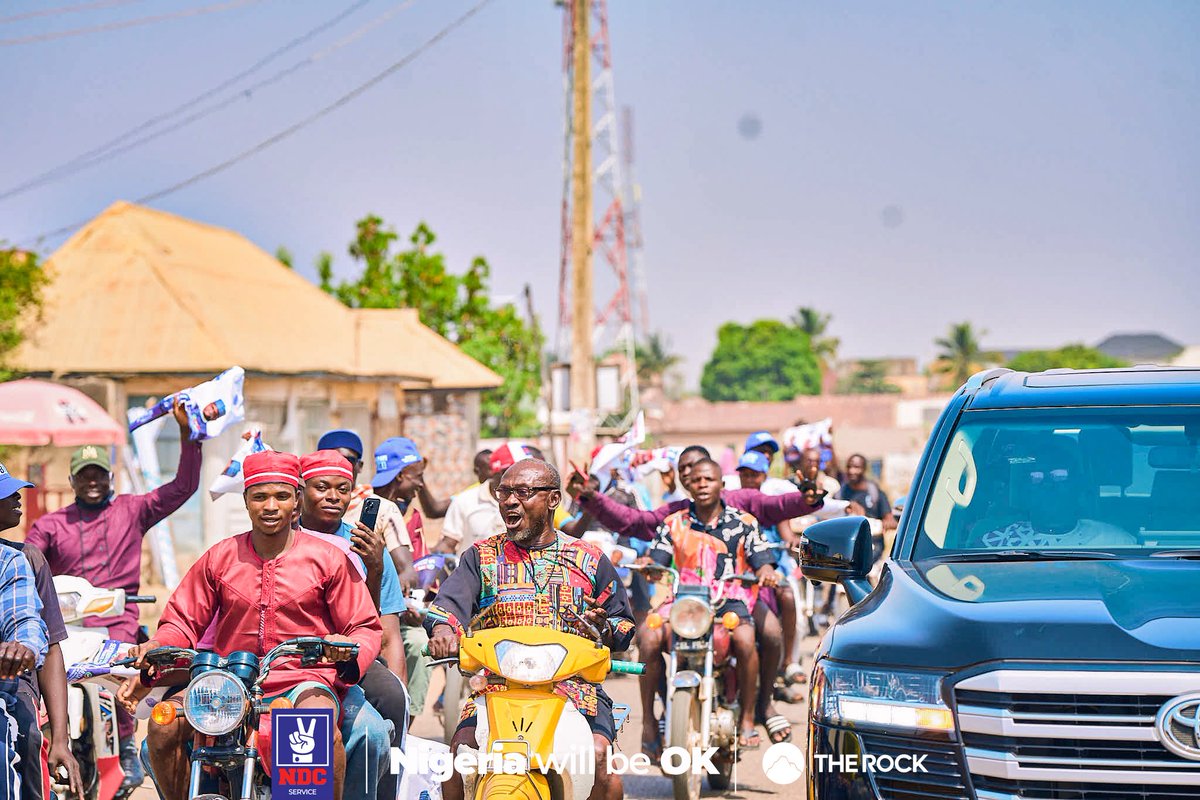
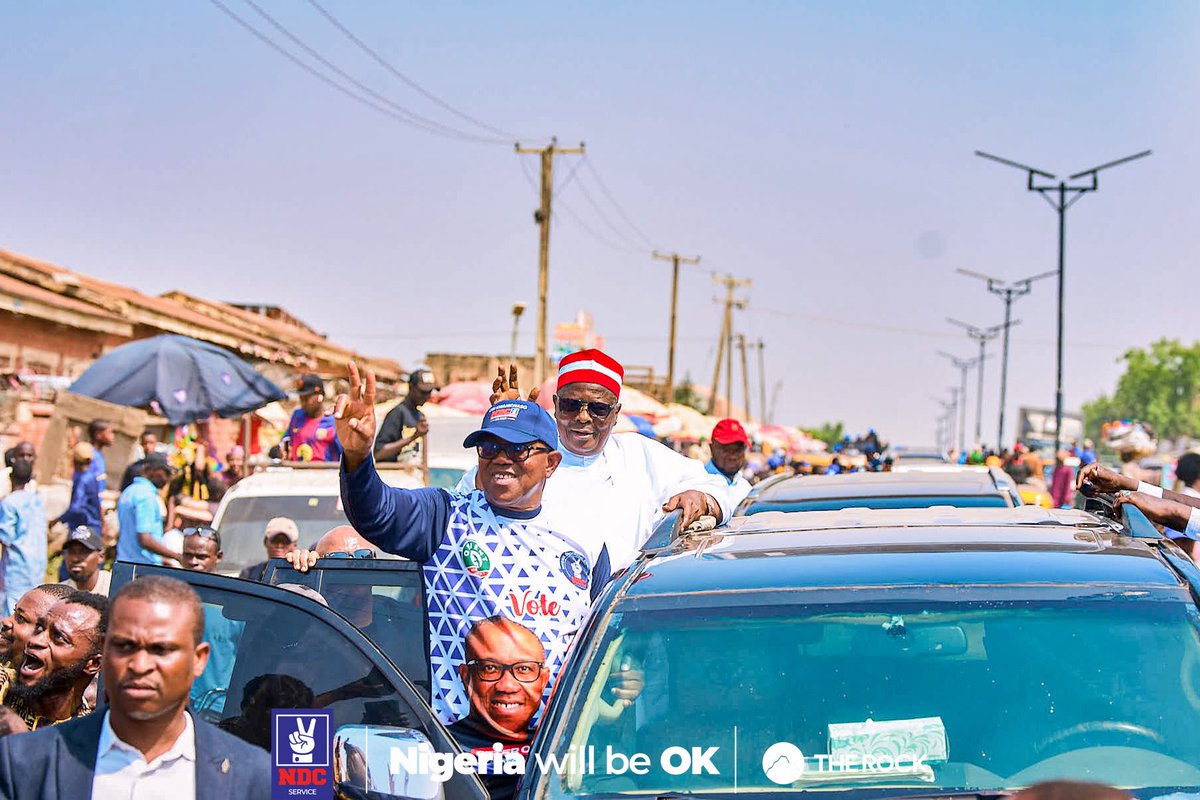
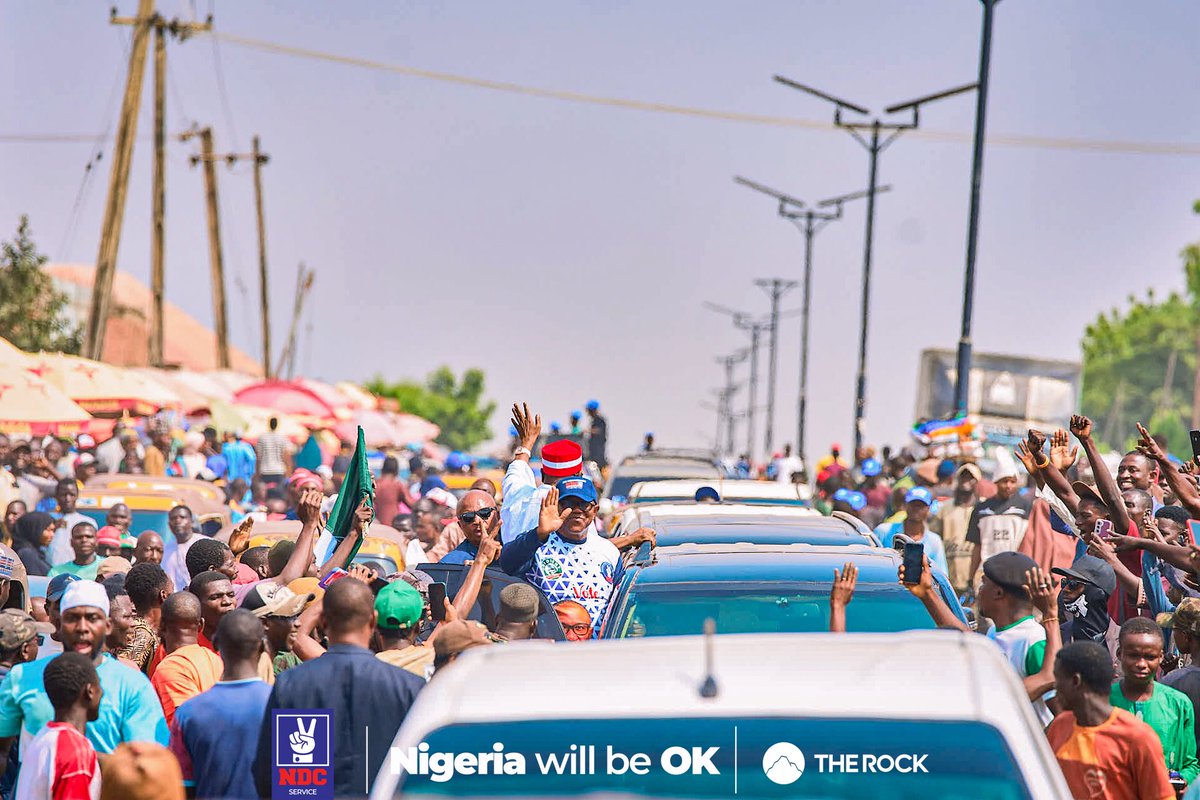
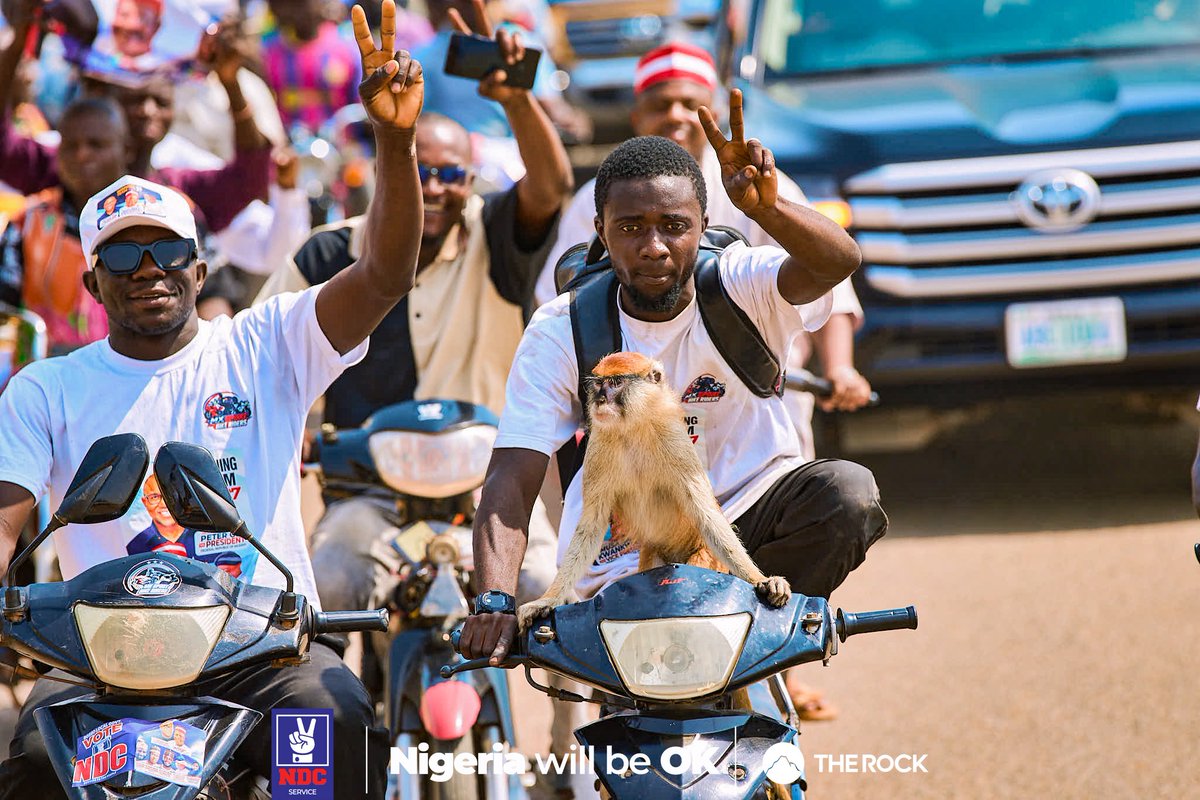
EDO IN PICTURES.
Before our town hall meeting today in Benin, the Presidential candidate of our party, HE Peter Obi and his running mate, H.E Rabiu Musa Kwankwaso paid a courtesy visit to the Oba of Benin, His Royal Majesty, Omo N'Oba N'Edo, Uku Akpolokpolo, Oba Ewuare II, CFR.
And everyday since the last election.
I heard his name.
I saw him travel up and down.
Donating money.
Being positive.
Visiting victims.
Almost every single day since 2023.
I wondered if he rested.
What an Inspiring man.
The man Peter Obi.
Ebube Dike is an Igbo icon. His death pains a lot of us because he was an Igbo Chief whose chieftaincy lifestyle was distinct. He mirrored what an Igbo chief should be. There will never be another individual like Ebube Dike ❤️🦅. Ebube Dike was truly Ebube Dike.