If you or someone you care about has been diagnosed with cancer, you may have questions and concerns.
From the diagnosis, to tests and procedures, to treatment options and more, we're here to provide trustworthy and accurate information that's easy to understand.
Find resources on different cancers, therapies and more: https://t.co/8tdOrME5je
#HealthLiteracyMonth
Do you have bone metastases? Do you want to learn how to be physically active in a safe way? We can help!
In our new Expert Angle webinar, Physical activity for people with bone metastases, we’re joined by:
➡️ @michellebnadler, a breast medical oncologist at Princess Margaret Cancer Centre
➡️ @KLCampbellPhD, a physiotherapist and professor at the University of British Columbia
Tune in as the pair shares their expertise and valuable information about being physically active with bone metastases.
Watch the webinar today: https://t.co/Ohjn7YVfKH
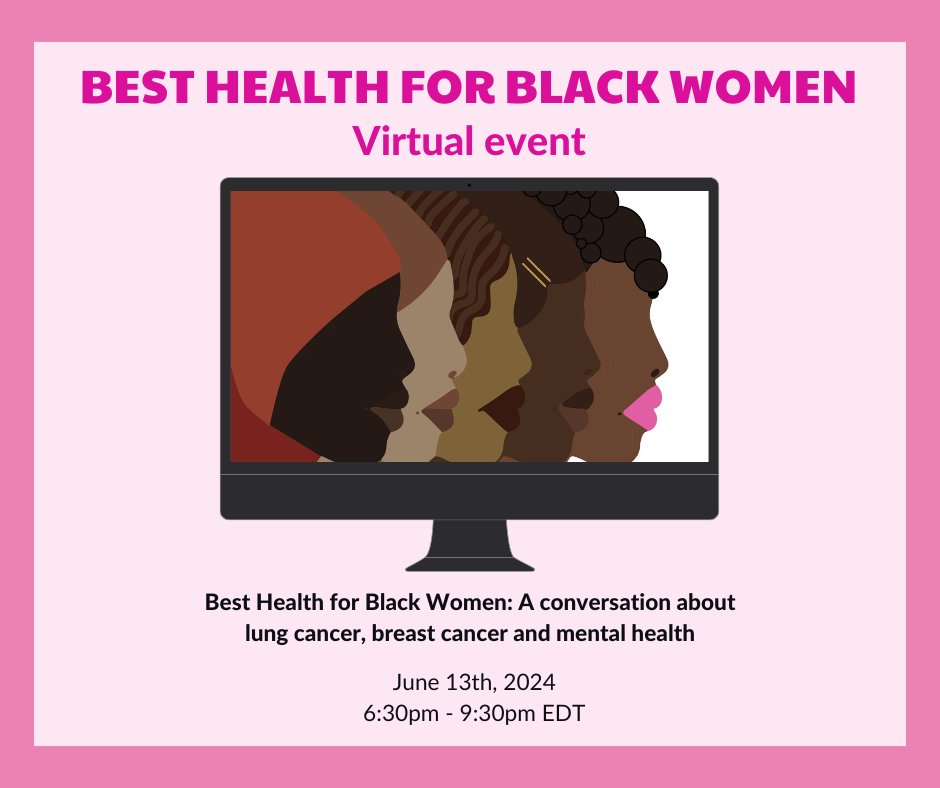
Join us for an empowering virtual event that will provide Black women with the awareness, education and resources they need regarding lung cancer, breast cancer, and mental health.
The Canadian Cancer Society is partnering with the Peter Gilgan Centre for Women's Cancers at @wchospital, @OliveBranchHope, @UHN and @rethinktweet to host the Best Health for Black Women event on June 13th, 2024.
This free event will:
➡️ Empower Black women with health and wellness information tailored specifically to them.
➡️ Provide knowledge and awareness around lung and breast cancer risk factors, prevention, screening and early detection.
➡️ Share educational and community resources that are available for Black women.
➡️ Provide an opportunity to learn from others with lived experience through stories and conversation.
Register today: https://t.co/YSRh4iOEaa
Do you have bone metastases? Here are 3 things you need to know about being physically active while living with the disease:
🚲 Physical activity can help people who have cancer by maintaining or improving how the body works, helping with fatigue and improving quality of life.
🥌 Physical activity is safe for most people with bone metastases.
🏊♀️ Research shows that the safest way to engage in physical activity is to have a qualified exercise professional guide you.
Learn more about being physically active with bone metastases: https://t.co/cahHPTe83a
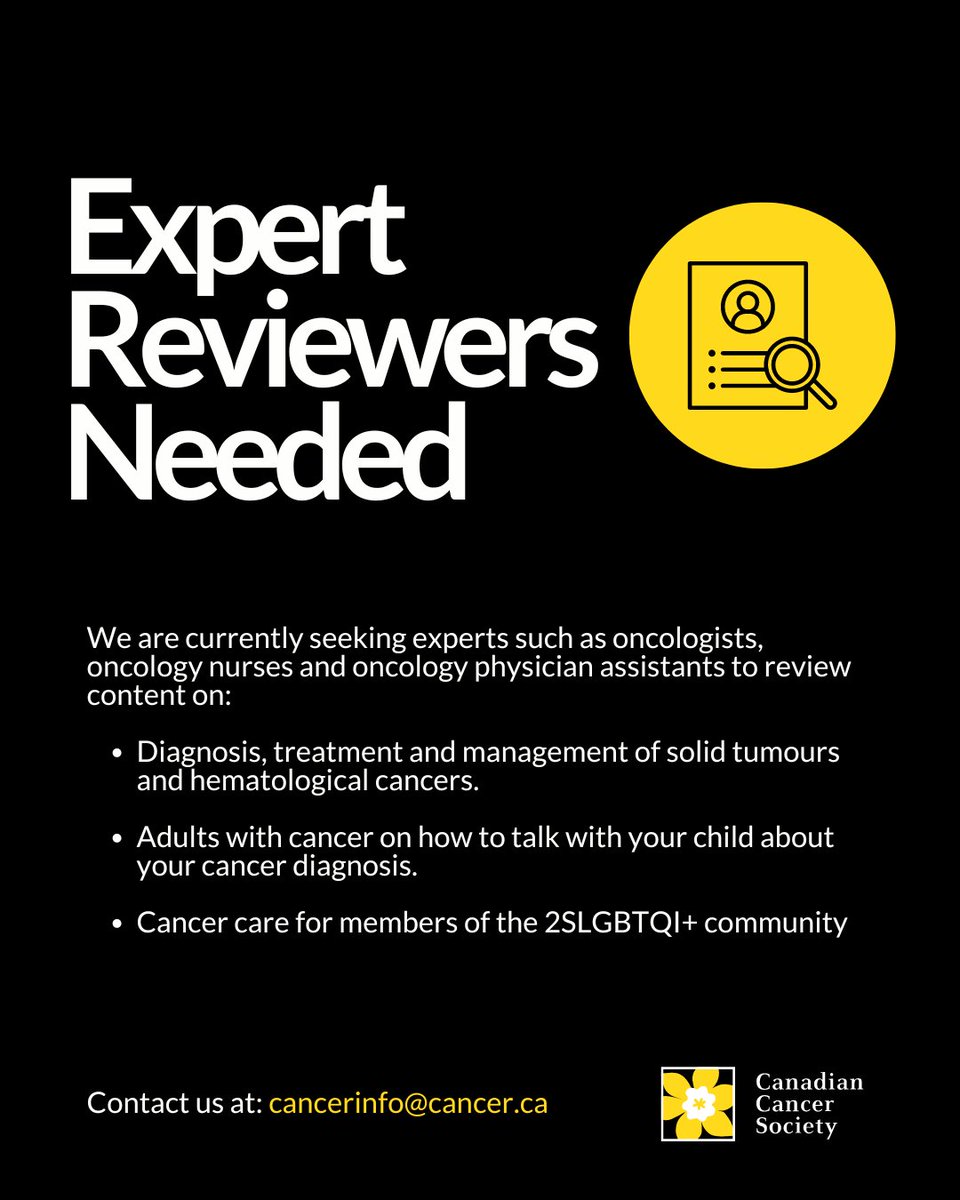
ATTN oncologists, oncology nurses and oncology physicians assistants... We are actively looking for expert reviewers!
Our Cancer Information team is seeking expert reviewers to support content on a wide variety of topics.
If interested, please contact us at [email protected]!
Are you are interested in reviewing any of the topics listed above? Would you like to be an expert reviewer for other areas of cancer information? Do you know someone who may be interested?
Please contact @cancersociety at [email protected].
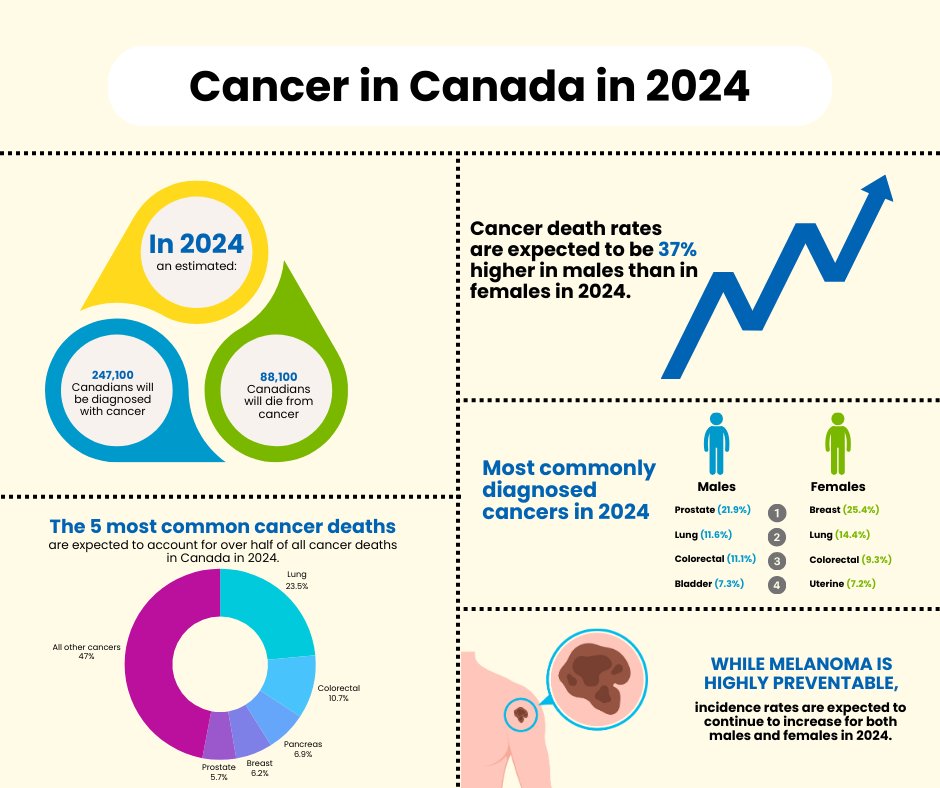
NOW AVAILABLE: The 2024 Canadian Cancer Statistics release is here.
Cancer has a substantial impact on the lives of people living in Canada and Canadian health care systems.
Projected estimates of cancer in Canada in 2024 is a study published in the @CMAJ. This study provides new estimates of the number and rate of new cancer cases and deaths for 23 cancer types by:
➡️ province and️ territory
➡️ sex
Visit this link to read the full report today: https://t.co/8QtYwJ7hV2
#CancerStats #CancerInCanada
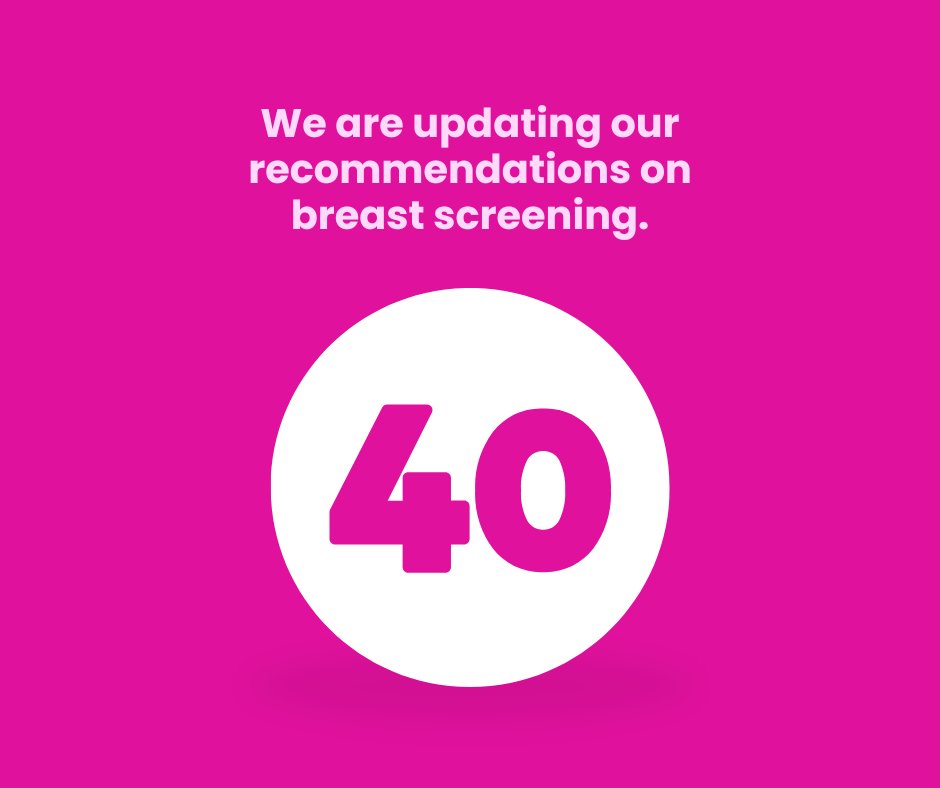
In case you missed it, we’re calling for change: we are recommending that breast cancer screening programs need to start at age 40.
If you’re wondering when you should get screened for breast cancer, here’s what you need to know:
➡️ If you’re between 40 and 74 years old, have a mammogram every 2 years.
➡️ Whatever your age, you should know what’s normal for your breasts. Tell your healthcare provider if you notice any changes.
➡️ Talk to your healthcare provider about your risk. Women at high risk for breast cancer may need to be tested more often and at an earlier age than women with average risk.
➡️ If you have questions about breast cancer screening, call our Cancer Information Helpline toll-free at 1-888-939-3333 or visit https://t.co/Zjt3zM76xz.
Learn more about breast cancer screening today: https://t.co/HR2cK9TQL7
UPDATE: The Canadian Cancer Society is updating its position on breast screening to reflect evolving evidence and calls for action from patients who are frustrated that many women aged 40 to 49 are being excluded from breast screening as well as the national guidelines developed by the Canadian Task Force on Preventive Health Care.
We’re urging provinces and territories to lower the start age for breast screening programs to 40 for individuals at an average risk of developing breast cancer. Many provinces and territories have taken steps to expand access to this age group, and we applaud those actions.
Access to breast screening is important to find breast cancer early when chances of successful treatment are better.
Learn more about our new position on breast screening: https://t.co/brGGhWiUZm
Have you ever wondered how cancer spreads? ⬇️
Cancer starts when a cell changes, or mutates, and then multiplies to form a tumour. As the tumour grows, it can push on normal tissue around it and spread. Cancer cells can also break down normal cells and grow into other tissue. Once the tumour grows into nearby tissue, cancer cells can move into the blood or lymphatic system. From there they can travel to other areas of the body, such as lymph nodes, the bones, the brain, the liver or the lungs.
Learn more about how cancer spreads today: https://t.co/JPP9CAsjnl
Today, we are so excited to launch our new brand position and campaign. Central to this work is the idea that nothing big gets solved by one person. Cancer is no different.
We all know the saying ‘It takes a village.’ But to take on cancer, it takes more than a village. We believe it takes a society. It takes a community – of patients, caregivers, healthcare providers, researchers, advocates, donors, supporters and volunteers – rallying together around a shared cause.
Profound impact is possible when we combine our actions with the actions of others. Our goal at the Canadian Cancer Society is to inspire people of all ages, from all backgrounds and all parts of the country to come together to take on cancer’s biggest issues.
Join us: https://t.co/j0c92f6rC6
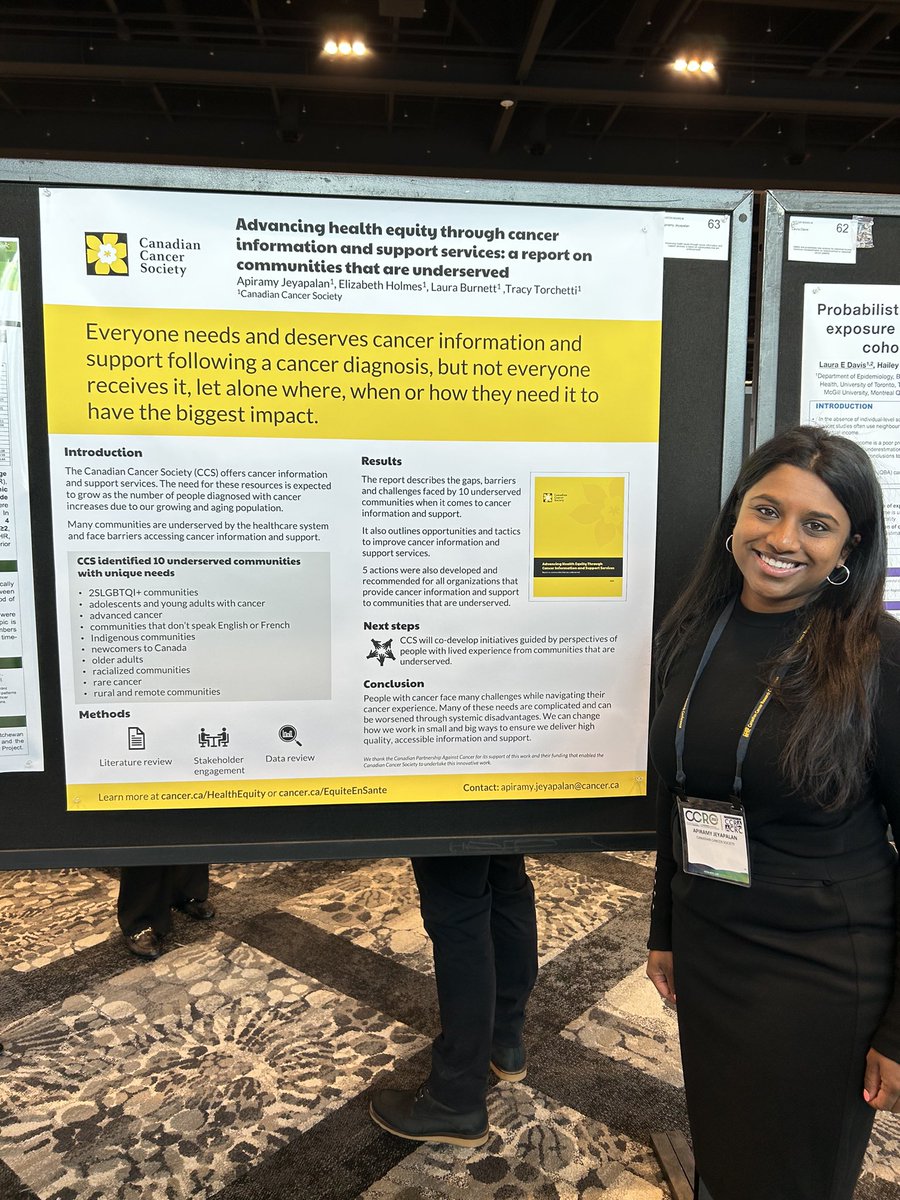
Everyone needs & deserves cancer information & support following a diagnosis, but not everyone receives it. Read more on the @cancersociety report on Advancing Health Equity Through Cancer Information and Support Services at https://t.co/laPpRURQmO or find poster 63 at #CCRC2023
Are you curious about our health equity work? Learn more about what we’re doing thanks to our new https://t.co/oGiTm1gAOZ webpage! With 2 in 5 people in Canada expected to be diagnosed with cancer in their lifetime, cancer has an impact on all of us.
We just launched our evaluation project & an important part of this process is our SURVEY!
Please help us by completing the survey & share with anyone who has engaged with QC via the website, social media or in person.
Thank you!
#inclusivecancercare
🔗 https://t.co/QtONw3dgpe
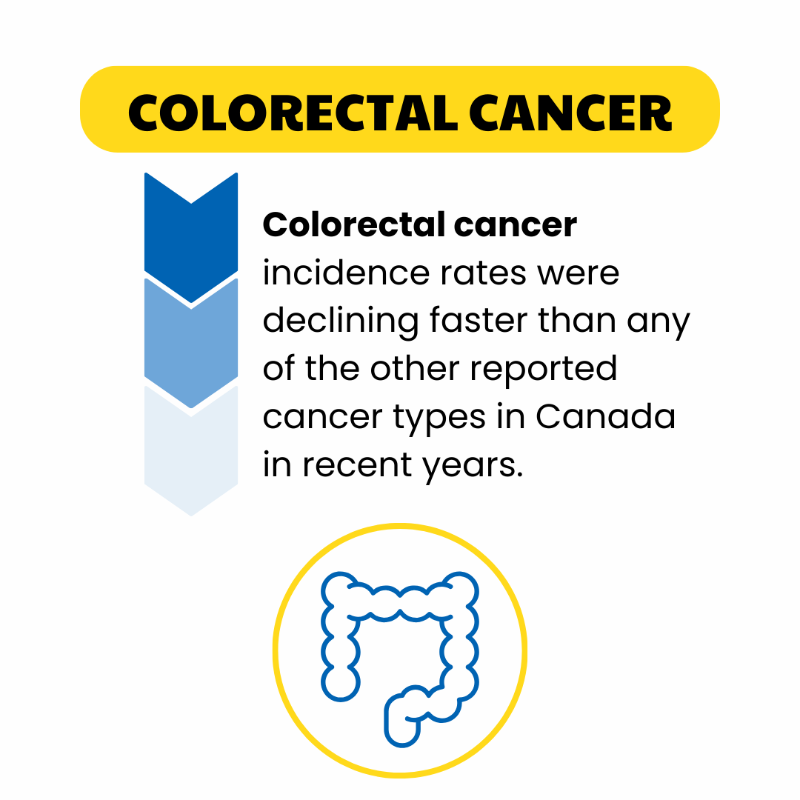
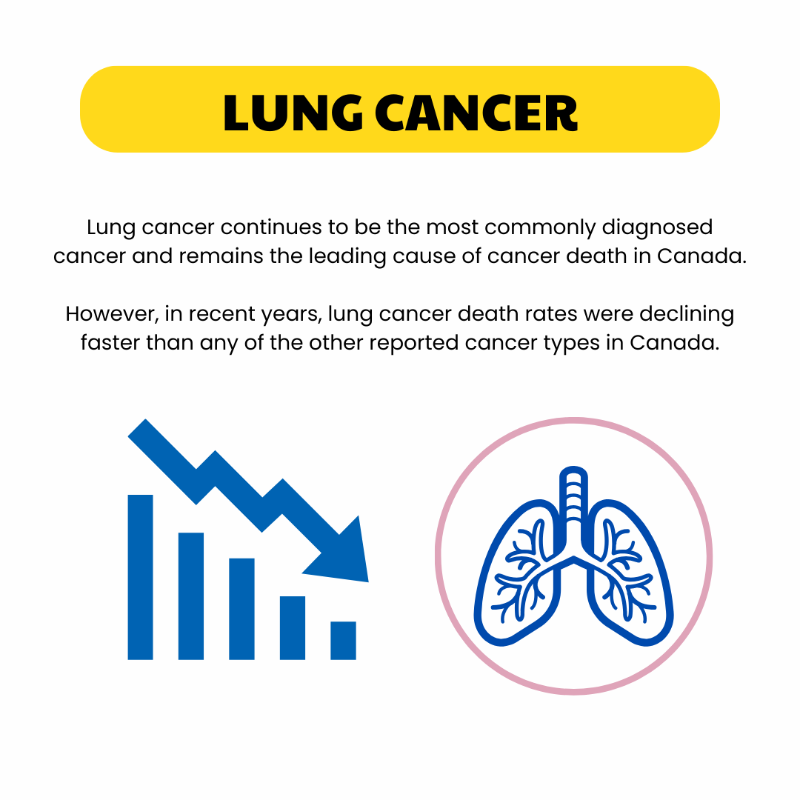
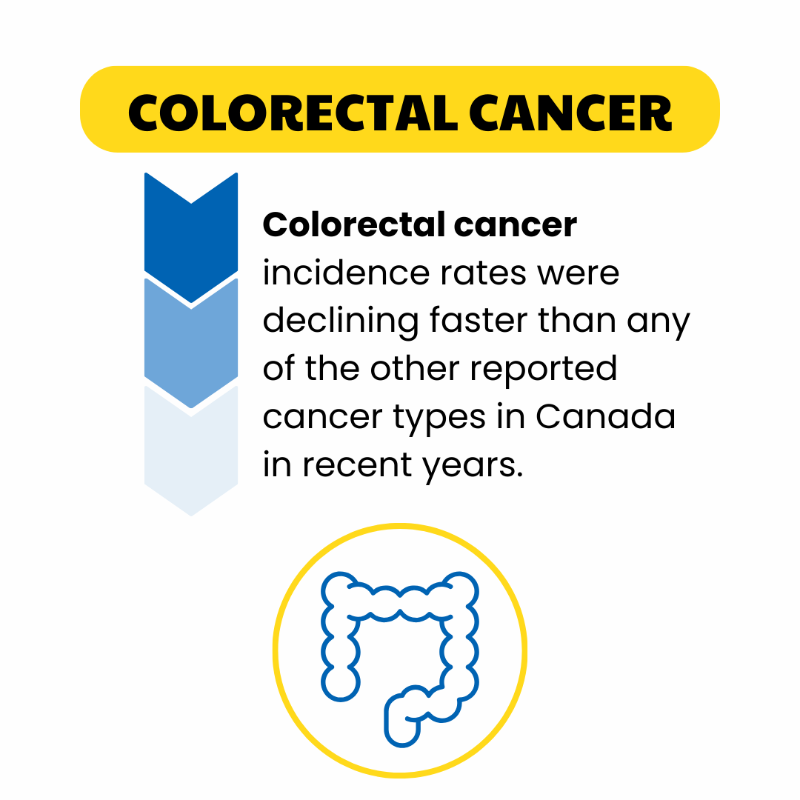
NOW AVAILABLE: The Canadian Cancer Statistics 2023 report is here! This report is developed in collaboration with @StatCan_eng and the @CPHO_CanadaNOW AVAILABLE: The Canadian Cancer Statistics 2023 report is here! This report is developed in collaboration with @StatCan_eng and the @CPHO_CanadaNOW AVAILABLE: The Canadian Cancer Statistics 2023 report is here! This report is developed in collaboration with @StatCan_eng and the @CPHO_CanadaNOW AVAILABLE: The Canadian Cancer Statistics 2023 report is here! This report is developed in collaboration with @StatCan_eng and the @CPHO_CanadaNOW AVAILABLE: The Canadian Cancer Statistics 2023 report is here! This report is developed in collaboration with @StatCan_eng and the @CPHO_CanadaNOW AVAILABLE: The Canadian Cancer Statistics 2023 report is here! This report is developed in collaboration with @StatCan_eng and the @CPHO_Canada.