📢 New study alert!
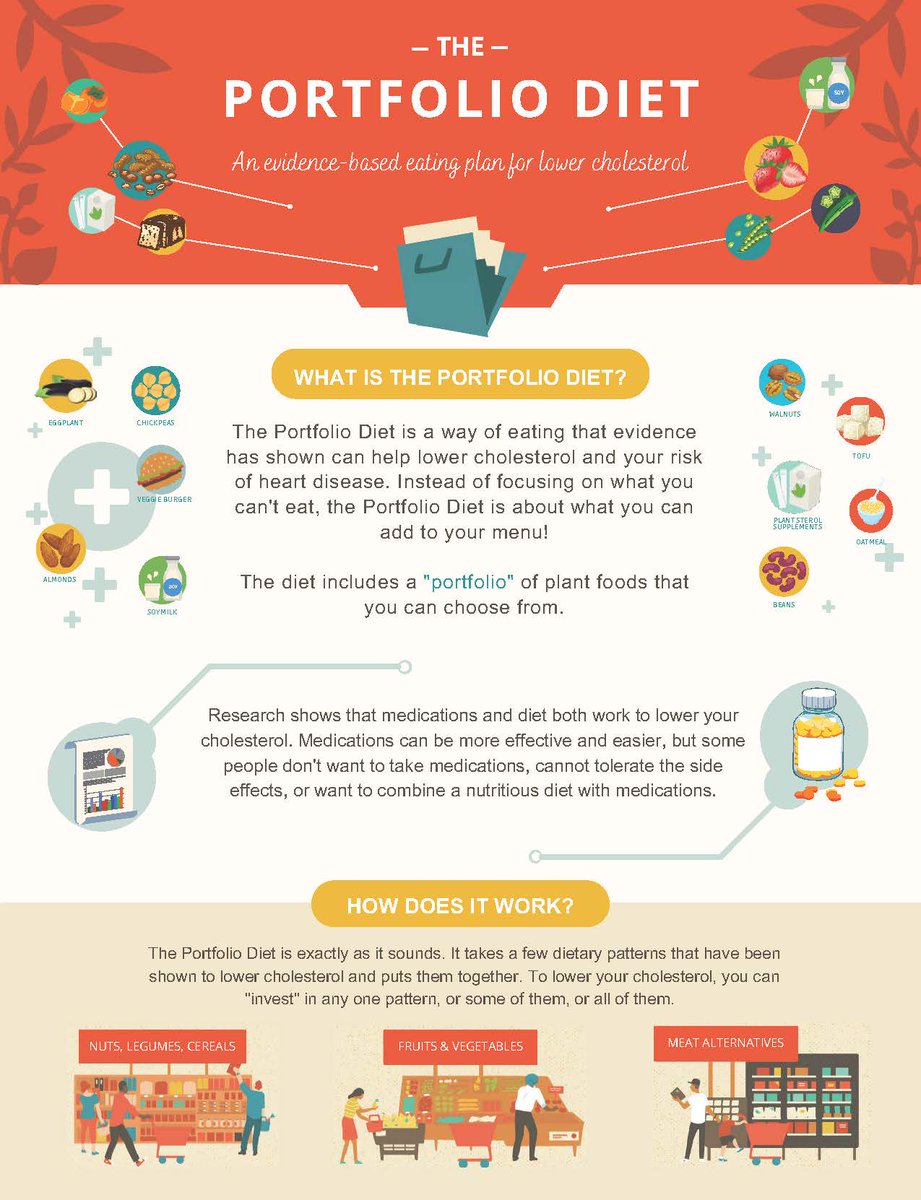
Heard of the Portfolio Diet? It’s a dietary pattern designed to lower cholesterol—and now, we show it may help lower your risk of dying from cardiovascular disease.
Let’s break down the highlights from our @BMCMedicine study ⬇️
🔗 https://t.co/sOmkzFlrdi
Examination of the association of the Portfolio dietary pattern with cardiovascular disease mortality in a racially diverse cohort.
Read the full study here by @MeaghanKavanag1@AndreaGlennRD and colleagues here: https://t.co/vXM2cdmcZF
Check out this editorial by some of our lab members.
@Toronto_3D_Unit
Non-nutritive Sweeteners and Health: Reconciling Evidence and Interrogating Guideline Disconnects - Advances in Nutrition https://t.co/Xj1ISwL5qc
Dr. Laura Chiavaroli’s lab study provides evidence for heart health and menopausal symptom relief in postmenopausal women considering soy!
@uoftmedicine
Read more: https://t.co/vssRhRwUGm
#SoyScience#HeartHealth#Postmenopause
Effect of digital health apps with or without gamification on physical activity and cardiometabolic risk factors: a SRMA of RCTs
#Gamification features in #healthapps may help support adults in achieving their physical activity & weight management goals
https://t.co/bh1FOFtPu1
*New SRMA publication from our lab*
Soy🫛 isoflavones do not exhibit estrogenic effects compared to non-isoflavone controls in PM women.
Data from 40 RCTs with certainty of evidence high-to-moderate for all outcomes. @Toronto_3D_Unit@nutrisci_uoft
https://t.co/XR5U7vtMDu
M. N. Erlich, D. Ghidanac, S. Blanco Mejia and colleagues investigate the impact on cardiometabolic outcomes of replacing soy milk for cow's milk
Read the full study here: https://t.co/H5GsDcJNzS
@Toronto_3D_Unit.
The user-friendly clinical-Portfolio Diet Score is associated with diet intake and reductions in LDL-cholesterol! See our latest work in @FrontiersIn by @MeaghanKavanag1, @AndreaGlennRD, @DrCMarinangeli and colleagues https://t.co/Wq0vLJod7G
With a new year upon us, many Canadians are giving consideration to what to eat to improve their health in 2024. Help your patients lower their cholesterol and risk of #heartdisease with this updated Portfolio Diet KT tool! Learn more: https://t.co/46BvryPq9Q
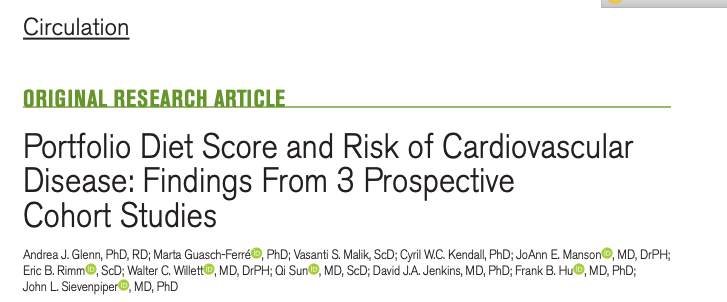
Our new paper is out in @CircAHA today!
We examined the portfolio diet with CVD in the NHS I&II and HPFS cohorts. The diet was associated with a 14% lower risk of CVD, CHD, & stroke.
Paper: https://t.co/QtdceVOIKz
🧵👇
Read about our concerns with the WHO guidelines on non-sugar sweeteners https://t.co/z6czMMY0oF
1) reliance on prospective cohort studies which have serious limitations 2) rigorous substitution and change analyses show benefits of non-sugar sweeteners
Rescue a trial to save animals, people, the planet 🌎🫶🌱🥛
https://t.co/i8itDM3sH9
We are raising support for the STEM (Soy Treatment Evaluation for Metabolic health) trial. Click the link for details!
🌎🌿 Join us for the new @uoftmedicine Environmental Lecture Series.
Over the course of 8 lectures freely open to the public, we hope to encourage dialogue and achieve positive change.
👉 Learn more: https://t.co/LS429QSgs8
🔗 Register: https://t.co/5yCroCNE1v
Check out the newly published STOP Sugars NOW Trial Protocol: a #sugar-sweetened beverage replacement trial with non-nutritive sweetened (diet) beverages or water in healthy overweight adults. Keep an eye out for the upcoming results! https://t.co/fWnxQyyIwx
New research from @UofT shows that adopting a combination of low-risk lifestyle behaviors, including healthy bodyweight, healthy diet, regular exercise, and smoking cessation can lead to 80 percent lower risk of type 2 diabetes #type2diabetesprevention https://t.co/kooVJP6wtp
All three meta-analyses strongly support that NNS is not associated with cardiometabolic harm and can be used as a replacement strategy to reduce risk from intake of empty calories from SSBs #HarmReduction#NNS#LCS#healthylifestyle
Two of our recently published systematic reviews and meta-analyses of both cohort studies https://t.co/C9BUMARUJ6 and RCTs https://t.co/aQlZHkKHOB that used rigorous methods to protect against such bias are in line with the results of this new study focusing on acute trials.