The Battle of Bothwell Bridge — 22nd June 1679
The story of the Covenanters, a period known as Scotland's Second Reformation, is a large part of our tours and something we cover in great detail.
And today marks the anniversary of one of the most tragic and defining moments in Covenanter history: the Battle of Bothwell Bridge, fought on 22nd June 1679.
After their unexpected victory at Drumclog on 1st June, the Covenanters attempted to press forward, but their failure to take Glasgow forced them towards Hamilton. As they marched, their numbers steadily increased. Hundreds joined them, gathering beneath their standards until, by 22nd June, around 3,000 to 4,000 men had assembled at Bothwell Moor.
Yet beneath the appearance of strength there were serious weaknesses. The army was poorly equipped, and most of those who had joined were ordinary country people rather than trained soldiers. Worse still, their leadership was uncertain and divided, with disputes weakening them at the very moment when discipline and unity were most needed.
Against them came the Duke of Monmouth, advancing with a government army of around 15,000 men.
That morning, a party of Covenanters crossed the River Clyde to speak with Monmouth. They found him more moderate than many others might have been, but his terms were clear: they had thirty minutes to lay down their arms before any negotiations would begin.
Back on the Covenanter side of the river, confusion and disagreement still filled the camp. Even so, they chose to resist.
The key to the field was Bothwell Bridge itself. There, David Hackstoun and around 300 men made a determined stand, holding the crossing for several hours against overwhelming odds. Eventually, the pressure became too great, and the bridge was forced.
When the wider Covenanter body tried to prepare for battle, the moment had already passed. Disorder spread quickly. Some of their own horses, startled and uncontrolled, charged into their ranks, turning uncertainty into panic.
Then came the pursuit remembered as the “Death Chase.”
Around 400 Covenanters were slain, though some accounts place the number much higher. Many more prisoners might have been killed had Monmouth not ordered his men to stop the slaughter. About 1,200 captives were taken, stripped, and commanded to lie flat in the field. None dared raise their heads, fearing the thrust of a sword.
Monmouth would later be sharply criticised for the mercy he showed that day.
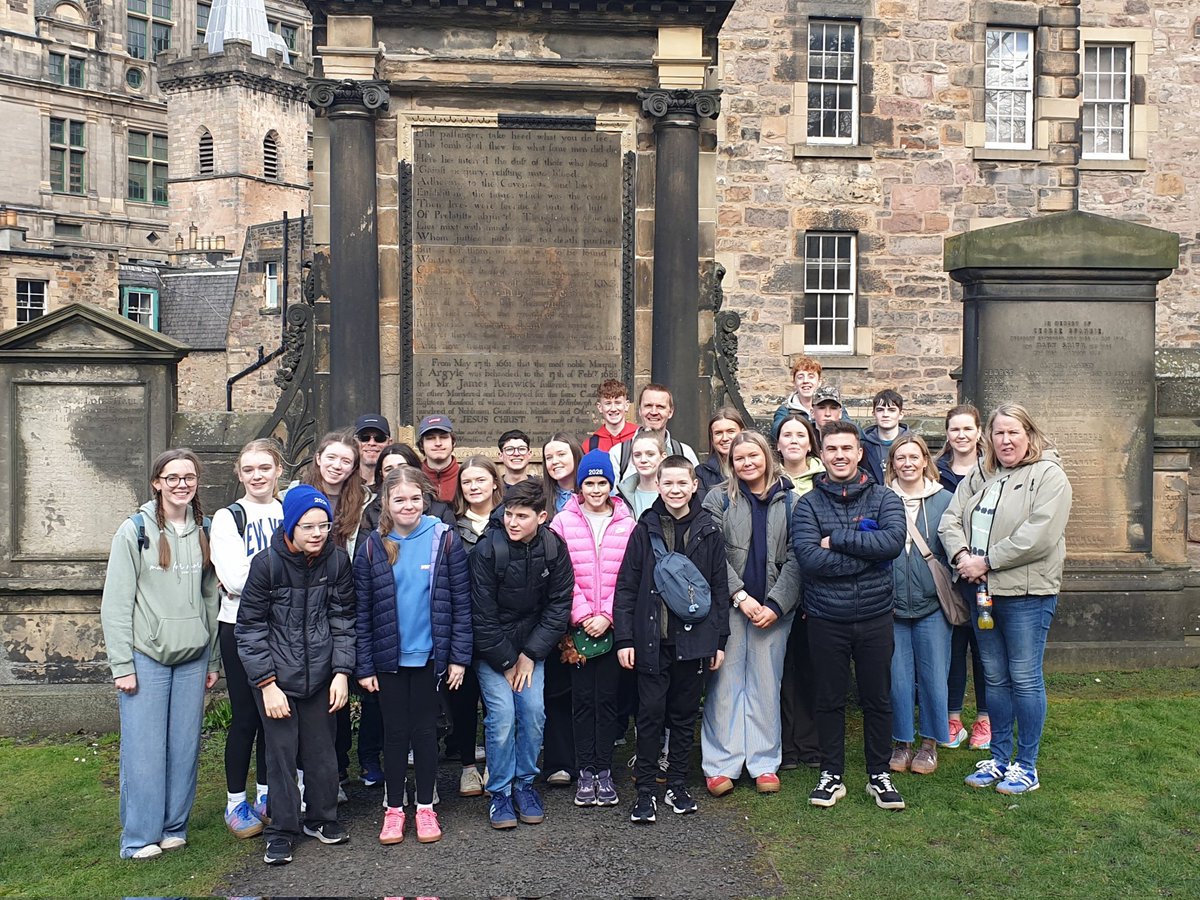
The prisoners were then marched to Edinburgh, where they were confined in Greyfriars Kirkyard.
The Battle of Bothwell Bridge was a devastating defeat. What had begun with hope after Drumclog ended in bloodshed, captivity, and suffering. Yet the courage of those who stood at the bridge, and the witness of those who endured what followed, remains part of Scotland’s Covenanter story to this day.
Today is the anniversary of a little known event in Scotland's Covenanter history. The Battle of the Gallowgate — 2nd June 1679.
The day after his humiliating defeat at Drumclog, Graham of Claverhouse and his weary troops fled westward to Glasgow. He had hoped to find support within the town, but the people of Glasgow made it plain that he and his men were not welcome there.
Knowing that the Covenanters would not be far behind, Claverhouse prepared for their arrival. His soldiers threw up barricades around the town cross at the foot of the High Street, turning the heart of Glasgow into a defended stronghold.
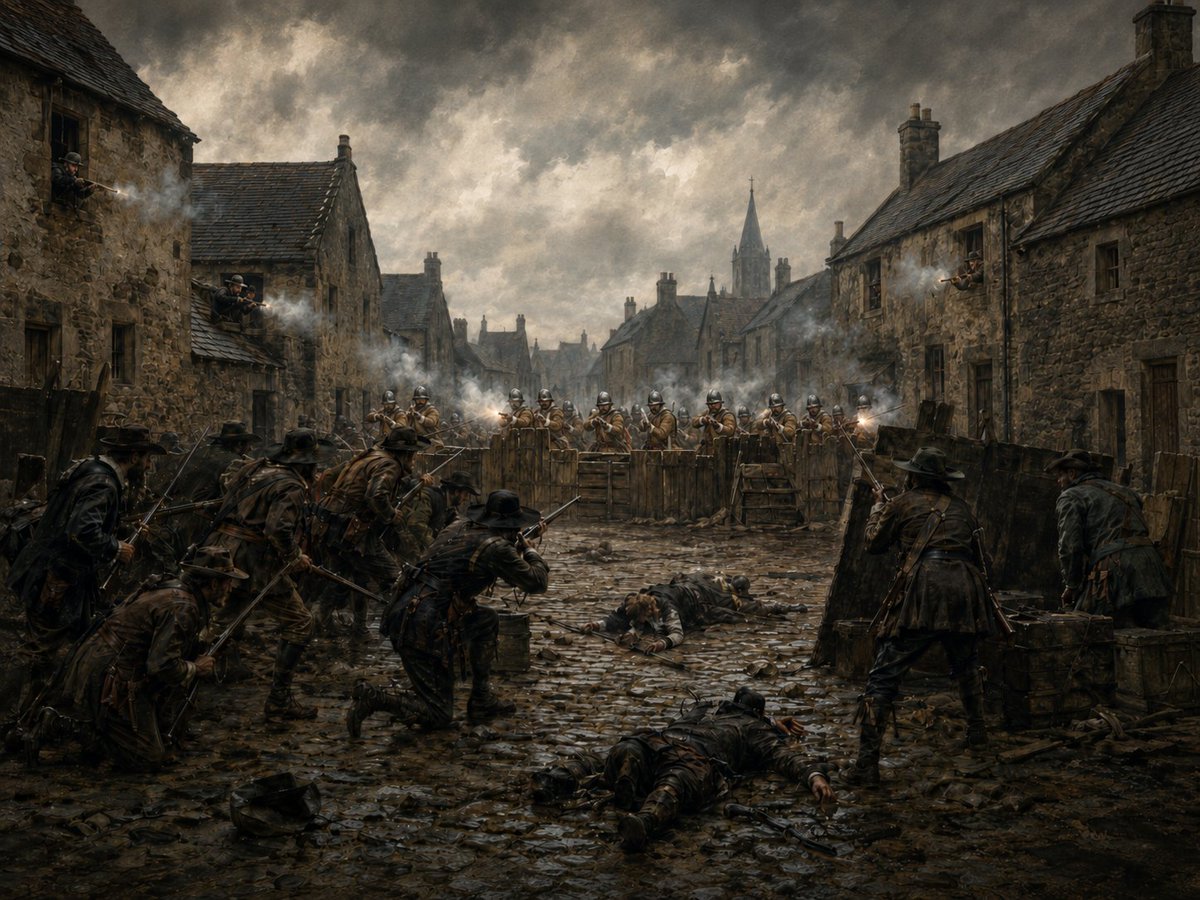
On the morning of 2nd June 1679, the Covenanters, under the command of Robert Hamilton, advanced along the Gallowgate towards the town cross. But as they drew near, they were met with a deadly volley of gunfire from behind the barricades. Shots also rang out from windows, closes, and houses nearby, where soldiers had concealed themselves. Several Covenanters fell in the street.
The Covenanters attempted to divide their forces. Some tried to approach the barricades from the direction of the old College, but they were driven back. Others returned fire from the Gallowgate, yet the government troops held their position firmly behind their defences.
Realising they could not force their way through, the Covenanters withdrew beyond the old Gallowgate Port. It may have looked like retreat, but it was likely an attempt to draw Claverhouse’s men out from behind their barricades. For a moment, it worked. The soldiers pursued them, but when the Covenanters suddenly turned to face them, the troops quickly fell back to the safety of their defences.
The fighting was over. Unable to take the town, the Covenanters withdrew and returned towards the fields near Bothwell Bridge.
Claverhouse ordered that the bodies of the slain Covenanters be left lying in the street, exposed and unburied. Some of the women of Glasgow bravely tried to recover them for burial, but they were stopped by the soldiers.
Eventually, the bodies were taken to the Trades House Hospital, and only later were they permitted to be buried near the Cathedral.
Claverhouse was furious with Glasgow. In his eyes, the town had shown sympathy to the Covenanters and had refused to support him. So great was his anger that he asked the Duke of Monmouth for permission to burn Glasgow to the ground.
Thankfully, that request was refused.
But Glasgow did not escape untouched. Claverhouse allowed his soldiers to plunder the town, and they did so with little restraint.
It has been another wonderfully busy few days here at Scottish Reformation Tours, as we continue welcoming guests on private tours across Scotland.
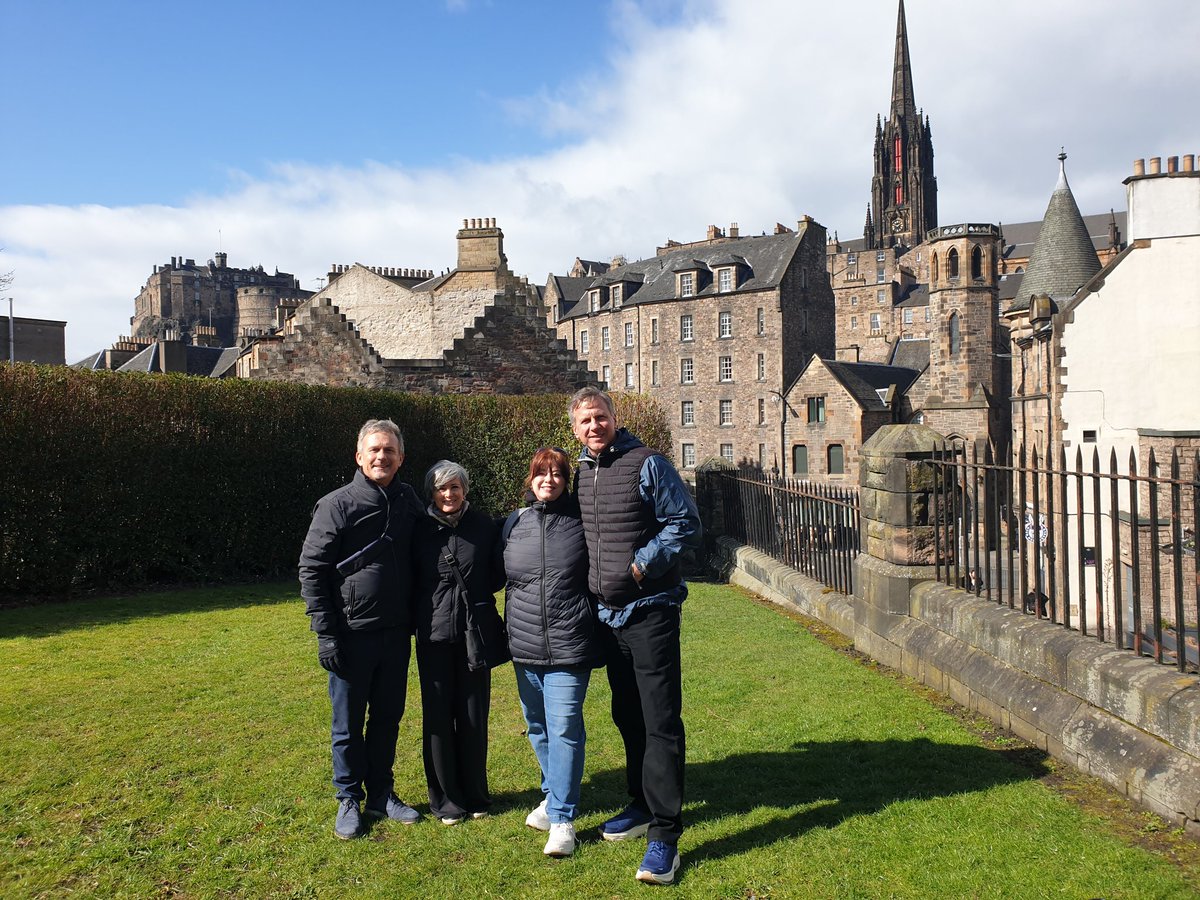
This week we had the pleasure of guiding a lovely family from Florida, along with an equally lovely couple from Washington DC, as they explored the rich Reformation and Covenanter history of Edinburgh with us.
Over the last couple of days, we have walked through the capital’s historic streets, visiting many of the powerful and often overlooked sites connected to Scotland’s Protestant heritage.
We even met a lovely family in Greyfriars Kirkyard who had hoped to book a tour with us, but sadly we were already fully booked for their dates. Of course, we still made sure they did not miss some of the key highlights in the Kirkyard!
It was a kind reminder that our tours are very popular, and dates can fill up well in advance.
So, if you are thinking of joining us for a tour, please do get in touch as early as possible to secure your preferred dates and avoid disappointment.
Come and discover Scotland’s Reformation story with us.
Scottish Reformation Tours
https://t.co/KqexXVM2xR�
Christ Centred, Christian Led, Custom Tours.
Today Edinburgh was bathed in sunshine as we had the pleasure of guiding a group of gentlemen from the City of Edinburgh Campsie Club, ABOD, on a Reformation and Covenanter tour through the historic Old Town.
Together we walked the very streets where some of the most significant events in Scotland’s Protestant history unfolded. From well-known landmarks to places often passed by unnoticed, we explored a period of our nation’s story that is vitally important and far too often overlooked.
Would your organisation like to discover more about Scotland’s Protestant past?
We would be delighted to arrange a memorable and meaningful tour for you.
Get in touch to book or find out more:
Scottish Reformation Tours
https://t.co/KqexXVM2xR
Christ Centred, Christian Led, Custom Tours.
This morning our group enjoyed their devotions at Drumclog, a place where the Covenanters gathered for open air worship, and where they gained a victory over government troops sent to disperse and persecute them.
Yesterday, our tour group spent a wonderful day exploring historic Edinburgh, and we were delighted to be joined by three lovely young women from the Netherlands.
As we walked through the Old Town, we visited many important sites connected with Scotland’s Reformation and the Covenanters.
Today, our journey took us south to the beautiful Dumfries and Galloway region, an area rich with Covenanter history and deeply moving stories.
One of the most poignant stops was Wigtown, where we reflected on the heartbreaking account of the Two Margarets — Margaret McLachlan, around 60 years old, and Margaret Wilson, just 18 — who were drowned in the Solway for their faith in 1685.
Would you like to visit these historic locations for yourself and hear the powerful stories of Scotland’s faithful martyrs?
Join us on a truly memorable tour — an experience many of our guests have described as life-changing.
Find out more or get in touch at:
https://t.co/KqexXVMAnp
Scottish Reformation Tours
Christ Centred | Christian Led | Custom Tours
We said farewell on Friday to the lovely folks who joined us for our May Open Tour — and what a wonderful week it was.
Across Scotland, we enjoyed rich fellowship, meaningful conversation, and the unforgettable story of Scotland’s Reformation as we visited the places where so much of that history unfolded.
But there’s no rest here at Scottish Reformation Tours!
As we say goodbye to new friends, we are delighted to welcome another enthusiastic group this week — seminary students and their families from the Reformed Presbyterian Church of Canada’s Seminary.
Today we had a fantastic day exploring Stirling and Glasgow, tracing the footsteps of Reformers, Covenanters, ministers, martyrs, and ordinary men and women whose faith shaped Scotland’s story.
Tomorrow we head further afield, going deeper into the history of the Scottish Reformation and the Covenanters — visiting hidden places, powerful sites, and stories that still speak today.
Would you like to experience this for yourself?
We still have spaces available on our upcoming Open Tours:
21st–28th July
10th–17th September
Come and join us for a Christ-centred journey through Scotland’s remarkable Reformation history.
Get in touch for more information — we would love to have you with us.
Scottish Reformation Tours
https://t.co/KqexXVM2xR
Christ Centred. Christian Led. Custom Tours.
#reformation #scotland #presbyterian #covenanters
Today marks the anniversary of one of the most haunting and unforgettable martyrdoms in Scotland’s covenanting history: the death of the Two Margarets at Wigtown, on the Solway coast, on 11 May 1685.
In the little town of Wigtown, four female prisoners are especially remembered. There was Margaret Maxwell, a woman in her twenties; Margaret McLauchlane, an elderly woman of around sixty; and two sisters, Margaret Wilson, aged eighteen, and Agnes Wilson, only thirteen.
Margaret Maxwell was accused of the lesser charge of being a Covenanter sympathiser. Yet even that brought brutal punishment. She was flogged through the streets and forced to stand in the jougs — an iron collar, often chained to church walls — for an hour each day over three days. Examples of these cruel instruments can still be seen today at parish churches such as Fenwick, Sorn, and Dunsyre.
Yet Margaret Maxwell did not shrink in shame. When the hangman offered to shorten her time in the jougs, she answered with remarkable dignity:
“Let the clock go on. I am neither wearied nor ashamed.”
The other three women faced more serious accusations. They were charged with attending field conventicles and with connection to the battles of Airds Moss and Bothwell Bridge — charges especially absurd in the case of the Wilson sisters, who would have been only thirteen and eight years old at the time of those events.
Young Agnes Wilson was eventually released after her father travelled all the way to Edinburgh and paid a bond of £100. But her sister Margaret, only eighteen, remained in the prison dungeon at Wigtown alongside the elderly Margaret McLauchlane.
From that dark and dismal place, soldiers led the two Margarets to the banks of the Bladnoch Burn, where it runs into the Solway Firth. The Solway tide was notorious for its terrifying speed, said to rush in faster than a horse could gallop, sometimes rising like a wall of water.
There, two stakes were driven into the sand. Margaret McLauchlane, the older woman, was tied to the stake farther out. Margaret Wilson was tied nearer the bank, forced to watch as the waters reached the elder saint first.
As the cold tide rose around Margaret McLauchlane, young Margaret Wilson was asked:
“What do you think of her now?”
Her answer was full of faith:
“I think I see Christ wrestling there.”
Then she added words that have echoed through the centuries:
“Think ye that we are sufferers? No. It is Christ in us. For He sends no one a warfare on his own charge.”
As the waters gathered around her own body, Margaret began to sing from Psalm 25:
“My sins and faults of youth,
Do Thou, O Lord, forget;
In loving kindness think on me,
And for Thy goodness great.”
When the water covered her head, the soldiers pulled her out, not in mercy, but to tempt her again. They demanded that she do what, in conscience, she could not do: take the oath and pray for the King on their terms.
She replied that she desired the salvation of all and the damnation of none.
Again they thrust her beneath the water. Again they dragged her up, pleading and pressuring her to yield.
“Oh Margaret, say it,” some cried.
With what strength remained, she whispered:
“Lord, give him repentance, forgiveness, and salvation, if it be Thy holy will.”
But this was not enough for her persecutors. Grierson of Lagg, impatient and enraged, pressed the oaths upon her once more. Margaret’s answer was firm:
“No, no. No sinful oaths for me. I am one of Christ’s children. Let me go.”
At that, a soldier struck her on the head with the butt of his weapon and forced her beneath the water until she drowned.
The Two Margarets were later buried in Wigtown Parish Kirkyard, in the part of the churchyard then reserved for criminals.
We’ve been blessed with lots of group tours recently — but don’t forget, you don’t need to be part of a large group to experience one of our tours.
Today, we had the pleasure of welcoming John and Maggie from North Carolina, USA, for their own private Scottish Reformation tour.
Whether you’re travelling as a couple, with friends, or with family, we can create a meaningful, Christ-centred tour just for you.
Come and walk through Scotland’s rich Reformation history with Christian guides who are passionate about the history.
Scottish Reformation Tours
Christ Centred. Christian Led. Custom Tours.
https://t.co/KqexXVM2xR
In May, 1685, 167 Covenanters were brought from the south of Scotland to Dunnottar Castle and imprisoned in what became known as the Whigs’ Vault.
Men and women were forced into the cramped, filthy underground cell, with little light, little air, and no real sanitation. They were held in appalling conditions for weeks. Disease spread quickly, and some died in the vault itself.
For those trapped here, the suffering became so desperate that 25 prisoners attempted an almost unimaginable escape, trying to climb down the sheer cliffs below the castle. Two lost their lives in the attempt, and many others were caught and tortured.
In late July the survivors had to endure another brutal march south again. In September 1685, were put aboard the ship Henry and Francis for transportation to East Jersey in America. Even then, their ordeal was not over. The voyage was deadly, and many died before the survivors finally reached the other side of the Atlantic.
Dunnottar is a place of dramatic beauty, with an extremely sad history.
#scotland #covenanters #reformation #presbyterian
This morning we visited historic Dunnottar Castle to learn about the Covenanters who were imprisoned there in 1685.
The sun was shining and it was a beautiful day, but a very sad place. Now off to Old Aberdeen to talk about Samuel Rutherford's exile there.
Two amazing days completed on our 8 day tour of Scotland in collaboration with SermonAudio and MacDonalds Hotels. Lots more still to come.
This tour sold out fast, but there is still a small amount of tickets left for the October tour.
We would love to have you join us.
Get more info below.
https://t.co/GR1IPKQqTR
#scotland #reformation #churchhistory #presbyterian #covenanters
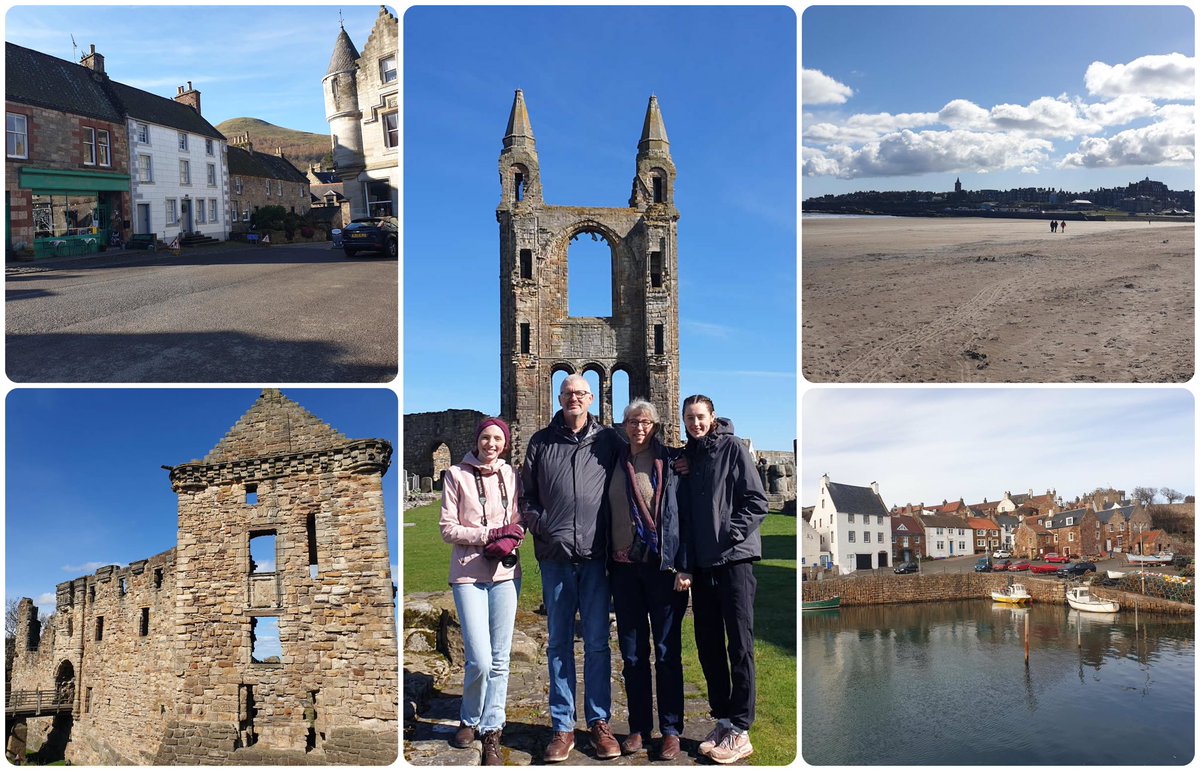
It was a beautiful day to be out touring today. We visited many Reformation and Covenanter sites in the St Andrews and Fife area on day 1 of a private family tour with the Spear family from Pittsburgh, U.S.A.
Why not arrange your own family tour? We have everything from half days to two weeks and can take you across all of Scotland and the rest of the U.K. We can also take care of your accommodation, transport once here, and all entry fees and meals.
Get in touch for more information at https://t.co/KqexXVM2xR
Scottish Reformation Tours.
Christ Centred, Christian Led, Custom Tours.
#Covenanters #Protestantism #Reformation #christianity #Scottish #history #scottishhistory
We had more amazing young people out touring with us today, this time from Ballymoney Baptist youth group, Northern Ireland.
We covered 160 years of reformation history, visiting several locations.
We love sharing this important history with the next generation and its great to see them take a keen interest in it.
Why not arrange one for your church youth group or youth organisation?
Scottish Reformation Tours.
Christ Centred, Christian Led, Custom Tours.
https://t.co/KqexXVM2xR
#scotland #reformation #johnknox #covenanters #scottish
We were out and about in Edinburgh today with two lovely couples from Texas and Tennessee.
Some previous satisfied clients kindly recommended our services to them, something that happens a lot!
We visited many reformation locations around the city in the morning, before touring the castle after lunch.
Slots are booking up fast for our tours, so please get in touch with us as soon as you can if you plan on using us.
Scottish Reformation tours
Christ Centred ,Christian Led, Custom Tours.
https://t.co/KqexXVMAnp
Another great Reformation tour of Lanarkshire and Ayrshire today with our church group.
Today we visited lots of sites connected to the Covenanters. Battlefields, open air worship sites, martyr locations...etc.
Everyone really enjoyed their tour and it was great to see the young children learn more and take a keen interest in this important history.
Why not book a tour for your church or organisation?
Scottish Reformation Tours.
Christ Centred, Christian Led, Custom Tours.
https://t.co/KqexXVM2xR
In March 1639 the Covenanters were busy securing castles for defence against the king. They blew open the gate of Edinburgh castle and stormed inside, but with Dumbarton Castle they had to adopt a different approach.
Perched on a volcanic rock overlooking the Firth of Clyde, Dumabarton Castle is a formidable fortress and one that the Covenanters knew they needed to capture to prevent the king landing reinforcements from Ireland.
But they were not going to take it by siege or bombardment, but by daring and design. They knew how defended it was and they were determined to take it without wasting lives in a bloody assault.
So, on the last Sunday of March 1639, the castle’s captain, Sir John Stewart, 1st Earl of Traquair, a devout and loyal servant of the king, went out to hear worship at a nearby church, suspecting no danger. But the Covenanters had laid their plan. They captured him swiftly, stripped him of his clothes, and dressed another man of similar build in them. Then, under threat of death, Stewart was forced to give the watchword that would gain them entry to the castle.
That night they approached the castle in silence, the disguised man at their head clothed in the captain’s garments. The sentries upon the walls saw forms returning through the dark and thought nothing of it, recognising the clothes and familiar shape of their own captain.
The disguised man cried out the watchword into the dark, and from within there came no challenge. The gates, trusting in what they thought they knew, were opened.
In an instant the Covenanters were through, pouring into the fortress before the garrison could grasp the trick. They had come in greater strength than the defenders could resist, and Dumbarton was theirs. Captured by cunning not cannon.
Now that wasn't the end of the story, the castle would be lost again before another capture by the Covenanters. Years later during the persecution of the Covenanters under Charles II, Dumbarton would be used as a prison for them.
Margaret Gracie was a compassionate and courageous young woman who devoted herself wholeheartedly to supporting her fellow Covenanters. Despite the constant danger, she repeatedly carried food and other necessities to those forced to hide on the moors and among the thickets. Each journey put her life at risk, and on many occasions she narrowly escaped capture by government troops.
Margaret lived at Marmollach in the parish of Tynron, in Nithsdale. A young man from her area wished to marry her, but Margaret did not return his feelings. When she refused his proposal, his wounded pride turned to bitterness. Seeking revenge, he reported to the authorities that Margaret’s family sympathised with the Covenanters and that Margaret herself was supplying them with food and provisions. He later came to regret what he had done and begged for her forgiveness, which she graciously gave. Yet by then the harm had already been done, and soon her family found themselves under the scrutiny of the troops.
Even so, Margaret refused to abandon her work. She continued to bring aid to those who suffered for their faith. On one occasion, she was captured at a conventicle along with several others. While they were being taken to Drumlanrig, however, a group of armed Covenanters intervened and rescued them, securing Margaret’s freedom. After this, the harassment of her family grew even more severe. When soldiers approached their home, they were often forced to flee into the cold darkness of night. Still, Margaret remained steadfast in her service to the persecuted.
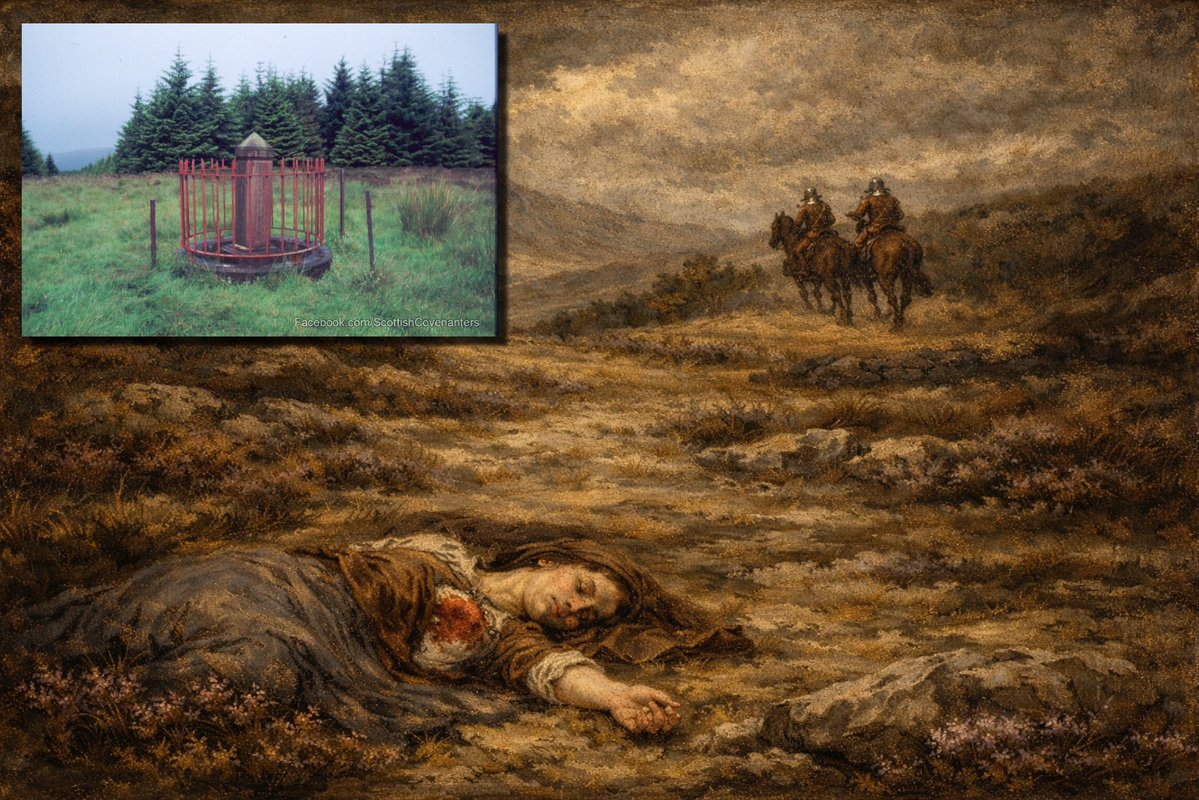
Her final moments came while attending a conventicle at a place known as the Whig’s Hole on nearby Altry Hill. The gathering was suddenly attacked by government troops, and the worshippers scattered in panic as they were pursued. Shots were fired, and Margaret was struck and killed. Another man, George Allan, also lost his life. Later, their fellow Covenanters buried both of them.
Although it was long known throughout the district that these two martyrs lay buried there, their graves were left unattended until 1857, when local shepherds took the initiative to honour their memory. A small committee was formed, and it was arranged for the Rev. Peter Carmichael, then of Scaurbridge, Penpont, to preach at the site. He delivered a powerful sermon on the words, “Of whom the world was not worthy,” and around 1,500 people gathered to hear him. A generous collection was taken, enabling the committee to erect a modest monument on the place where Margaret Gracie and George Allan had fallen. The memorial, bearing an inscription, consisted of a square column about five feet high, set into a large stone base and enclosed by a neat iron railing.
The wording on it reads:
IN MEMORY OF
GEORGE ALLAN AND
MARGARET GRACIE WHO
FOLLOWED CHRIST TO MARTYRDOM
OF WHOM THE WORLD WAS NOT WORTHY Heb. XI.38
Erected by the proceeds of a Sermon preached here
by the Rev. Peter Carmichael Scarbridge, Penpont
on 2nd Sabbath of July 1857.
Ye ministering spirits who are hovering over
Guarding the dust neath its mossy cover
We raise not this stone to relieve your cares
Or discharge you from keeping your vigils here.
When all that are in the graves
Shall hear his voice and shall come forth
It is expected that this spot
Shall yield up their dust.
Watch, till the trumpet peal aloud
Watch, till the Judge appear with the cloud;
Then guide your charge to the gathering throng
When the judgement is set to avenge their wrong.
Did you know that on this day in 1639, the Covenanters pulled off what is often described as the most efficient capture in Edinburgh Castle’s history?
Perched high above the city on its volcanic rock, Edinburgh Castle has a reputation as one of the hardest fortresses in Britain to take. Historic Environment Scotland describes it as the most besieged castle in Europe, with records of 23 concerted attempts to capture it across the centuries.
Many of those struggles are famous: the brutal sieges of the Wars of Independence, the long and destructive Lang Siege of 1571–73, and Bonnie Prince Charlie’s failure to take the fortress during the Jacobite Rising of 1745.
Yet one of the most dramatic episodes in the castle’s history is also one of the least talked about: its astonishingly swift capture by the Covenanters in March 1639.
After the signing of the National Covenant in 1638, and knowing conflict was coming, the Covenanters moved quickly in March 1639 to secure key ports, arsenals and strongholds across the country before royal forces could react.
Edinburgh Castle was the biggest prize of them all.
Covenanter commander Alexander Leslie approached the castle under the cover of a parley with the governor. While that conversation held attention at the gate, Leslie’s men fixed a petard — an explosive charge — to the entrance. Moments later, the blast tore the front gate apart. Covenanter troops surged through the breach, stormed into the fortress, and secured control of the castle in around 30 minutes, with very little bloodshed.
The capture stands out not just because it was fast, but because it was brilliantly executed: surprise, deception and timing achieved what prolonged bombardment often could not. It was the most efficient capture ever carried out at Edinburgh Castle.
#Scotland #Edinburgh #Edinburghcastle #Reformation #Covenanters