All the folks in Vancouver for #EntSoc22, come see Matthew Barrett's talk "Eavesdropping on host-specific signals: Investigating how Acalymma vittatum colonization influences parasitoid behavior and performance" Wednesday 2:15-2:30 PM in P-IE: Biocontrol - Parasitoids
1/3
And Laura Martinez (@EntoMontinez) talked about "Synthetic pheromone from a generalist predator (Podisus maculiventris) elicits non-consumptive effects on prey and impacts yield of solanaceous crops in upstate New York" (Grad P-IE: Biocontrol 1)
All the folks in Vancouver for #EntSoc22, come see Matthew Barrett's talk "Eavesdropping on host-specific signals: Investigating how Acalymma vittatum colonization influences parasitoid behavior and performance" Wednesday 2:15-2:30 PM in P-IE: Biocontrol - Parasitoids
1/3
We had two more talks of the @ToxicPlantLab that we hope you got to see - Julie David presented her work on "Soil legacy effects on crop disease resistance, pollinator diet quality and pollinator behavior" (Grad P-IE: Behavior, Biocontrol, and IPM)
Postdoc position open at Cornell to develop chemical ecology tools and host plant resistance for pest management in corn and other northeastern crops. See description at: https://t.co/HjMwGK9zGB. Please apply and retweet! @NYSIPM
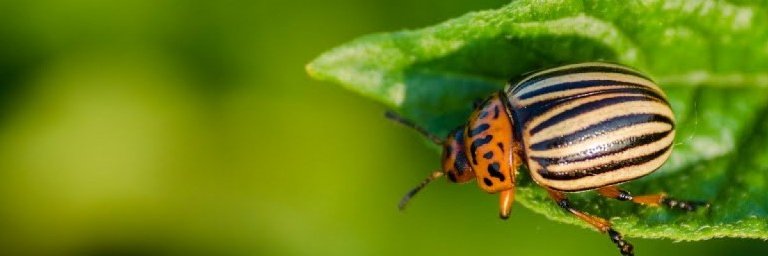
How do parental effects in a beetle shape the evolution of prey responses to predators? Find out in our new hot off the press @AmNat article! https://t.co/7riZDKCxTQ.
Fun collaboration @ToxicPlantLab & @anuragasclepias
📣📢🗣️Calling all Predator-Prey Chemical Ecologists!!! The Journal of Chemical Ecology is soliciting papers for a special focus issue on The Chemical Ecology of Predator-Prey Interactions!! Consider submitting relevant work!
more info: https://t.co/NjxBSLF4zx
@Travis_Statham Bitterness doesn't mean something is definitely bad for us, but many poisons are very bitter. When we are young we are very sensitive to bitter and err on the side of caution by avoiding most bitter things even if some are good for us (eg broccoli).
@Travis_Statham I will leave the explanations of the testing process and when/how breeders look at the effects on people to experts in that field though.
@Travis_Statham There are many breeding programs that produce more insect or disease resistant crops. The effect is on insects depends on the crop, and the insect. Cultivars developed by breeding don't undergo the same testing as GMOs or chemical pesticides.
@Travis_Statham Yes! In many cases, human domestication of crop plants results in bigger, tastier fruits/veggies and lower levels of toxins and resistance traits. Many of the toxins taste very bitter and gross to humans so we select plants that taste less bitter.
@Travis_Statham It really depends on the goals of the research. Thoughtful and respectful ethnographic research, and first hand accounts from and collaborations with native peoples can lead to very interesting avenues of research!
@Travis_Statham Most potato tubers are safe to eat. Boiling doesn't do much. You have to cook them above 210c to reduce solanine noticeably. Peeling also works. Definitely don't eat green potatoes or potato leaves though!
@Travis_Statham Insects can use plants for medicine too. Bumblebees that have a stomach infection (crithidia) will drink toxic nectar and eat toxic pollen to clear out the infection.
@Travis_Statham Foxglove is full of digoxin, a cardiac glycoside. It's incredibly potent and widely avoided by insects. However, we humans use tiny amounts of digoxin to help with heart problems. Sometimes the dose makes the poison, and we can carefully control the dose.
@Travis_Statham Insects and humans are very different. For instance we have an acidic stomach, while many caterpillars have an alkaline gut. Bt toxins are only harmful when in an alkaline environment, so they dont hurt us but do kill insects. Bt is made by soil bacteria, but is used on plants.
@Travis_Statham How do I pick? Plenty of nasty plant toxins that evolved to deter herbivores and pathogens taste really yummy! Allyl isothiocyanate repels insects, yet humans love the sensation it creates when they eat wasabi and horseradish!