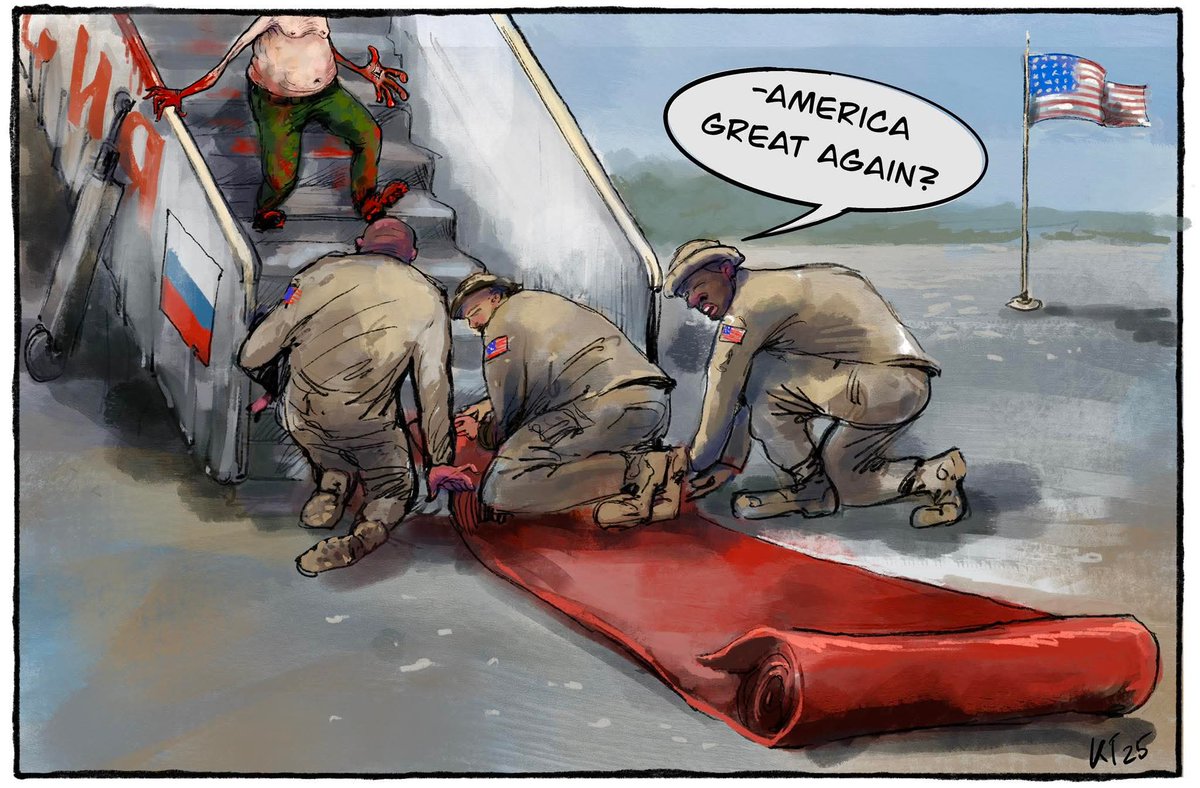
Just look at this. These monstrosities do not care who to kill.
Ukraine desperately needs air defenses to save the lives of its people and children from absolutely ruthless russian terroristic attacks.
#RussiaIsATerroristState
Мужик буде сидіти, бо зробив самопал, щоб захищати своє село від русні.
В той час, корупціонери та зрадники по типу Бойка та Труханова сидять спокійно на посадах мерів та дупутатів ВР.
Такі суди повинні проходити з присяжними, щоб закон не протирічив нормам соціальної моралі.
It’s time to make Russia pay.
Let’s rid ourselves of this anxious paralysis and use these frozen Russian assets to help fund Ukraine.
https://t.co/MYMzOesd84
Every bull market, I get messaged by an increasing number of aspiring traders. Here's the reality - "professional" trading is a job. It's about monetizing some structural advantage (like low latency infrastructure, a customer base with sell side flow, or low cost of capital for arbitrage). And like with any job, you probably won't do it well without a full professional set of training and tools and experience. You wouldn't try to compete against the world's best tennis player or neurosurgeon with little training and subpar equipment. In practice that means...you shouldn't try to compete at tennis, nor neurosurgery, nor trading unless you're really a professional with commensurate resources. A lot of people run their $100 up to $10,000 and think they're geniuses. 99.5% of these people will fail as traders long-term. That's trading (which is based on concrete advantages in a zero sum game). So....my general advice is...don't trade. Investing is different, since you can be betting on general growth, adoption, or even just that your analysis is on par with pros (which is quite reasonable, analysis typically requires far less equipment, capital, etc, to compete on.) When should the non-pro "trade"? I think there's a few rare spots when you have a predictable advantage over the market. When the entire market is euphoric or depressed, the pros can't make it 'efficient', since they're mostly pricing assets against one another. Even more so - the pros are often the ones getting liquidated in extreme market events since they're warehousing risk and market making. So when you get a two standard deviation sell-off that every smart investor wants to buy, that's often caused or exacerbated by wall st getting liquidated for example, since they have to be in the market and trying to capture the small inefficiencies. When the really big moves hit they often take big losses, and you as a 'passive' participant can then take the other side. In tradfi, that generally meant doing a trade every 3-10 years depending on how many asset classes you're looking at. In Crypto, maybe a trade every 1-3 years, basically just selling bubbles and buying bear market depths. And no, you won't time either well, but if all you do is sell when there's real exuberance and euphoria and a market that's technically massively overextended, and all you do is buy when those same assets are hated and leverage has been liquidated, you'll likely outperform "buy and hold." I'll end by explaining why "easy" crypto trading isn't quite as easy as it looks. You yourself or your friends may have made 100% returns yield farming, or a 20x speculating on some memecoin on an offshore exchange. And it seemed obvious and easy. But you hear a bit less often about all the people who did the same, then lost those funds to hackers or criminal exchange operators, or lost their funds due to a crypto operational or human error, etc etc. Worth noting that many of the perceived best traders of last cycle (includign the pros) blew up their funds and PAs. Trading is harder than it looks, people share their successes a lot more frequently than their losses.