Empower Your Trading Journey: From Crypto Options to US Stock Options Mastery
We offer a comprehensive, free educational program that guides you from the basics of cryptocurrency options to mastering US stock options trading. Whether you're a complete beginner or an experienced trader, you'll find valuable resources tailored to your level.
* Our website [https://t.co/fAJ5mlnNou] provides in-depth guides on essential trading concepts and strategies, laying a solid foundation for your success. (Currently under construction)
* Join our Telegram group [https://t.co/gasYgYzTFz] for daily Bitcoin market analysis and stay ahead of the curve.
* Register through my Bybit referral link [https://t.co/cAOrkxDxXJ], complete KYC, and deposit 100 USDT to gain exclusive access to our learning community, where you can connect and grow with fellow traders.
Don't miss out on this opportunity! Take the first step towards mastering options trading today!
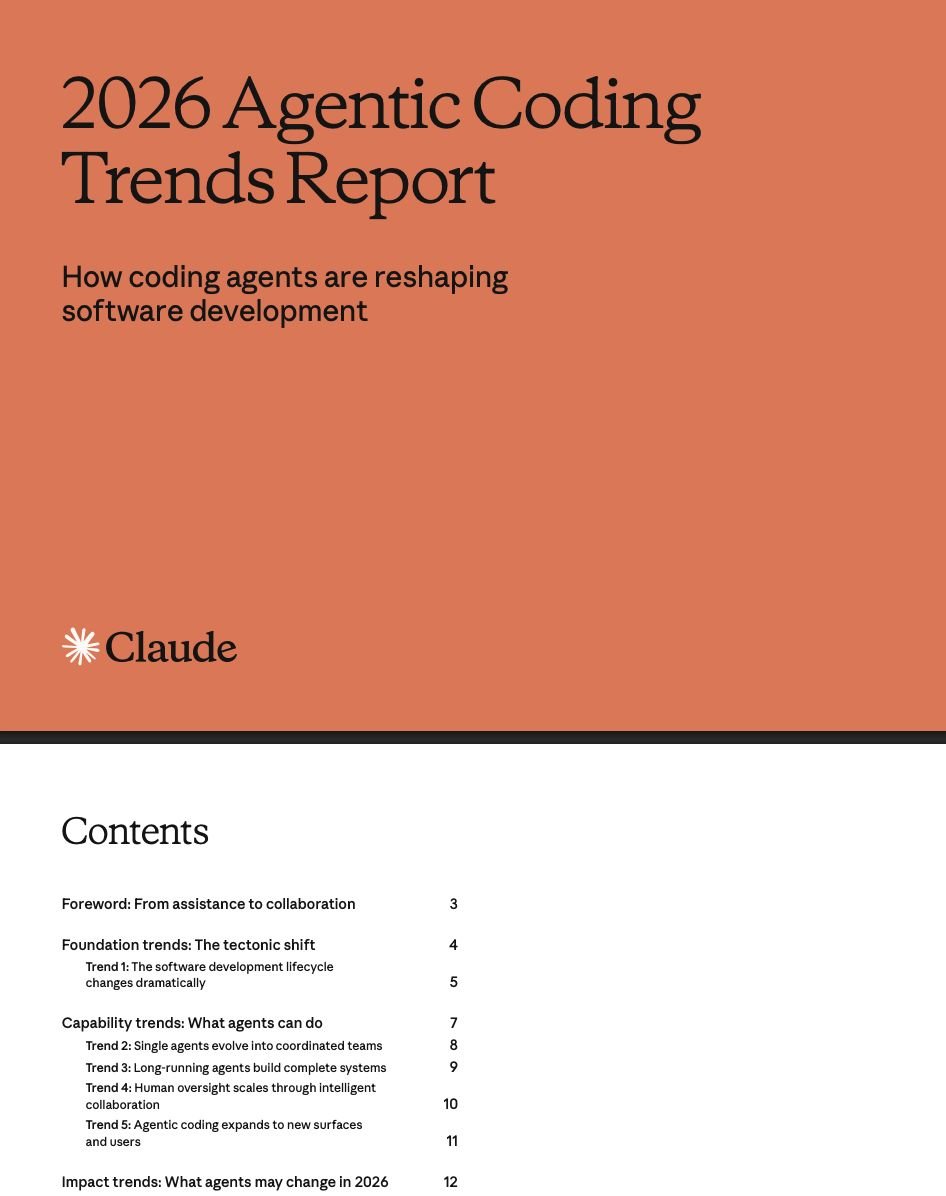
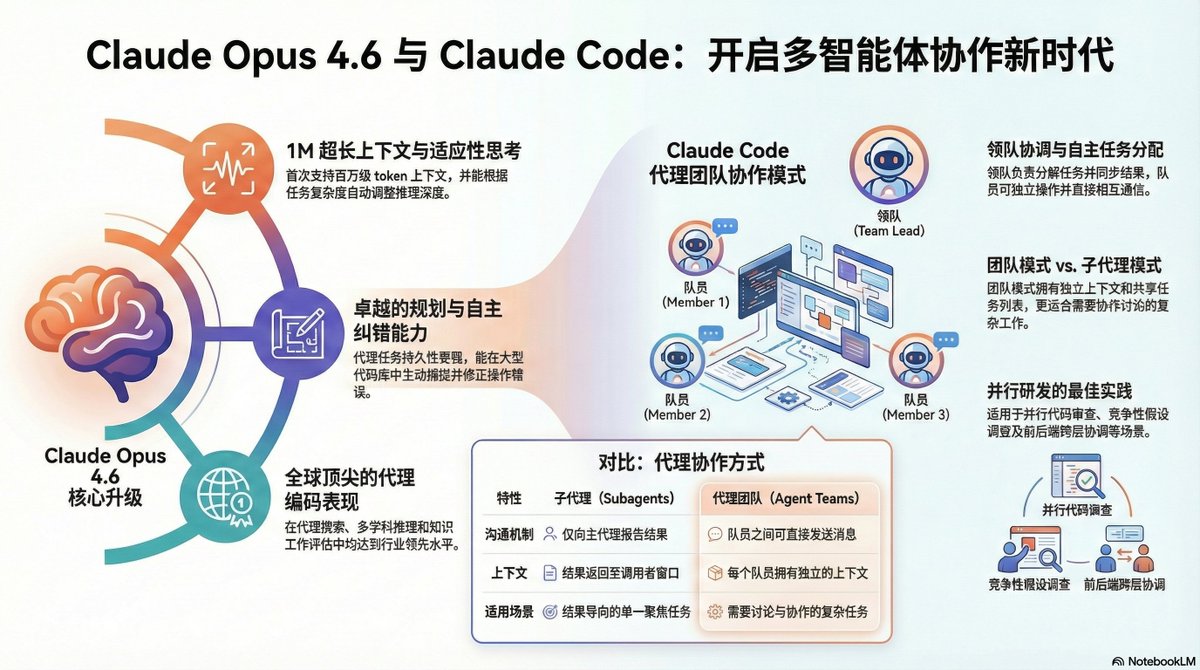
🚨 @AnthropicAI just released their 2026 Agentic Coding Trends
Verdict → Everyone has become a developer.
We moved from single assistants to autonomous agent swarms.
They now form teams, work days on full systems, and let non-techies ship full apps 💥
18-page report in 🧵↓
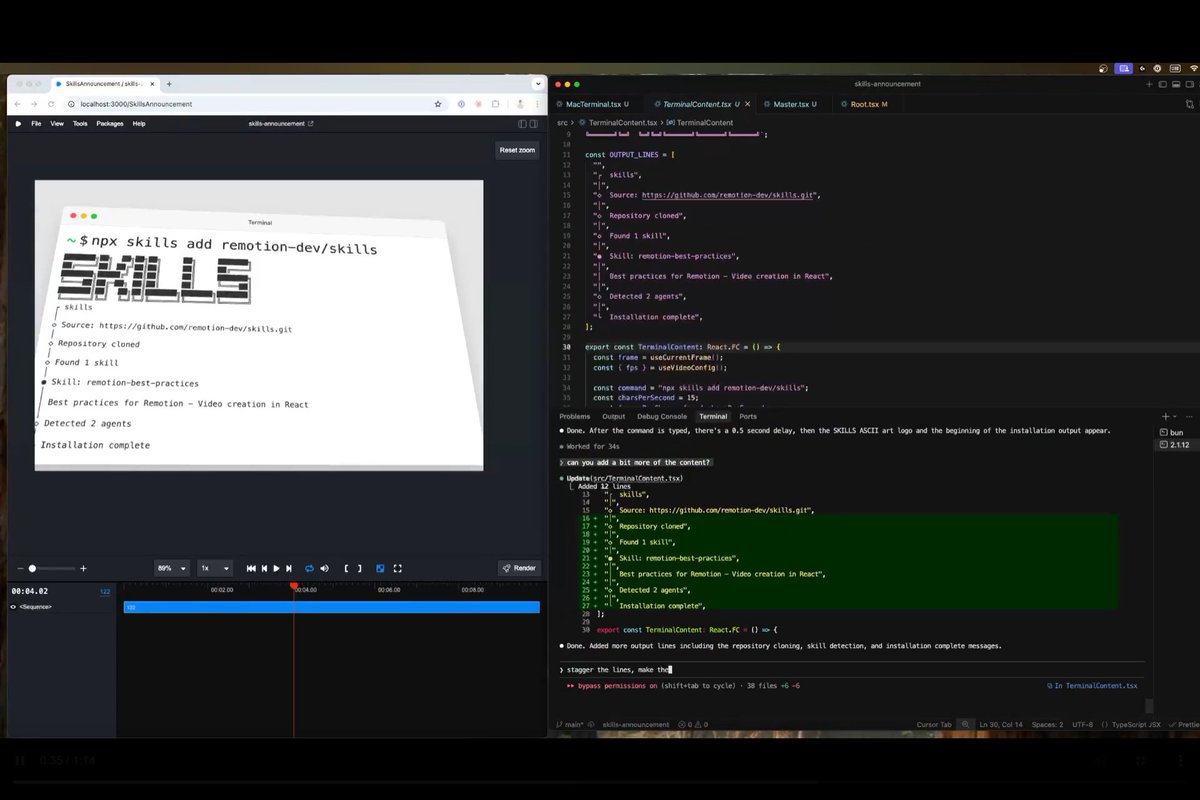
Excited to launch Pencil
INFINITE DESIGN CANVAS for Claude Code
> Superfast WebGL canvas, fully editable, running parallel design agents
> Runs locally with Claude Code → turn designs into code
> Design files live in your git repo → Open json-based .pen format
I'm Boris and I created Claude Code. Lots of people have asked how I use Claude Code, so I wanted to show off my setup a bit.
My setup might be surprisingly vanilla! Claude Code works great out of the box, so I personally don't customize it much. There is no one correct way to use Claude Code: we intentionally build it in a way that you can use it, customize it, and hack it however you like. Each person on the Claude Code team uses it very differently.
So, here goes.
🚨 Prompt engineering is quietly dying. And this paper explains why.
For years, we’ve treated AI like a stubborn machine that only works if you phrase things just right. Rewrite the prompt. Add constraints. Stack instructions. Hope it behaves.
This research paper flips that entire mindset.
“Prompt Less, Smile More” argues that the real bottleneck isn’t prompts at all. It’s meaning.
The paper introduces MTP (Meaning–Task–Process) and Semantic Engineering as a replacement for traditional prompt engineering.
The idea is uncomfortable but simple:
Instead of telling models how to respond, we should help them understand what the task actually is.
Here’s the core insight.
Most prompts fail not because they’re badly written, but because they mix three different things into one messy instruction:
• What the user actually means
• What task needs to be performed
• How the model should execute it
LLMs then guess.
Sometimes correctly.
Often confidently wrong.
MTP separates these layers.
First, the system infers meaning: The user’s intent, assumptions, and latent goals.
Then it maps that meaning to a task abstraction: Classify, compare, plan, generate, evaluate.
Only after that does it choose a process to execute the task.
No clever wording required.
The paper shows that when models operate on semantic representations instead of raw prompts, performance becomes:
• More stable across rephrasings
• Less sensitive to verbosity or tone
• Easier to scale across domains
This explains why two users can ask the “same” question today and get wildly different answers.
The model isn’t optimizing for intent. It’s optimizing tokens.
Semantic Engineering fixes this by moving intelligence before generation.
One example from the paper is especially revealing:
Prompt-heavy systems collapse when instructions conflict or grow long.
Semantic systems don’t, because they resolve meaning first, then act.
The implication is massive.
The future isn’t better prompts.
It’s systems that don’t need prompts at all.
Instead of prompt libraries, we’ll build semantic layers.
Instead of prompt engineers, we’ll need meaning engineers.
Instead of arguing over wording, AI will finally meet users halfway.
Prompt less.
Smile more.
This paper isn’t hype. It’s a warning shot.