Why say "not for long"? why not just plain, no, b/c as anybody who commutes into Boston can tell you, Boston is not functioning w the car as the principal means of commuting. we can do so much better. @clf@T4MASS@StreetsblogMASS
@SuresSalla@PRTGURU@skyTran Our proposal for a 21 mile Phase 1 for San Jose (https://t.co/MRe51csUUm) and a 442 mile podway network to make a green and car-free San Jose (https://t.co/dk00f0Vnxz)
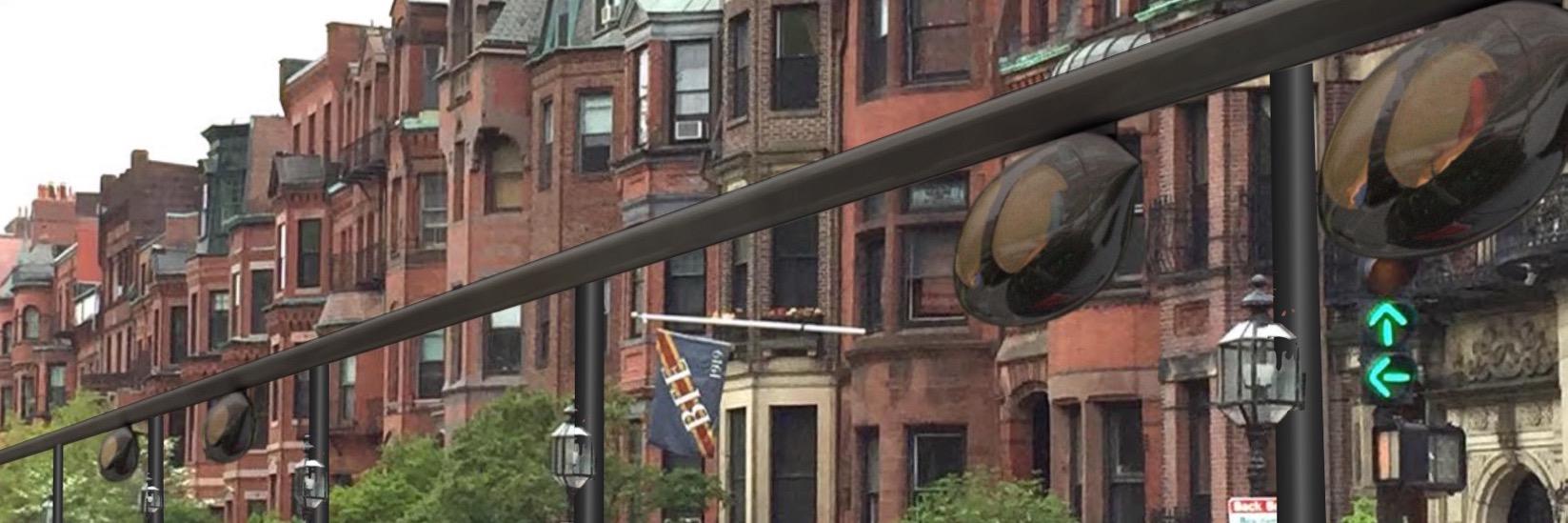
@JimAloisi Sure, why don’t we ignore and not even evaluate a privately-financed sustainable, resilient, micro-rail network that eliminates congestion — without government financing. @TransitXCorp
@cqholt @ATLairport@MARTASERVICE The goal is to provide great public transit to those that are not served by MARTA. Many people in the Atlanta area suffer from traffic congestion.
@JimAloisi The cost and weight of the fixed infrastructure along with the vehicles (pods) is less costly and less weight than just the cars on the roads. Less weight is less cost. Compare $7M per mile vs $200M+ for light rail. It never needs government money.
@JimAloisi Let’s get a high capacity, flexible, public transit system that can scale to accommodate events like these. Also, it is entirely privately financed and solar powered. https://t.co/yFQkZLpHq0
The City of @DunwoodyGA will be discussing @TransitXCorp options for last mile connectivity for Perimeter Center at city retreat. @DunwoodyChamber @gacities https://t.co/9iimEC0yfY
@sethkroll @ofsevit@CambMA Governments don’t have a monopoly on planning for the public good. Transit X will be a public benefit company and aim to benefit society. Happy Public Transit!
@TH4NKS1@Timmymurph @CFreiss_boston @ofsevit@CambMA Private transportation now uses roads which are publicly funded. With Transit X, both the fixed infrastructure as well as the vehicles (pods) can be privately funded and pay the government for the use of public right-of-way.