Join us in conversation with José Renato Laranjeira de Pereira(Co-founder), Laboratory of Public Policy and the Internet; Devyani Pande(Assistant Professor of Public Policy), National Law School of India University and Adil Boughlala(Sustainable AI Researcher), Inclusive AI Lab.
While informal settlers, Indigenous communities, and experts are often present in discussions, they rarely shape final decisions. This leaves experiential and ancestral knowledge out of the solutions that need it most.
By centering local knowledge and sectoral insights, the inventory lays the foundation for people-led climate action in mid-sized Indian cities.
📘 Read the full report and explore the pathway to a net-zero Kolhapur here: https://t.co/ZU6cDIl312
Developed under the People’s Urban Living Lab (PULL) initiative, this report provides a robust evidence base to guide policymakers, practitioners, and communities in shaping Kolhapur’s transition toward a low-carbon and resilient future.
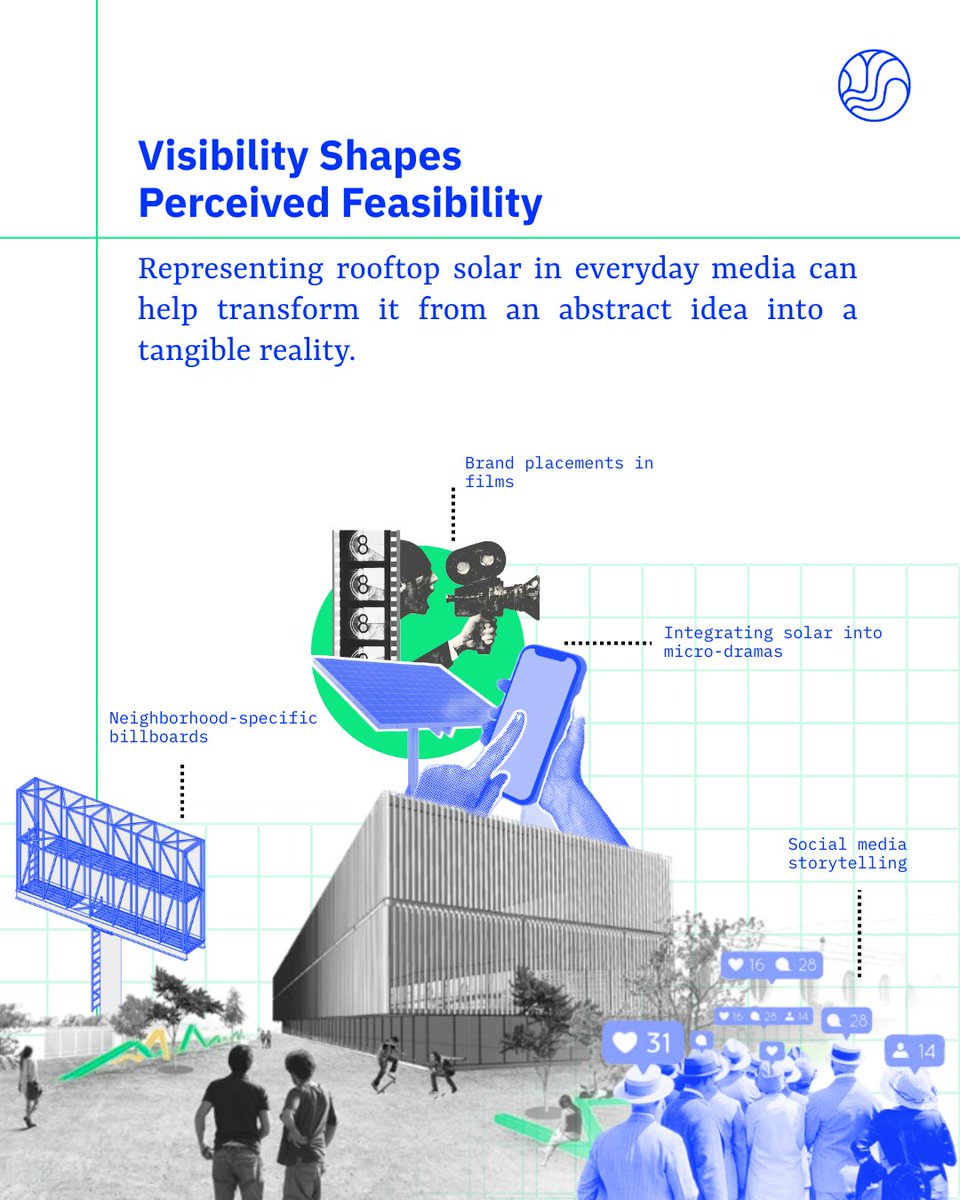
"There was a time when dish TV antennas became a fixture across rooftops across India. While rooftop solar panels have not yet reached that point, they hold significant potential.
What people see around them begins to feel possible. If rooftop solar is to scale, it must move from being an exception to something people encounter in everyday life across media, neighbourhoods, and social conversations.
Because what gets measured gets managed. And right now, the field needs better tools, simpler reporting mechanisms, and more voices from the Global South shaping how impact gets defined.
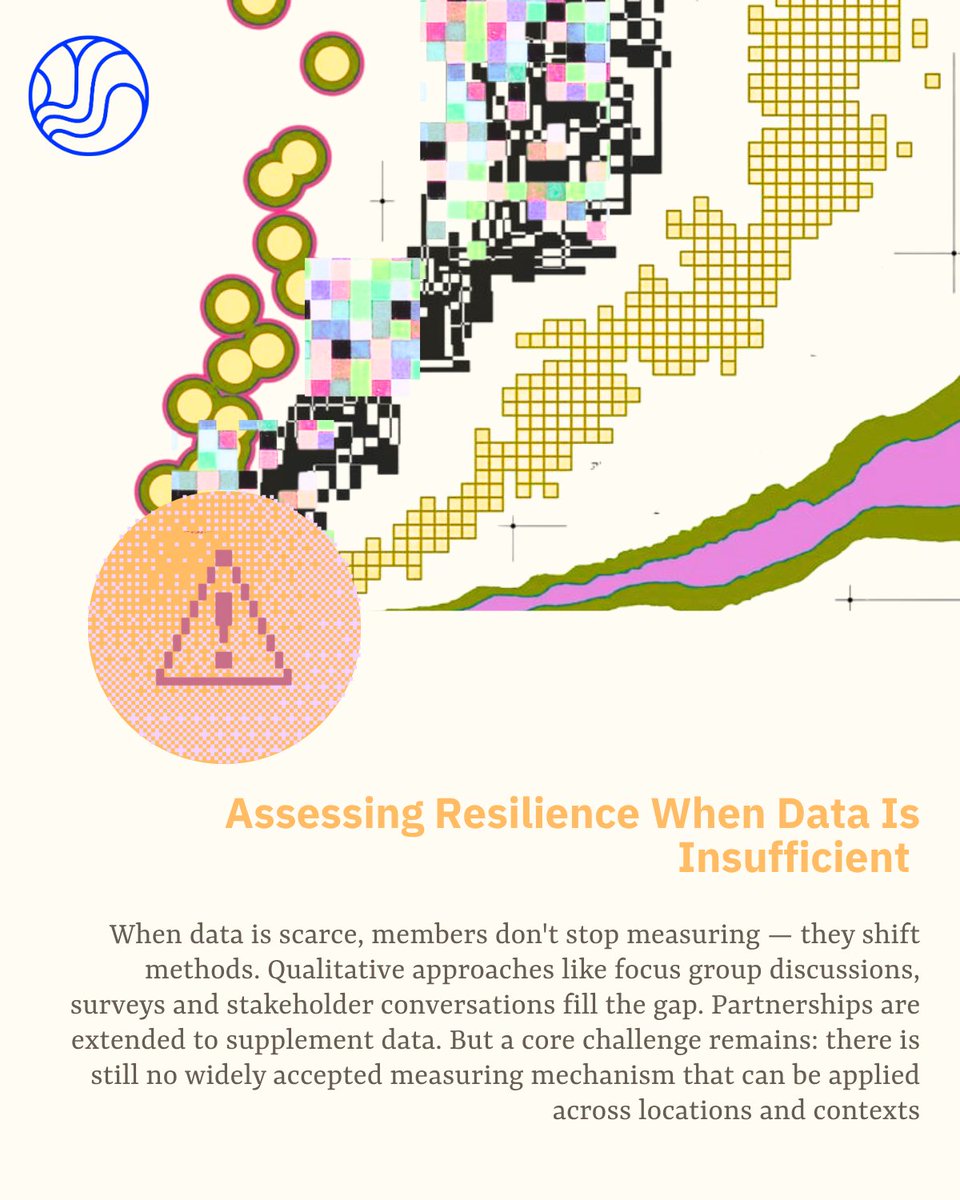
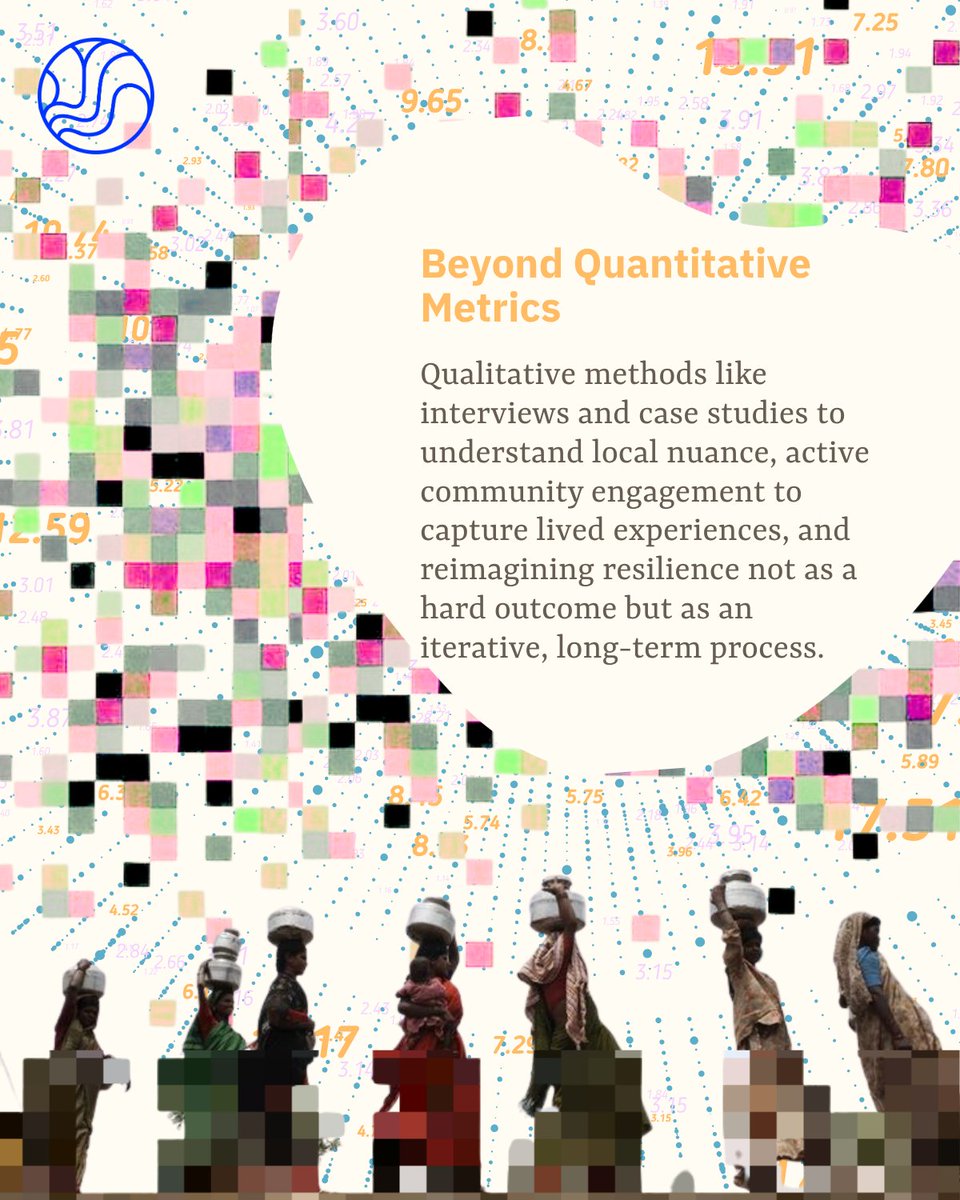
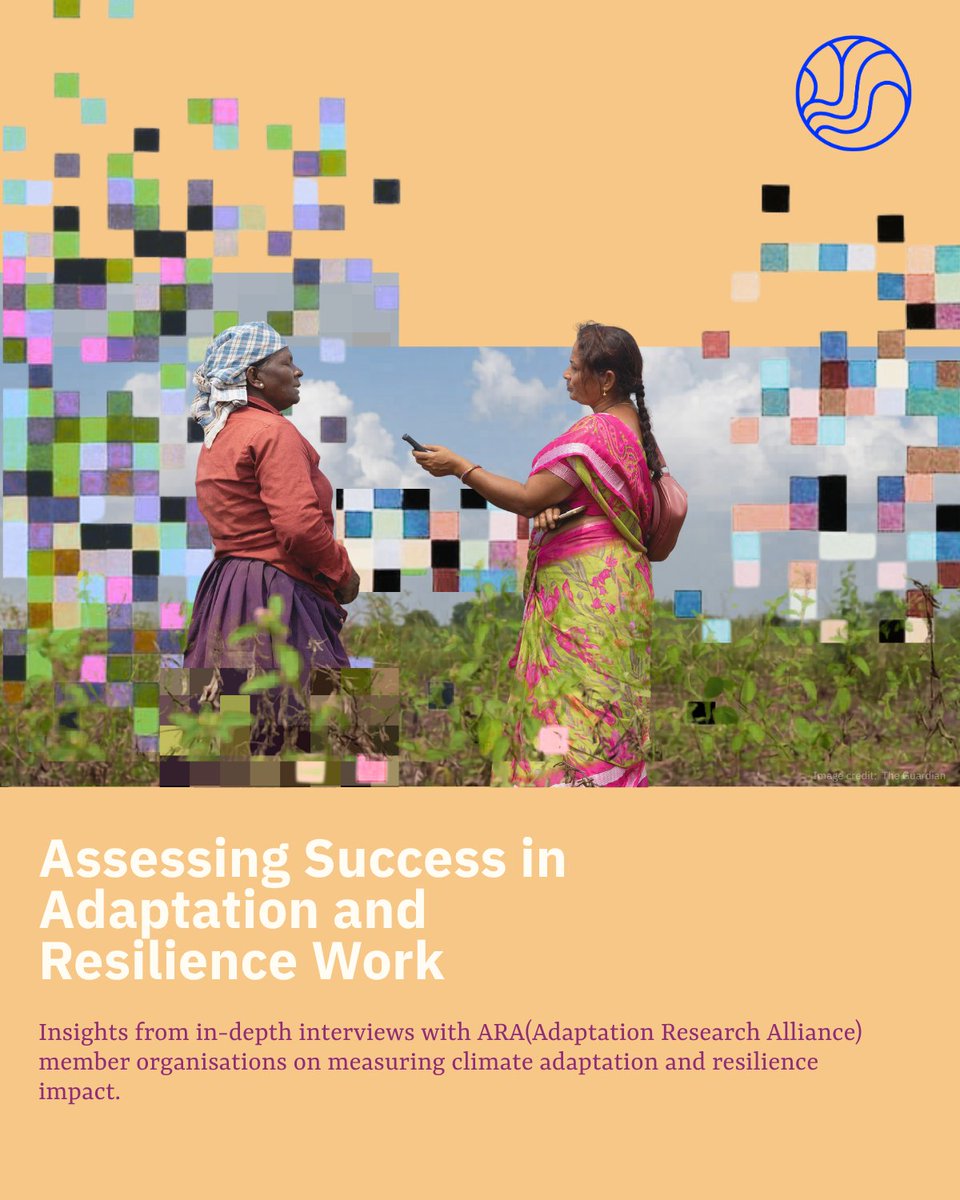
Here's what they shared – on what success looks like, how they measure it when data is scarce, what approaches have actually worked, and why resilience needs to be understood as a process, not just an outcome.