A multidisciplinary network of researchers informing how policy, industry, data and technology can shape transport that improves our cities, economies and lives
Earlier in the week @the_AUO @RMIT_CUR's Distinguished Professor @billiegc participated in a @VicHealth webinar on the urgent need for governments to direct stimulus funds into measures that make cities #healthier, more #sustainable and more #equitable.
https://t.co/5CVVNpgwjI
Join @RMIT and the Urban Futures Capability Platform for two fantastic Active Transport webinars on Wednesday 3rd June.
The Impacts of Active Transport: a Multi-Disciplinary Research and Practice Field
https://t.co/hxpkPHujPf
#liveability#equity#sustainability @RMIT_CUR
Key elements of City of Vancouver 1997 transport plan which revolutionised planning in the city. But was underpinned by alignment of transport and urban design budgets to support planning objectives reports @pricetags at the @RMIT_CUR #talkingtransport seminar.
What comes after a night of heavy rain? the answer seems to be significant train delays! Listen to @TransportRMIT member Dr Chris DeGruyter’s comments on Melbourne’s radial train network in his interview with @Jacinta_Parsons, @abcmelbourne:
https://t.co/LCpSdVtHz7
Have you checked the recently launched @RMIT’s Australian Urban Observatory, @the_AUO? How do you think its research-based indicators (such as walkability and access to public transport) can help to inform transportation decision-making in Australia? https://t.co/lLRogsmdCk
The problem with transport models is political abuse, not their use in planning, a conversation article by @TransportRMIT researchers Eric Keys and Chris De Gruyter and Graham Currie from Monash Uni https://t.co/7Zax9PP9NS
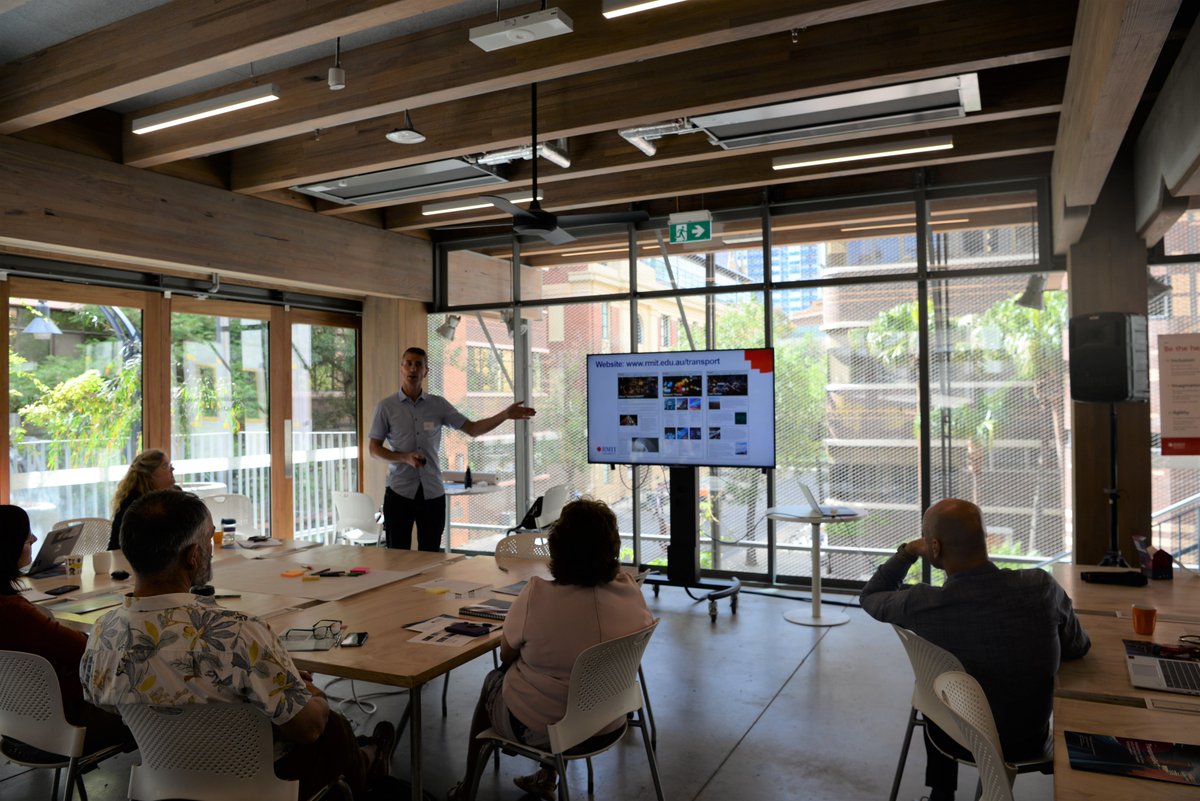
Identifying Transport@RMIT’s unique values and developing inputs to a capability deployment action plan for the network were some of the topics our members discussed in the workshop today. What do you think are the key areas that @TransportRMIT can have a unique contribution?
Join us for an exciting seminar with Professor Jennifer Dill from Portland State University on Relationships between children’s and parents’ attitudes about cycling safety and behaviour, hosted by @TransportRMIT and @RMIT_CUR
More details and registration:
https://t.co/GHc276TYiV
#TransportCamp is THE transport event where you decide the agenda. At just $55 it is the cheapest, high-energy transport event on Melbourne's calendar
Join 120 of Melbourne's smartest transport people at Melbourne Town Hall on Friday 4 October 2019 - . https://t.co/NBc8wZgmWt
Can high speed rail really solve our population problem? check this article by @TransportRMIT researchers @urbanizationist and Todd Denham in @GuardianAus to find out more: https://t.co/5MV09nZVZE
An exciting multi-disciplinary PhD scholarship for research into the role of economics in city planning decision-making in Australia @RMIT. To learn more visit: https://t.co/Cw4Ovaaxlm
@TransportRMIT member Dr Claire Boulange from @RMIT_CUR talks about her urban simulation system (Planning Support System) and its use to test the effect of built environment changes on health-based indicators such as walkability: https://t.co/0Icfs3oNPC
@Llib7@MelbOnTransit @RMIT_CUR Bringing these questions to the discussion and research for impact is one of the things we aim to do. Policy briefs by @TransportRMIT members (https://t.co/HWtpT2c9ih) and our session at EFI conference (https://t.co/QrLvq4CcgM) are examples of the efforts in this regard.
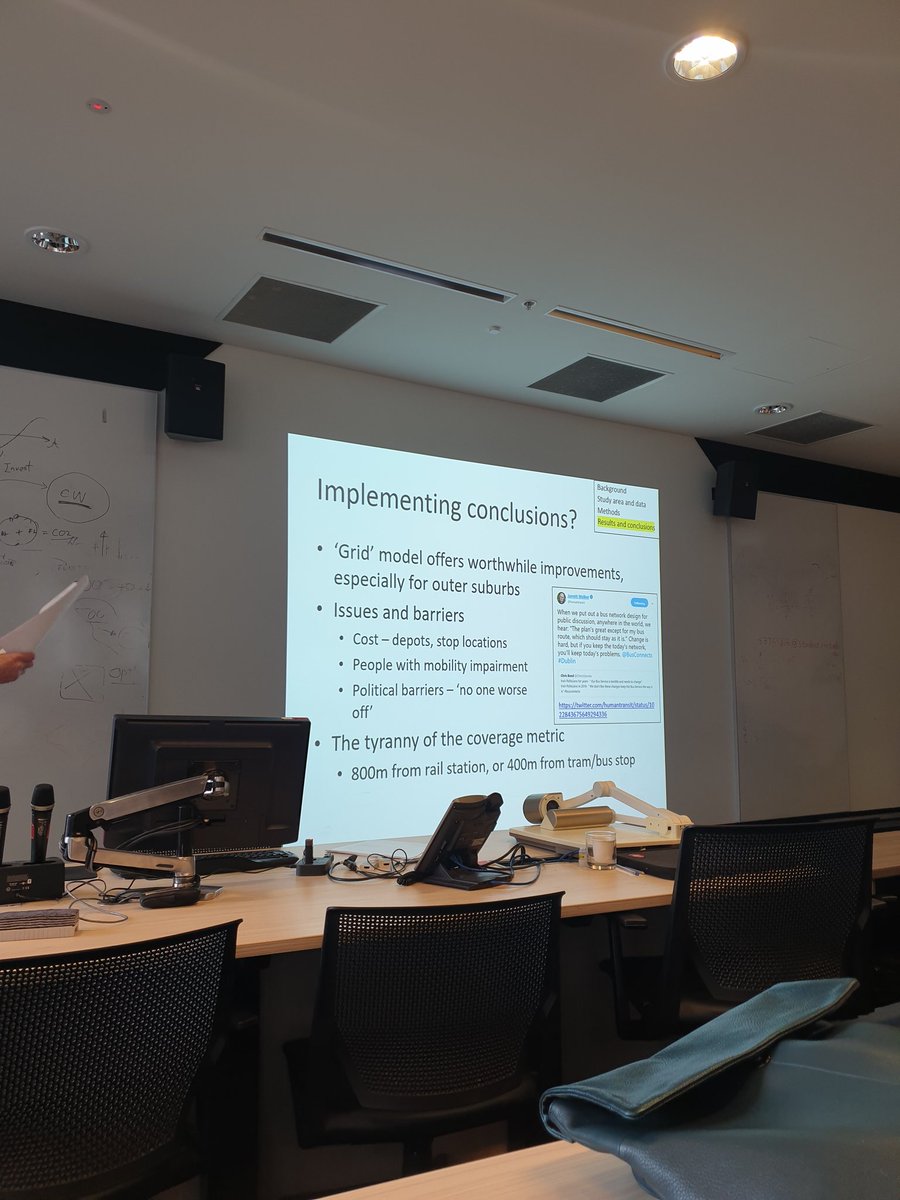
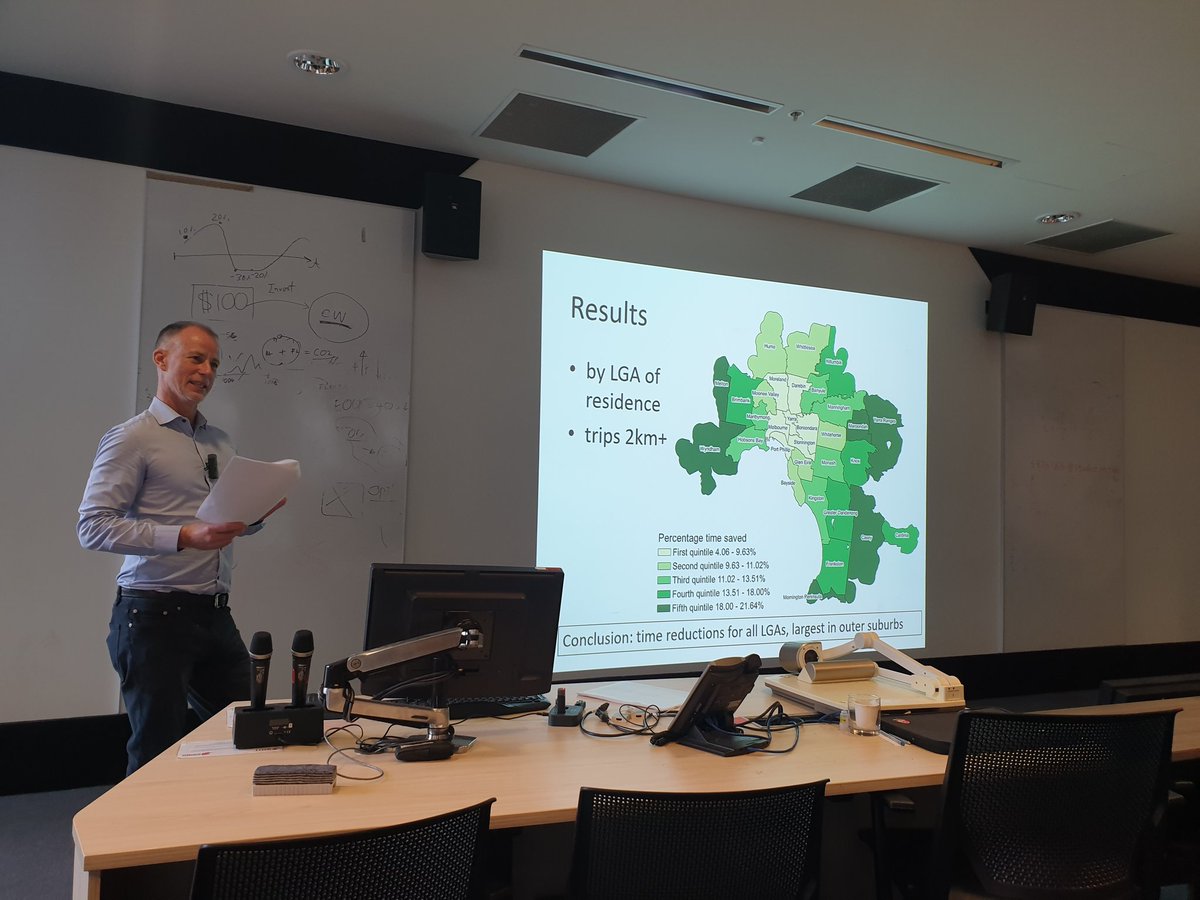
Steve Pemberton talks about his research on a new grid-like network for buses in Melbourne and who will benefit the most as the result at the @RMIT_CUR and @TransportRMIT seminar.
@declanmartin75 Yes @declanmartin75, seminars are usually open to everyone interested (unless specified). Sorry you missed this one. We will have more seminars in the future and will promote them here, and undergraduate students are more than welcome to join.
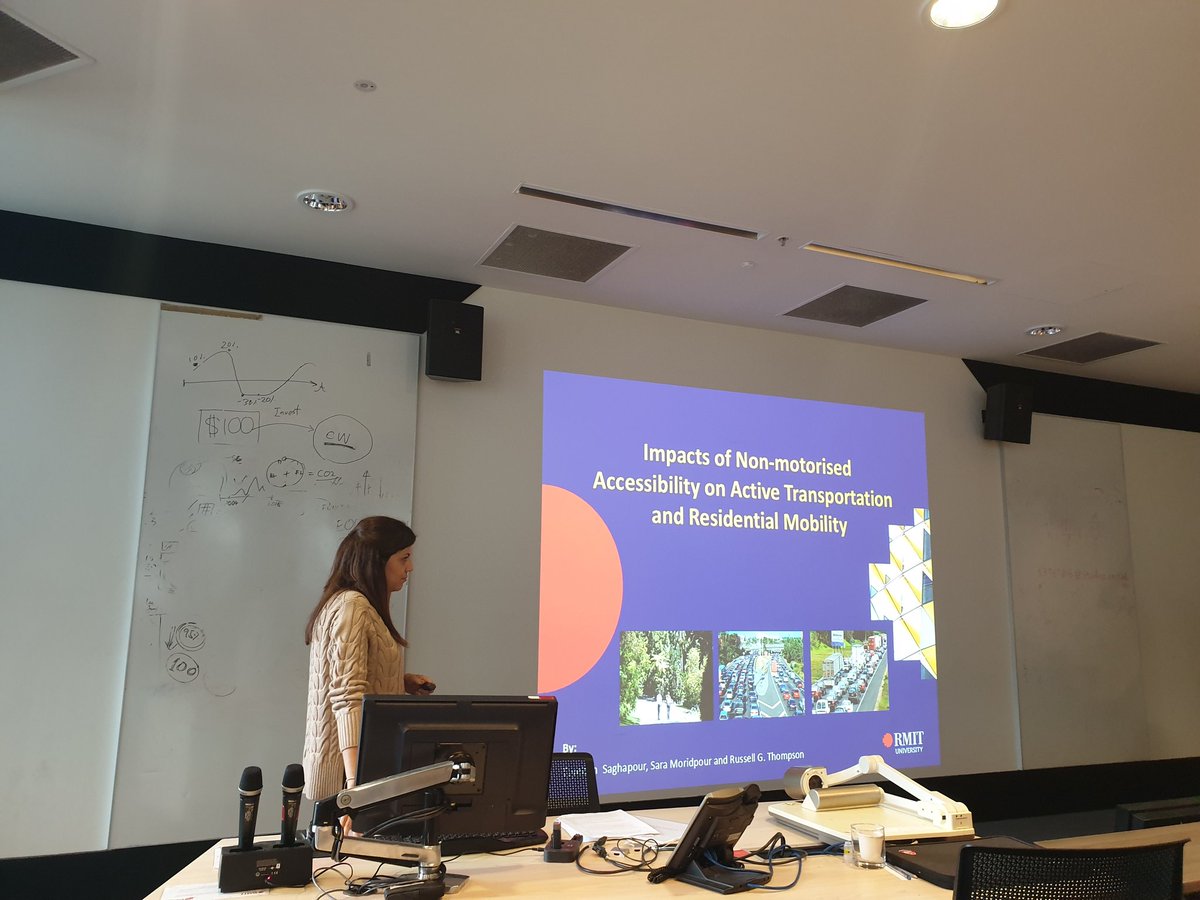
How levels of non-motorised accessibility could affect the number of active trips? Tayebeh Saghapour presents at @TransportRMIT and @RMIT_CUR joint seminar.
Are you interested to gain insights into government decision-making and the different ways that researchers might influence transport policy? Check this interactive workshop by David Downes and Brian Coffey for @RMIT transport researchers:
https://t.co/2vAvVa9qOP
This is an elegant study by @trnsprtst on inaccessibility to train stations. Perhaps some of that Federal $500m for car parking would be better spent on station access improvement. [Though noting better access could reduce active travel time] https://t.co/E4I4NFow4a
Join us for our second research seminar on 28th May (12pm-1pm) at RMIT University. Speakers include Steve Pemberton presenting on optimising Melbourne's bus routes and Tayebeh Saghapour presenting on the impacts of non-motorised accessibility. https://t.co/urDcrDxSEu