What goes into Meta’s “net” emissions figure? The company uses environmental attribute certificates across all three emissions scopes, applying its own management criteria. Heather Clancy examines the accounting: https://t.co/1kzfaTrnqg
Does your manufacturing growth plan include waste reduction?
Join Trellis + Veolia to explore recycling, beneficial reuse and circular planning for facility expansions.
Dec. 15 | 1 p.m. ET
Register: https://t.co/JVQfvrbgcw
Meta matches 100% of its electricity use with clean and renewable energy. Yet its net carbon footprint rose 45% in 2025. Growing power demand and data center expansion help explain why: https://t.co/xO1rozog4r
New in Trellis’s tools tracker: DitchCarbon can help buyers estimate the electricity use tied to their purchases from direct suppliers. It starts with supplier reports and fills gaps with industry and grid data: https://t.co/tJWUKVGQOw
Agilent has trained nearly 250 employees, most in procurement, to bring climate goals into supplier negotiations. Its voluntary, 90-minute course covers Scope 3 basics and how to assess suppliers’ readiness to set emissions targets: https://t.co/SVpgnOoLoR
Meta’s net carbon footprint jumped 45% in 2025. Now it’s reconsidering its 2030 net-zero timeline as AI expansion outpaces its original assumptions.
No revised deadline has been announced.
https://t.co/nNKEf4Px88
Amazon aims to cut emissions per megawatt-hour of electricity used by 65% by 2030, compared with 2019. Total electricity emissions could still rise if power use grows fast enough. Amazon hasn’t disclosed the baseline figure.
Read more: https://t.co/T0wWdj5rOb
What’s worth your attention in corporate sustainability this week?
Tomorrow in Trellis Briefing, our editorial team is introducing a reading list: recent stories that have shaped how we think about the work.
Subscribe for tomorrow’s edition: https://t.co/sVw1lZ8Lqb
Explore SE Advisory Services’ The State of Energy Resilience report to see how leaders are responding to cost, continuity, and risk pressures across regions: https://t.co/bXKiWORYRq #ad
Two years after COP29, rising carbon prices and CBAM rules mean companies need transactional carbon accounting tied to finance to cut costs. Read the full article from SAP here: https://t.co/jLr56AWKE2 #ad
Designing a sustainable agriculture program? Join Trellis and @EnvDefenseFund on Dec. 8 at 1 p.m. ET for a walkthrough of EDF’s free toolkit for food and beverage companies.
Register to join live or get the recording: https://t.co/1oNNmGNtvS
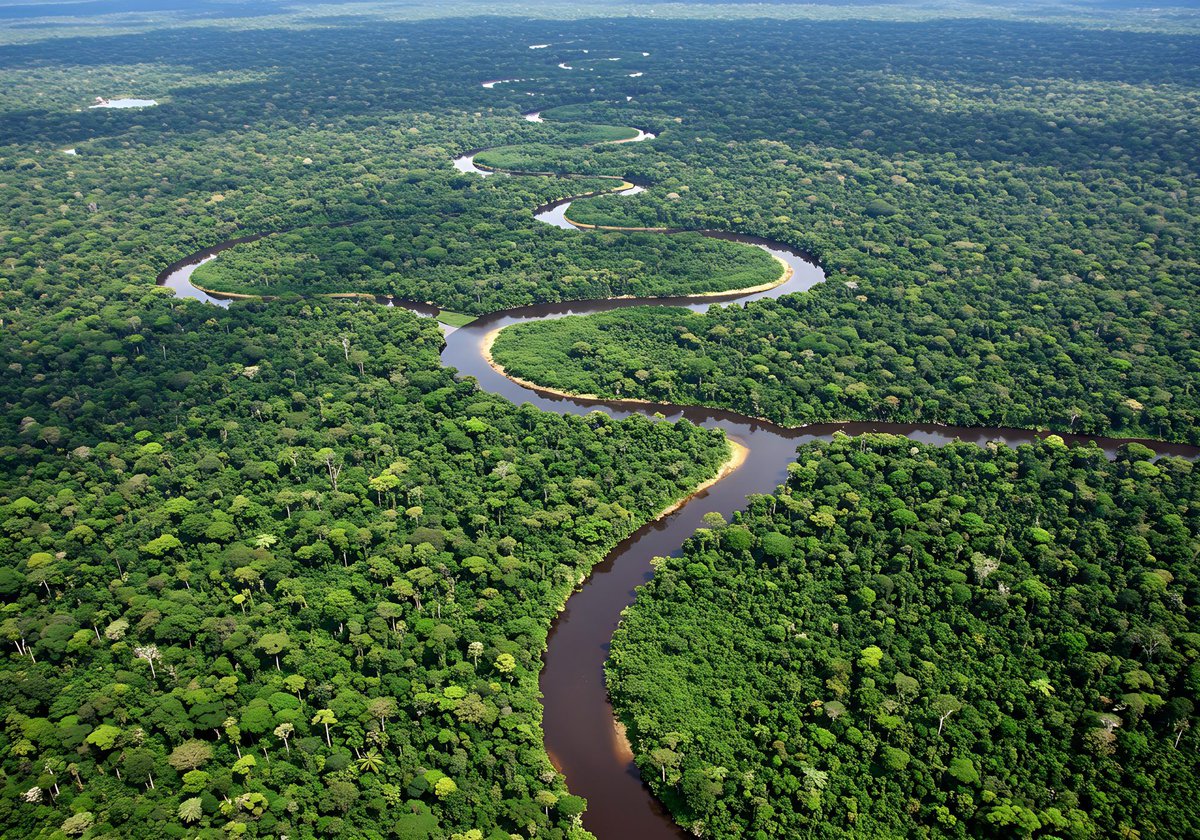
TNFD bought 110 biodiversity credits tied to the AI it used to produce its annual report. The purchase helps protect Colombian cloud forest and is framed as a contribution, not an offset. Here’s how Terrasos estimated the impact: https://t.co/QUvSsXMa7H
Could a 15-year renewable power contract be counted differently before it ends? Treatment of existing deals and whether hourly matching should be required remain open questions in GHG Protocol’s Scope 2 revisions: https://t.co/a7o9hCgO6R
Are your sites using more electricity or paying more for it? Join Trellis and Arcadia on Dec. 3 at 2 p.m. ET to see how utility data can help teams explain rising costs and spot opportunities to save energy.
Register for free: https://t.co/UVGqdFJ4nj
Three climate tech companies raised $1B each in Q3: a fusion developer, a fission developer and a home battery company. Meanwhile, carbon removal equity funding fell 61% in the first half of 2026. Peter Lupoff explains where the money is going and why: https://t.co/tokSap0Vl4
Griffith Foods’ AI agent couldn’t tell which dashboard numbers were current. The fix: month-end snapshots.
Grant Harrison shares what sustainability teams built with tools they already had, what broke and what they changed: https://t.co/VVjkMNDkrR
Why is enhanced geothermal power still expensive? Developers can spend tens of millions on permitting, exploration and test wells before they know whether a site is viable.
Kayla Russick explains what could bring prices down: https://t.co/j2vA8ynn4f
Final chance: Trellis Impact 27 speaker nominations close tomorrow, Nov. 20.
Share your practical lessons on turning innovation into business and climate impact or nominate someone we should hear from.
https://t.co/lQXjFKtb0g
#TrellisImpact
After voters in several states pushed back on AI data center expansion, what should businesses do?
Deborah McNamara suggests starting with the policies your company and its trade associations support: https://t.co/V0P8AiKRaH
Should carbon credits count toward corporate climate targets?
Alexia Kelly proposes a capped allowance with quality requirements and separate reporting of emissions cuts and credits.
Read her case: https://t.co/KPsfouSPiA