@NSQ_Show Discussing or even acknowledging the real difficulties, ambiguities and limitations that becoming a parent, but particularly a mother, entails.
@NSQ_Show Society’s representation of Motherhood. There seems to be a real taboo about discussing or even acknowledging the real difficulties, ambiguities and limitations becoming a parent, but particularly a mother, entails. And I mean from a gender pay gap, mental health etc perspective.
These small, disc shaped growths on the underside of these oak leaves are spangle galls. The galls appear in spring when the wasp lays their eggs on the new leaves. The larvae emerge during the summer and continue to develop through the winter, emerging as adults in April. (1/2)
The common plume moth. They rest with with their wings tightly rolled, so they resemble a small, greyish white cross. Quite common in England, they’re often seen on fence posts, walls and even indoors where they are attracted to light.
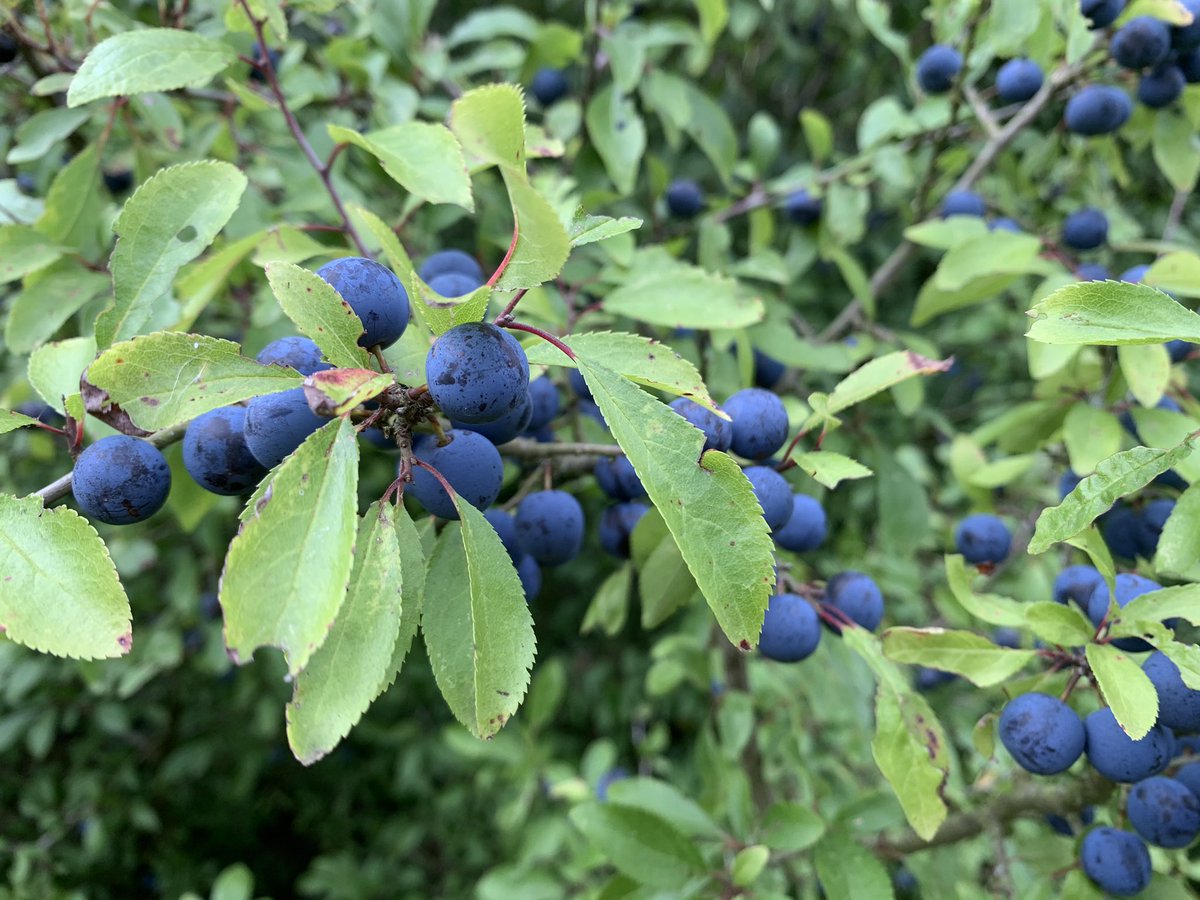
The number of sloes you’ll find is linked to the weather during the previous spring/summer. Too dry and the’ll be small and shrivelled. Too wet and cold and they won’t develop at all. A good crop of plump, well ripened sloes needs the perfect balance of warmth and water. (3/3)
When ripe, they’re a rich dark purple and should squash easily between your fingertips. If you're brave you can eat them raw, though they are incredibly sharp and will dry your mouth out. Alternatively you can use to them to make jellies, syrup and of course gin! (2/3)
They can defend themselves by secreting a foul smelling fluid and, if caught, are able to shed a leg to escape. Frequenting gardens and houses, harvestman are common and widespread with about 25 species living in the UK. (3/3)
This large, spindly legged creature looks like a long legged spider. But it isn’t. It is, in fact, a harvestman; one of the opilones, a group of arachnids closely related to spiders and scorpions. (1/3)
They don’t have silk glands so aren’t able to spin a webs. They also don’t have fangs or produce venom. Instead they catch insect prey by using hooks on the ends of their legs. (2/3)
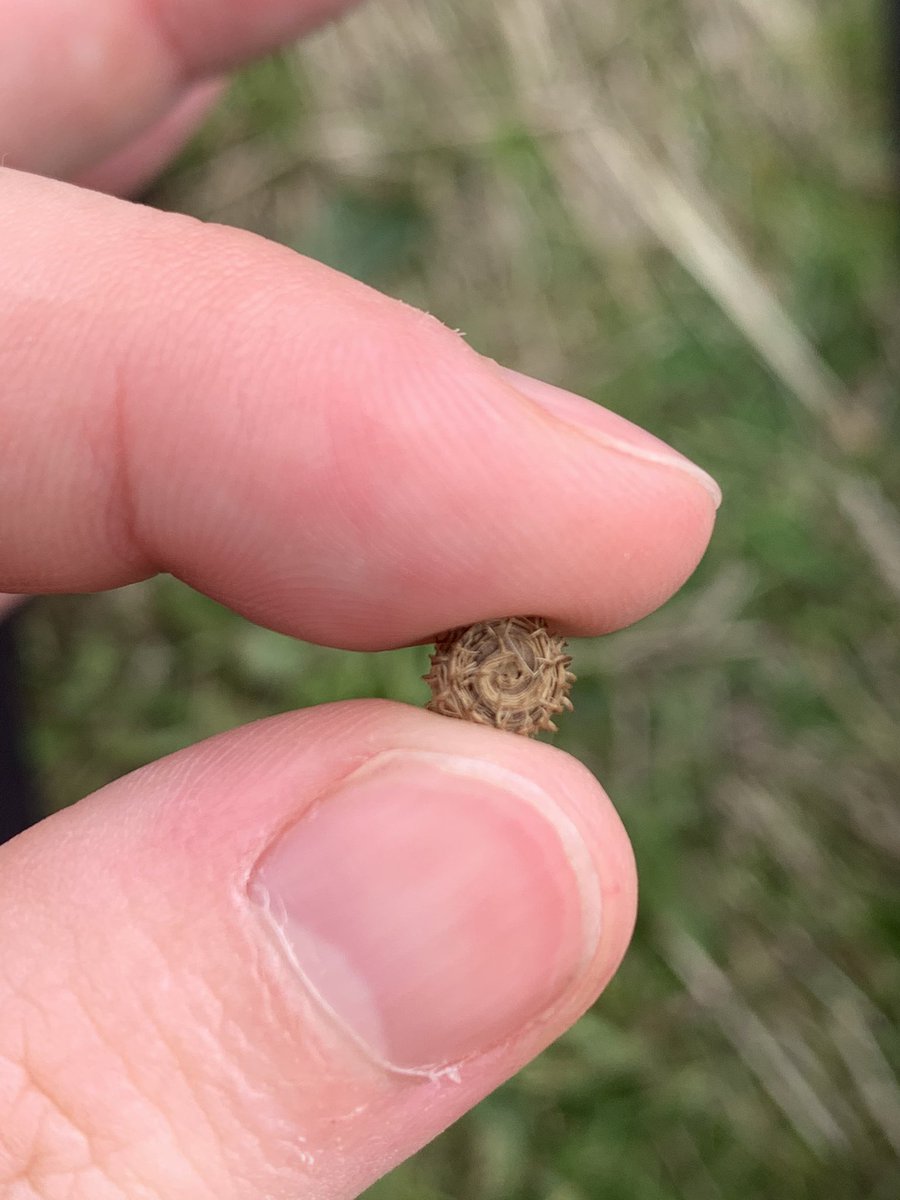
A bur clover seed. Curled and covered in hooked prickles, they start out green and relatively soft, but quickly turn brown and hard. Inside the pod are several seeds, which are usually tan coloured and kidney shaped. I rather like them- I think they look like tiny, woven baskets!
Every September the plants were ready to be picked and huge numbers of casual workers (the majority coming from London’s East End) would pour in. Often generations of families and entire neighbourhoods would travel in on special trains to help with the harvest. (5/5)
This tall climbing plant, with its cone like green flowers, is a hop. Hops are a vital ingredient in the brewing of beer, adding a distinctive flavour and aroma and making it clearer and less perishable. (1/5)
Kent was the first and most successful area for hop farming; by the 19th century it was the biggest industry in the county. This is evidenced by county’s many oast houses, with their distinctive conical tips. These were kilns, used for drying fresh hops. (4/5)
The name knopper comes from a German word meaning a kind of felt cap or helmet. Inside the gall, the larvae of the wasp feed on the host tissues, but cause little damage. They will pupate and wriggle out of vents in the galls next spring. (3/3)
They form when a tiny female knopper gall wasp inoculated the embryonic acorn buds with her eggs. The oak responded by producing these ridged growths, which start out sticky and red before becoming woody and brown. (2/3)