Base Reddit AMA Series – Week 7
ഇന്നത്തെ AMA-യിൽ feature ചെയ്യുന്നത് @bankrbot
Bankr-ൽ നിന്നും പങ്കെടുക്കുന്നു: @Dannyhbrown
& @igoryuzo
March 24, 4PM ET-ന് നടക്കുന്ന ഈ session-ൽ founders നേരിട്ട് online ആയിരിക്കും, community-യിലെ ആളുകൾക്ക് questions ചോദിക്കാനും discussion-ൽ participate ചെയ്യാനും അവസരം.
Bankr എന്താണ് ചെയ്യുന്നത്? AI agents-ക്ക് wallet, token launch, trading fees earn ചെയ്യൽ, അതുപോലെ തന്നെ earned fees ഉപയോഗിച്ച് LLM usage-ന് automatically pay ചെയ്യൽ, ഇതെല്ലാം simplify ചെയ്യുകയാണ്.
ഇനി മുതൽ ഓരോ Tuesday, Thursday-വും Base founders, projects, team members AMA-യ്ക്ക് വരും,Community-ക്ക് direct access ലഭിക്കുന്ന ഒരു open space, അതാണ് ഇവിടെ build ചെയ്യുന്നത്.
AI agents and onchain payments-ന്റെ future build ചെയ്യുന്നതിൽ interest ഉണ്ടോ? ഇതാണ് നിങ്ങളുടെ space.
Join here and share your questions: https://t.co/q2TiR14GG5
In any DeFi leverage positions, liquidations are a big problem, washing out entire capital on a quick wick down, even on low-risk trades.
The thing is, markets can be so unpredictable, and things like that happen very often.
But @hylo_so asks: who liquidation
It's a very different way to trade leverage.
this is basically leverage made simple and much less risky with xAssets that you can buy, hold, or sell anytime.
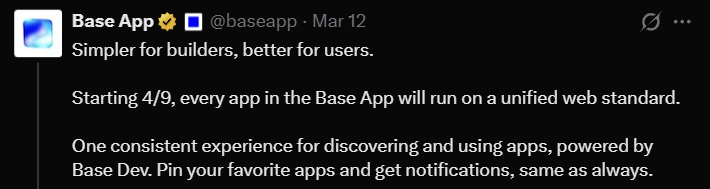
Base App ഒരു വലിയ മാറ്റത്തിലേക്ക് പോകുന്നു Web-native apps മോഡലിലേക്ക്.
വരാനിരിക്കുന്ന ആഴ്ചകളിൽ Base പുതിയ developer tools Base.dev-ൽ rollout ചെയ്യും.
April 9 മുതൽ Base App ഇനി Farcaster mini-app standardയും Neynar infrastructure-ഉം support ചെയ്യില്ല. അതിനു പകരം apps standard Web App model-ൽ run ചെയ്യും.
ഇതിന്റെ അർത്ഥം:
• Apps സാധാരണ web apps പോലെ run ചെയ്യും
• Wallet connection default ആയി work ചെയ്യും
• Separate mini-app SDK ആവശ്യമില്ല
• Developers-ക്ക് web app build ചെയ്ത് Base.dev-ൽ register ചെയ്താൽ മതി
Netflix in the US costs about $24.99 per month. A 30-day month has roughly 2.6 million seconds. That means you are effectively paying around $0.00001 per second of access.
If pricing were truly usage-based and you watched 2 hours per day, you'd consume about 216,000 seconds per month. That would cost roughly $2 instead of $25. Netflix won't adopt this model but the math shows something important: ultra-granular pricing radically changes economics. Well it could be used for content streaming or pay for what you watch but yeah... lets move on... my point is a bit different
For Agentic commerce nanopayments are critical
Agents can execute thousands of transactions per day ie, API calls, compute usage, data access. If each transaction carries even a small onchain fee, margins disappear quickly. At 5,000 transactions daily with a $0.005 fee, that's $25 per day and $750 per month in overhead purely from gas.
@circle Gateway Nanopayments removes it by batching settlement. Users deposit USDC once, sign payments offchain, and Gateway settles net balances in bulk. Because thousands of micro-payments are aggregated into a single onchain transaction, sub-cent payments even $0.000001 become economically viable.
In an agentic era, agentic commerce requires high-frequency, ultra-low-value transfers without batched, gas-free micro-settlement, that is max efficient.
Now combine that with execution environments like @arc that are optimizing finality and high-frequency coordination. Fast execution without efficient value transfer is incomplete. Efficient value transfer without fast execution is also incomplete.
Agentic commerce requires both.
With it, usage-based pricing becomes more natural.
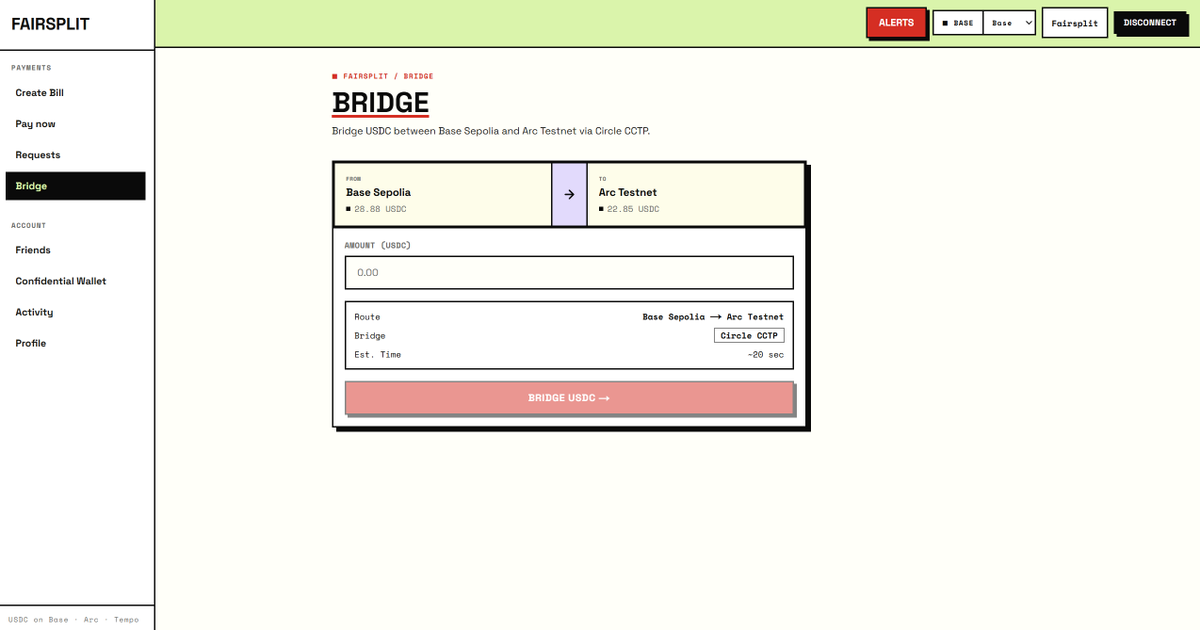
Built FairSplit on Arc and honestly… using test USDC as gas just feels right
That changed the dev experience completely.
Now you can split bills with:
• direct USDC transfers
• confidential transfers
• near-instant testnet settlement
Arc transactions feel ridiculously smooth
@arc@circle@jerallaire@samconnerone@silencexlm@0xmikef@bobbilee
Checkout: https://t.co/KOmGqeGZjY
Been building Fairsplit, a USDC bill-splitting app that works directly with wallet addresses.
Each participant can choose: normal transfer or confidential transfer.
Confidentiality powered by @0xfairblock
Checkout here: https://t.co/56LG6v9Zkv
We are sooo cooking... Our @basemalayali community's first Dapp on @base
Checkout here: https://t.co/NwMLr8rLn5
Reminder:
- Fairsplit is on testnet, so try it on 2 testnet wallets...
- Always initialize confidential wallet and convert USDC to cUSDC before you tryout confidential transfers
- Confidential transfers take approximately 1 minute to finalize
and Enjoy testing based chads
Tagging all based chads I know:
@buildonbase@coinbase@brian_armstrong@jessepollak@CoinbaseDev@0xyoussea@berkay_secil@BasedIndia@baseposting