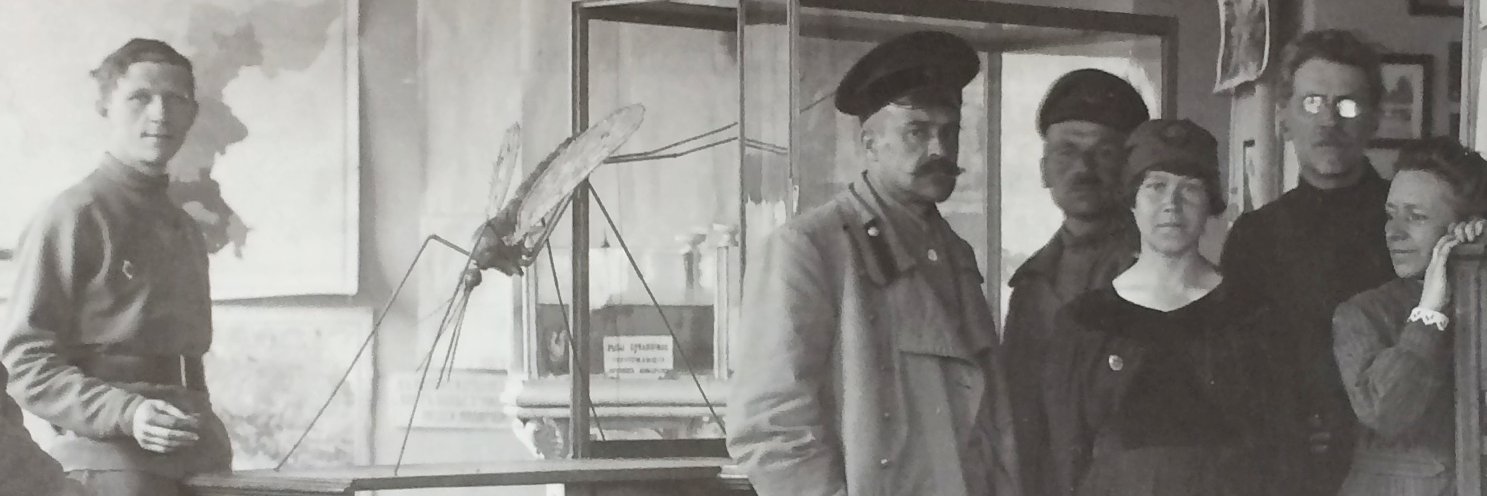
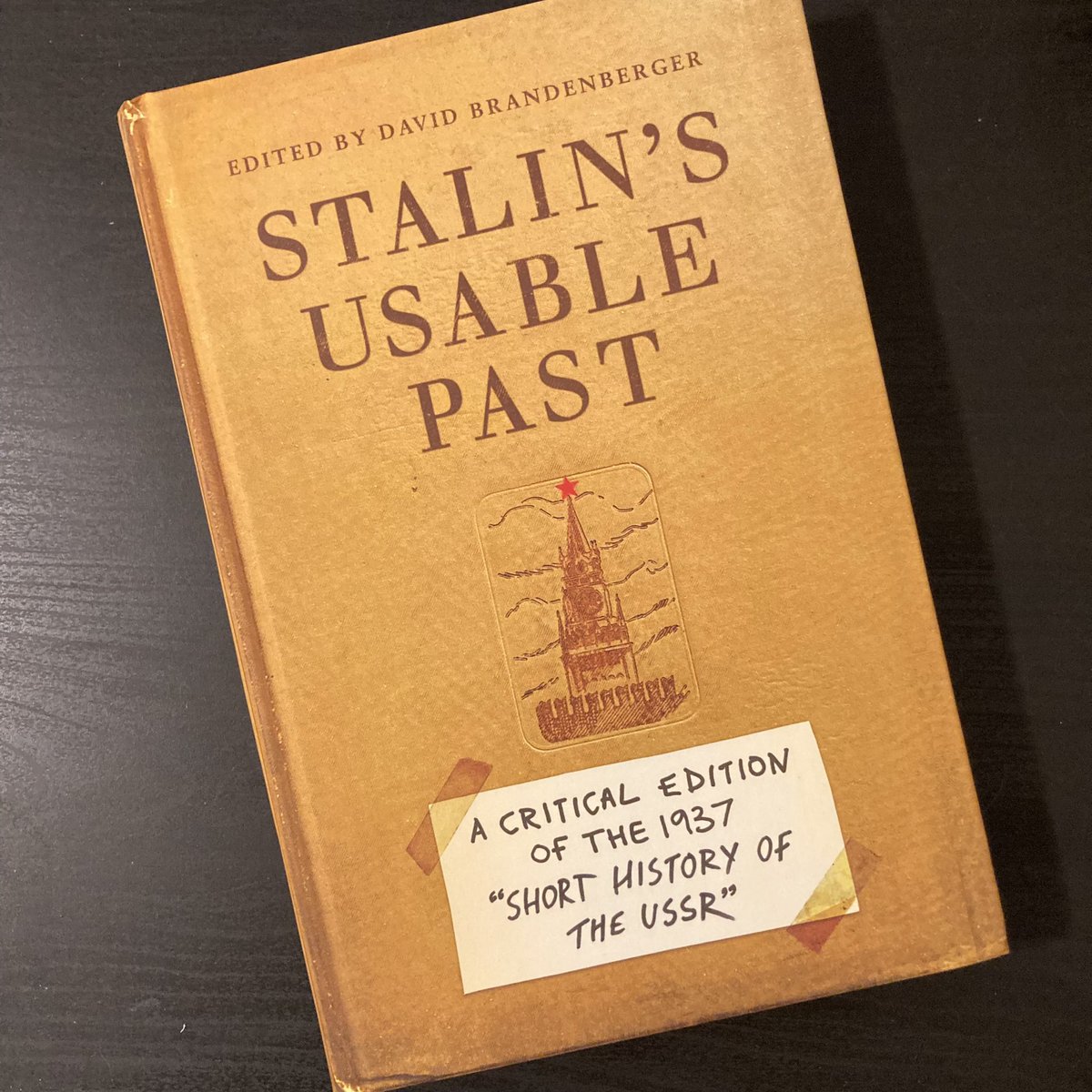
Really please that this volume is out! See my chapter to learn how Soviet malariologists contested and coopted international health projects, in the process helping to build a sphere of public health despite, and because of, Cold War divisions.
I was struck by the *absence* of the USSR as an explicit model for the NHS. Seaton's discussion of interwar health politics made me realize this was probably intentional. There's a fascinating sort of inspiration/disavowal at play on the medical left. I want to learn more!
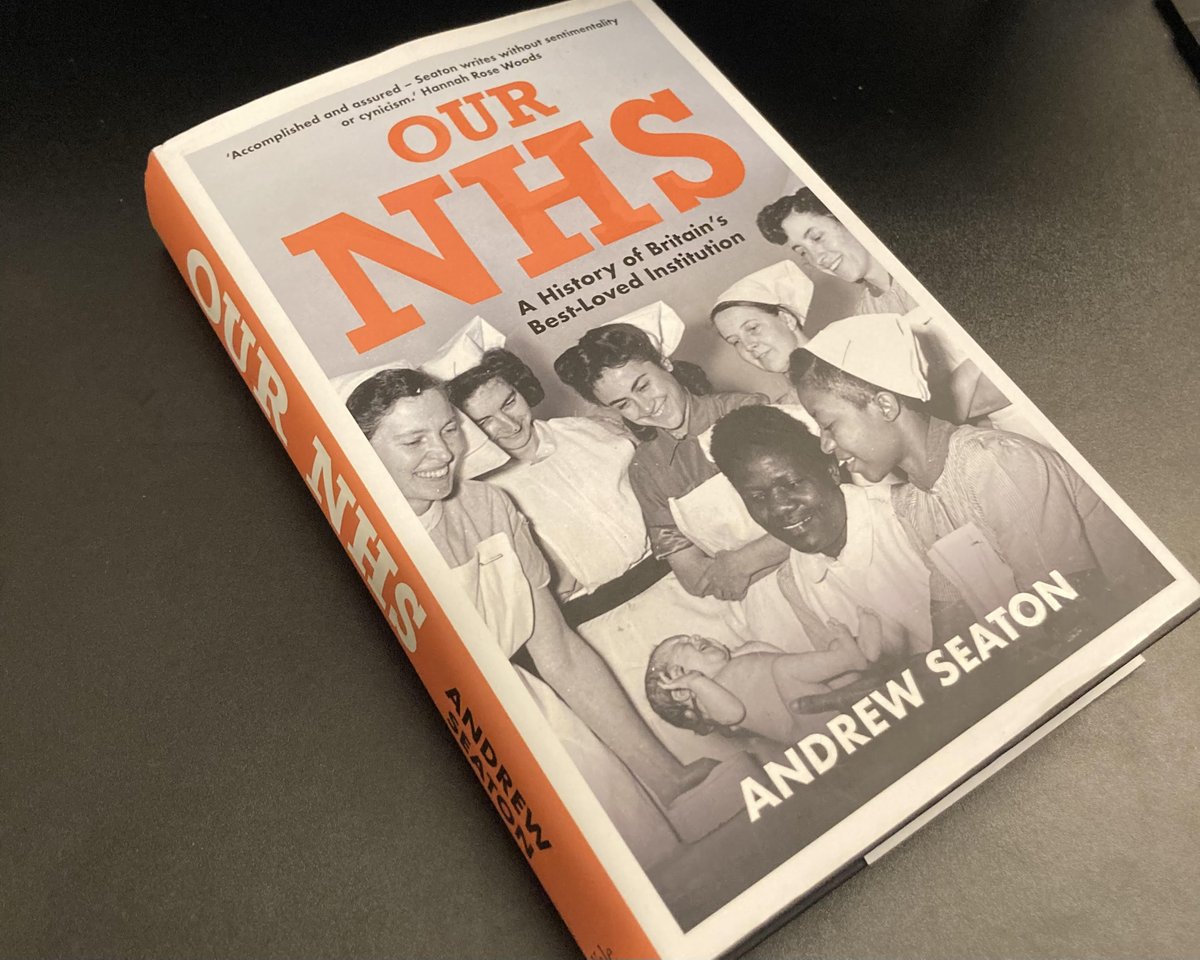
Reading @AndrewSeaton's new book, "Our NHS," which hardly needs my introduction. I want to note the orange colour scheme of the dust jacket. From a Canadian perspective, a very appropriate choice for a book on the social-democratic politics of healthcare!
But beyond the choice of orange, the first chapter of the book touches on a topic of real interest to me: the interwar networks of left and socialist health reform - and (for me) the role of the USSR therein.
@DylanoA4 "We thought that freedom was a very simple thing. A little time went by, and soon, we too bowed under its yoke. No one had taught us how to be free. We had only ever been taught how to die for freedom." (Svetlana Alexievich)
@DexterFergie I briefly looked if Ho Chi Minh wrote anything like this, which could be an even more interesting perspective, but I nothing obvious jumped out
@DexterFergie I'm not sure if this will be quite what you're looking for, but what about writing from someone like Mao? Check out some of the 1941-42 stuff here: https://t.co/NeOjxzftj0
#Twitterstorians: Have any of you done a material culture history assignment with students? I'm planning to have students in my Holocaust History course do one since we have an on-campus Holocaust museum with many material artifacts. If you can, please share what you've done! TY!