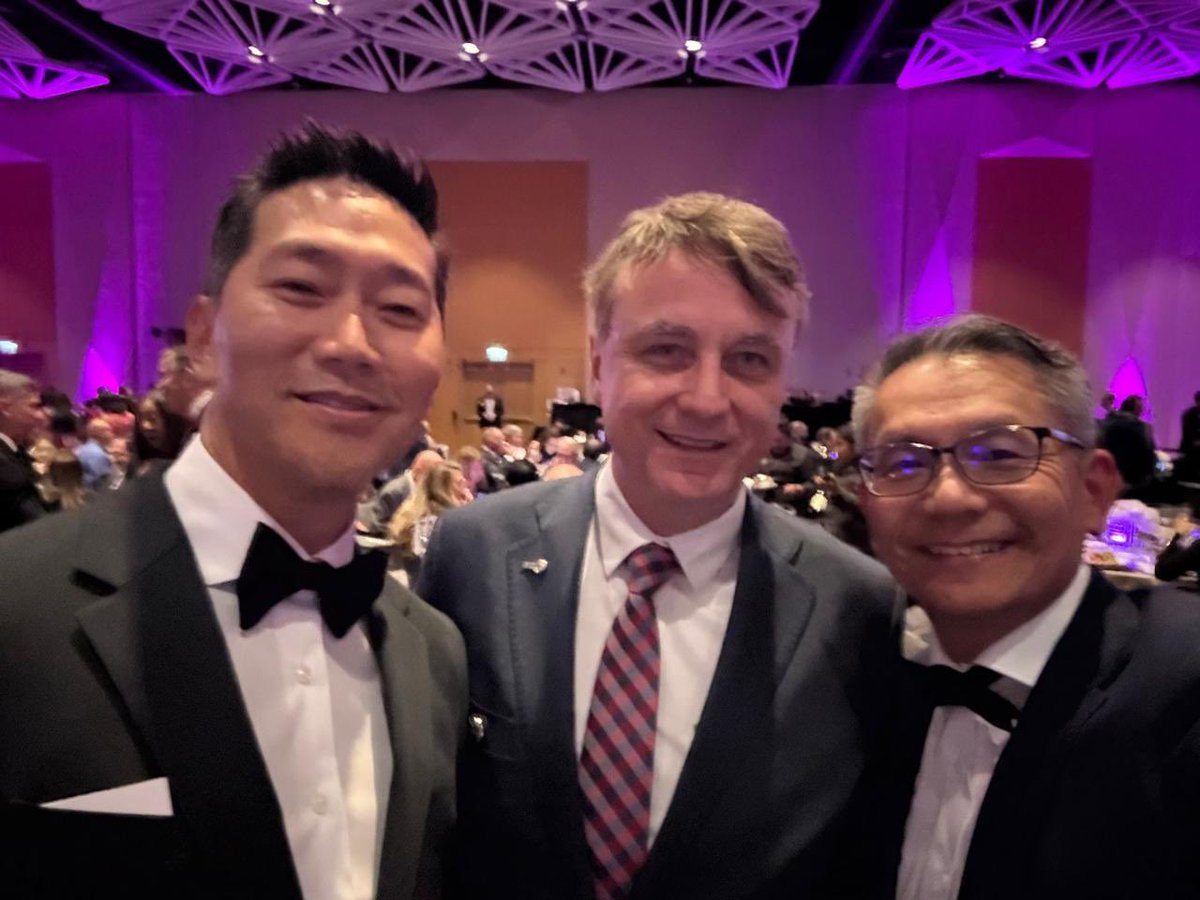
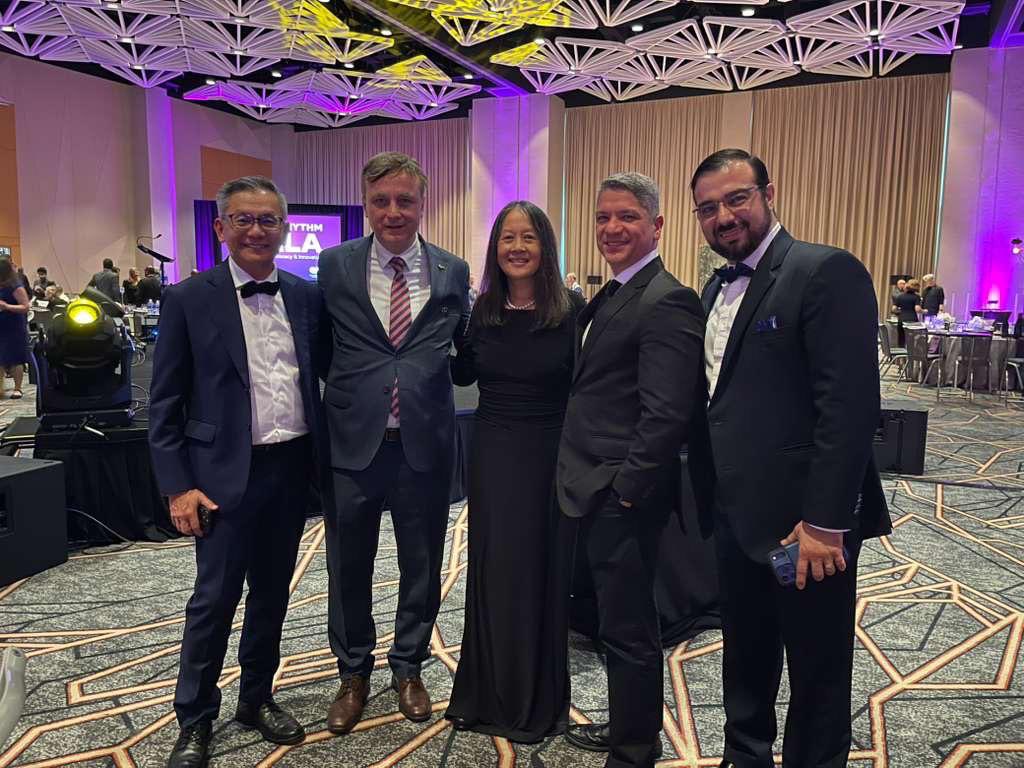
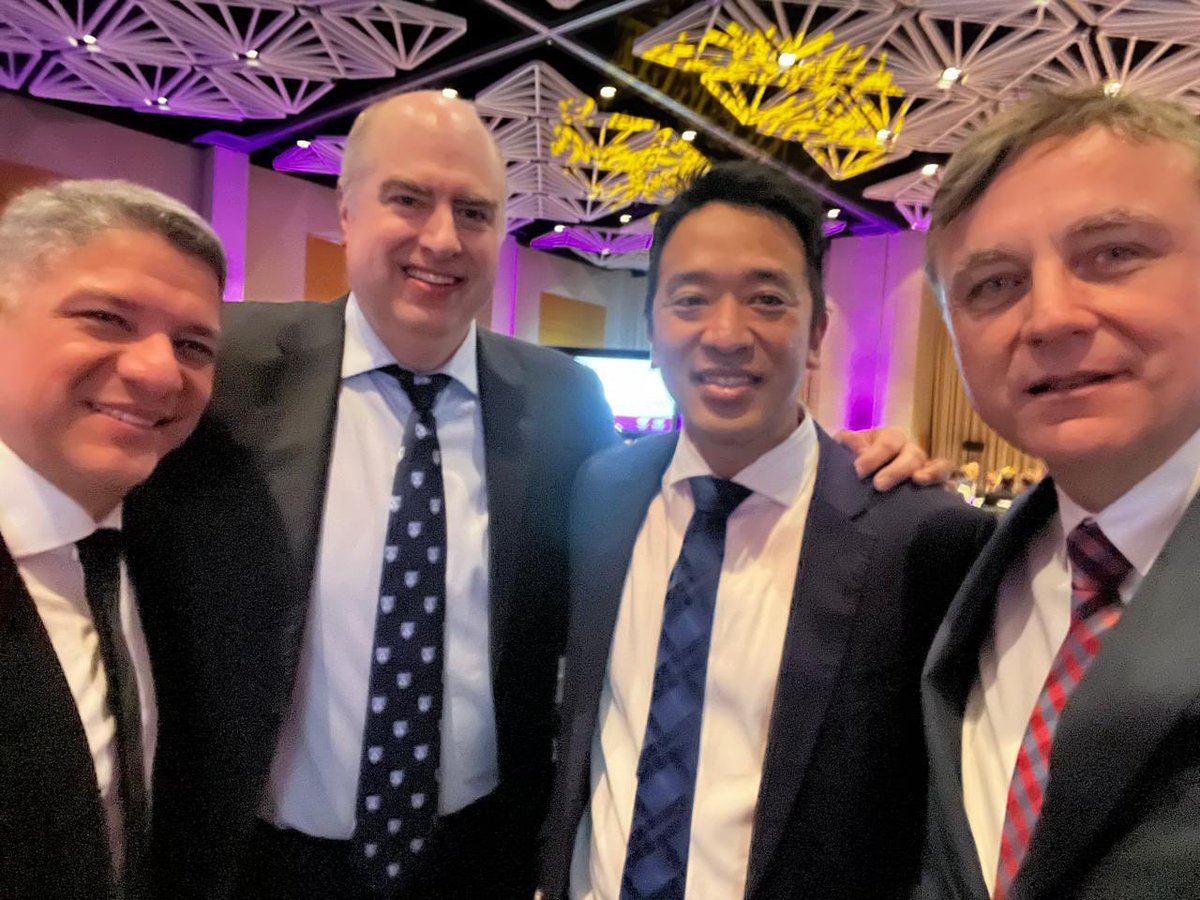
Thanks to all faculty and attendees who navigated some significant travel challenges to participate today!
Was another fantastic Epicardial Training course hosted by @UChicagoMed for the first time. Hopefully was a valuable learning experience.
For those that missed out on attending the training course this time - we will be announcing a second course
this year soon… stay tuned!
@True_EP@JRWinterfield@MRobinsonEP@andresenriqueza@ChauVoMD@Jackson_J_Liang@svasaiw@UChicagoCardio
Limited association between septal myocardial involvement on PET imaging and conduction disturbance in cardiac sarcoidosis, by @BrigitteKazzi, @True_EP, and colleagues
#EPeeps
https://t.co/5GEldNvAri
It’s that bittersweet time of year! Seeing how far you’ve come but also time to say goodbye to great friends along the way. Congratulations to our graduating fellows!!! @Brigham_EP@True_EP@BrighamFellows#EPeeps@CMAlbertEP
💡 Don’t miss the opportunity to join VT Uncovered: Concepts & Case Presentations in June!
Gain practical insights into VT ablation through real case discussions, expert perspectives, and interactive learning.
Built for EP fellows and early-career electrophysiologists.
👉 Register today: https://t.co/R83NdhQMXW
#JnJInstitute
Limited association between septal myocardial involvement on PET imaging and conduction disturbance in cardiac sarcoidosis, by @BrigitteKazzi, @True_EP, and colleagues
#EPeeps
https://t.co/5GEldNw8gQ https://t.co/A8LE7P0zRo
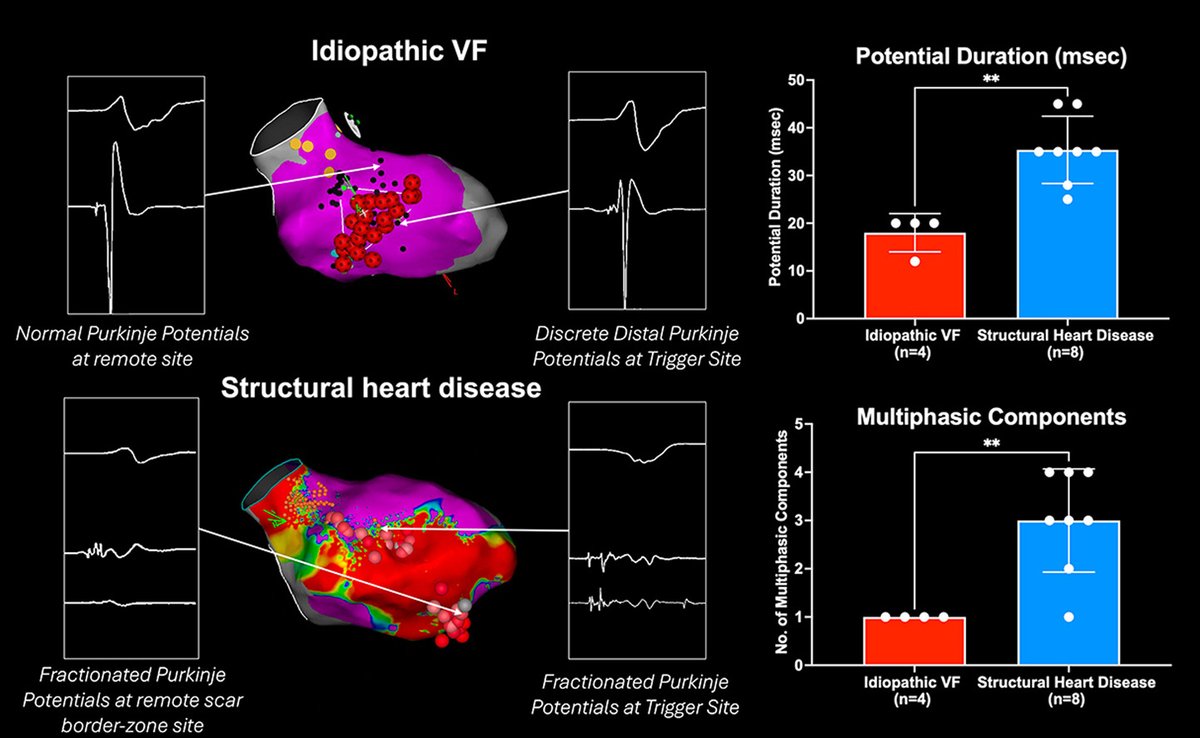
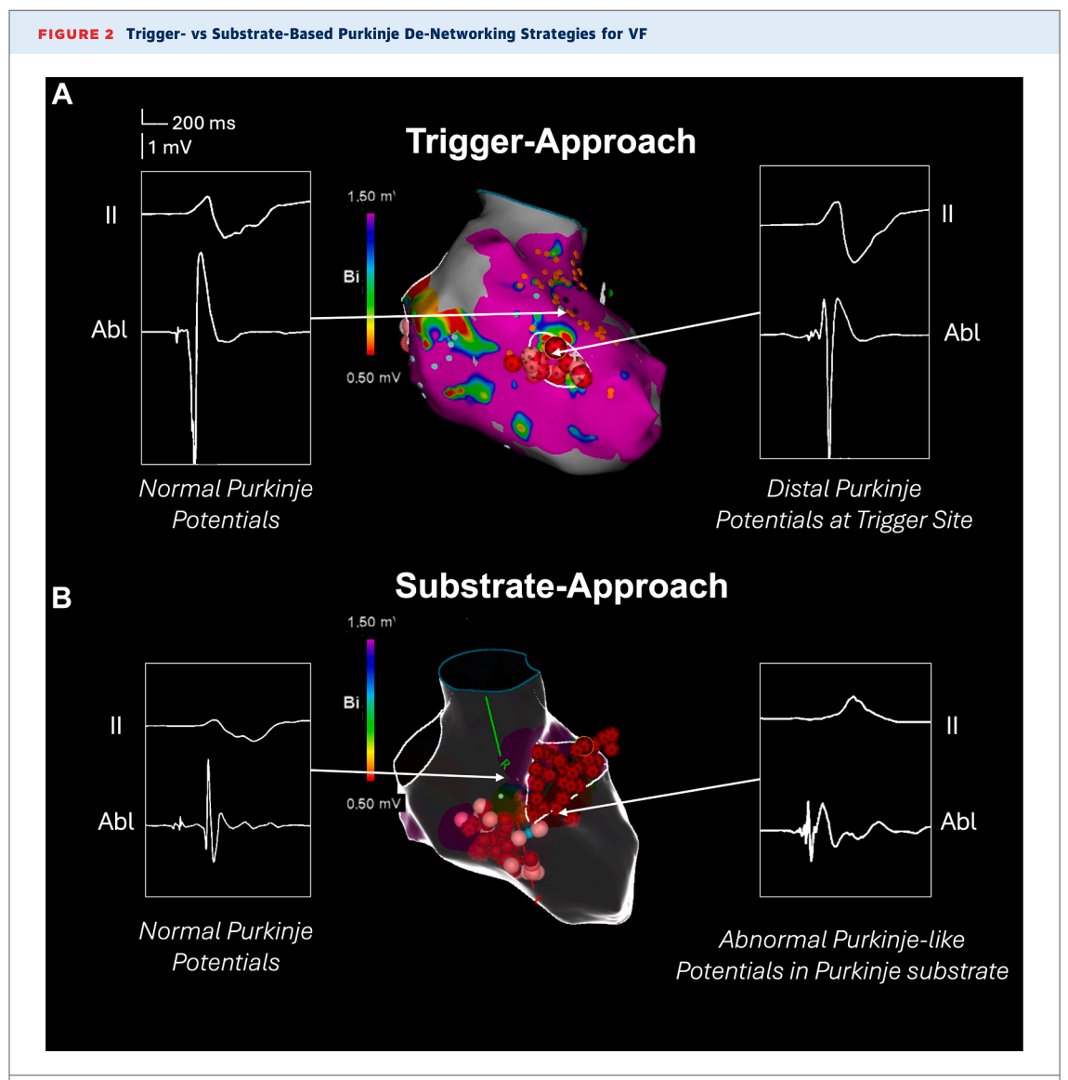
🧵1/ Trigger vs Substrate in Purkinje VF — which strategy wins?
#HRS2026 data comparing trigger vs substrate-based Purkinje de-networking provides first direct answer.
Purkinje-mediated VF arises from:
🎯Discrete PVC/fascicular triggers
🌐Diffuse abnormal Purkinje substrate
👉 Key question: target the trigger… or the network?
Excited to share this new book on Cardiac CT!
Forever grateful to Dr. Braunwald who asked me to write this and for his guidance and mentorship along the way. While we are mourning his recent passing, I will treasure all the conversations I had with him on #CCT and #Prevention
Learn how to safely obtain epicardial access from experts.
We will use animal models for hands on training. I’ll be teaching fellows and junior faculty on coronary vein CO2 insufflation.
Sign up here: https://t.co/WNXa64bUIu
Now open is registration for the 3rd Edition of the Epicardial Access in EP: Hands-on training and Discussion course!
This year's course will be held at @UChicago
on Friday, June 12th.
Sign up here: https://t.co/tefud99L4e
Learn from amazing faculty (+) Gain hands-on experience in the latest techniques for epicardial access
🧵1/ Trigger vs Substrate in Purkinje VF — which strategy wins?
#HRS2026 data comparing trigger vs substrate-based Purkinje de-networking provides first direct answer.
Purkinje-mediated VF arises from:
🎯Discrete PVC/fascicular triggers
🌐Diffuse abnormal Purkinje substrate
👉 Key question: target the trigger… or the network?
More data from our multicenter cohort of VF ablation patients. In this paper, @RobNKerley describes Purkinje electrogram characteristics seen in idiopathic VF vs. VF associated with structural heart disease.
https://t.co/WLAHbeth4Y
This HRS award winning work builds upon previously published VT Symposium award winning work by @RobNKerley and team.
Latest VF ablation paper: https://t.co/eWRkQyYiw9
Prequel ICD electrogram guided VF ablation free read is here: https://t.co/lYvmSM23zn
Multicenter data on Purkinje de-networking for VF
⚡️Substrate-based ablation → greater freedom from VT/VF
⚡️Trigger-based ablation → lower risk of conduction injury
Balancing efficacy and safety remains key.
Free read through this author share link: https://t.co/E5nOdCZmjb