$EARTH is live
CA - GET3UWDHddgWU4oWQjLVgaztFie6f3JfGeGtoUC1pump
Trench Earth brings Solana tokens into the real world. Tokens can be placed at real locations across the globe, and anyone can explore the map, travel to the location, and claim the token when they arrive.
Users can also list their own Solana tokens on the globe, choosing a real-world location where others can discover and claim them. Every token becomes a physical destination - turning the entire Earth into a map of tokens waiting to be discovered.
Another part we’re working through is how discovery scales when more locations start appearing.
A map with a handful of tokens is easy to understand. A map with a lot happening at once needs much more thought. We’re looking at how people move between nearby locations, how much information should appear before opening a location, and how to keep the map readable without hiding useful opportunities. This becomes especially important when community-created coins start sitting alongside tokenized stocks and other real-world assets. We want the map to feel alive, but never messy. A big part of the current build is finding that balance between showing people what’s around them and not overwhelming them with everything at once.
A lot of the work right now comes back to one idea: make the real world feel like part of the product, not just a background for it.
Better location tracking, clearer destinations, simpler claims, and easier discovery all lead toward the same thing. You should be able to open the map, see something interesting, and have a reason to go find it.
A lot of our current work comes back to the same goal: make the world feel like part of the product.
Better tracking, clearer claim states, easier discovery, and simpler location setup all point in the same direction. Open the map, find something worth walking to, reach it, and claim it without unnecessary friction.
Another part we’re working through is reliability when more people are moving around and claiming at the same time.
This kind of product isn’t just someone sitting on one screen. People are moving, checking the map, approaching different locations, and trying to claim while the product keeps updating around them. We’re preparing the experience for more activity by focusing on consistency between location discovery, movement, and claim status. We don’t want one part of the flow to feel current while another feels delayed or unclear. A lot of the work here is less visible than the map itself, but it matters because the real-world side only works if everything stays connected while people are actually out using it.
Another part we’re working through is reliability when more people are moving around and claiming at the same time.
This kind of product isn’t just someone sitting on one screen. People are moving, checking the map, approaching different locations, and trying to claim while the product keeps updating around them. We’re preparing the experience for more activity by focusing on consistency between location discovery, movement, and claim status. We don’t want one part of the flow to feel current while another feels delayed or unclear. A lot of the work here is less visible than the map itself, but it matters because the real-world side only works if everything stays connected while people are actually out using it.
We’re improving how asset types connect with the map.
Meme coins, tokenized stocks, and real-world assets can all appear as things to discover, but they still need to be easy to tell apart. We’re refining how that information is presented before someone decides to head toward a location.
The latest work has been focused on making discovery hold up as the map gets busier.
A few locations are easy to browse. A lot of locations can quickly become difficult to read, especially when different types of assets are sitting close to each other. We’re looking at how markers, location details, and nearby discoveries should behave when there is more activity on the map. The goal isn’t to show everything at once. It’s to help people understand what matters around them without making the map feel crowded. We’re also thinking about how someone moves from one discovery to the next, because exploring several nearby locations should feel natural instead of forcing you to constantly restart the experience.
We want to address a question that was raised in our comments, because we take allegations about our team and account activity seriously.
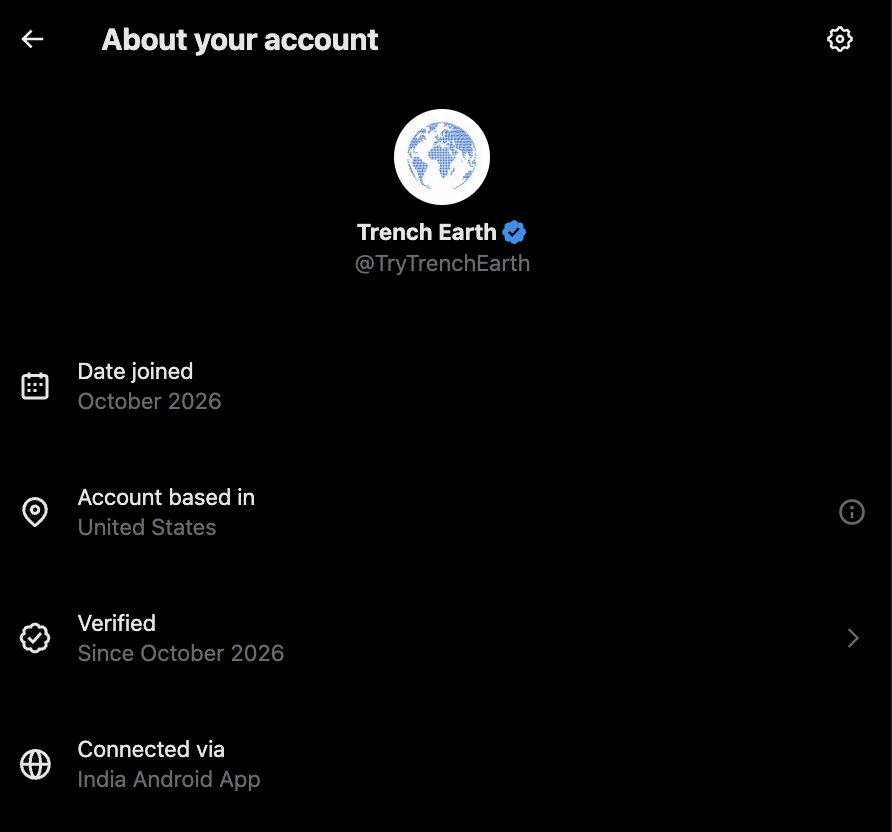
Someone pointed out that our account appears to be based in the United States while also showing a connection through the India Android app. Here’s the simple explanation:
Our team is made up of four people working across different locations.
I’m based in the United States and designed the core backend, architecture, and functionality of the application.
We also have a team member based in India who manages our X account, creates graphics, and handles a large portion of our social content. When he accesses the account through the Android app in India, it naturally shows as a connection from India.
The other two members of our team primarily work on the frontend, design, and additional graphics.
We have nothing to hide about how our team operates. We are a distributed team, and different members access and work on the same account from different locations.
We’d rather address questions openly than ignore them.
The product, the team behind it, and the work we’re putting in are real. We’ll continue building and let the product speak for itself.
Using Creator fees for buying back and burning it immediately
But we won't use the entire creator fees for buying back. We are planning a bigger step which includes using Creater fees for buying tokens and listing it to the globe so that people can claim more and more tokens
https://t.co/XoAuJM3Cvo
A small thing we’ve been cleaning up is claim feedback.
When someone reaches a location, the product needs to clearly show whether they’re still approaching it, ready to claim, or already finished. We’re making those states easier to understand so the final step doesn’t feel uncertain.
@RetardedNi85688 So far, people are listing the assets but I want to be honest with you: people are still not claiming tokenized assets to the given location for that, we are bringing the solution with our new update, which brings up a 10 km radius to the asset drop
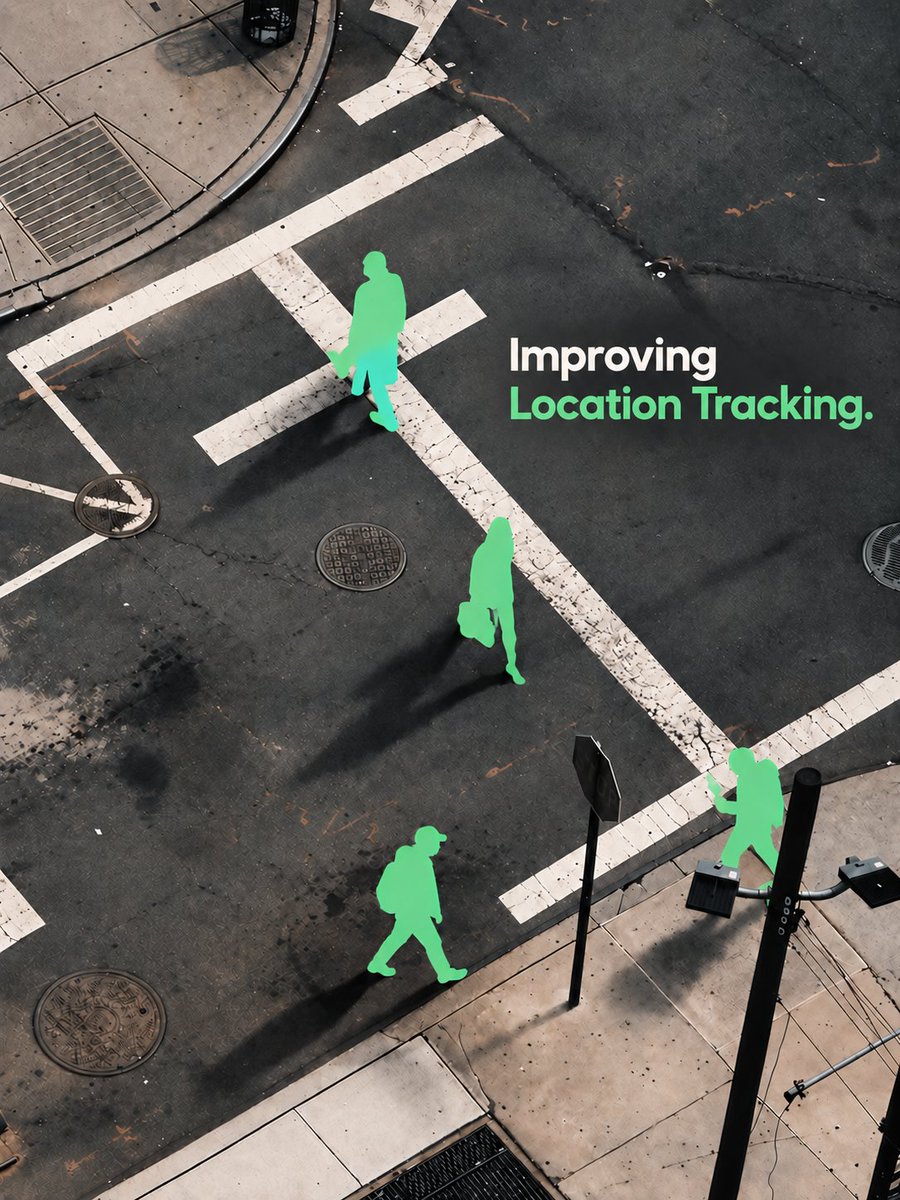
We’re improving location tracking.
The whole experience depends on one thing being clear: when you actually reach a token location, the app should understand that properly. We’re refining how the product handles real-world movement so claiming feels tied to where you really are, not just where the map thinks you might be. This matters even more in busy streets or places where locations sit close together. We want people to explore, reach the right spot, and immediately understand when they’re close enough to claim.
The promo touches exactly what we’re focused on right now making the real world part of Trench Earth feel dependable.
More assets can now make it onto the Globe.
We’ve lowered the minimum asset value required to list from $10 → $0.50.
That means you can now list much smaller-value tokens on Trench Earth and give people even more assets to discover and claim in the real world.
$0.50 minimum asset value.
More tokens. More locations. More to discover.
We’re changing how creators attach their coins to real-world locations.
The idea sounds simple: choose your coin, choose a place, and let people claim it there. But the setup can easily become confusing if too much information is shown at once. We’re working on making that flow more straightforward, especially around choosing the location and understanding
Still refining location accuracy.
People can approach a claim point from different streets, buildings, or directions, so we’re working on how the product handles that movement. Reaching the right place should feel obvious without forcing users to stand around and wonder whether the app has recognized them yet.
We’re improving real time claims.
The main thing we want to get right is what happens when someone actually reaches a location. It should be obvious when you’re close enough, what you’re about to claim, and what happens next. We’ve been refining that part of the experience so it feels less like waiting on a map to catch up and more like the product understands that you’ve arrived.
We’re also looking at how claim status is shown while someone is moving, because users shouldn’t have to keep guessing whether they’re in the right place. The promo focuses on this for a reason real time claiming is one of the most
We’re updating how different asset types are shown on the map.
A meme coin, tokenized stock, and real-world asset shouldn’t all feel like the same thing when you discover them. We’re working on making it easier to understand what each location actually contains before you start heading there.
One issue we wanted to solve is the gap between discovering a token and actually claiming it.
Seeing something interesting on the map is only the first half of the experience. After that, you need to know where to go, how close you are, and what happens when you arrive. We’re refining that entire flow so there are fewer moments where someone has to guess what to do next. The goal is to make the journey feel natural: find a location, start moving toward it, reach the area, and know when the claim is ready.
None of those steps should feel disconnected from each other.
A small thing we’ve been cleaning up: finding what’s actually worth walking to.
When multiple tokens are around you, the map can get noisy pretty quickly. We’re working on making nearby locations easier to understand at a glance, so you can tell what’s there before deciding where you want to go.