Tsaousis laboratory is interested in methods to investigate the parasitic and free-living microbial eukaryotes living in diverse and extreme environments.
Today is #InternationalBlastocystisDay. Blastocystis colonises at least 1 billion people, yet its role in health and disease is still unclear. COST Action CA21105 brings human, animal & environmental research together. https://t.co/DNS0aNtyn0 #OneHealth
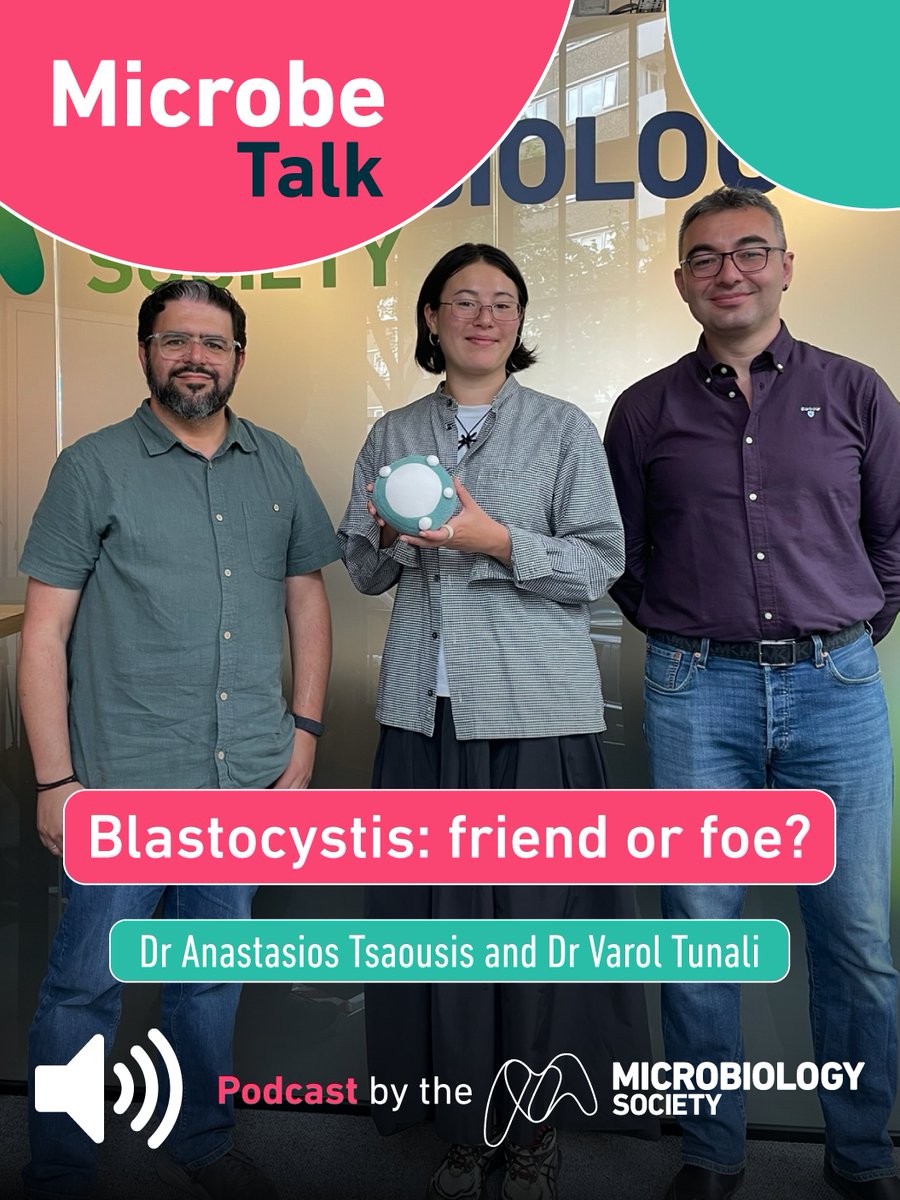
🎧Have you listened to the latest episode of Microbe Talk yet? Last month, Anastasios and Varol joined us to discuss what we know so far about the mysterious protist, Blastocystis. Click here to listen on Apple, or get it wherever you get your podcast🔗 https://t.co/gxyYOR9j6W
The #Blastocystis Biobank: a curated, multi-host biological resource of cultures, nucleic acids, metabolites, and stool-derived aliquots with a controlled-access virtual catalogue for global research.
@BlastocystisC@Blastocystis@COSTprogramme
https://t.co/deB3l62wNK
Honoured to be included in the Stanford/Elsevier Top 2% Scientists list for a third consecutive year (single-year, 2025-2026), ranked 372nd globally in Mycology & Parasitology.
Huge thanks to my lab and the @BlastocystisC#Blastocystis network. 🔬🌍 #Parasitology
🔍It's the most abundant eukaryotic microbe in humans… But what role does it play?
Listen in to this month's Microbe Talk as Lilly chats with @ADTsaousis and Dr Varol Tunali to talk about what the evidence is actually uncovering about Blastocystis🔗 https://t.co/4WfhDfzRmm
1/ 🦐 New preprint: what shapes the gut microbiome of farmed decapods — the host, or the water it lives in?
We went back to the raw reads from 24 public BioProjects: 698 gut samples, 10 species, one harmonised pipeline.
https://t.co/MvS9NELDed
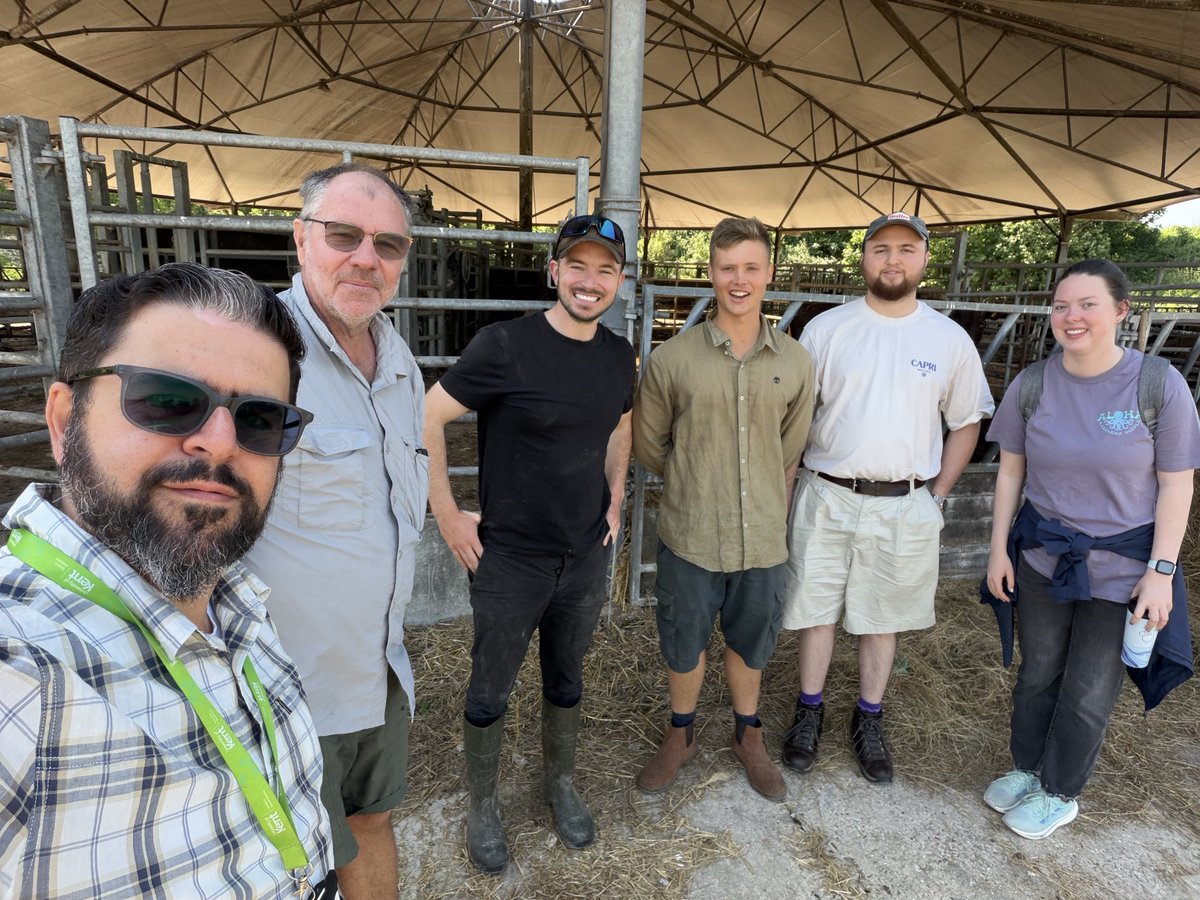
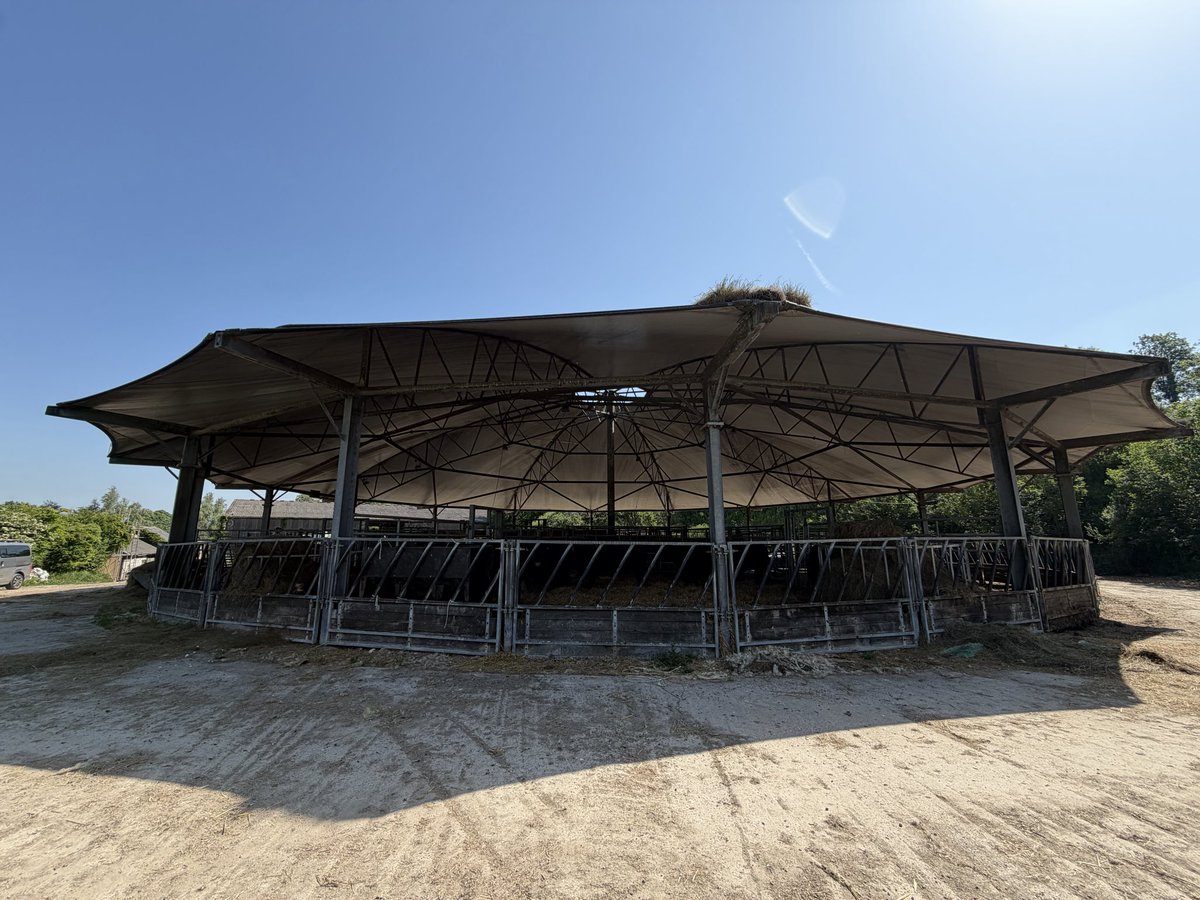
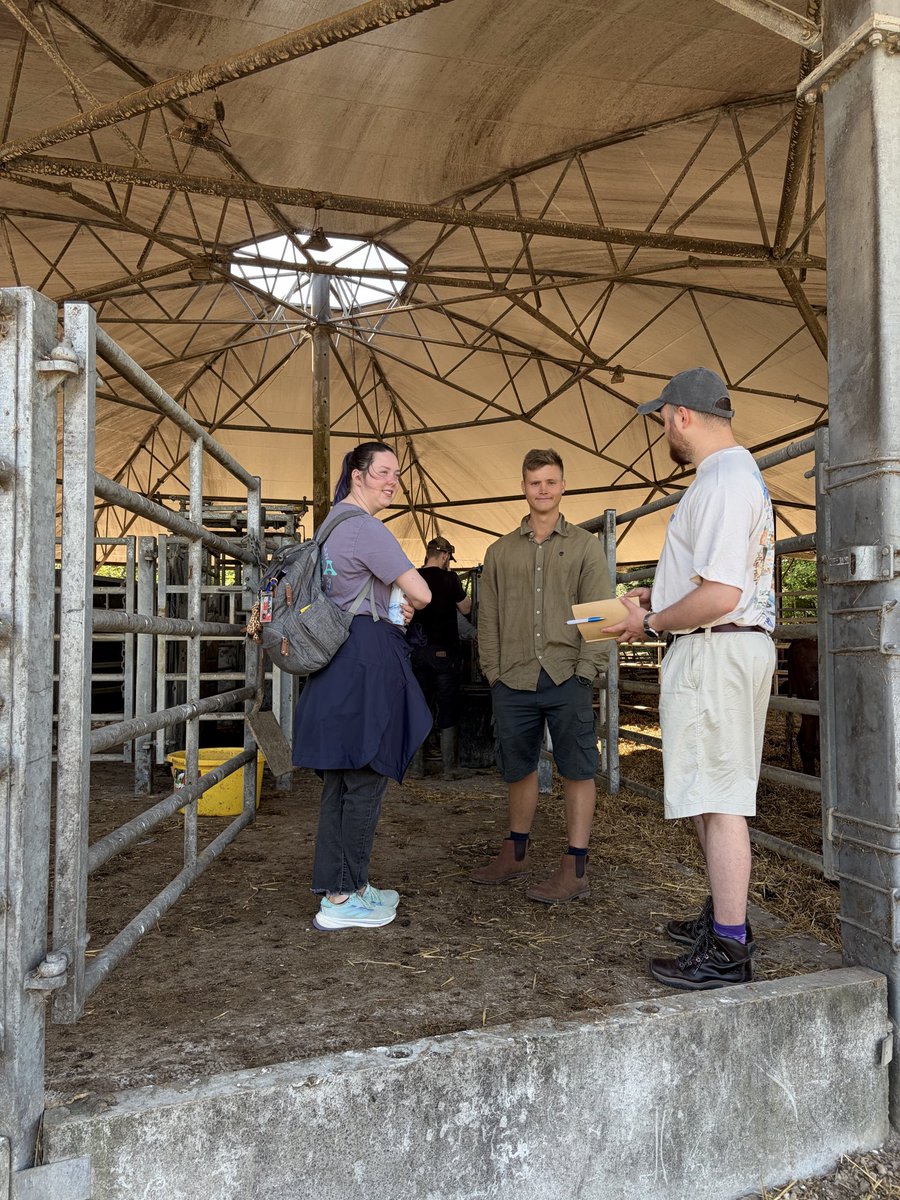
New preprint paper from our @TsaousisLab : A longitudinal intervention study on the impact of hardwood #biochar on the lower gastrointestinal #microbiome of UK beef cattle @SSRN@WedwardsSci
https://t.co/5r8ppD08t4
New paper: my recently graduated PhD student @Yaseen_AL_Glize led the first molecular survey of Cryptosporidium & Giardia in Algerian equines (n=197). Prevalence: 34% Cryptosporidium, 4.6% Giardia. A zoonotic C. parvum subtype was also found. #OneHealth
https://t.co/hmr5tpmEaW
13 years today at the @UniKent! 🎉
It’s been an incredible journey of research, teaching, mentoring, collaborations, and more deadlines (and coffee!) than I can count.
My biggest thank you goes to my amazing lab @TsaousisLab ! …/2
Our commentary on the role of #Blastocystis and #Urticaria:
We argue for better evidence: longitudinal sampling, quantitative detection, subtype/allele resolution, validated urticaria outcomes, and clearance-linked clinical endpoints.
https://t.co/pTplqPdgKp
#OneHealth
Happy to share our latest review in @ACS_Infectious on #Leishmania, Beyond the Sand Fly and the Macrophage.
We argue that tackling #leishmaniasis requires a deeper understanding of parasite biology, persistence, and host-vector interactions.
https://t.co/AKKy89KeKY
Today is World Chagas Disease Day!
At #ICOPA2026, the scientific program brings together the disciplines needed to understand diseases like this in full.
🔗 https://t.co/1xPC8z2iL7
#Parasitology#GlobalHealth@WorldFedPara
Many thanks to the @MicrobioSocfor inviting me to speak at #microbio26 in Belfast (Ireland), where I discussed #Blastocystis and its role in health and "disease" through the pioneering work we are developing in our @TsaousisLab, with support from the @BlastocystisC Action.