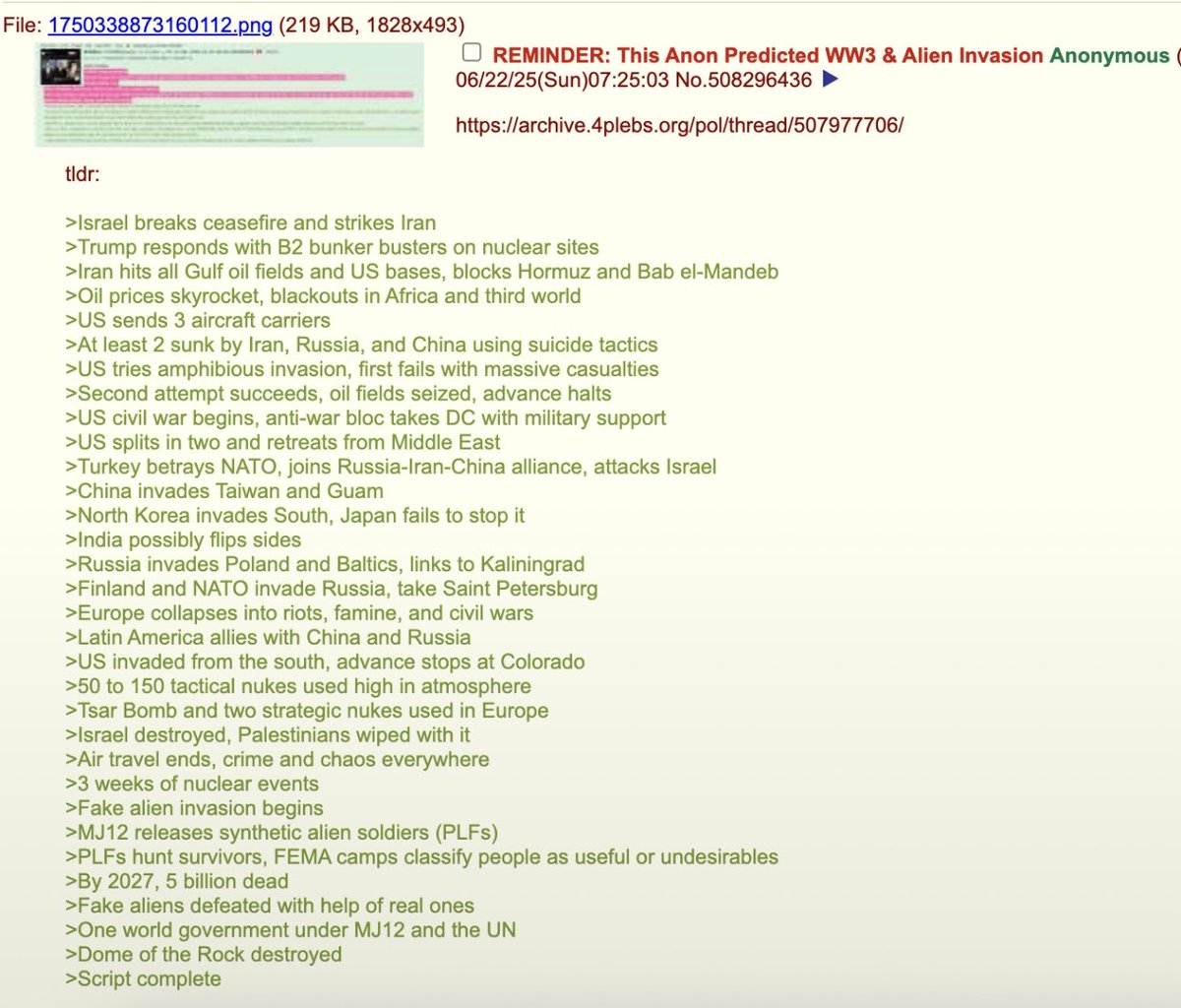
In June 2025 on 4chan, an anonymous poster dropped what he called 'the script' — a full timeline predicting the next phase of global events.
He warned of Israel breaking ceasefires and striking Iran, Trump responding aggressively with bunker busters, Iran hitting all Gulf oil fields and U.S. bases, oil prices skyrocketing, failed invasions, U.S. civil war, tactical nukes, then a staged fake alien invasion using synthetic soldiers released by MJ12.
By 2027 — 5 billion dead and a one world government.
The war's early phases are unfolding eerily close to the script: Israel struck Iran after fragile truces collapsed, Trump unleashed bunker-busters on hardened sites, Iran retaliated by hitting Gulf oil fields and U.S. bases, oil prices exploded, and the U.S. surged carriers into theater (two active now—Lincoln and Ford—with a third, Bush, on the verge of joining).
Coincidence or did an anon really leak the playbook?
Sitting US Congressman Ted Lieu just said on the record:
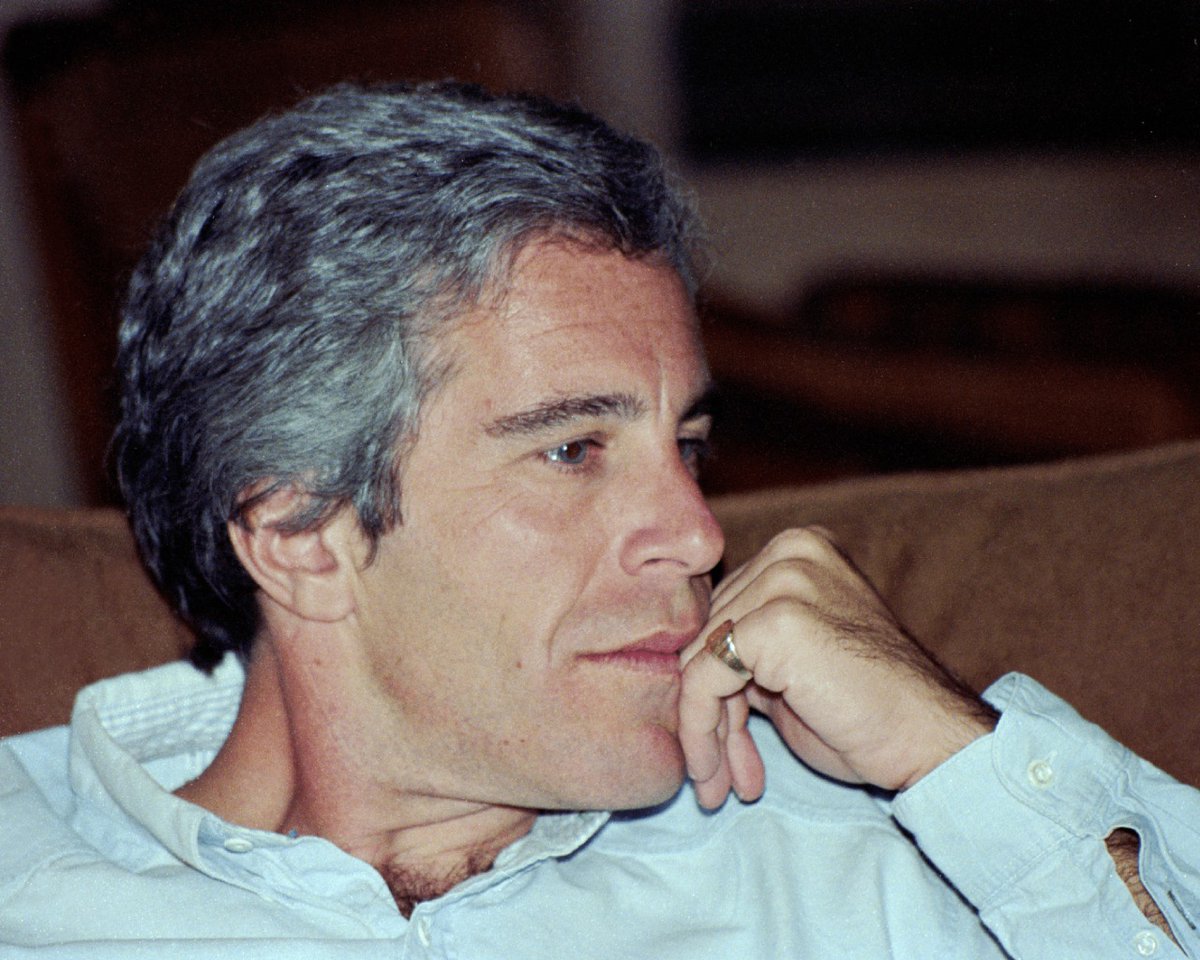
The full Epstein files contain information that Donald Trump raped minors.
This is a member of Congress.
On camera. On the record.
The DOJ admitted withholding footage of “death, physical abuse, and injury.”
Half of 6 million documents remain sealed.
Epstein’s accountant testified the estate settled with Jane Doe 4 for both Epstein and Trump.
Jane Doe 4 alleged to the FBI that Trump abused her when she was 15.
Trump started a war the same week the names were supposed to drop.
Pam Bondi testifies under oath April 14th.
A congressman just told you why the files are sealed.
Never stop connecting the dots.
🔥🚨BREAKING: El Salvador President Nayib Bukele just uploaded this footage showing the world just how dramatic El Salvador’s transformation has been since he became president.
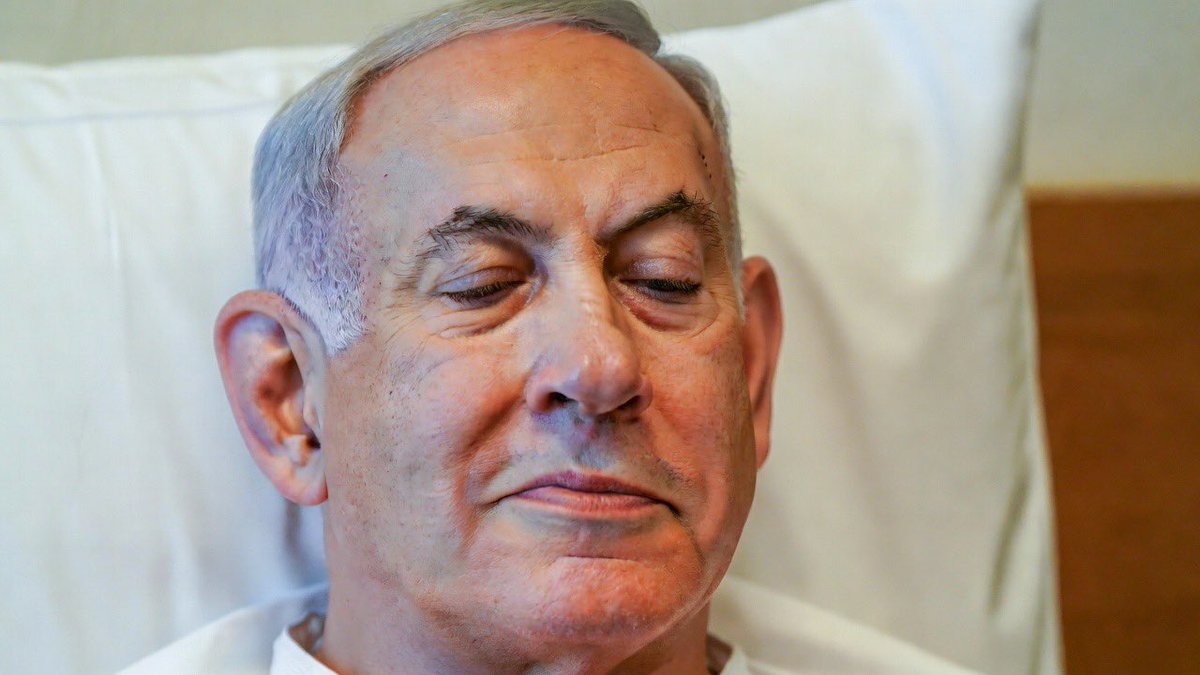
Netanyahu died on March 8th, 2026.
Yair, his son who posts 24/7, took an exact 7 day break on X from 3/8 to 3/15. That lines up precisely with the Jewish Shiva mourning period.
President Trump looked visibly shaken on 3/8.
Now they are striking oil fields and hitting civilian infrastructure in response. They wouldn’t do that unless something serious happened, like a major assassination.
That also lines up with the strange military council absences and event cancellations.
Every video you are seeing of him after 3/8 is AI assisted.
🇨🇱 SANTIAGO, CHILE 🇨🇱
The most "first world" city in Latin America and nobody's talking about it:
→ Highest HDI in the region
→ Modern metro system that actually works
→ Andes Mountains visible from your apartment
→ Wine country is a 45-minute drive
→ World-class hospitals and healthcare infrastructure
→ Fastest growing tech scene in South America
→ 90 minutes to the beach, 90 minutes to ski
→ Safest major capital in LatAm by the numbers
→ Cost of living 40%+ cheaper to comparable US cities
→ Real economy with real jobs, not a tourist town
The catch?
→ It's not cheap by LatAm standards
→ The weather is mid during certain times of the year
→ Nightlife doesn't touch other capitals in the region
→ Chilean Spanish will mangle the gringo mind
But if you want a city that just works — Santiago is the answer most people aren't considering
🚨 BREAKING: A new research paper proved that the future computer will have no apps at all and no operating systems like Windows, macOS, or Linux.
Instead, it may run entirely on AI agents.
The concept is called AgentOS.
Here’s the problem researchers identified.
Today’s AI agents are becoming incredibly capable.
Systems like OpenClaw can already:
• control a local computer
• execute complex workflows
• connect and use external tools
• perform multi-step tasks autonomously
But there’s a hidden limitation.
All of these agents still run inside traditional operating systems.
And those systems were designed for a completely different era.
Modern operating systems like Windows, macOS, and Linux were built around two interaction models:
• GUI (Graphical User Interface) clicking icons and navigating windows
• CLI (Command Line Interface) typing commands into a terminal
These models were designed for humans manually operating software.
Not for AI agents coordinating complex tasks across dozens of tools.
This creates a fundamental mismatch.
And it leads to several problems.
First: fragmentation.
Every application exists in its own silo.
Data, workflows, and permissions are separated across different programs.
Second: context loss.
When a task spans multiple tools, the system has no unified understanding of what the user is trying to accomplish.
Each app only sees a small piece of the workflow.
Third: messy permissions and hidden automation.
Many AI tools bypass normal system controls to get things done.
Researchers call this phenomenon “Shadow AI.”
Where autonomous agents operate across systems without clear structure, governance, or transparency.
In short:
AI agents are powerful.
But the operating system architecture isn’t designed for them.
So researchers propose a new paradigm.
A new type of operating system called AgentOS.
Instead of apps running on the system…
The system itself becomes an AI coordination layer.
At the center is something called the Agent Kernel.
Think of it as the brain of the entire computer.
This kernel continuously interprets user intent and manages intelligent agents.
It can:
• understand natural language requests
• break complex tasks into smaller steps
• coordinate multiple specialized AI agents
• select the right tools for each step
And traditional software?
It evolves into something called Skills-as-Modules.
Instead of launching separate applications, capabilities become modular skills that agents can dynamically combine.
For example, instead of manually opening multiple tools:
• a document editor
• a spreadsheet
• a presentation app
• an email client
You simply say:
“Analyze this report, extract the key insights, create slides, and send them to my team.”
The Agent Kernel interprets the request.
Then it automatically selects and orchestrates the required skills.
No apps.
No switching windows.
Just intent → execution.
In other words:
Computers stop being app platforms.
They become intent platforms.
Anoche en Miami tuve la experiencia de ir en un Tesla Y que se conducía solo. Y si, se conducía solo, hasta salía del aparcamiento. Nunca tuve que hacer nada. Elon Musk venía diciendo desde 2018 que esto ocurriría en 2020. Se adelantó 5 años pero esa es su manera de hacer trabajar sus empresas más rápido que cualquier otra. Con esto in mente mira esta predicción sobre la medicina.
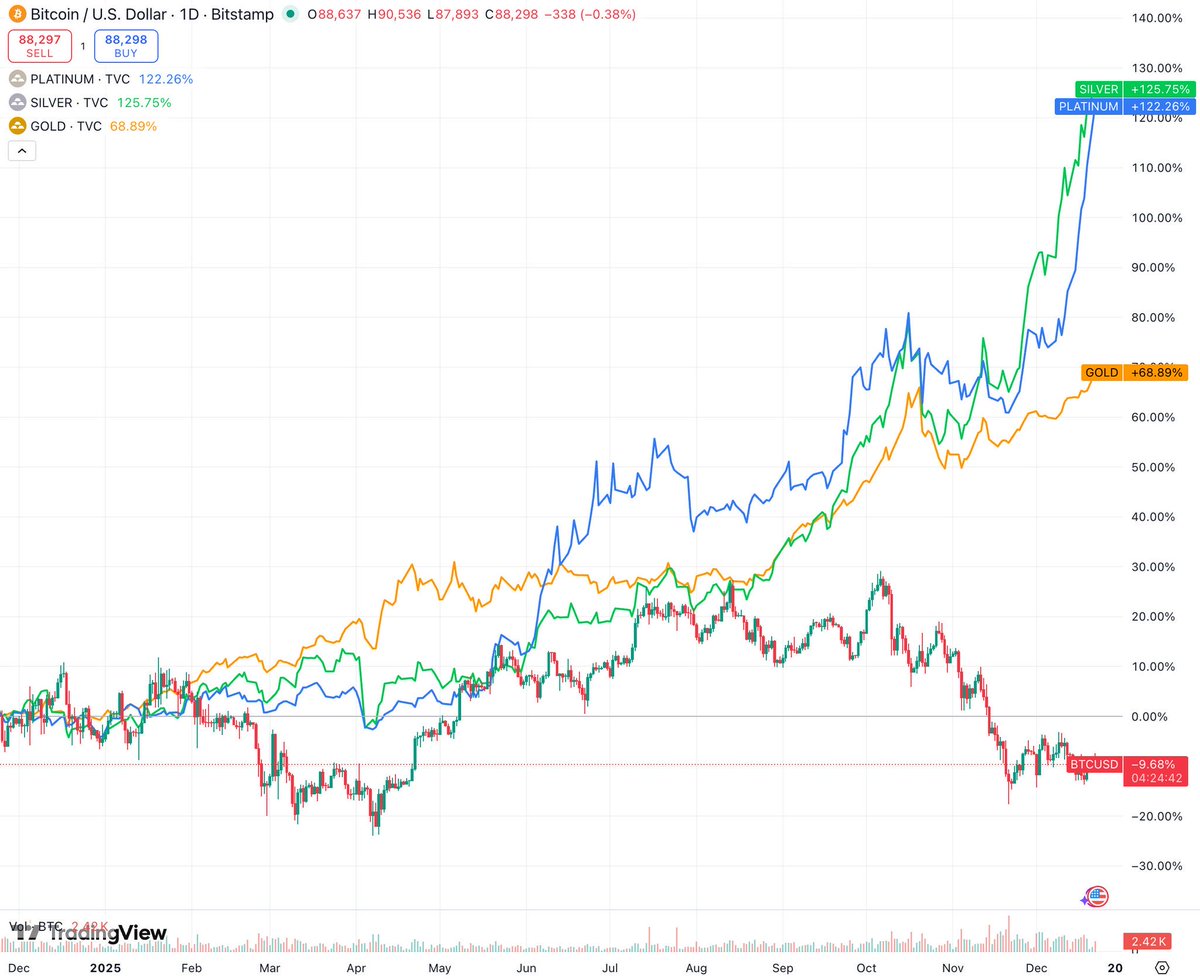
something absolutely fucking broke and some serious shit is going on since october 10 and we deserve to know real answers not just speculations and rumors
there is no liquidity and no bid on crypto since and non stop selling
CHARLES HOSKINSON: TRUMP'S MEMECOIN DERAILED CRYPTO REGULATION
Charles Hoskinson says crypto was on track for a bipartisan regulatory win, until TrumpCoin changed the optics.
According to Hoskinson, the CLARITY Act was expected to pass with broad support in late 2024. Around 70 senators were projected to vote yes, and crypto had backing across both parties after the Gensler era.
Then $TRUMP launched.
Hoskinson argues the timing mattered. Launching a personal crypto project before a clear regulatory framework gave critics an easy narrative: crypto became “Trump = corruption” instead of a neutral technology issue.
That shift made it politically harder for Democrats to support the bill. Voting for crypto suddenly looked like endorsing Trump himself, which turned CLARITY into a midterm campaign weapon instead of bipartisan legislation.
He says the fallout wasn’t just political, it distorted the market. Bitcoin pushed to new highs, but altcoins stayed suppressed as regulatory uncertainty froze risk-taking and capital rotation.
Hoskinson’s takeaway is blunt: if the framework had passed first, TrumpCoin could have launched later with legal clarity, less backlash, and likely more success.
Instead, crypto lost momentum at a critical moment, not because of tech or demand, but because of timing and optics.
The Power Law Drawdown indicator measures deviation from Bitcoin’s power-law fair value, not absolute price.
When price trades far below the long-term adoption curve, it shifts into red, highlighting structural mispricing, not short-term fear.
Historically, the deeper into red this model goes, the more asymmetric the long-term risk-reward becomes. It ignores weeks and months and focuses purely on adoption-driven valuation drift.
Right now, we’re in the orange zone, roughly a ~22% discount to power-law fair value.
Can price go lower? Absolutely.
But if it does, history says the opportunity only improves.
#Bitcoin #BTC #Crypto