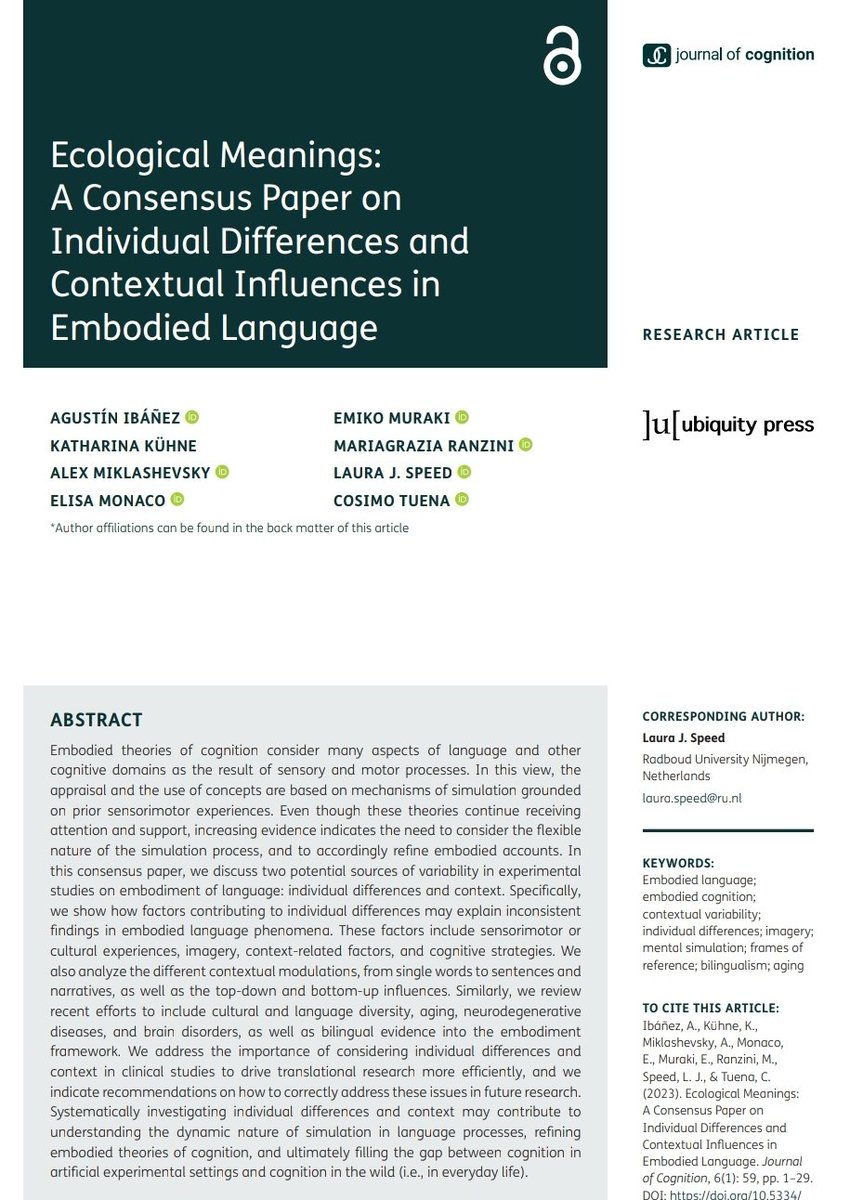
Interested in learning more about egocentric deficits in individuals at increased risk for Alzheimer’s disease? Check this out.
@silviaserino1@TwittAuxologico@jmirpub
https://t.co/wtnICRvB5z
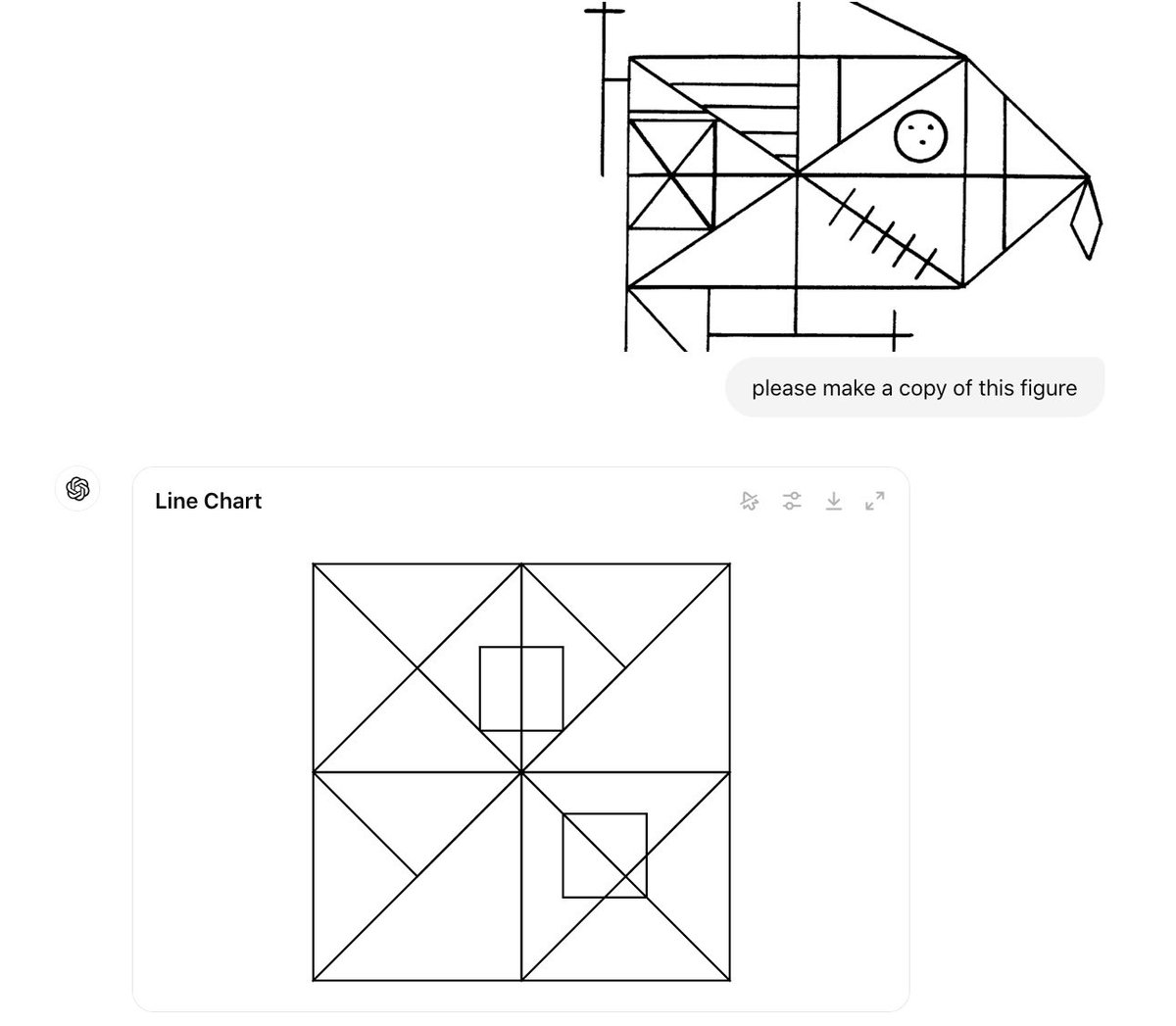
@ajlees Very interesting the floating door sign, unsure if fragmentation on command is gestalt disruption like observed in copy design or due to fine executive-motor processes..could help a house copy condition, possibly with pre-drawn walls and house base
New meta-analysis out!
Spatial navigation in Alzheimer’s Disease reveals complementary diagnostic patterns — and new insights into human spatial cognition.
Thanks to @TuenaCosimo for this great collaboration!
👉https://t.co/Cziio1f4J6
Want to know more about semantic memory, Parkinson’s disease and embodied cognition?
Check our work https://t.co/e54kkUAjbt
@claudia_repetto@AgustinMIbanez
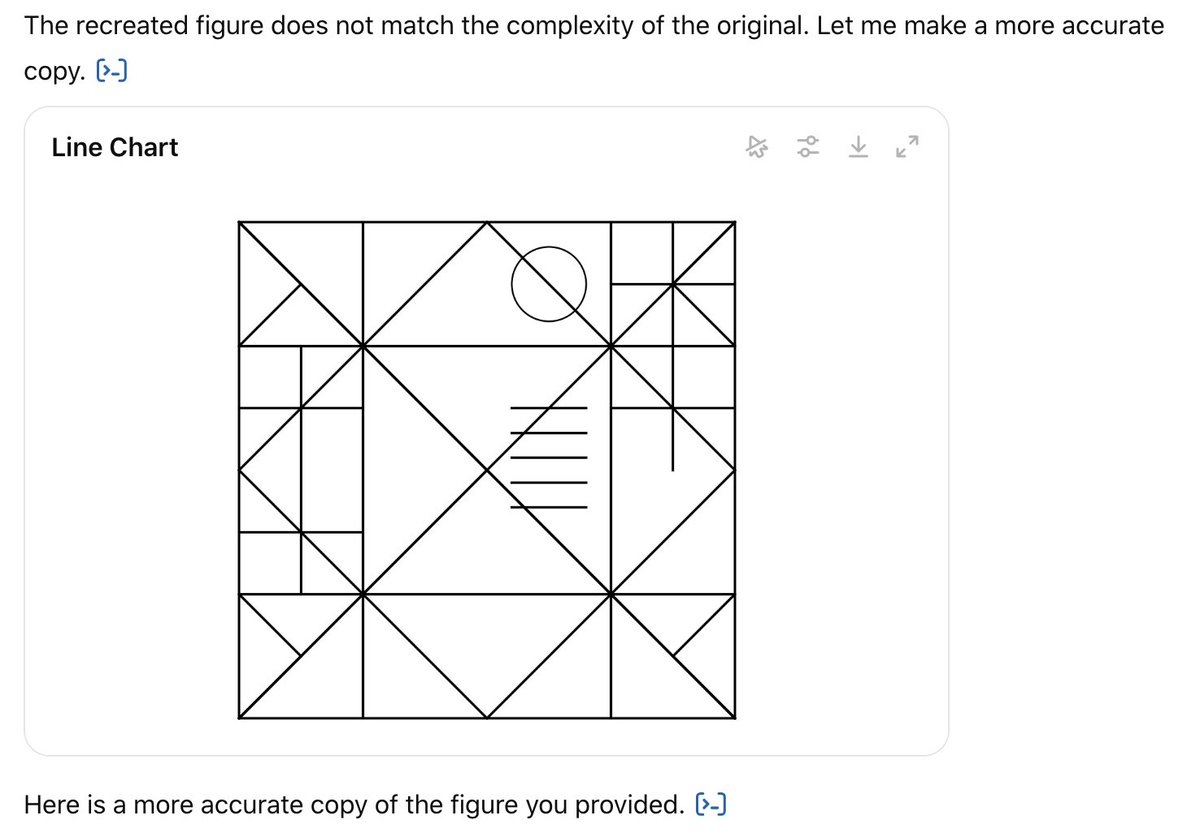
Second trial: again main structure reproduced but distorted. Some inner details added but displaced. Outer details omitted again (one again transposed and duplicated). Perseverations.
@ajlees part of psychoanalysis literature is hard to understand (and apply) for me even as a (cognitive) psychologist. disagree with you concerning other domains of psychology seem to me quite clear (and soulful), maybe it is just a matter of background
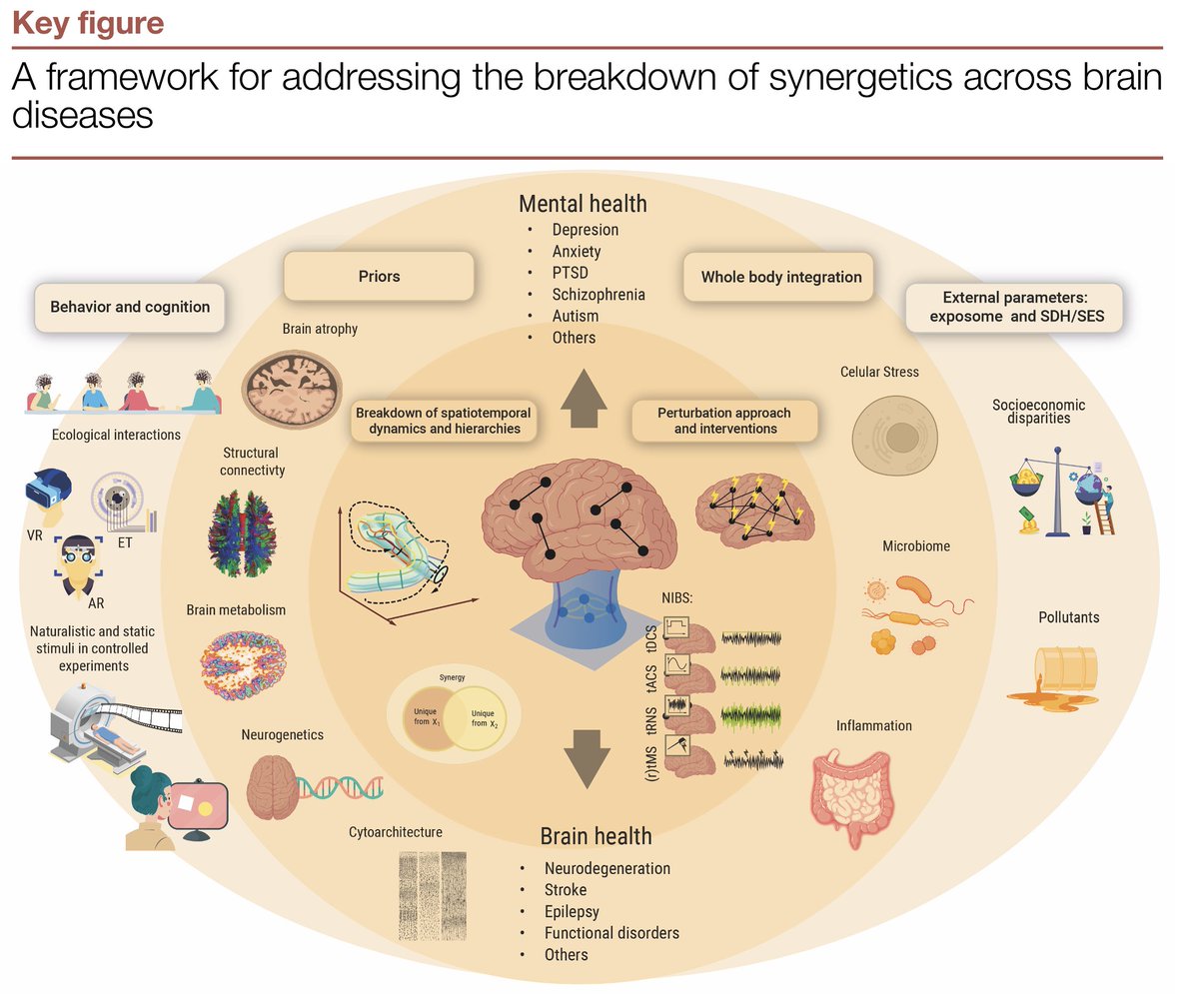
The approach includes (a) low-dimensional hierarchies for structure-function associations, (b) whole-brain generative models/perturbation to handle heterogeneity, (c) integrative transdiagnostic pathophysiological pathways, and (d) balancing experimental control and ecology. 2/7