@gumbi_moyana@HillaryMusarurw I think he can keep the Chancellorship if he wants be “chief”. Give the ceremonial capping to senior staff and have different graduation days for different faculties. Current setup is taking away from graduates and making it about him🤦🏾♂️.
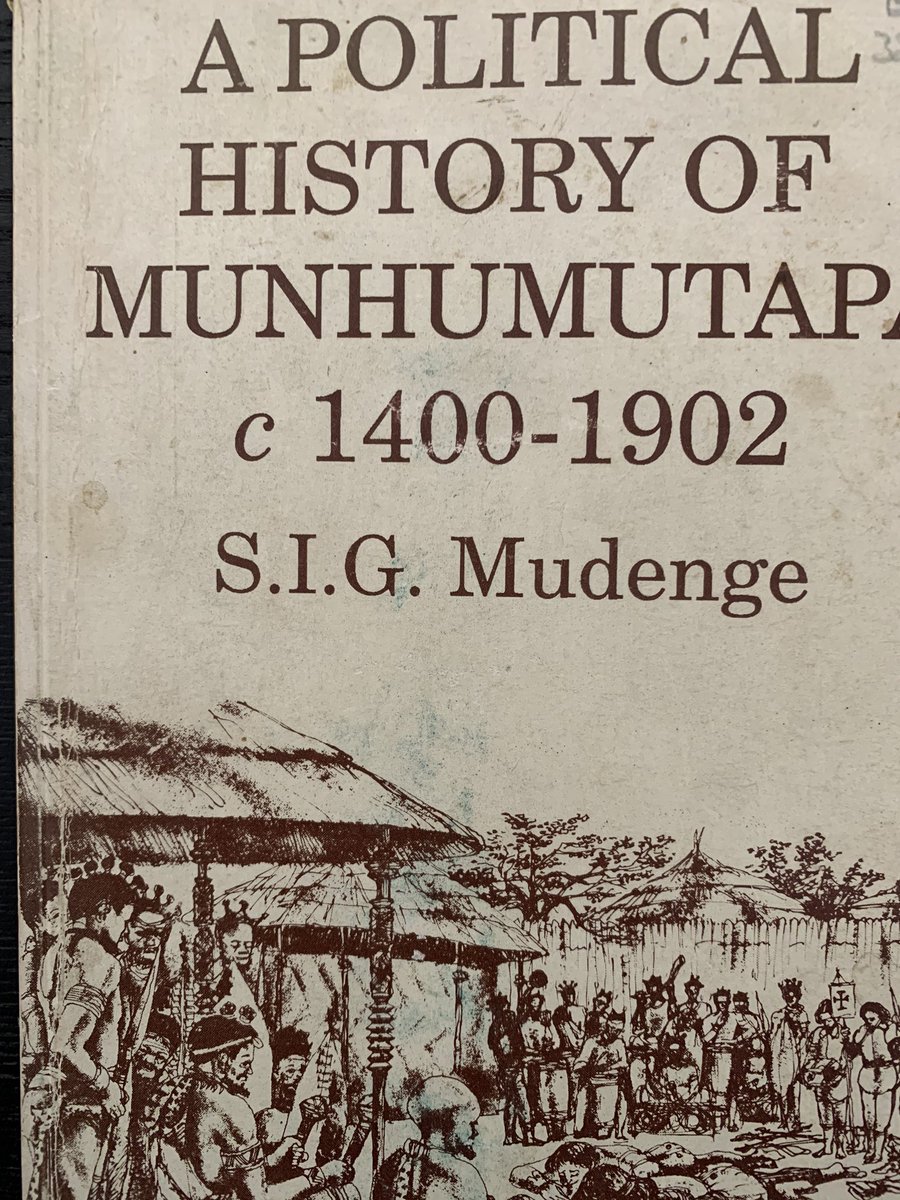
This is the best book ever written about the Mutapa empire. So committed to his subject was the brilliant Stan Mudenge that he learned Portuguese to access the Portuguese Archives. I based my own Portuguese-learning Mutapa loving historian in The Book of Memory partly on him!
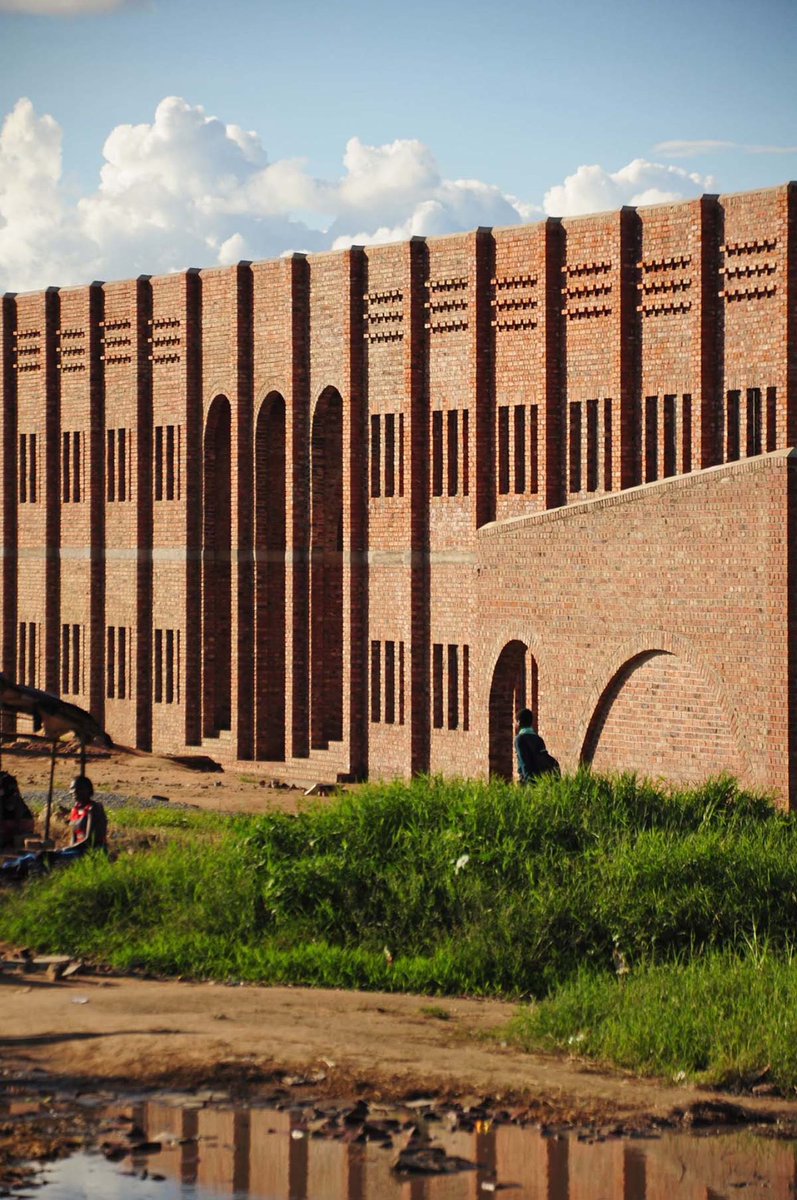
In Hopley, on the edge of Harare, a primary school was built almost entirely by hand. 600,000 bricks, laid one at a time by local masons, foremen, and untrained young workers learning the trade as they went. No steady water supply on site. No steady electricity. Seven construction phases across seven years, built by Ingenieure ohne Grenzen, a Berlin-based nonprofit, working alongside the Hopley community itself.
A thread 🧵
@SeanMendis@KenyaAirways Spent 3 hours to go through immigration on a Sunday flight from SA. Yep lots of people but did not justify the time it took. For the sake of KQ brand they should do something about the airport 🤦🏿♂️!!
@palesaaaaaaaaaa I think SA is predominantly an urban society and had a shift from out door hard labour to indoor sedentary work/life etc. Muscle tone, lean built, weathered skin, and lower body fat is no longer the norm.
Operation Grapefruit 🇿🇼
This is an account of the Zimbabwe Defence Forces’ assault on Muxamba in Mozambique, targeting the South African-backed rebel movement RENAMO.
--------------
By July 1985, we knew that something significant was being prepared.
Nobody called it Operation Grapefruit in casual conversation.
Names attracted questions, and questions were discouraged. We were simply told to prepare for an extended deployment and that the operation would involve infantry, paratroopers, commandos and the Air Force.
Our earlier mission, Operation Lemon, had failed to achieve the decisive result the commanders wanted. We had destroyed positions, but most of the enemy had escaped.
Lemon had nevertheless revealed something important: the camps near Zimbabwe were mainly staging positions. RENAMO’s important bases were deeper inside Mozambique - at Muxamba and around the Gorongosa Mountains.
This time, the ZDF intended to reach them.
We moved men and equipment through Mutare and across the border to Chimoio.
A forward replenishment point was established at Grand Reef to support the aircraft operating between Zimbabwe and Mozambique.
3 infantry brigades had been mobilised, supported by the Parachute Group, One Commando Battalion and the Air Force.
At Inkomo, troops rehearsed Fireforce-style operations. We trained repeatedly for rapid insertion, target identification and coordination between aircraft and ground forces.
The maps showed roads, rivers and settlements.
They did not show how thick the bush was, how quickly tracks disappeared or how every village became a potential source of intelligence for RENAMO.
The first major target was Muxamba, approx 70 kilometres south of Chimoio.
Intelligence estimated that hundreds of RENAMO fighters were based there.
But the attack had another purpose: it was intended to focus RENAMO’s attention on Muxamba while 3 heavily armed Zimbabwean battalions began moving towards Gorongosa.
The assault started on 20 August.
Aircraft struck first, followed by paratroopers and advancing elements of 3-Brigade.
From our position, we could hear the explosions and the heavy rhythm of automatic fire. Smoke appeared above the trees.
The fighting continued as the ZNA pushed into the base. Some RENAMO fighters resisted, while others slipped into the surrounding bush.
That was always the difficulty: capturing a camp did not necessarily mean destroying the force occupying it.
We moved through the abandoned positions after the main assault. There were huts, stores, trenches and equipment left behind during the withdrawal.
Muxamba was not merely a temporary collection point. It was a functioning regional base.
But Muxamba was not our final objective.
While attention remained fixed on the fighting there, the main ground formations continued their preparations to take the Gorongosa Mountains.
By 27 Aug, the three infantry battalions had reached their forming-up positions around Gorongosa.
The most difficult part had been achieved: several thousand Zimbabwean soldiers were now positioned near RENAMO’s national headquarters without the enemy fully understanding the scale of the attack.
But we still had a serious problem.
We were not entirely certain which position was Casa Banana.
RENAMO had established several camps around the Gorongosa Mountains.
Intelligence provided only a grid reference.
Because of that uncertainty, the airborne force was divided to investigate and attack several suspected positions.
Before dawn on 28 Aug, 5 Air Force aircraft departed for Gorongosa.
The ground battalions waited for confirmation.
Then came the message.
A helicopter flying over one of the suspected areas had identified a small airstrip. The pilot reportedly saw a green pickup truck disappear into the bush.
Casa Banana had been found.
Moments later, the mountain erupted.
@KuraChihota@ny_emman I think quality and service levels in the hotels are the main problem. Old and outdated. Traffic/Flights in and out of Harare show decent business traffic.
@ManziniZungu_@Radio702@daddyhope 😂😅🤣“The mortality rate plummeted, and my broiler chickens grew faster. I have since expanded my operation from 200 to 10,000 birds per cycle (over about two years)”