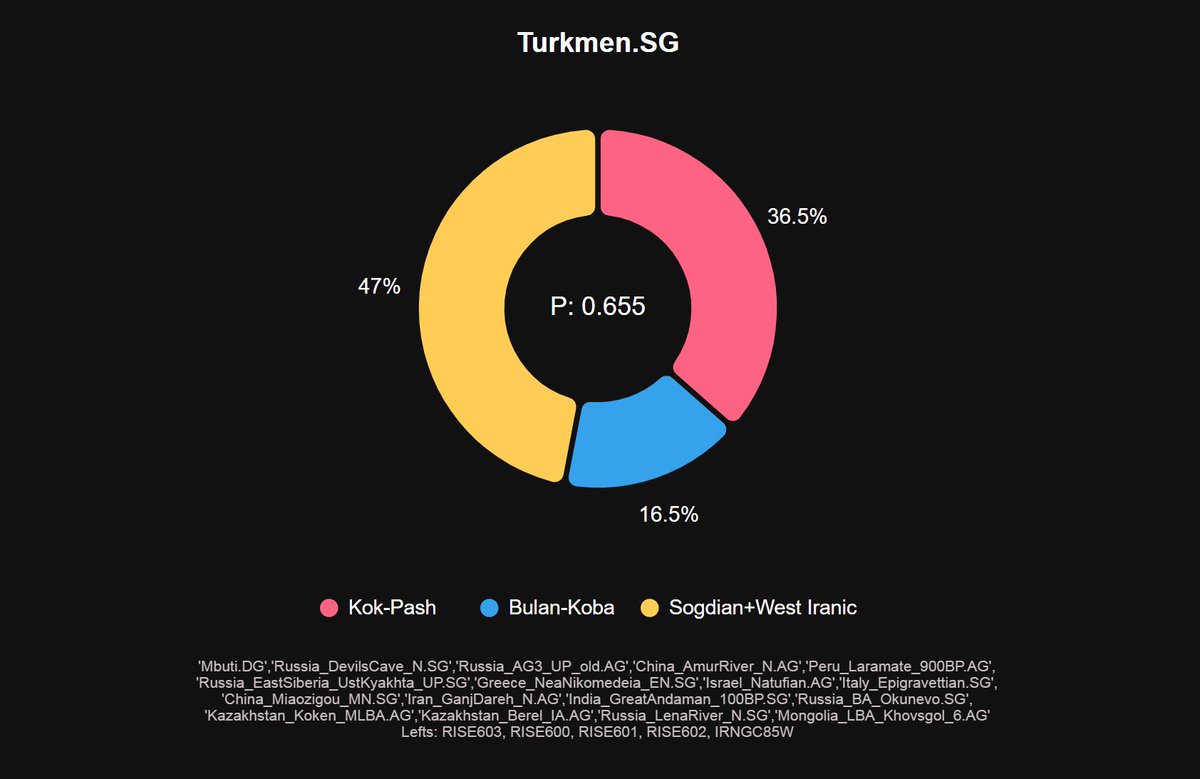
@oghurian If the 46% Sogdian segment is re-evaluated as a composite of Khwarazmian+Alan-Sarmatian sources the model becomes much more explanatory.Given that the Oghuz territory was formerly a stronghold for Alan-Sarmat tribes interaction and genetic continuity are historically inevitable
The origin of the East Eurasian component in Turkmens shows a different pattern than Y-DNA alone. Despite the dominance of haplogroup Q, autosomal data indicates that 80–85% of this East Eurasian ancestry comes directly from Hunnic sources, rather than Siberian Scythians+
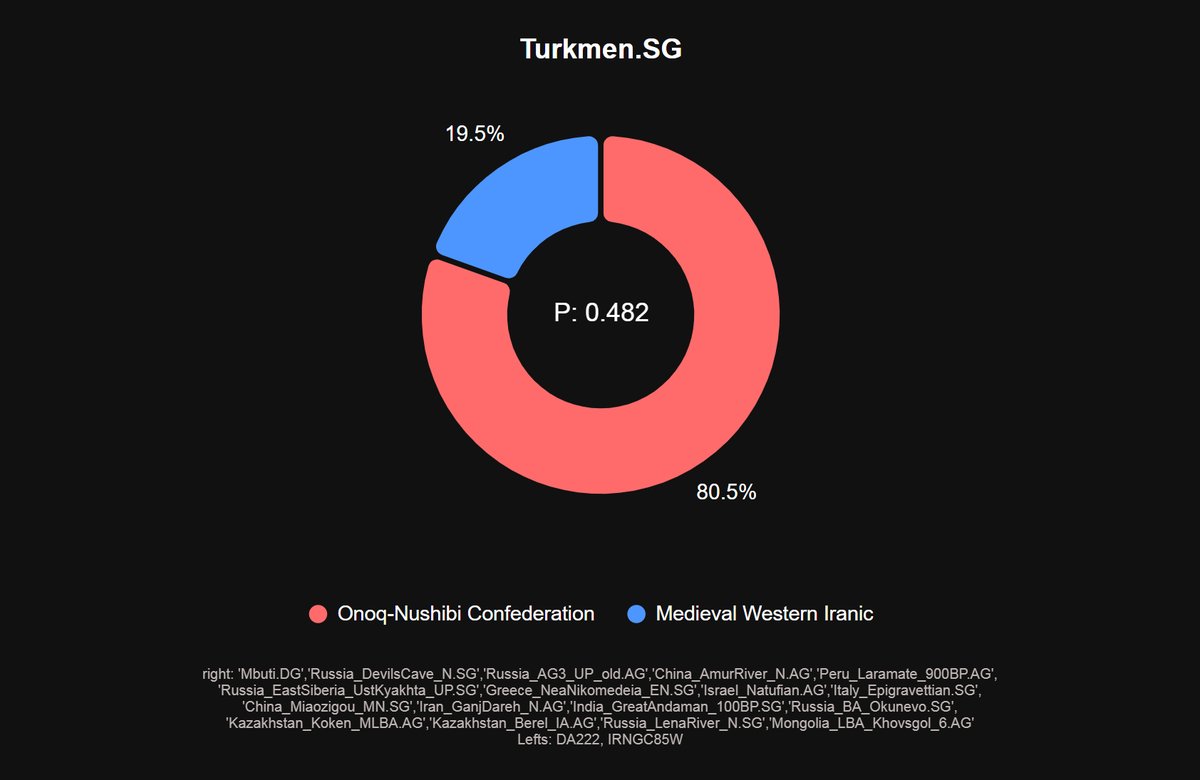
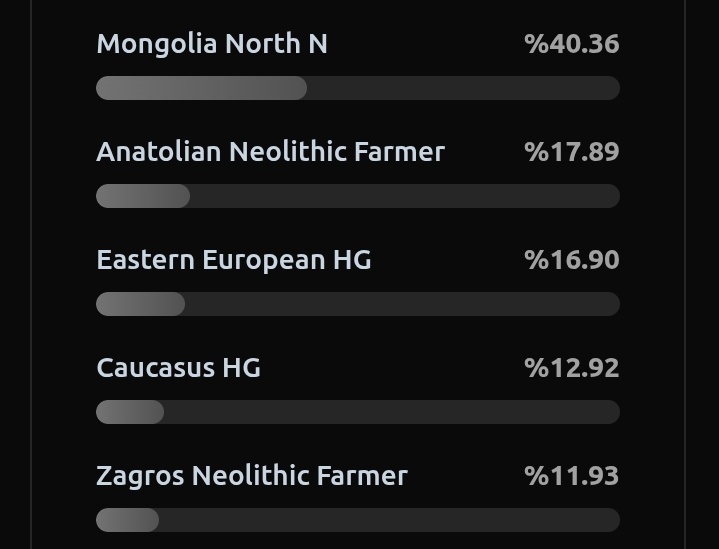
qpAdm modeling of TURKMENSG samples, which represents the average of two academic samples from Turkmenistan.
Average East Eurasian ancestry(ANA): 41.5%
Medieval Turkic ancestry: 80.5%
@oghurian In my view,the Iranian component in Turkmens originates mainly from the assimilation of local Khwarazmians during the Oghuz Yabgu era,particularly through the maternal line.The patterns observed in our Y-DNA tables strongly support this historical integration over a Sogdian model
Many people assume a significant Siberian Scythian autosomal legacy based on paternal markers, but as shown in the data, the reality is the opposite: Turkmens derive the majority of their East Eurasian genetic heritage from their Hunnic ancestors.
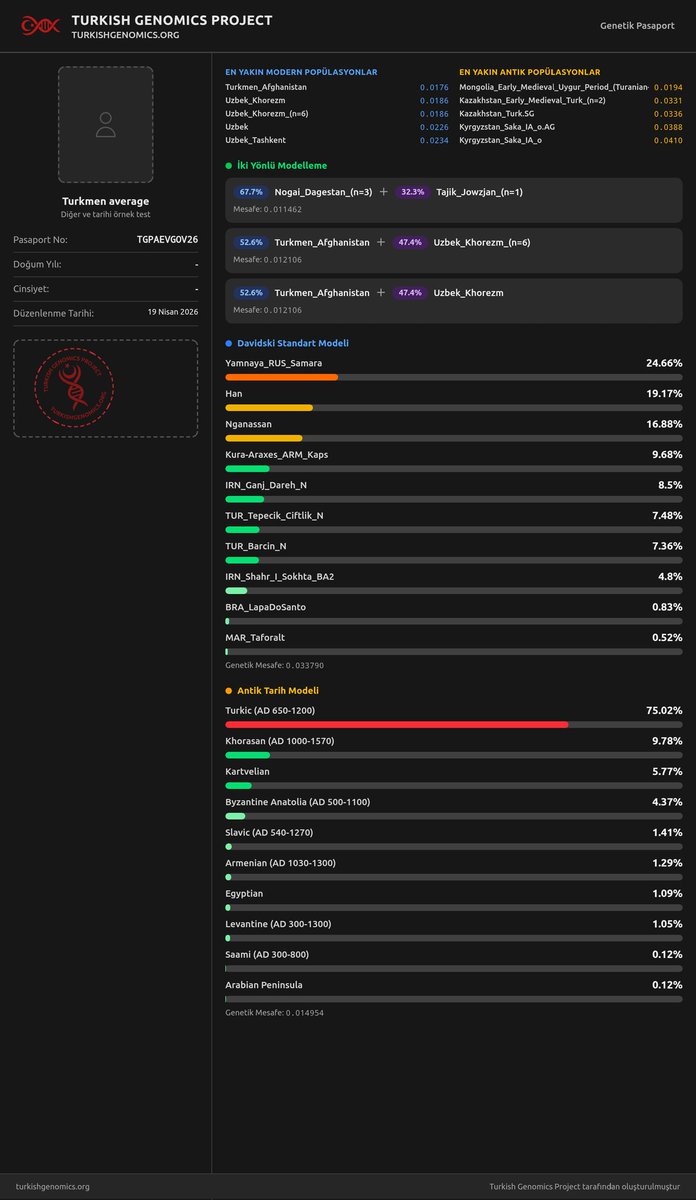
Genetic profile and modeling based on the average of individual Turkmen samples from the Dashoguz, Mary (Merv), Lebap, Balkan, Kunduz, Balkh, and Jowzjan regions
Genetic profile and modeling based on the average of individual Turkmen samples from the Dashoguz, Mary (Merv), Lebap, Balkan, Kunduz, Balkh, and Jowzjan regions
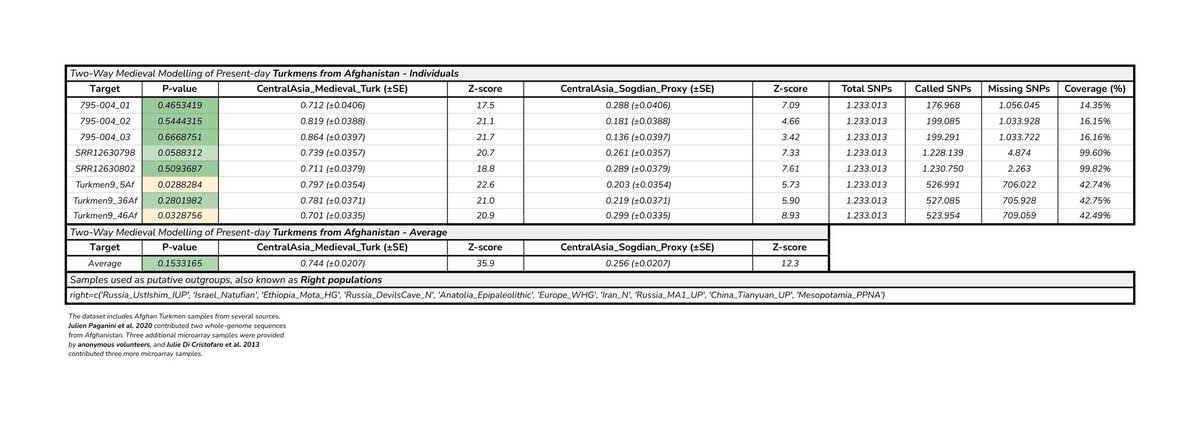
With the addition of two individual samples, the Afghan Turkmen dataset now consists of a total of 8 samples. Despite the newly added samples, the average remained unchanged, indicating that the Turkmens of this region carry roughly this level of Turkic genetic heritage
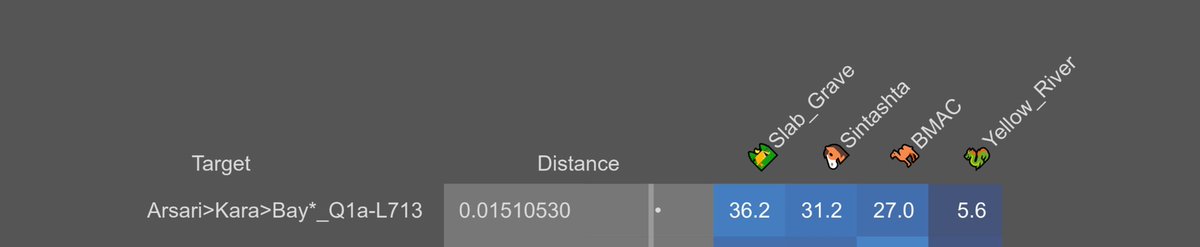
Results of a Turkmen individual from Balkh–Baghlan, Afghanistan, originally from Lebap, Turkmenistan.
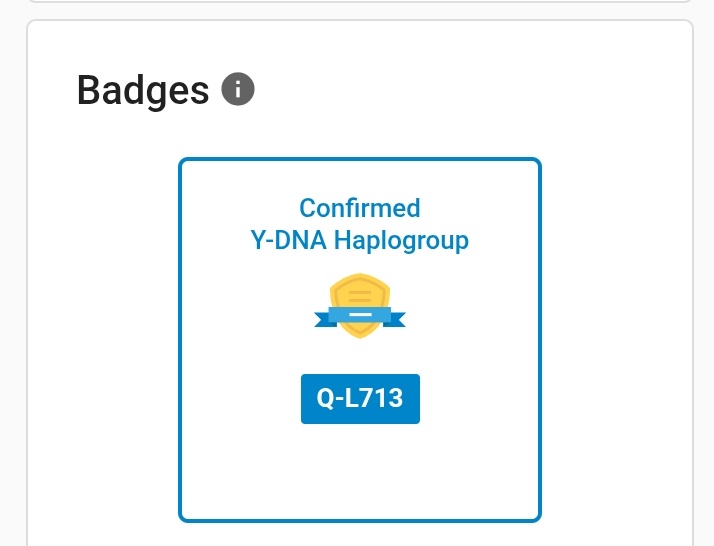
Y-DNA: Q-L713
East Eurasian ancestry: 40.49%
Turkic ancestry (qpAdm): 84.2%
Tribe: Arsari> Esenmeňli