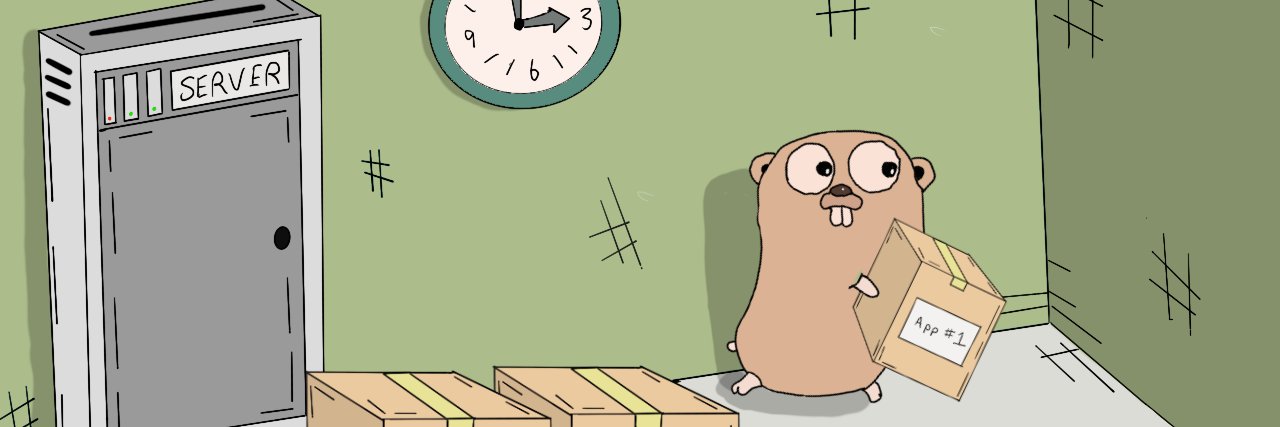
And in case you missed it: (and also because I'm really pleased with how the new image setup is working on social cards)
The text version of the tutorial can be found here:
https://t.co/Y8DyD9zF95
I'm on a roll these days - hopefully I can keep this momentum going!
Latest video is now live, this one's focused on MCP server security and how to prevent those nasty hobbitses from stealing your precious data...
https://t.co/XU73GaPdCv
The writing streak continues! My latest article on "Crafting the Perfect Pull Request" - is now live on the site!
Check it out and let me know what you think!
{Link - https://t.co/Uqd0mXlB0l}
👀 My latest article (and also the first in a long time) is now live on the site!
Covering the new iterators syntax in Go! Let me know what you think!
https://t.co/hWyYKoE08B
How many folks are performance profiling in their systems?
I'm curious to see if this is a fairly common thing that teams have the capacity, and are willing to invest time in, or if it's only a minor subset of developers out in the wild that have ever had to do this.
PSA - support email for TutorialEdge experienced some issues over the past few days. If you’ve attempted to contact me with any issues then please try again or reach out to me directly via twitter DMs
Really interesting article on building our generic http handlers in Go.
There’s a huge opportunity here to remove a tonne of copy-pasta boilerplate from Go services if done correctly!
Composable HTTP Handlers using generics in Go/Golang https://t.co/Qzi2BVRPMY
Interesting topic - I’d say it depends. There are lots of huge start ups and tech companies making the transition to Go right now.
It’s definitely growing year over year in terms of adoption and the community is fantastic with a thriving ecosystem of frameworks and libs…
🎉 My latest video on Go 1.22's latest HTTP routing changes is live on the YouTubez!
Check it out and let me know what you think!
https://t.co/ik1xibamvI
📣 My latest video is now up on ze YoutTubez!
This one covers one of my favourite software patterns when it comes to enabling consumers to configure things like clients or components within your Go apps!
{ Link - https://t.co/MGEDI0x4Wi }
🥳 My first video of the year is now live on YouTube!
This one covers how you can combine errors elegantly with the new errors.Join function in #golang
Link - https://t.co/Zx84xENW4C
🔈 My second video of the year has now gone live on Youtube on how to improve your Go Tests using TestMain!
I'm hopefully going to be a little bit more consistent this year and I'm hoping to make the push for 50k subscribers! 🎉
https://t.co/OJ6JVCUenB
🔈 Want to learn how to build HTTP client libraries for your APIs in #golang?
My course - Go HTTP Client Development - covers building a fully functional client from scratch!
{ Link - https://t.co/u9cmt1WuBw }
Growing as a developer takes time and is an iterative process.
It’s also freaking hard to decide what topics to dive into, or what you should learn next.
It’s important to set meaningful and achievable goals when setting out so that you don’t fall into “tutorial hell”.
Don’t set vague goals like “I want to learn Go” - it’s been roughly 8 years since I first picked up the language and I’m still learning every day!
Instead, try breaking down these vague goals into more actionable ones such as:
- “I want to build a command line tool in Go”
- “I want to build a reverse proxy in Go”
Document your progress on these smaller goals every week and how this has tied into your high-level goal.
Take notes of the new syntax you’ve played with, or any difficulties you’ve encountered.
At the end of these projects, try and do a critical code-review and spend some time investigating how you could improve the code.