Simchat Torah, when we conclude reading the Torah and start right back again, seemed like a good time to launch this personal project – and invite you along for the ride.
EIKEV: I got a tattoo a year ago based on this week’s Torah portion. Yes I did. It’s meant to capture Deuteronomy 8:8 - God is bringing you in a good land of wheat and barley and vines and figs and pomegranates and olives and dates (honey)… the Seven Species.
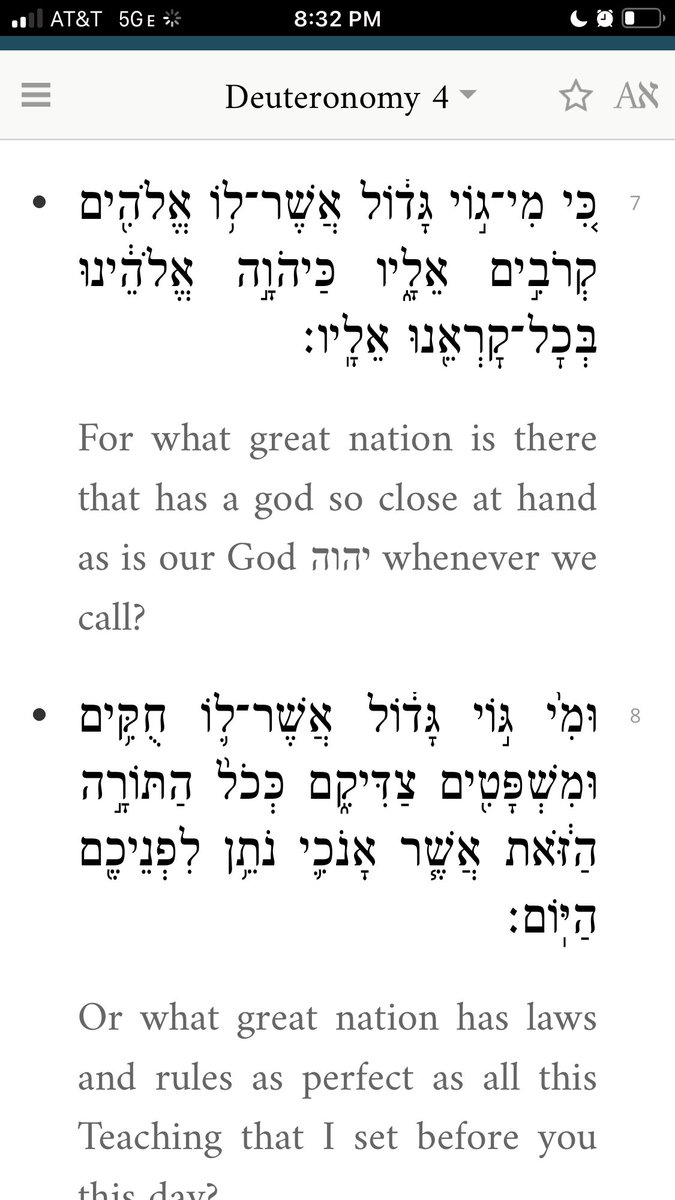
VAETCHANAN: What makes the Israelites, the godwrestlers, the Jewish people different from other nations? The Torah this week explains that it’s the closeness and intimacy of the people to God that makes them unique.
CHUKAT-BALAK: this week’s parsha is so eventful and so dramatic and tragic. The portion that gutted me most is God’s declaration to Aaron that he shall die and not lead the Israelites into the land that God has promised THEM (not you plural).
SH’LACH: In this week’s parsha we get introduced to what will become this, the iconic symbol of tourism and exploration of Israel since it describes the branch of grapes, pomegranates and figs brought by the scouts who went to check out the promised land….

BEHA’ALOSCHA: The parsha we read yesterday had a couple significant passages that have made their way into our liturgy - and it was remarkable to hear them leyned as part of Torah instead of sung during the service
NASSO: This week’s parsha is where, among other things, God tells Aaron and Moses the priestly blessing, the one we hear all the time in synagogue, the oldest, most classic piece of liturgy: Yevarechecha
SHAVUOT: Today on the Sabbath of Shavuot we read Deuteronomy 14-16. A line at the end of today’s reading stuck with me all week for being a literal explanation of constipation by matzah, described right there in the Torah. The words in Hebrew say exactly that. Plus I’m 12 at ♥️
BAMIDBAR: We start the book of Bamidbar (Numbers) this week; it’s where the Israelites created order and holiness in the wilderness. They are great in numbers but they need a census and an army and rituals before they can be a nation. That happens here. https://t.co/BDJR4iCjjJ
In Israel, which is where the Torah says shmita must be practiced, shmita is mostly observed via loopholes - like buying 🌾 food from other countries on shmita years or selling farmland to a non-Jew for a year to allow Jews to keep farming it. The land largely is not in שבת 😔
BEHAR-BECHUKOTAI: The portion of Torah I’ll leyn this Shabbat is from Behar, the parsha about shmita. Learning about shmita this year had me reading books like The Hidden Lives of Trees 🌳 and realizing that God must have known plants sense danger, live in families,
…and are just like us; because in Behar he describes the mitzvah of “shmita” - giving the land a sabbatical every 7 years. The land, like humans, needs a rest, שבת 💚 It’s a brilliant idea. But what I’ve learned this year is that shmita is actually observed by not being observed
The electricity I felt reading Torah aloud was so immense that I felt extremely warm. The cool cinder block-lined room where we rehearsed suddenly felt like the midbar.
BEHAR-BECHUKOTAI: Every week around this time I look ahead to the coming Shabbat’s parsha, and share my thoughts here about it. As I was setting out to do that today I realized that 😳 this week’s parsha is mine. Shabbat this week is my Bat Mitzvah. https://t.co/bth0sVQ0ZX
On Shabbat, in 6 days, I will stand at the Bimah for the first time in my life and read Torah. I am incredibly excited about it. Hearing Torah spill from my lips is a feeling unlike anything I’ve ever felt. When I practiced privately with the rabbi last week, I was in heaven.
TAZRIA-METZORA: I’ve heard people say they’re repelled by this week’s parsha. It’s so gross with its talk of weeping sores and rashes, with its restricting definitions of purity. But I find it scientifically brilliant and so incredibly ahead of its time. https://t.co/Azb2z4S4LP
At the core of it is God’s warning not to adopt the behaviors of those that inhabited the land He’s giving the Israelites before them. Nor the behavior of those they lived amongst beforehand (in Egypt).
ACHREI MOT-KEDOSHIM: This week’s parsha confronts “depravity” and “perversion” as God warns the Israelites against certain acts - especially when it comes to uncovering certain relations’ nakedness.