BREAKING: QB Brendan Sorsby and Texas Tech are mutually parting ways, @PeteNakos reports.
Sorsby will not play College Football in 2026.
https://t.co/IG2DYwzv4c
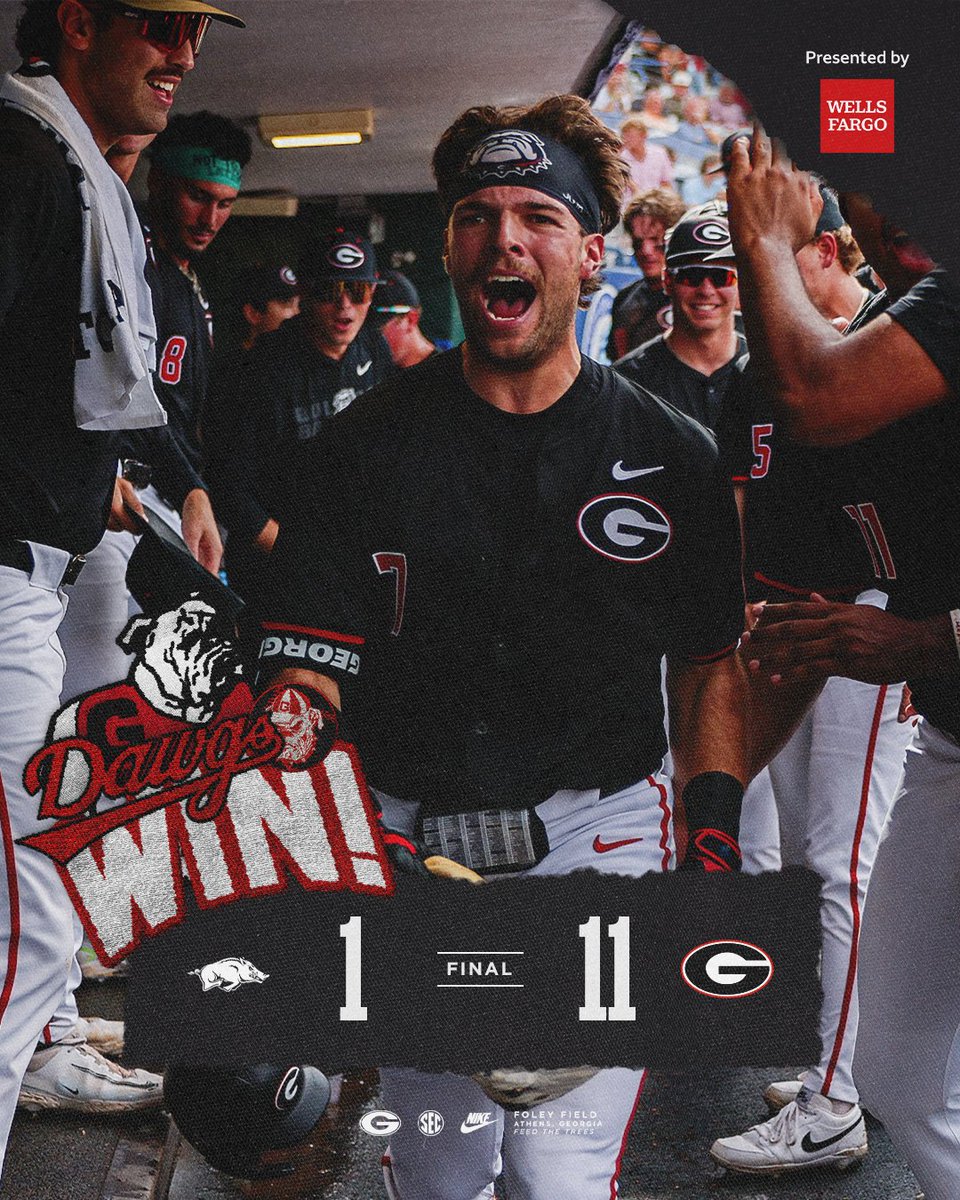
36 years ago today on June 9, 1990, with Dave Fleming closing out the game, Georgia upsets Oklahoma State, 2-1, in Omaha for the College World Series Championship.
The Bulldogs become the first SEC team in history to win the #CollegeWorldSeries@ugasportscom
84 years ago today, the most important 5 minutes of the 20th century happened over the Pacific.
At 10:20 AM on June 4, 1942, Japan owned the most powerful carrier fleet on Earth. Undefeated. Untouched. The same fleet that hit Pearl Harbor.
By 10:25 AM, three of its carriers were burning wrecks.
The full story is almost too cinematic to believe.
Six months after Pearl Harbor, Japan planned a knockout blow: lure America's last carriers into a trap at a target code-named "AF" and finish the Pacific War in one stroke.
One problem. In a basement at Pearl Harbor, a rumpled, obsessive codebreaker named Joseph Rochefort had cracked enough of the Japanese naval code to read fragments of the plan. He was sure AF meant Midway. Washington wasn't.
So his team ran one of the great tricks in intelligence history. Midway radioed in the clear that its water plant had broken down. Two days later, intercepted Japanese traffic reported: "AF is short of fresh water."
Trap confirmed. Now Japan was sailing into an ambush it thought it was setting.
But America was supposed to be down a carrier. The Yorktown had been mauled at Coral Sea. Estimated repair time: 90 days. Admiral Nimitz stood in the drydock, looked at the damage, and said: you have 72 hours. She sailed for Midway with welders still aboard.
The morning of June 4 was a slaughter. Torpedo Squadron 8 found the Japanese fleet first and attacked without fighter cover. All 15 planes were shot down. 29 of 30 men died. The lone survivor, Ensign George Gay, treaded water for 30 hours and watched the rest of the battle from the ocean.
But those doomed torpedo runs did something vital. They dragged every Japanese fighter down to sea level.
Meanwhile, Admiral Nagumo made the fatal call. Caught between targets, he ordered his planes rearmed. Bombs off, torpedoes on, then back again. His hangar decks became a powder keg of stacked ordnance and open fuel lines.
Above all of this, Wade McClusky's dive bombers were lost. Fuel running out. Empty ocean in every direction. Then he spotted a single Japanese destroyer racing northeast at full speed and made a guess that changed history: follow the wake.
It led him straight to the carriers. And the sky above them was empty.
10:22 AM. The Dauntlesses rolled into their dives. Kaga erupted. Pilot Dick Best put a single bomb through Akagi's flight deck into a hangar full of fuel and bombs. Yorktown's bombers hit Soryu almost simultaneously.
Five minutes. Three carriers. That evening, Hiryu joined them on the bottom. All four had launched planes against Pearl Harbor. None saw home again.
Japan never won another major battle in the Pacific. The defeat was so catastrophic that Tokyo hid it from its own people, quarantining wounded sailors so they couldn't talk.
The entire war turned on a fake message about a broken water pipe and one pilot's decision to follow a wake.
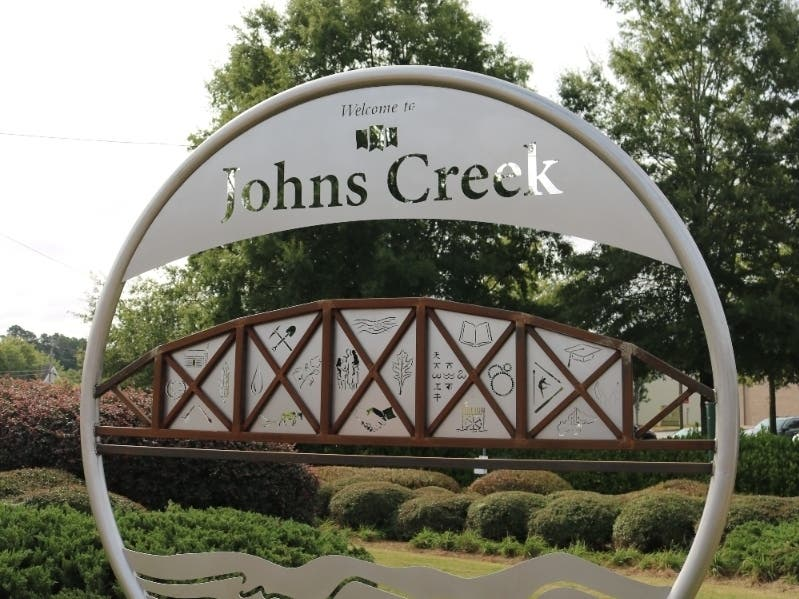
Johns Creek was named the #1 place to live in Georgia and #5 in the U.S. for its safety, schools, and quality of life.
The city remains one of the top suburban communities near Atlanta.
In explaining his decision to leave Ole Miss for LSU, Lane Kiffin seems willing to invoke Ole Miss's struggle to distance itself from symbols like the Confederate flag, Colonel Rebel, and the nickname "Ole Miss" itself.
When he was coaching there, Kiffin says, top recruits would tell him, “‘Hey, coach, we really like you. But my grandparents aren’t letting me move to Oxford, Mississippi.’ That doesn’t come up when you say Baton Rouge, Louisiana. Parents were sitting here this weekend saying the campus’s diversity feels so great: ‘It feels like there’s no segregation’” https://t.co/kNueefe5qK
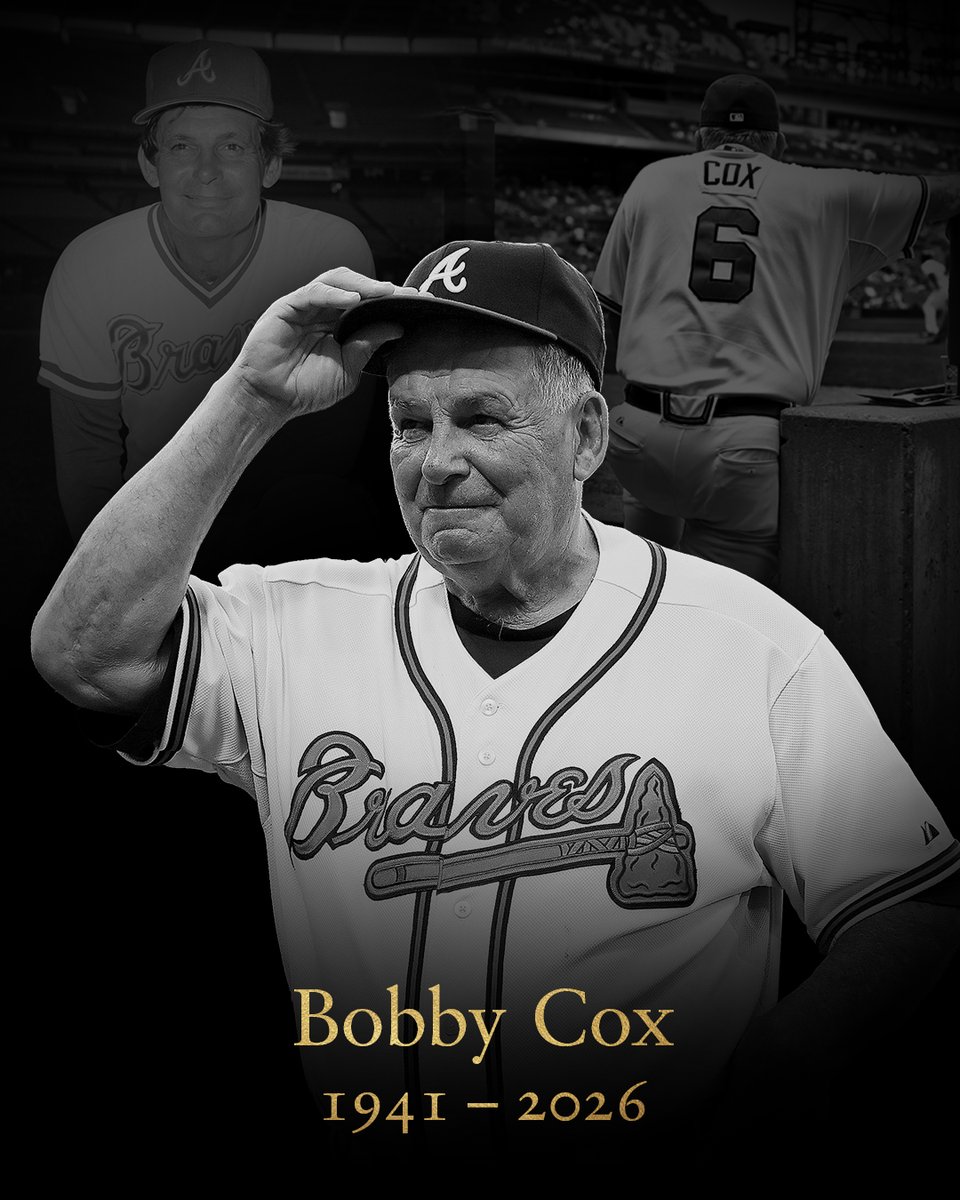
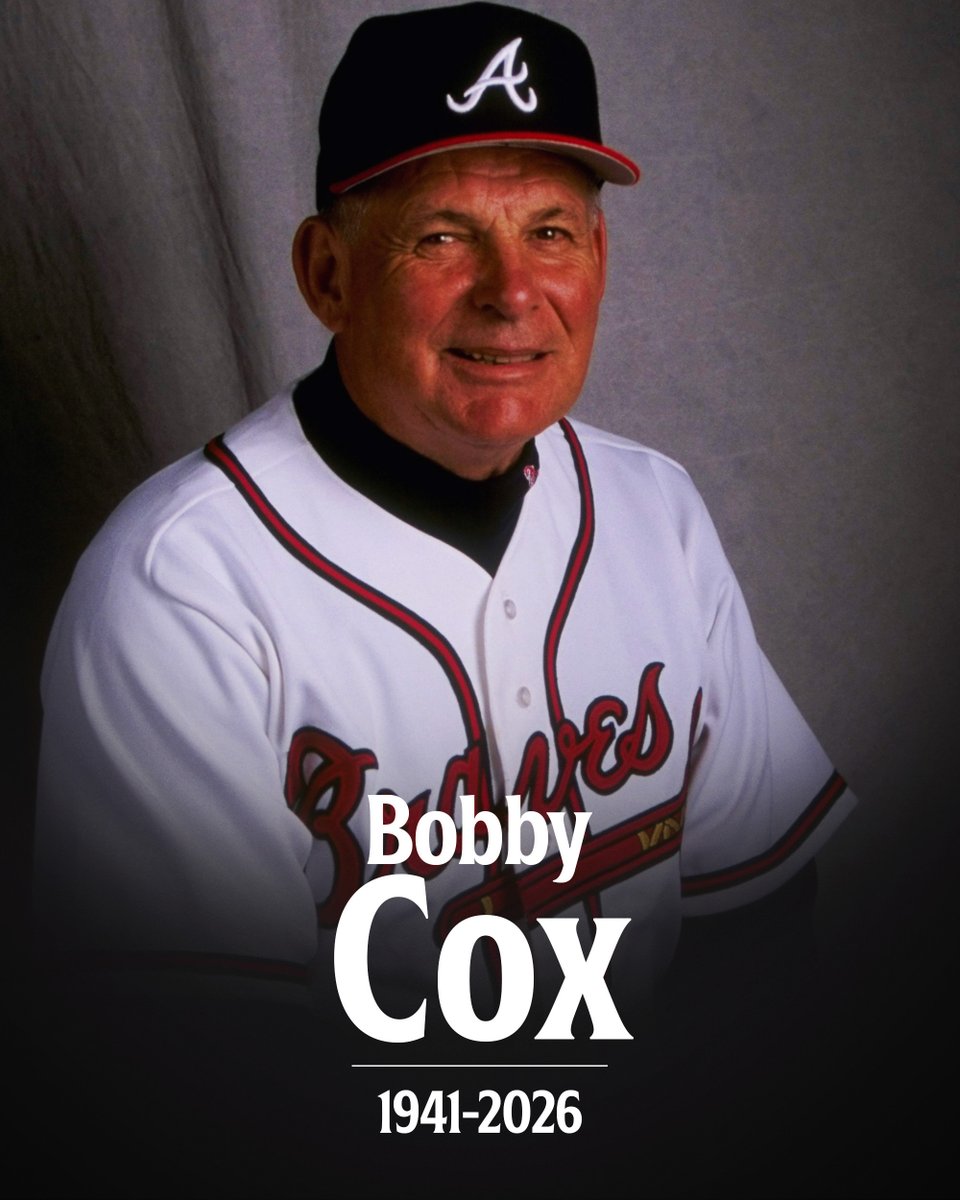
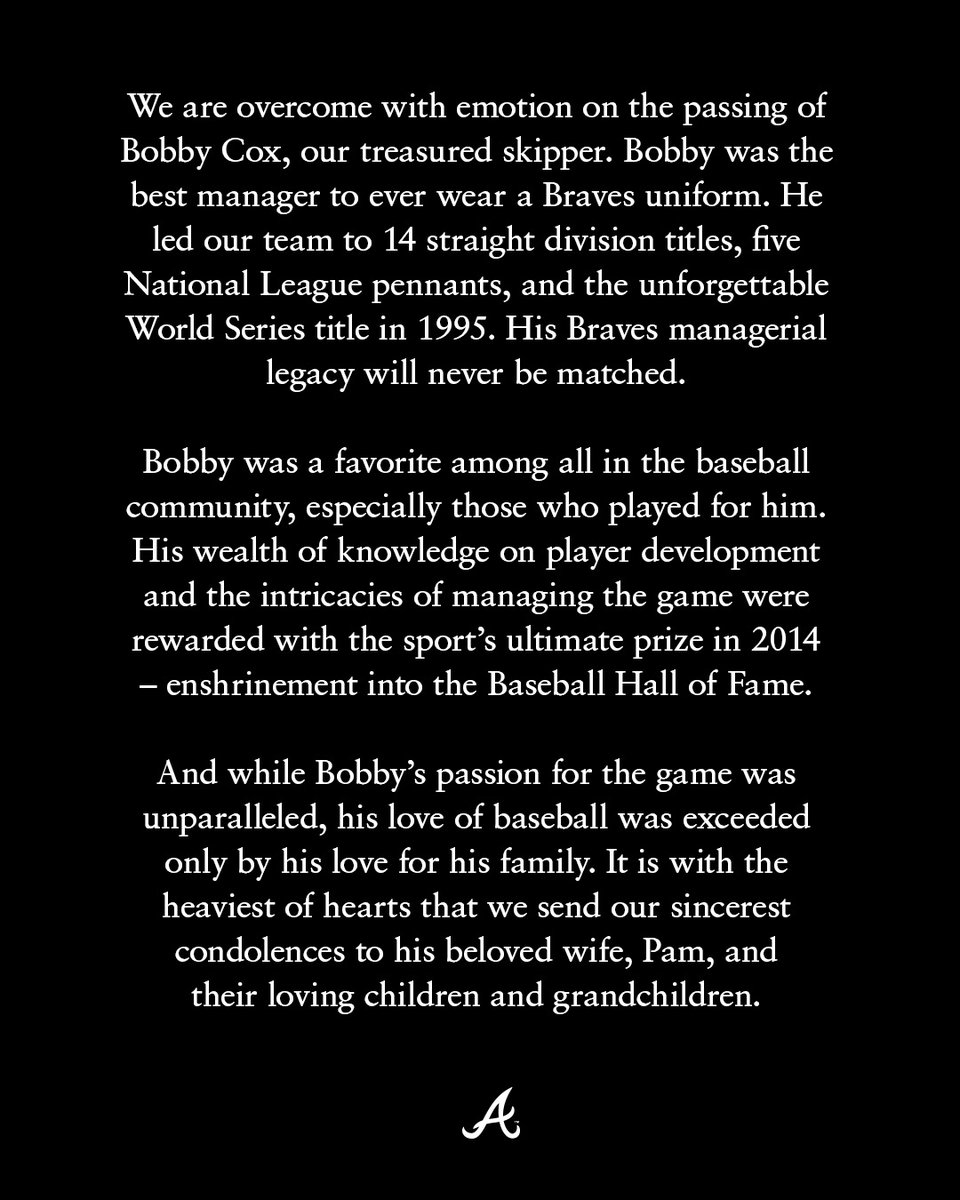
We mourn the passing of Hall of Famer Bobby Cox, the fourth-winningest manager in MLB history.
Cox led the Atlanta Braves to unprecedented success, winning 14 straight division titles from 1991-2005, along with 5 NL pennants and the 1995 World Series championship.
The four-time Manager of the Year won 2,401 games overall, behind only Connie Mack, Tony La Russa, and John McGraw. Of the 13 managers with at least 2,000 career wins, only one (Joe McCarthy) got there in fewer games than Cox.
Cox managed the Braves for 25 seasons in all, leading them to six 100-win seasons and eight 90-win seasons. He also managed the Blue Jays for four years, including the franchise’s first winning record in 1983 and first division title in 1985.
As General Manager of the Braves from 1986-90, Cox laid the foundation for the teams he would manage to success over the next two decades by trading for one future Hall of Famer in John Smoltz, drafting another in Chipper Jones, and helping develop homegrown legend Tom Glavine.
Owner of a .556 winning percentage in 29 total seasons as manager, Cox was elected to the Hall of Fame in 2014.
He was 84 years old.
BREAKING: Elite 2027 TE Jaxon Dollar has Committed to Georgia, he tells me for @Rivals The 6’5 226 TE from Denver, NC chose the Bulldogs over Notre Dame and Miami
He’s ranked as the No. 19 Recruit in the 2027 Rivals300
https://t.co/5T2vapAnTy
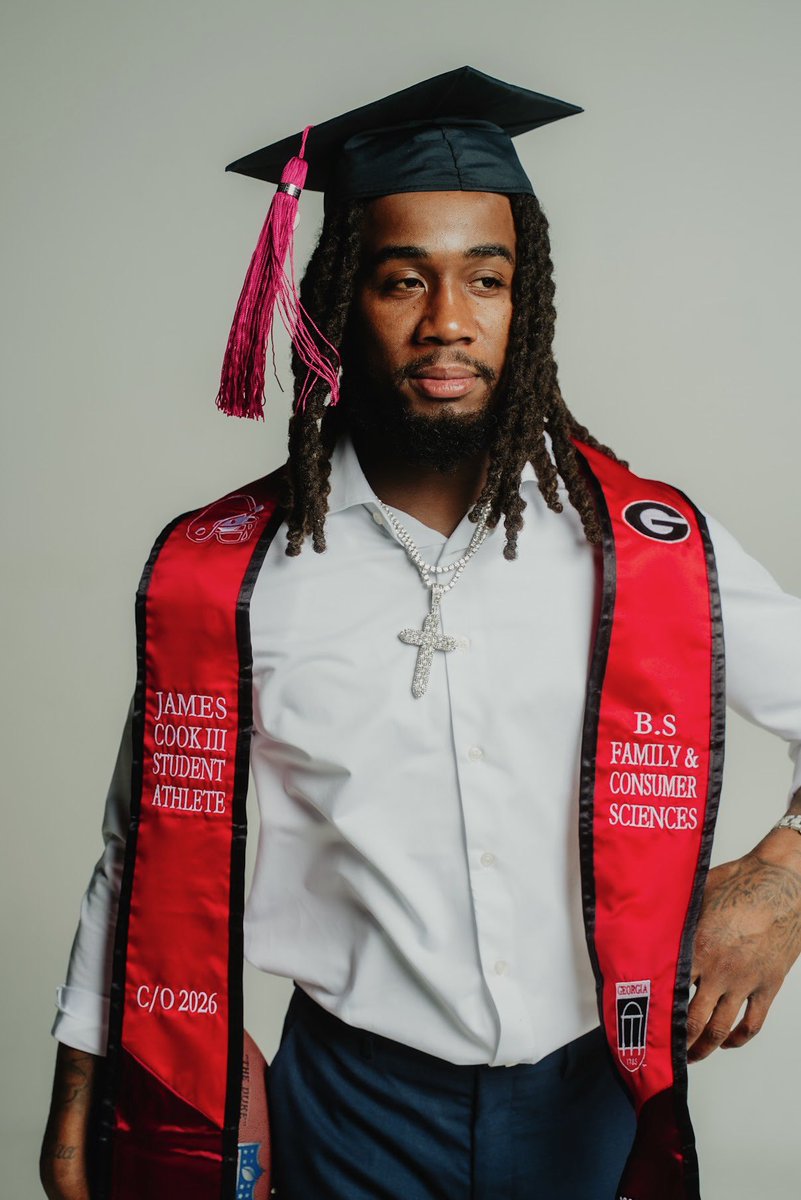
This is awesome: Bills RB James Cook has graduated from the University of Georgia.
Cook will walk at the ceremony on May 8th.
A role model on and off the field 👏