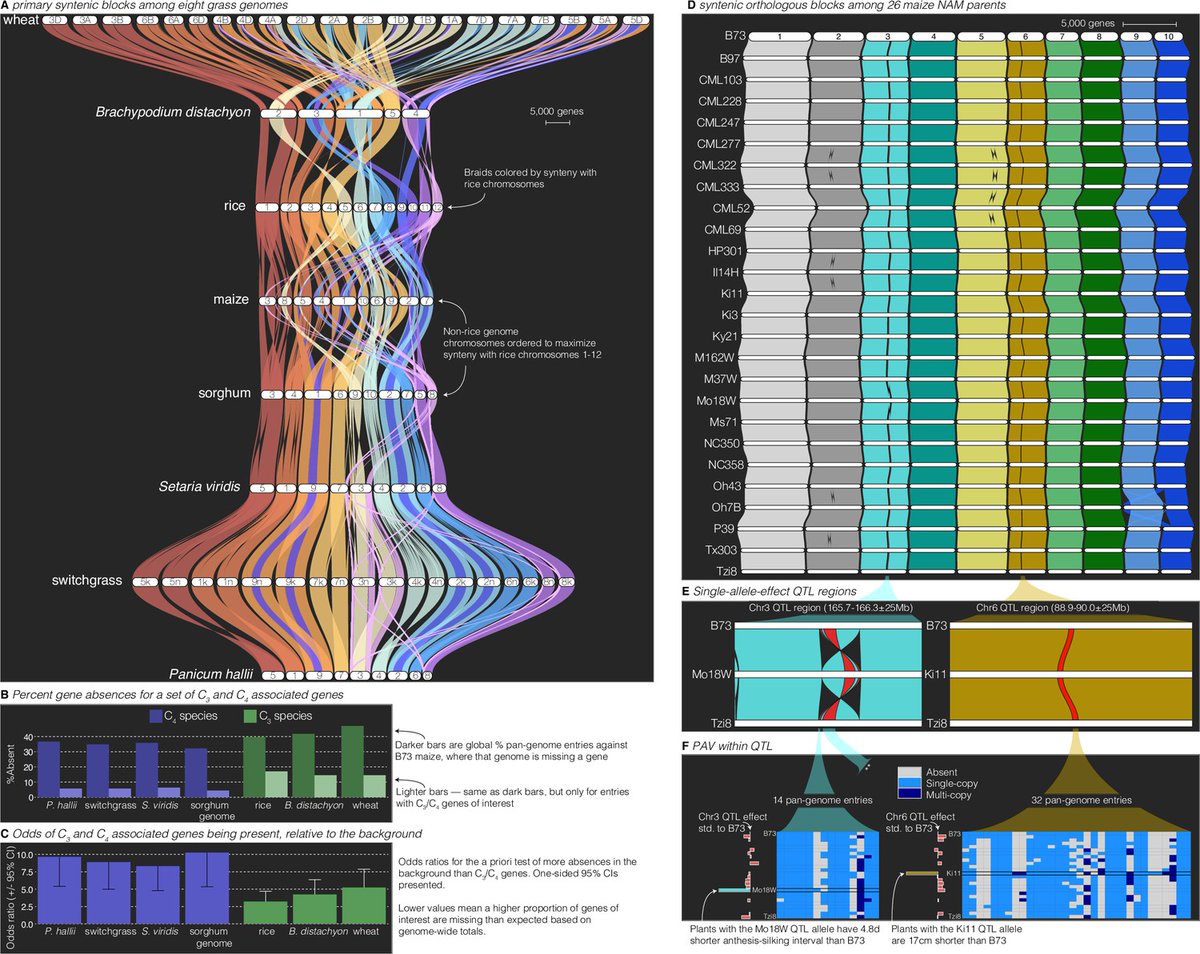
GENESPACE a comparative genomics/synteny visualization and hypothesis testing toolkit implemented in R from @_johntlovell's group out today in eLife. https://t.co/wx1YOaiGIj
Very proud of my sister for publishing her exceptional work on developing and optimizing an immunoassay to detect fragile-x protein for clinical relevance (yes she’s much smarter than me) in SciReports! Check it out! @TheRealIguanna https://t.co/1TPmuQr0qD
Very proud of my first, first author data paper that was published this week in Sci Reports! Check out our findings that describe differences in cavefish red blood cells that might help in low oxygenated caves! https://t.co/tJhly3lDCq
@DrBatmo Yes! There are other changes as well. I’m currently collecting prelim data on gill morphology. I think they have increased lamellar surface area. And yes, you’re correct. We think cavefish are more efficient at drawing o2 in low o2 conds!
Very excited to be presenting this morning at #SICB2022! My talk this year is on red blood cell evol in cavefish. Obviously had to wear my Mabel socks for good luck! Come hear my interesting take on RBC evolution at 11:15 in 105A!
@DrBatmo Essentially, we found that cavefish have more Hb, but surprisingly comparable RBC counts. However, cave RBCs are larger! This may confer adaptive benefits to cave life (micro-evol), not consistent with macro-evol studies that suggest RBC size does not help O2 transport.
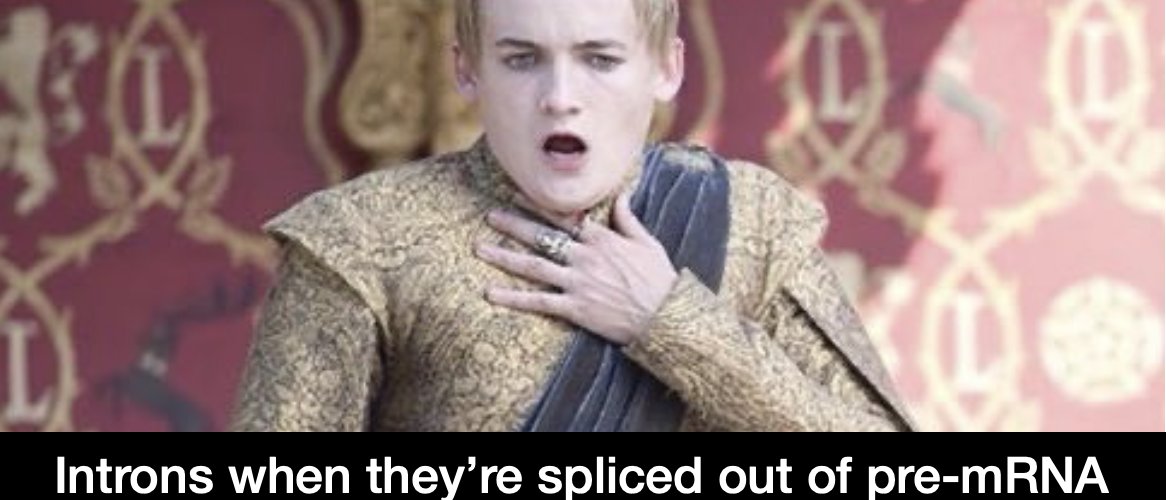
I teach an undergrad molecular biology course with @BobbyJEyeGuy and one end-of-semester assignment is to make a meme or other creative project. They are amazing and many people gave permission to share them. A thread:
Today during lab meeting I had the exciting opportunity to present my own first, first author manuscript - a review on low oxygen in the caves of the Sierra de El Abra, published in @DiversityMdpi. What a great experience! Give it a read! https://t.co/iQiSx6E8SN