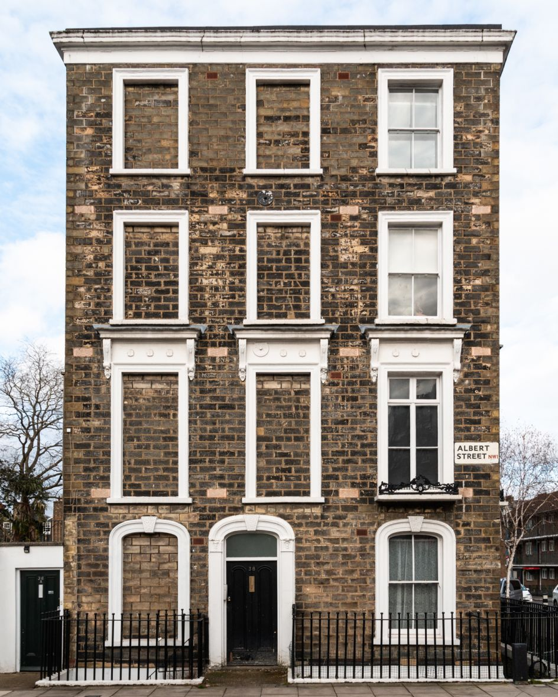
In 1696, the British government decided to tax sunlight. Under the Window Tax, households were charged according to the number of windows in their homes. To avoid paying, many people simply bricked up or boarded over their windows, choosing to live in darkness rather than hand money to the state for daylight.
The tax was presented as a fair way of taxing wealth, since larger houses tended to have more windows. In practice, it proved crude and damaging. Tax inspectors were given the power to enter homes and count the windows, which was widely resented as an invasion of privacy.
The consequences were severe. Poorer families, in particular, bricked up windows to reduce their liability, leaving homes darker, damper and poorly ventilated. This contributed to higher rates of disease, including tuberculosis and rickets. Architects began designing houses with fewer windows to minimise the tax, resulting in buildings that were less healthy and less pleasant to live in.
Far from being an efficient revenue raiser, the Window Tax distorted behaviour, harmed public health and became increasingly unpopular over time. Yet it remained in place for 155 years until it was finally abolished in 1851. The Window Tax required invasive enforcement and created more resentment, hardship and economic distortion than revenue. It is a classic example of the unintended consequences of taxation.
This is great and they do deserve that. And, with some of the savings, we can zero out taxes on the bottom half of earners. The best way to put money in people's pockets is not to take it out in the first place.
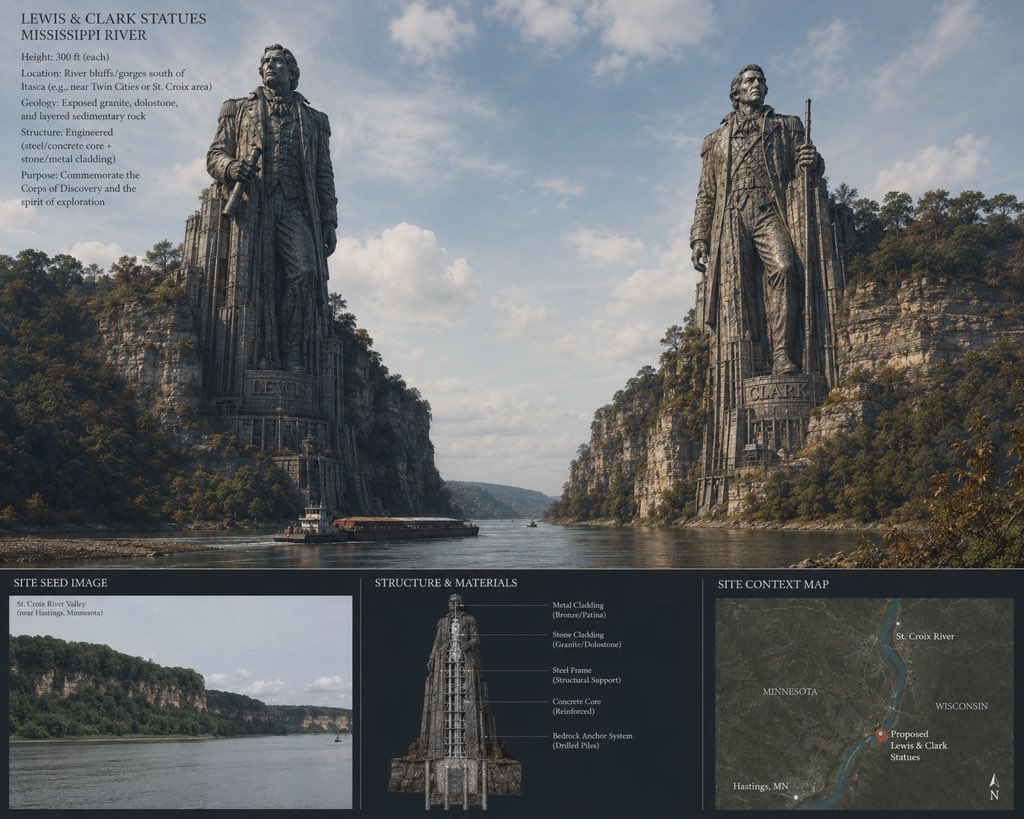
I think we need to build this.
I designed this below image, representing Lewis and Clark on the Mississippi in the style of Argonath.
At $1 Billion or more, I think it can be done.
Remember, this is the worst it will ever be.
With every update it will be more capable, smoother, and closer to a generalist manual worker.
Most people are either not aware or refusing to accept that humanoids have the potential to be absolutely transformational.