What is quantum computing?
It’s powerful, fast, and experts claim it has the potential to crack cryptographic puzzles.
Discover how it works 👇
https://t.co/GqXU9RWMlX
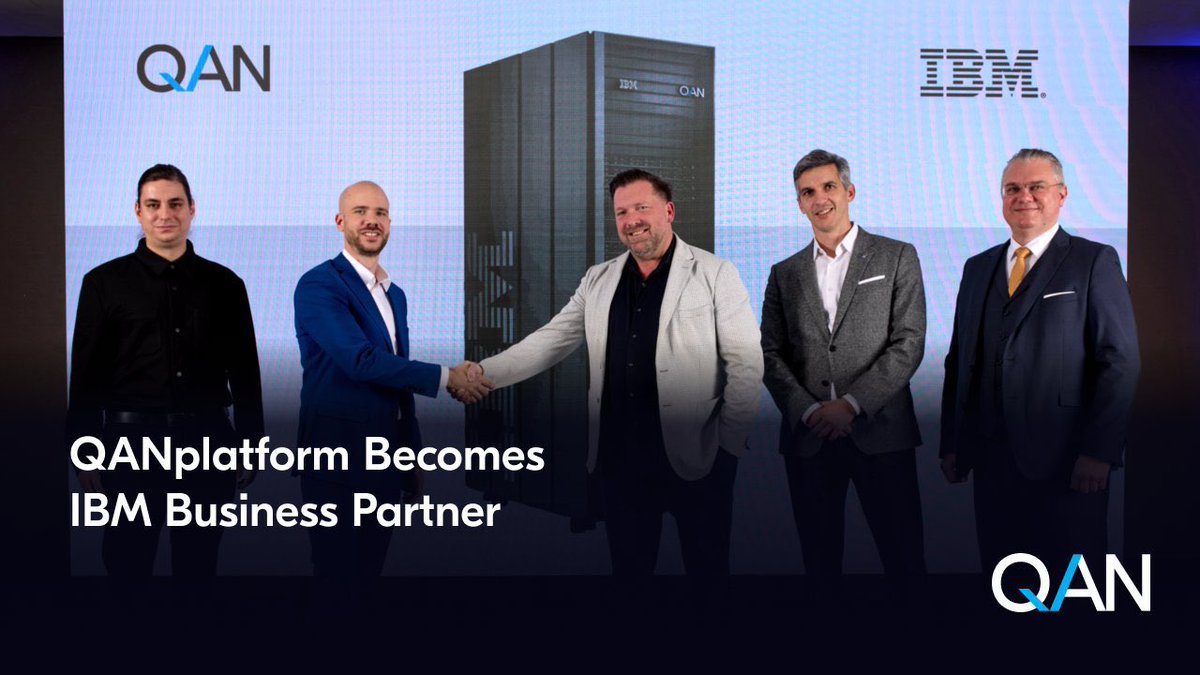
@binance Better check $QANX @QANplatform the leading Layer1 Hybrid Blockchain , Quantum resistant that using the $NIST selected primary QR algorithm, recently partnership with $IBM , UN country using $QanPlatform technology and much more , mainnet with 1-3 month go live 🤯🤯
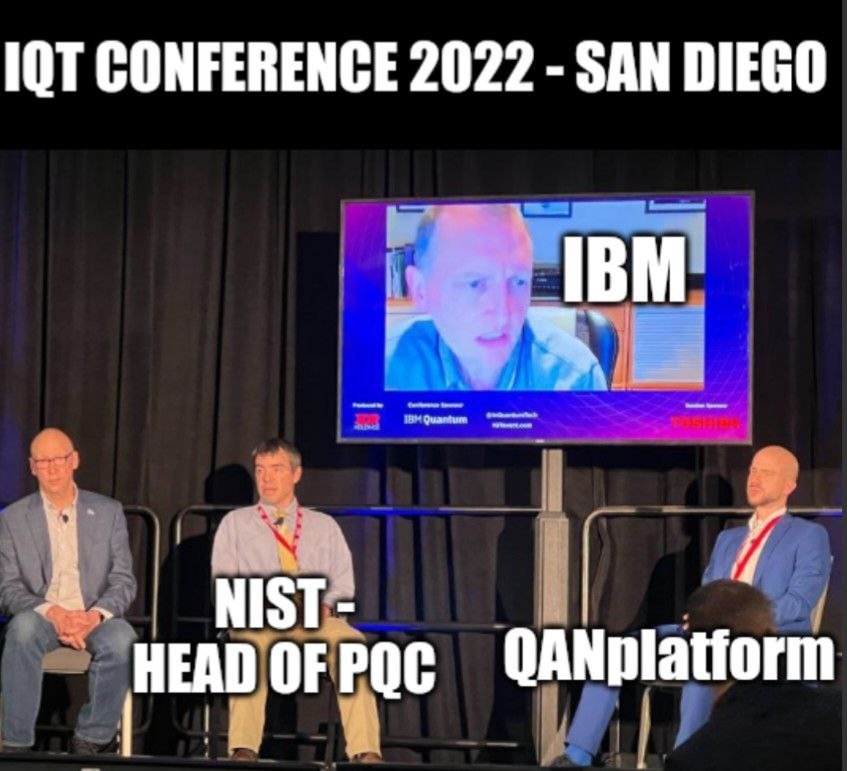
Exciting news! The post-quantum signature algorithm QANplatform has been using since the beginning was selected as one of the three finalized PQC standards by NIST today! 🎉🔐
We are really proud that QAN not only identified but also implemented the post-quantum algorithm (CRYSTALS-Dilithium) in its #blockchain platform way before NIST had chosen it.
https://t.co/edRroN7lCw
What is NIST?
US based #NIST (National Institute of Standards and Technology) was founded in 1901. Its role is creating critical measurement solutions and promoting equitable technology standards for the world.
What did NIST announced on August 13, 2024?
NIST announced the first 3 quantum-resistant cryptographic algorithms which can withstand the attack of quantum computers that could potentially crack the security used to protect privacy in the digital systems we rely on every day.
Why is this a big milestone?
After 8 years, 4 rounds, 82+ submissions, the 3 selected encryption algorithms will become part of NIST’s post-quantum cryptographic standard and will play a key role in the next generation of our online cybersecurity: the post-quantum era.
Why do we need new cybersecurity standards?
Today's cryptographic algorithms (RSA, EC) used by the whole internet – including governments, banks, email providers, social media sites, blockchain platforms, etc. – will be cracked by quantum computers. Everyone needs to switch to post-quantum security.
Do we need to worry today?
Quantum computers are a threat even today, because hackers can steal data today and decrypt it later when quantum computers with enough power (qubits) arrive. This method is called "Store now, decrypt later".
How far are quantum computers?
From small startups to IT giants like Google, Honeywell or IBM, and governments – all of them are investing heavily to build quantum computers.
We are already having the wrong conversation in cryptography if we argue about whether we have 1, 3,or 5 years before quantum computers will break today's security algorithms. We must always be ahead of the curve when it comes to cybersecurity.
How can we switch to quantum-resistant security?
Centralized authorities like governments, companies can switch their IT security to post-quantum cryptography much easier than blockchain platforms.
Why is the blockchain technology the most affected by the quantum computing threat?
One of the most important points people forget is that blockchains are decentralized by design. Already running public blockchains (like Bitcoin, Ethereum, Solana, etc.) can not switch to post-quantum cryptography without massive sacrifices severely impacting users.
⚠️This threat affects blockchain technology as follows: all cryptocurrency wallets relying on Elliptic Curve (EC) cryptography which have at least one outgoing transaction will break. In short: hackers will be able to steal your cryptocurrency.
How can QANplatform be quantum-resistant?
QAN implemented a Lattice-based quantum-resistant algorithm called CRYSTALS-Dilithium in Go programming language in its security layer. It is already developed an exists in the QAN Enterprise Blockchain and in the QAN TestNet trough QAN XLINK protocol and will be used also in the QAN Public Blockchain.
Did you know?
First EU🇪🇺country already implemented QAN’s quantum-resistant technology. It protects government-owned cybersecurity infrastructure against quantum computing attacks.
We are proud to announce that QANplatform has rolled out the world’s first quantum-resistant and EVM-compatible blockchain testnet, where developers can code smart contracts in any programming language.
https://t.co/2Q9hQDrLxv
Ignoring quantum threats in #CBDC design is reckless according to Cointelegraph. The real threat lies in #QuantumComputing vulnerabilities.
🔵 The author suggests that instead of worrying about the potential for such digital currencies to become tools of state surveillance, the primary concern should be ensuring that the technical infrastructure of CBDCs is secure and not vulnerable to infiltration and exploitation by adversaries.
🔵 A CBDC in the U.S. is said to be a plausible future development, and there is growing interest among central banks and financial institutions worldwide. 🔵 They suggest that the country's economic security and financial privacy are at risk of foreign interference if post-quantum technology does not support the future of their monetary system.
🔵 The article also highlights that two (Massachusetts Institute of Technology’s Digital Currency Initiative, The Digital Dollar Project) of the very few U.S. CBDC pilots to date have been built using distributed ledger technology and custom, high-performance blockchain architectures, both of which rely on public key cryptography and that the problem is that this type of cryptography relies on algorithms that are vulnerable to quantum computing attacks.
🔵 It also emphasizes that despite the establishment of the National Quantum Initiative Act in 2018 and the "Quantum Readiness" roadmap in 2023, there is no indication that post-quantum research and development is being specifically directed toward the design of central bank digital currencies.
🔵 You can read the article here: https://t.co/9MwOteXijZ
🔵To be prepared for potential attacks, using a post-quantum cryptographic algorithm is of the highest importance for governments, organizations, companies and networks, including blockchain.
🔵The #QANplatform hybrid blockchain uses the CRYSTALS-Dilithium, the NIST-recommended primary post-quantum algorithm, and has launched the world’s first private blockchain that is quantum-resistant, EVM compatible, and enables coding smart contracts in any programming language.
🔵QAN's quantum-resistant technology is already being used by an EU country in the public sector. QAN’s technology protects government-owned cybersecurity infrastructure against quantum computing attacks.
🔵Join the Web3 revolution, test the QAN TestNet: https://t.co/WStA2cPU4x
Powerful enough quantum computers will break many of today’s cryptography standards primarily the ones based on RSA and EC (elliptic curves). While centralized entities, such as governments and organizations, can more easily transition to post-quantum cryptography (PQC), the decentralized nature of distributed systems like #blockchain presents unique challenges for the web3 ecosystem when it comes to implementing post-quantum security measures. Pseudonymity of blockchain will backfire at post-quantum migration because it will be impossible to tell legitimate owners migrating their own funds or data and hackers stealing all of it. In this case, billions of "free money" and data could land in hackers' hands if they start migrating on the real owners' behalf making the affected blockchains immediately worthless. There is simply no secondary authentication mechanism to prevent this from happening in case of already running blockchains. Recognizing this, we have built QANplatform from ground up to be immune against all quantum computing attacks.
https://t.co/5FTJU0XDtv