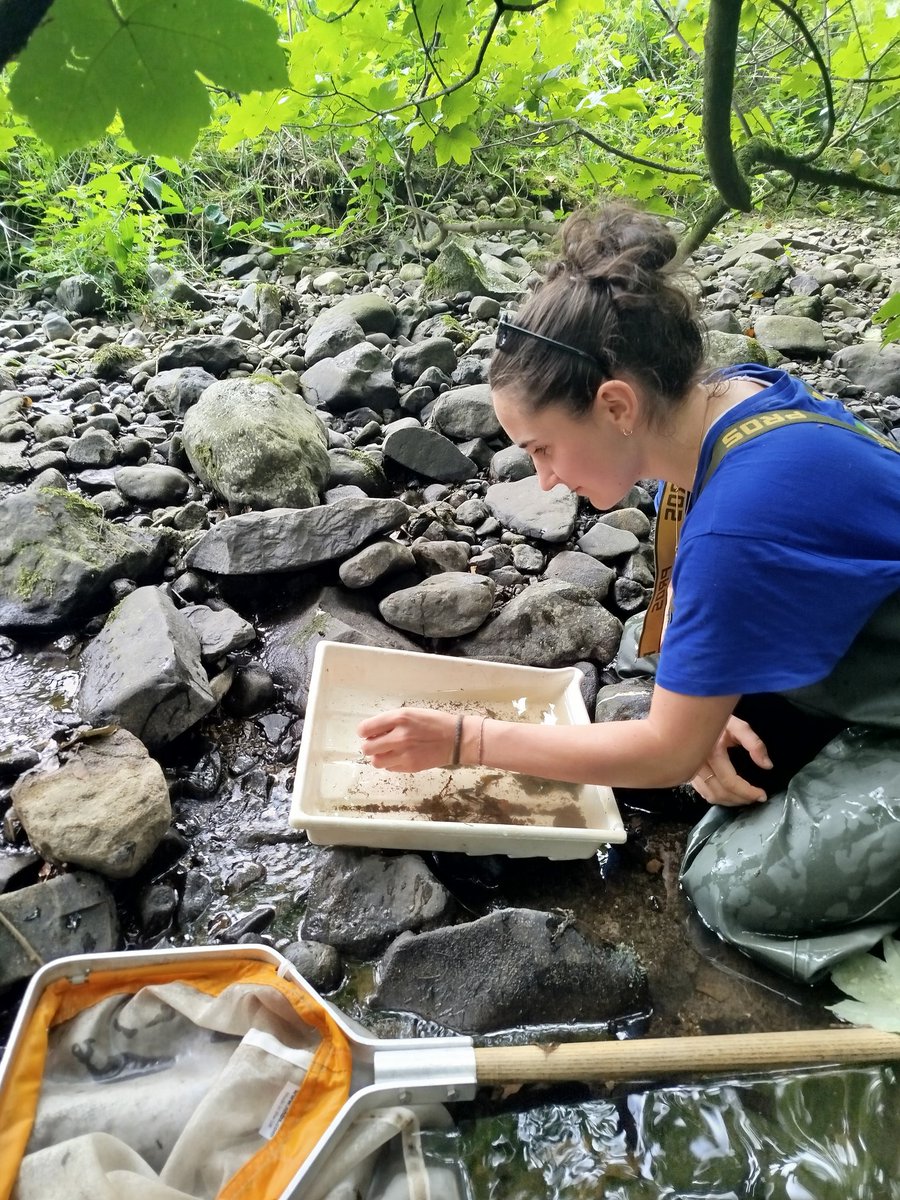
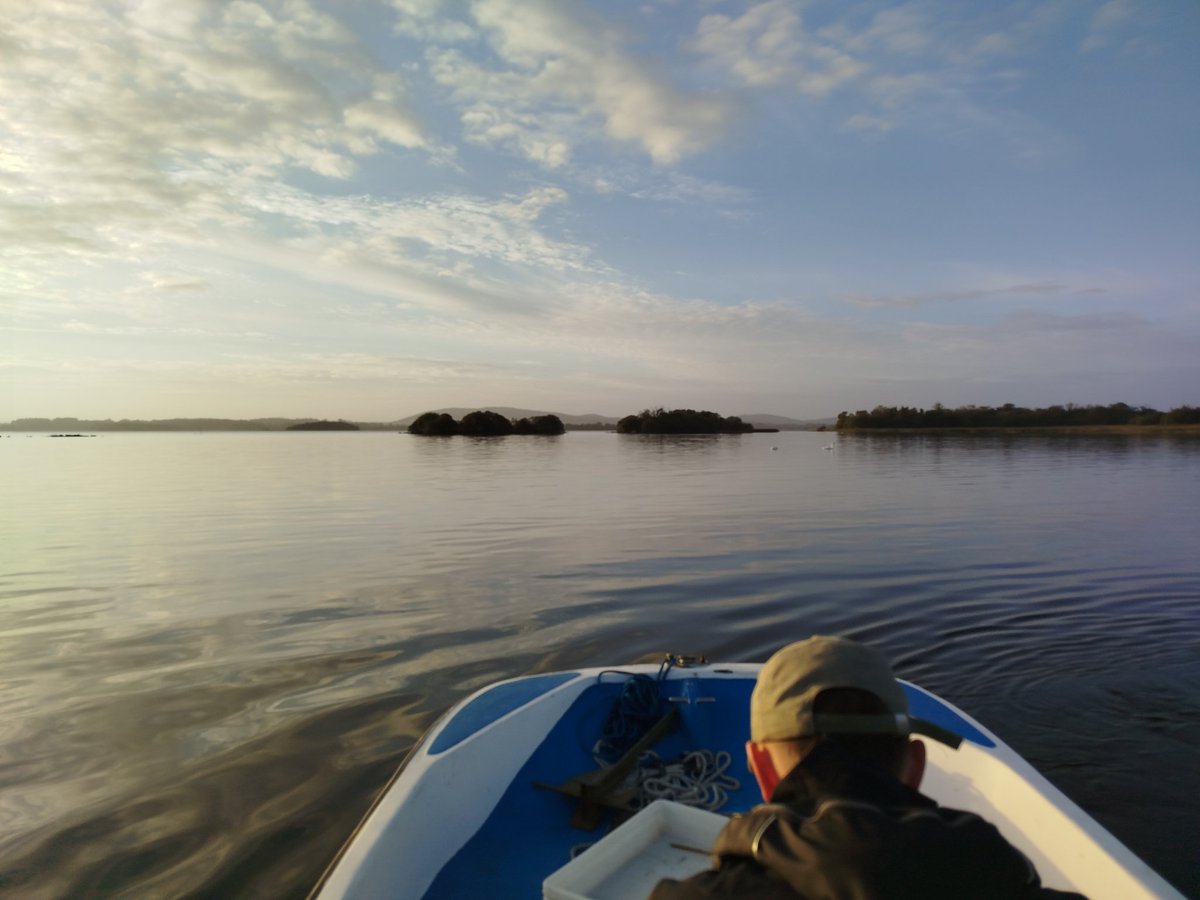
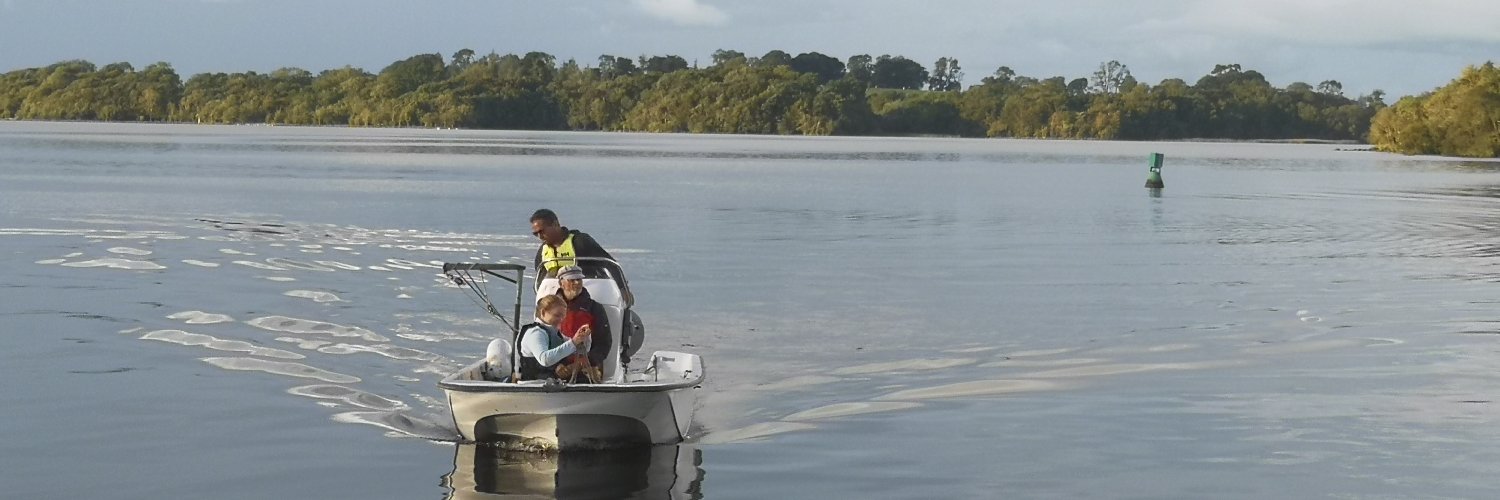
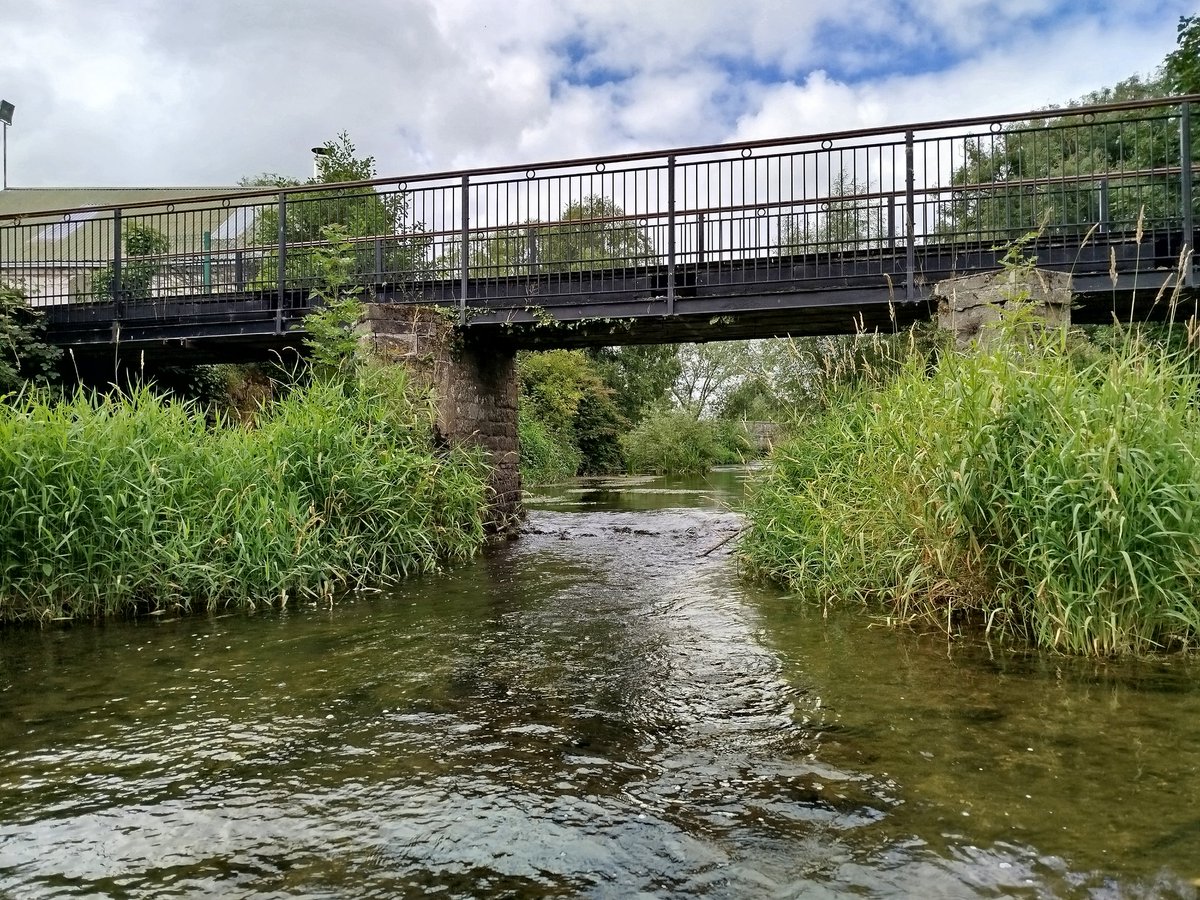
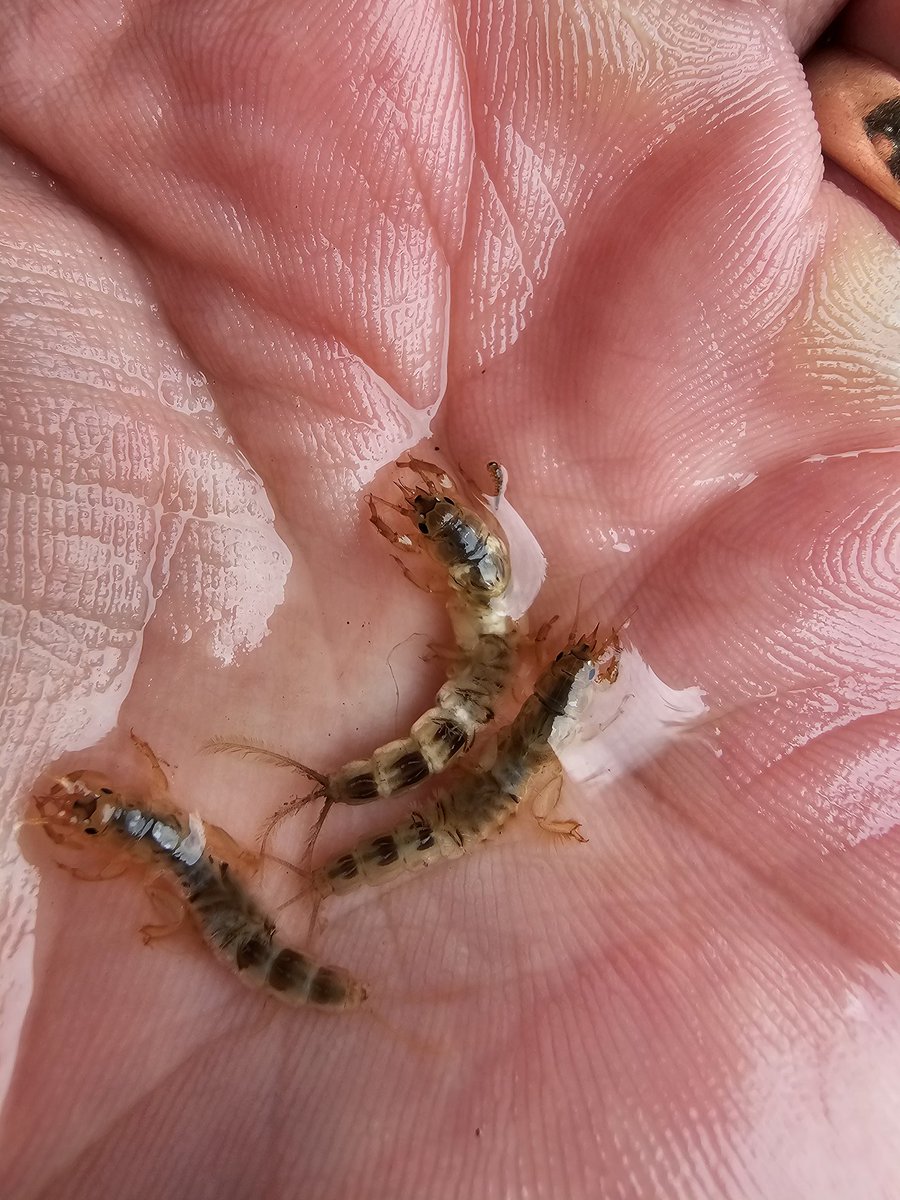
The invasive Demon shrimp Dikerogammarus haemobaphes is localised but also established in the canals in Ireland. This species seems to have gone undetected in Ireland for some time @ucdscience@UCDSBES@KildareCoCo@offalycoco
We are delighted to welcome Dr Maria Fitzpatrick as our Executive Director. With a #FreshwaterEcology, #Environmental Consultant background, Maria worked at @royalbotanic.bsky.social, Kew Research Funding Services and is #CircularEconomy and #CSRD trained: https://t.co/iema65PhUS
This is the invasive alien Bloody Red Shrimp collected in Lough Derg. These nocturnal shrimp can be seen in extremely large numbers in-between rocks in littoral habitats in Irish lakes. @ucdscience@UCDSBES
Meet our newly discovered freshwater invader the demon shrimp. Dikerogammarus haemobaphes. It's already in high densities in parts of the Shannon. Please be careful moving boats or equipment between systems. High impact species! @ucdscience@UCDSBES
New county record of Siphlonurus lacustris in Cavan. This large mayfly lives in the margins and slack water in rivers usually at higher elevation sites. Survey as part of national mayfly survey funded by 29 councils @cavancoco@NPWSIreland@DeptHousingIRL@ucdscience@UCDSBES
It's taken five years of control to reduce the seed bank of skunk cabbage after eradication efforts started in 2021 along the River Liffey. Continued support from @KildareCoCo through LBAF funding @DeptHousingIRL@NPWSIreland. Manual removal is tough going!
Great progress controlling Skunk cabbage Lysichiton americanus along the River Liffey in last 5yrs! Native plants returning after controls applied since 2021. Funding support each year from @KildareCoCo and @DeptHousingIRL@NPWSIreland@UCDSBES@ucdscience
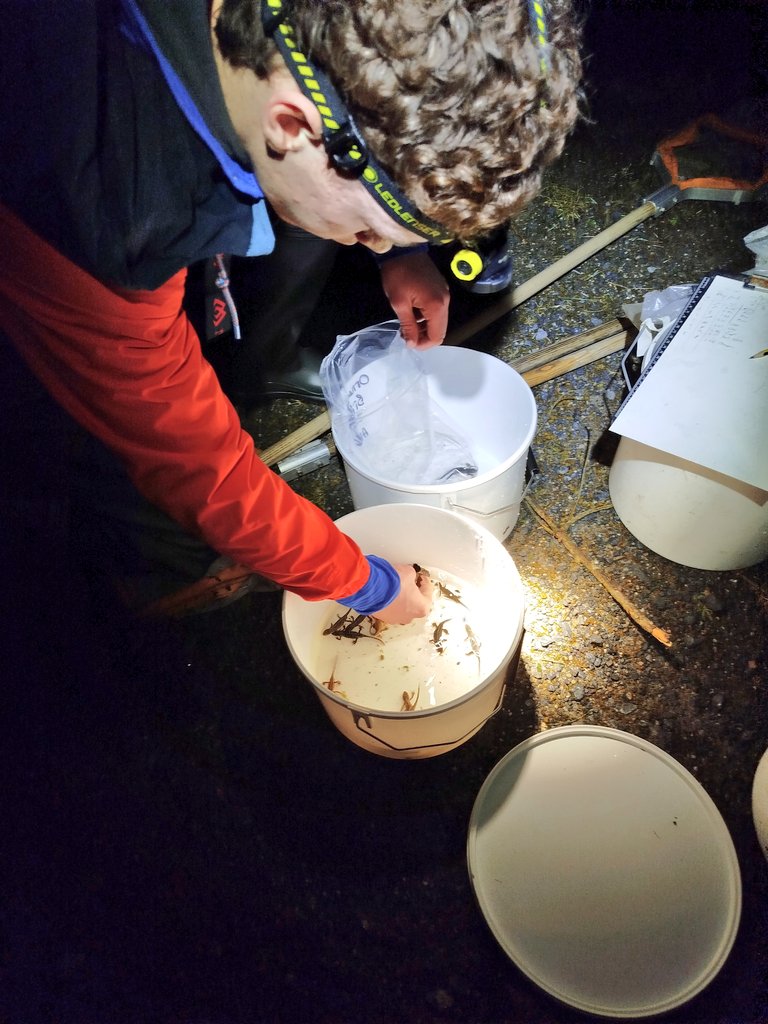
These non native Alpine Newts occur at very high densities in bog habitats in the midlands of Ireland. Our Environmental Biology and Zoology students out surveying last night with @HerpSocIreland . @ucdscience@UCDSBES
Always a pleasure surveying with our colleagues in @HerpSocIreland A chilly night but still both the native Smooth newt and invasive Alpine newt out under the ice! @ucdscience@UCDSBES. Funding from @NPWSIreland
@T3c1@ucdscience@UCDSBES@GalwayCoCo@DeptHousingIRL It depends on the size of the water body. For a small pond it is surprising how many occur. Some ponds a few hundred. Unfortunately it means our native 🐸and 🦎 and invertebrates don't stand a chance. No fault of the Alpine Newt though. We need to be careful what we release.
Another night survey completed on the invasive Alpine newt. Great help from our Environmental biology and Zoology students. Plenty moving early in the year getting ready for the breeding season. @ucdscience@UCDSBES funding from @GalwayCoCo@DeptHousingIRL
Another Chinese mitten crab found in the cheekpoint area, Waterford. This small female has 1000s of eggs typically released at the end of spring early summer. Please report any sightings and get in contact @BioDataCentre. This is a high impact invasive alien species. @ucdscience
@sagaOptics These are brilliant well done. What fantastic photos and a great idea. Gardens are such a treasure trove of diversity. We stay away from Amy chemicals and it's paid off over the years. Thanks for sharing