Uganda Climate Smart Agricultural Transformation Project. To increase productivity, market access and resilience of select value chains in the project area.
Climate-smart Agriculture: Country-wide drive for promoting climate-smart agriculture (CSA) through research institutes.
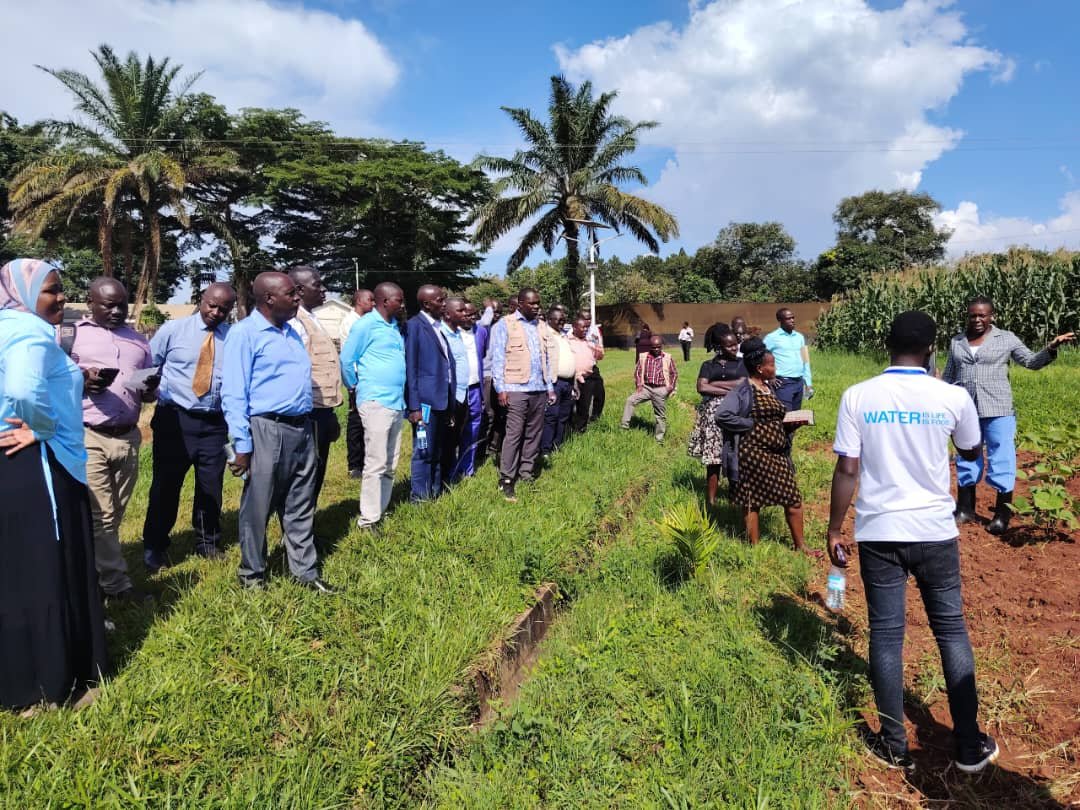
The Ministry of Agriculture, Animal Industry and Fisheries is stepping up promotion of CSA through Zonal Agricultural Research and Development Institutes (ZARDIs) via the Uganda Climate-Smart Agricultural Transformation Project (UCSATP).
The ZARDIs are research institutes under the National Agricultural Research Organization (@narouganda) located in nine (9) agroecological zones of Uganda.
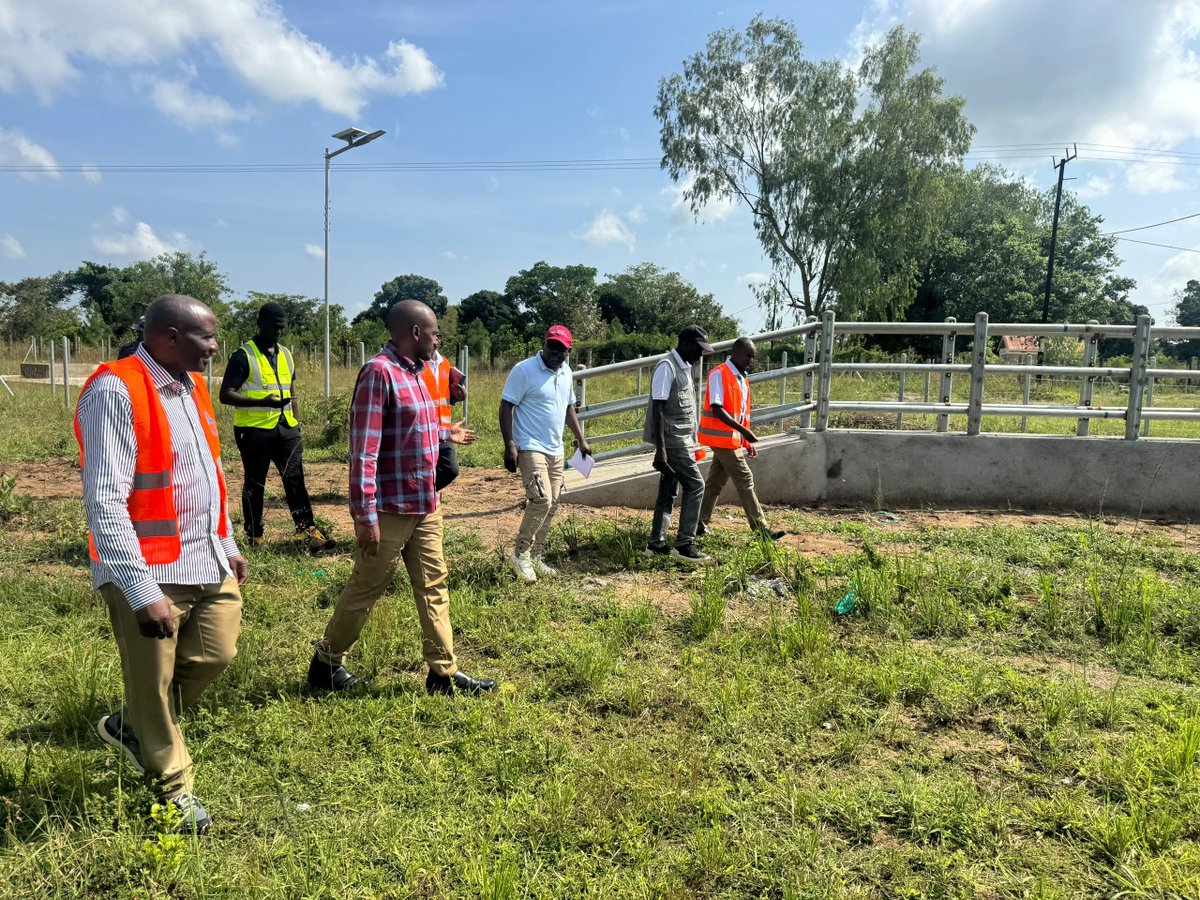
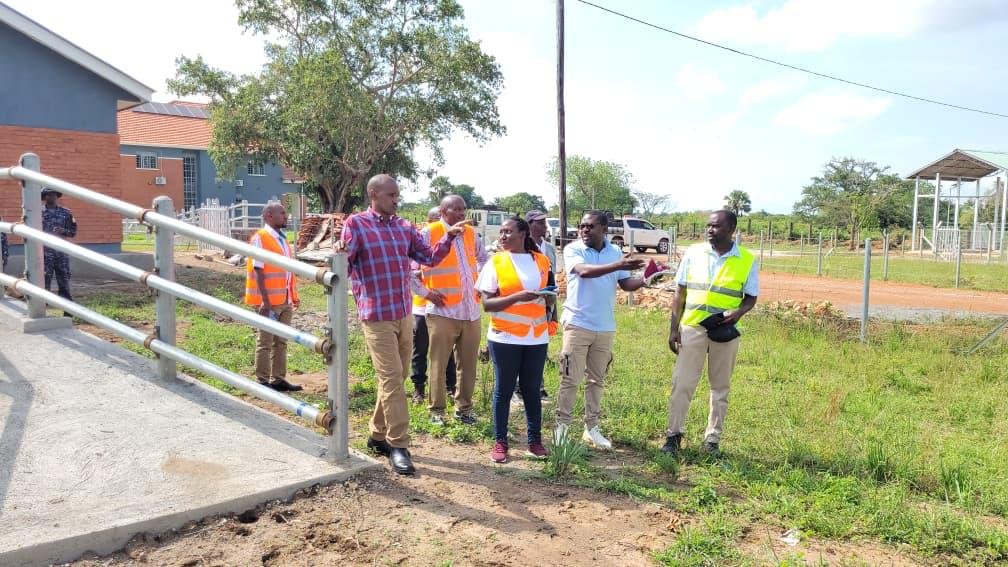
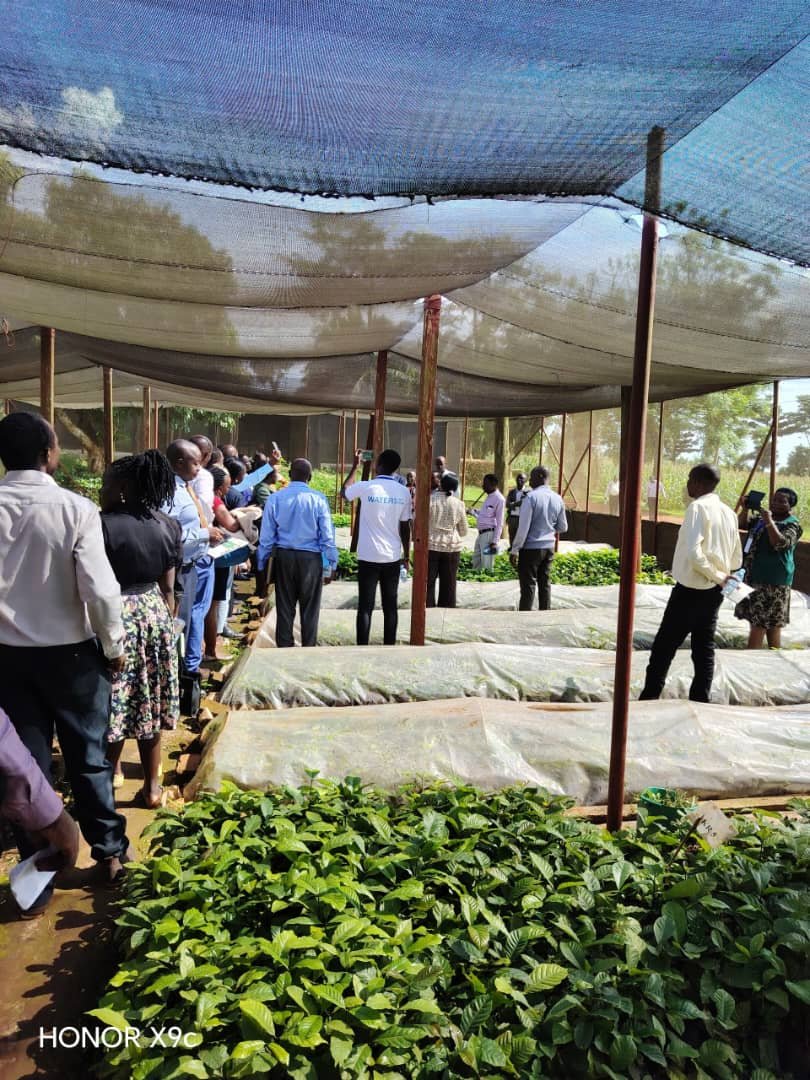
Through UCSATP, the Ministry supported the institutes to establish demonstration plots and standard storage facilities for seeds and grains. The ZARDIs were also supported to acquire Post-harvest technologies and hatcheries for fish.
To ensure that the benefits of this infrastructure and capacity building achieve maximum reach in the farming communities, the project and ZARDI teams are actively engaging:
❇️ District Production Officers
❇️ Agricultural Extension Officer
❇️ Local Council Representatives
❇️ Farmer Group Leaders
The ZARDIs include
❇️ MuZARDI - Mukono (Lake Victoria Crescent zone)-(@NARO_MUZARDI )
❇️ AbiZARDI – Abi (West Nile zone)
❇️BugiZARDI – Buginyanya (South Eastern / Elgon zone)
❇️BuZARDI – Bulindi (Lake Albert Crescent zone)
❇️KaZARDI – Kachwekano (South Western Highlands zone)
❇️MbaZARDI – Mbarara (South Western zone)
❇️ NabuinZARDI – Nabuin (Karamoja / North Eastern drylands zone)
❇️NgettaZARDI – Ngetta (Northern / Lango farming system zone)
❇️ RwebiZARDI – Rwebitaba (Western Highlands zone
#AgricultureUG
#MAAIF_NARO
#MAAIF_UCSATP
@FrankTumwebazek@DESIREtheFARMER@Thomas_Tayebwa@PS_MAAIF
The core objective of the Uganda Climate Smart Agricultural Transformation Project is to increase productivity, market access, and climate resilience of selected agricultural value chains in target areas, while enabling the government to respond promptly and effectively to eligible agricultural crises or emergencies.
This project covers 69 districts across Uganda, including seven refugee-hosting districts benefiting over 760,000 households directly and 1.9 million indirectly.
The project focuses on 13 specific value chains spanning crops (coffee, fruits, maize, cassava, beans, vegetables), livestock (dairy, beef, poultry, piggery), fisheries (aquaculture, capture fisheries), and beneficial insects (apiculture/bees and black soldier flies).
More details available on the Ministry website 👉 https://t.co/J7JX6ANufi
#MAAIF_UCSATP
#CSAMAAIFFridays
Climate-smart Agriculture: Country-wide drive for promoting climate-smart agriculture (CSA) through research institutes.
The Ministry of Agriculture, Animal Industry and Fisheries is stepping up promotion of CSA through Zonal Agricultural Research and Development Institutes (ZARDIs) via the Uganda Climate-Smart Agricultural Transformation Project (UCSATP).
The ZARDIs are research institutes under the National Agricultural Research Organization (@narouganda) located in nine (9) agroecological zones of Uganda.
Through UCSATP, the Ministry supported the institutes to establish demonstration plots and standard storage facilities for seeds and grains. The ZARDIs were also supported to acquire Post-harvest technologies and hatcheries for fish.
To ensure that the benefits of this infrastructure and capacity building achieve maximum reach in the farming communities, the project and ZARDI teams are actively engaging:
❇️ District Production Officers
❇️ Agricultural Extension Officer
❇️ Local Council Representatives
❇️ Farmer Group Leaders
The ZARDIs include
❇️ MuZARDI - Mukono (Lake Victoria Crescent zone)-(@NARO_MUZARDI )
❇️ AbiZARDI – Abi (West Nile zone)
❇️BugiZARDI – Buginyanya (South Eastern / Elgon zone)
❇️BuZARDI – Bulindi (Lake Albert Crescent zone)
❇️KaZARDI – Kachwekano (South Western Highlands zone)
❇️MbaZARDI – Mbarara (South Western zone)
❇️ NabuinZARDI – Nabuin (Karamoja / North Eastern drylands zone)
❇️NgettaZARDI – Ngetta (Northern / Lango farming system zone)
❇️ RwebiZARDI – Rwebitaba (Western Highlands zone
#AgricultureUG
#MAAIF_NARO
#MAAIF_UCSATP
@FrankTumwebazek@DESIREtheFARMER@Thomas_Tayebwa@PS_MAAIF
Foot and Mouth Disease Control:
The Ministry of Agriculture, Animal Industry and Fisheries (MAAIF) received three refrigerated trucks on November 21, 2026 to strengthen the cold-chain distribution of livestock vaccines across Uganda. By keeping doses at required temperatures (+2°C to +8°C for foot-and-mouth disease vaccines), the vehicles will prevent vaccine spoilage, reduce delivery delays from central stores to districts, and support the national FMD vaccine cost-recovery programme.
#FMDVaxUG
#AnimalHealthUG
@FrankTumwebazek@PS_MAAIF
Monitoring animal sub-sector infrastructure: Today, Hon. Frank Tumwebaze the Minister for Agriculture Animal Industry and Fisheries has embarked on a three-day visit to animal sub-sector infrastructure set up through the Agricultural Value Chain Development Programme (@Avcp1_MAAIF).
The first stop for the Minister was the Katine Regional Disease and Diagnostic Centre and holding ground in Soroti district.
As highlighted by the Minister, this center was designed as part of a broader strategy to ease pressure on the Entebbe National Animal Diagnostics Laboratory by building regional and district diagnostic hubs for faster disease management.
@FrankTumwebazek@DESIREtheFARMER@PS_MAAIF
#AnimalHealthUG
#MAAIF_AVCP
@UCSATP engages fisheries input suppliers on quality and service delivery!
The State Minister for Fisheries,@HonMigadde , today met with fisheries input suppliers under the @UCSATP in Wandegeya to review project implementation, listen to suppliers’ experiences and identify ways to strengthen service delivery to beneficiaries.
The engagement provided an opportunity to understand the challenges suppliers face while reinforcing the need for accountability, efficiency and quality in the delivery of fisheries inputs.
“This is our first engagement. We shall have another engagement with all suppliers across the country next week,” @HonMigadde said.
The Minister directed suppliers to present a comprehensive list of farmers who have received and acknowledged project inputs during the forthcoming national engagement to strengthen accountability and track input distribution.
Speaking at the meeting, @UCSATP National Coordinator, Eng. Boniface Okanya, emphasised the importance of maintaining high standards and ensuring that farmers receive quality inputs that meet the required specifications.
“The project focuses on improving productivity, building climate resilience and enhancing market access in both aquaculture and capture fisheries across 69 districts. We cannot achieve these objectives if substandard inputs are supplied to farmers,” he said.
Eng. Okanya cautioned that suppliers found delivering poor-quality inputs risk being blacklisted from participating in the project.
The engagement reaffirmed UCSATP's commitment to strengthening supplier accountability and ensuring that farmers receive quality inputs that contribute to improved fisheries production and resilient livelihoods.
@FrankTumwebazek@MAAIF_Uganda@Maaifclf@PS_MAAIF@WorldBankGroup@GcicAgriculture
Nkaakwa Sub County: Distribution of Apiculture Inputs to Kaingani-Nkaakwa Beekeepers Group in Nkaakwa SC under Uganda Climate Smart Agriculture Transformation Project @UCSATP
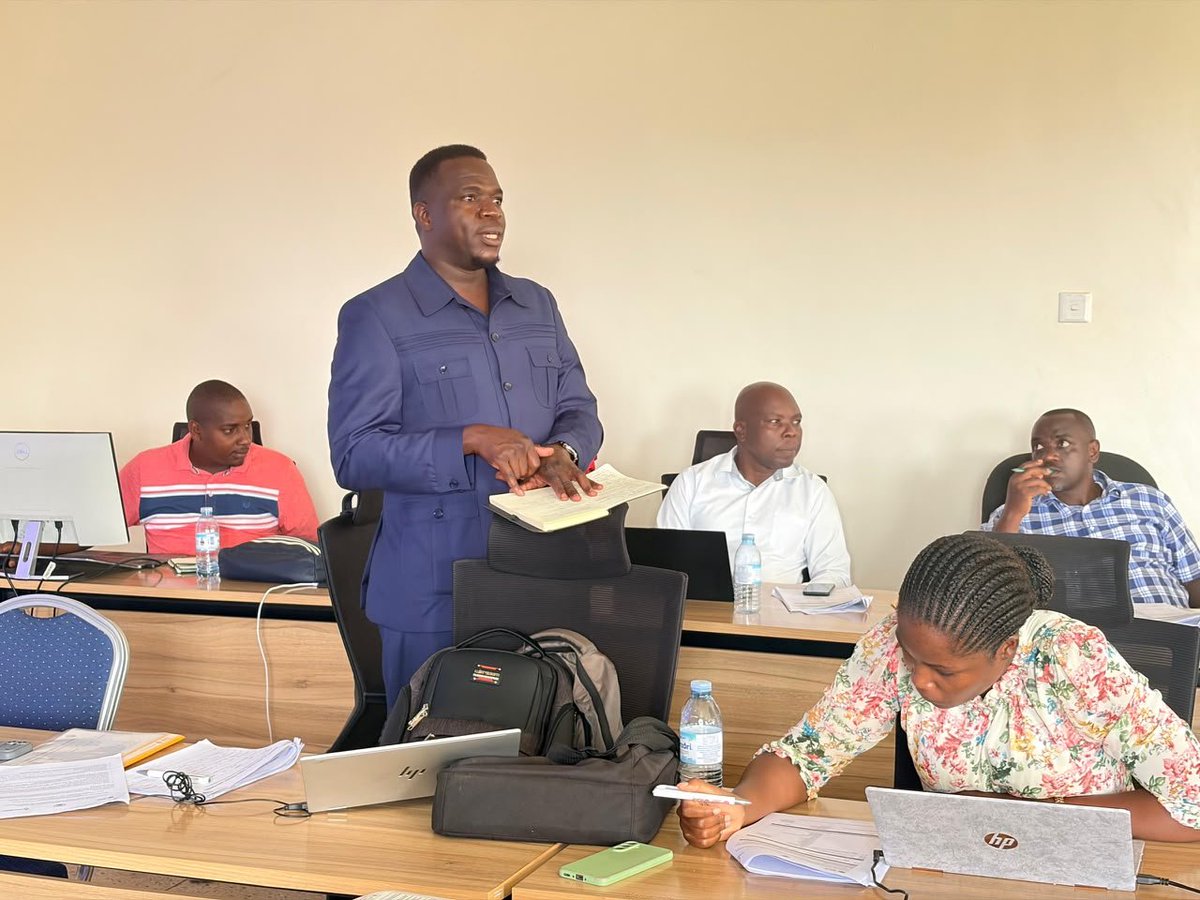
@MAAIF_Uganda, through @UCSATP , is conducting a 10-day Training of Enumerators for Refugee Baseline Data Collection at Namalere Agricultural Centre, from 10th–19th November 2026.
The training aims to equip enumerators with the knowledge and practical skills required to conduct accurate, reliable and ethical baseline surveys in refugee settlements. Key areas include survey methodology, digital data collection, questionnaire administration and field procedures across the Crop, Livestock and Beneficial Insects value chains, as well as Farmer Organizations and landlords.
The training is expected to strengthen enumerators’ readiness to collect quality baseline data that will inform effective project planning, implementation and monitoring in refugee settlements
@FrankTumwebazek@PS_MAAIF@WorldBankGroup@Maaifclf
FTI celebrates 39th Graduation Ceremony, equipping graduates for a sustainable blue economy
The Fisheries Training Institute (FTI) today, 13 November 2026, held its 39th Graduation Ceremony at the Institute’s campus in Entebbe.
The ceremony was presided over by the State Minister for Fisheries, Hon. Robert Migadde Ndugwa, under the theme:
“Scaling the fisheries, aquaculture and maritime value chain through skilling for sustainable economic growth.”
Graduates were awarded certificates and diplomas in various fields, including fisheries management, aquaculture, marine vessel construction and agriculture.
FTI continues to strengthen practical, industry-focused training through hands-on student projects such as the construction of aquaculture ponds and the development of Recirculating Aquaculture Systems (RAS).
Congratulations to the graduating class as they embark on their careers and contribute to Uganda’s sustainable fisheries, aquaculture and maritime sectors!
Researchers from the National Agricultural Research Organisation (NARO) have developed four rice varieties aimed at improving rice-based agri-food systems, reducing poverty and enhancing food security in Africa.@narouganda@MAAIF_Uganda
Beneficiaries are already experiencing tangible results.
Lwambala Cocoa Farmers and Beekeepers Association, represented by its Chairperson, Ibrahim Ntulume, appreciated the project for providing essential agricultural inputs, including pesticides, motorised and manual spray pumps, protective gear, wheelbarrows, tarpaulins, secateurs and fertilisers. He also recognised the continued support of district agricultural officers and extension workers in strengthening farmers' capacity and productivity.
Meanwhile, members of Cadis Misol Fishing and Savings Group appreciated the technical guidance provided by fisheries officers and district extension teams.
The group's patron, Rev. Fr. Bisoblowa Acheleo, showcased the project-supported fish cages, fingerlings, nets and other investments that are enhancing aquaculture production and building practical skills within the community.
From cocoa gardens to fish cages, @UCSATP continues to extend support to farming communities in Mayuge, equipping them with the inputs, knowledge and skills needed to increase productivity, improve household incomes and build climate-resilient livelihoods.
Determined to ensure no farmer is left behind, officials from the @UCSATP , together with the @WorldBankGroup team, hired a boat to access remote communities in @LocalMayuge and engage beneficiaries involved in the fish and cocoa value chains.
During a meeting at the district headquarters, the District Project Focal Person, Emmanuel Kawuzi Waiswa, applauded @UCSATP for providing a vehicle that has strengthened project monitoring and supervision across all sub-counties.
@UCSATP Senior Grants Officer, Fredrick Muhanguzi, commended the district's technical and political leadership for their partnership and commitment to successful project implementation. He called for continued collaboration to accelerate agricultural productivity and improve household incomes.
@FrankTumwebazek@DESIREtheFARMER@HonMigadde@WorldBankGroup@PS_MAAIF@GcicAgriculture@MAAIF_Uganda@Maaifclf
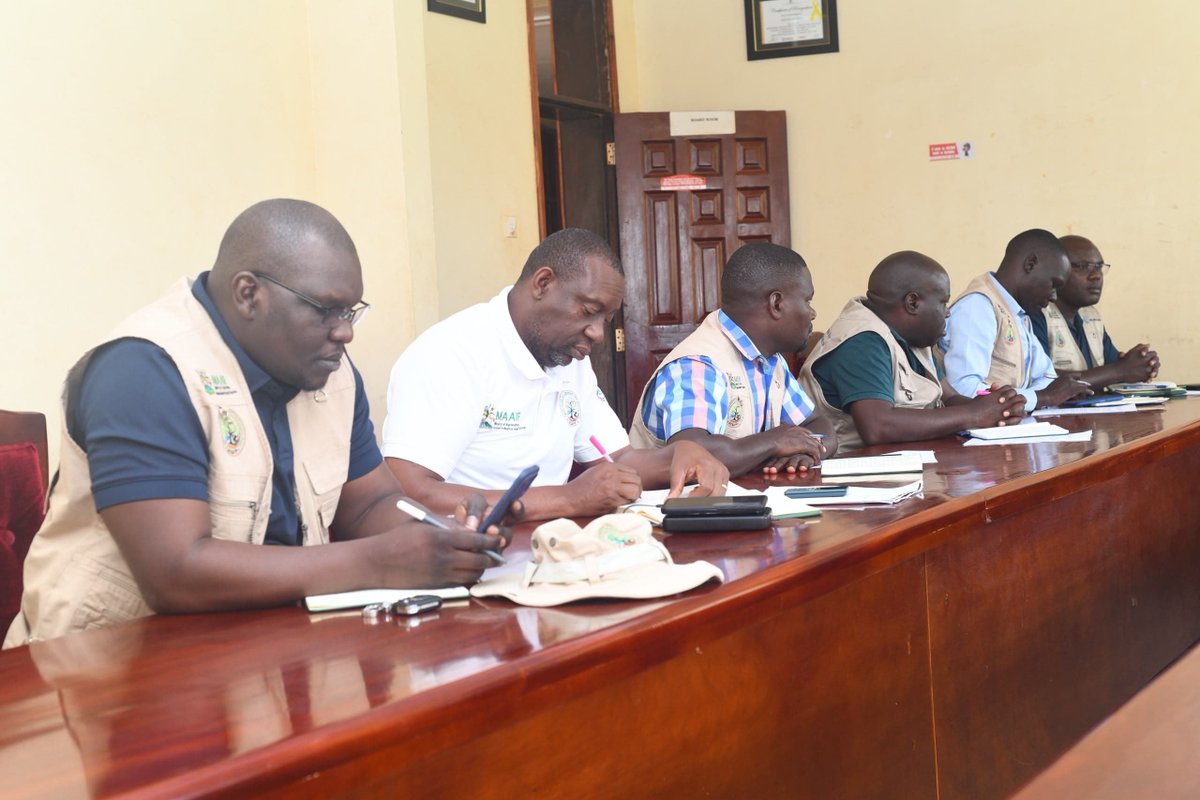
@UCSATP , together with the @WorldBankGroup and the Monitoring and Evaluation team, conducted a Mid-Term Review in Buyende District to assess project implementation progress, achievements and emerging challenges.
The district has verified over 202 farmer groups across crop, coffee, cocoa, dairy, capture fisheries and beneficial insect value chains. Buyende has also benefited from project assets, including a double-cabin vehicle, to support field operations and service delivery.
Key challenges identified included poor network connectivity, high dairy input costs and staffing gaps. Project officials commended the district's community sensitisation efforts and emphasised accountability, effective utilisation of project assets and timely fulfilment of farmers' financial commitments.
Beneficiary groups acknowledged increased support and funding from @UCSATP but highlighted persistent challenges, including limited market access, pests, drought, insecurity and fisheries management constraints.
The review provided an opportunity to assess progress, identify implementation gaps and strengthen interventions for improved agricultural productivity, household incomes and livelihoods.
@FrankTumwebazek@DESIREtheFARMER@DrRwamiramaBK@HonMigadde@PS_MAAIF@MAAIF_Uganda@Maaifclf
UCSATP mid-term review highlights progress in Buyende
The Uganda Climate Smart Agriculture Transformation Project (UCSATP), together with the World Bank and the Monitoring & Evaluation team, conducted a mid-term review in Buyende District to assess implementation progress.
The district has verified over 202 farmer groups across crop, coffee, cocoa, dairy, capture fisheries, and beneficial insect value chains, while also benefiting from project assets, including a double-cabin vehicle.
Challenges highlighted included poor network connectivity, high dairy input costs, and staffing gaps. Project officials commended community sensitisation efforts, urged effective utilisation of project assets, and encouraged farmers to fulfil their financial commitments for timely service delivery.
Beneficiary groups reported increased support and funding but cited market access constraints, pests, drought, insecurity, and fisheries management challenges that continue to affect livelihoods.
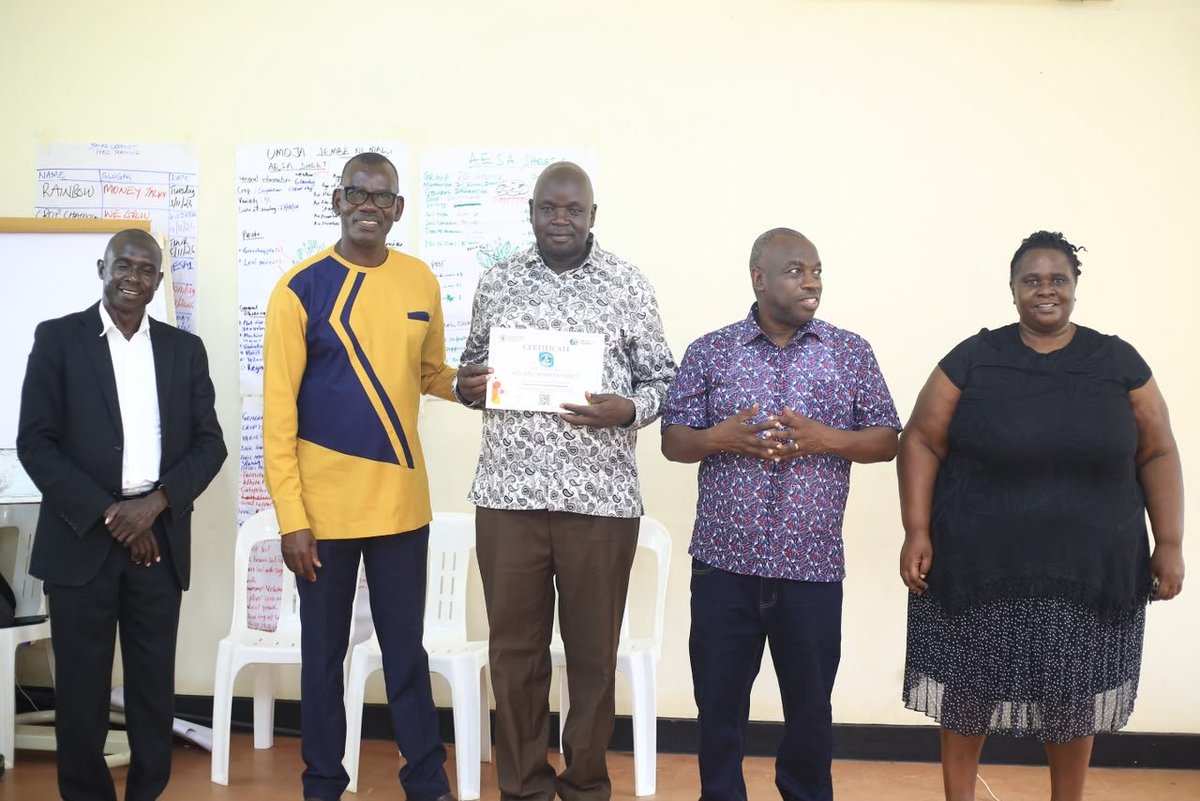
Cohort 3 Training of Trainers (ToT) on the Farmer Field and Business School (FFBS) Approach under the Crop Value Chain, organised by @MAAIF_Uganda through @UCSATP at MUARIK, Kabanyolo, successfully concluded yesterday with the awarding of certificates to participants.
The training equipped district agricultural extension officers with practical skills and knowledge to establish and facilitate Farmer Field and Business Schools at community level.
Participants are expected to cascade the training to sub-county extension officers, identify and train farmer group facilitators, and establish FFBS activities in their respective districts. They will also develop implementation plans, monitor progress and guide farmers in adopting Climate-Smart Agriculture (CSA) practices.
Through this approach, @UCSATP aims to strengthen farmer capacity, improve agricultural productivity, build resilience to climate change and ultimately enhance household incomes and livelihoods.
@FrankTumwebazek@DESIREtheFARMER@PS_MAAIF@Maaifclf@WorldBankGroup