It's Global Accessibility Awareness Day! https://t.co/oHPmJHfQd8 Join us here to discuss "Teaching Online and Accessibility" tomorrow, 5/21 @ 12p CST. #DLFTeach
The VRC is excited to announce graduate student Livy Snyder’s interviews on preserving and documenting digital and time-based media artworks! She’s outlined practices for caring for these materials from different perspectives, read the full interviews at https://t.co/Vo3uThul1r!
@profgabrielle Thank you for this doc, and for sharing it! We've added this link to our list of critical cataloging resources for describing images in the digital collection. This will be immensely helpful as we work to repair language in records
We acquired two wax tablets for the Materials Collection! Write and erase using the stylus. See examples of tablets from Roman antiquity and French medieval in LUNA https://t.co/p3Y6C2fCuT
Join Ho Tzu Nyen, Serge Alain Nitegeka, Sean Lowry, and Simone Douglas for a panel discussion on March 4 that considers global-scale issues in contemporary art and art history. Co-presented with @HoodMuseum: https://t.co/inKDq7HAsQ
Just read this impressive, important (and haunting) article, can recommend - "The Crying Child. On Colonial Archives, Digitization, and Ethics of Care in the Cultural Commons", by Temi Odumosu. https://t.co/WMQYyS4a9j
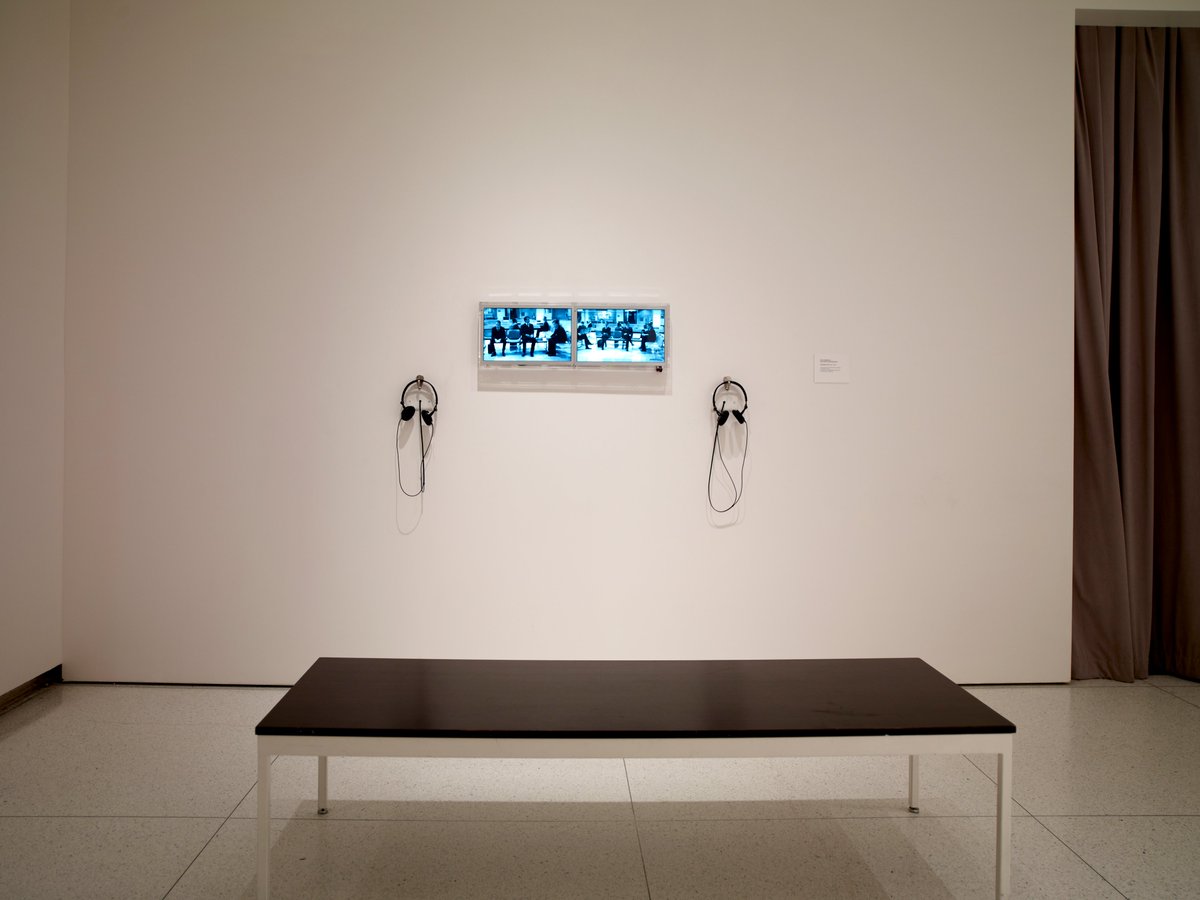
Shadi Habib Allah is another artist whose work bifurcates two different UChicago collections. Habib Allah’s video piece, Dag’aa, is part of the @chicagobooth Art Collection, and in 2018 the @rensoc exhibited video works alongside installations in “Put to Rights.”
Check out the VRC's new “Cookbook of Remote and Hybrid Instructional Strategies in Art History” at https://t.co/JOjoTtiH4i : feedback, best practices, & ideas for teaching remotely from Spring 2020 UChicago Art History Instructors
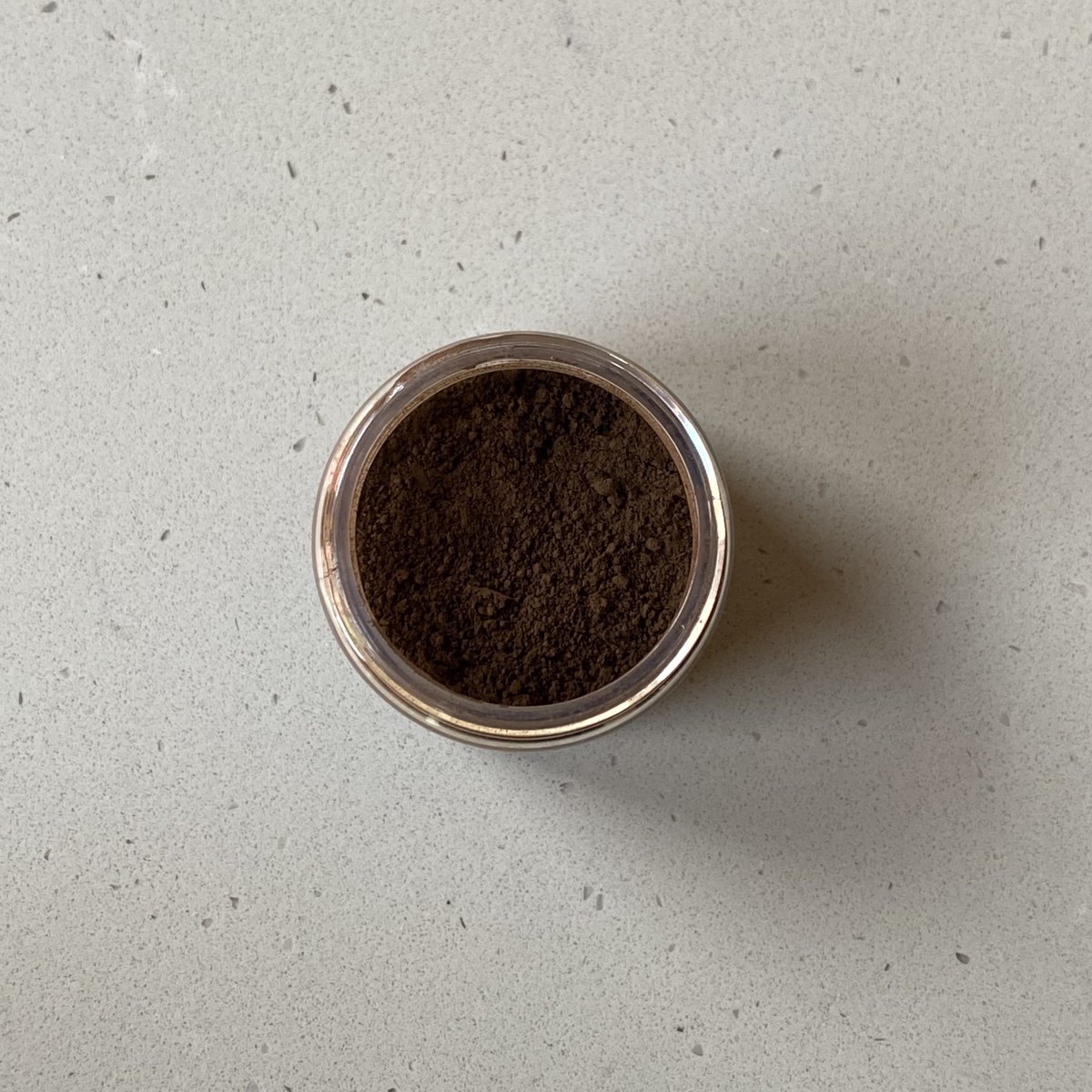
Say hello to Burnt Umber, one of the three main earth pigments (with ochre and sienna). See it in paintings at Lascaux and by Caravaggio and Mark Rothko
New to the #materials collection: Lead white! The most popular white pigment used until the 19th century, it can be found in artwork internationally to paint light and tone other colors
Part 2 of the Materials Collection pigment series features “Paris Green,” or emerald green pigment. Paris Green is no longer used today due to its extreme toxicity, and the Materials Collection features a reproduction.