Taylor Howe was presented with the Lois D. Patton Award before today's opener. The award is presented annually to the top female senior student-athlete at UE.
📰 https://t.co/XbhZuQcs7X
🥎 #ForTheAces
Special thanks to the @UEAthletics_MBB and Hype Hop Dance Fitness for coming out to support our Need to Feed giveaway. It means a lot to have people show up and serve alongside us. @_YandE_
Target the glutes and get the buns burning with these 3 exercises!! 🔥
Reference:
Collings TJ, Bourne MN, Barrett RS, Meinders E, GONçALVES BAM, Shield AJ, Diamond LE. Gluteal Muscle Forces during Hip-Focused Injury Prevention and Rehabilitation Exercises. Med Sci Sports Exerc. 2023 Apr 1;55(4):650-660.
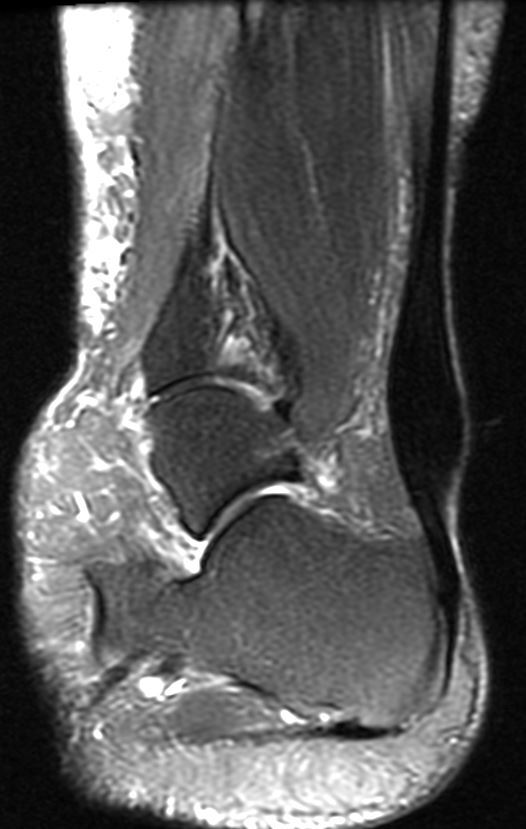
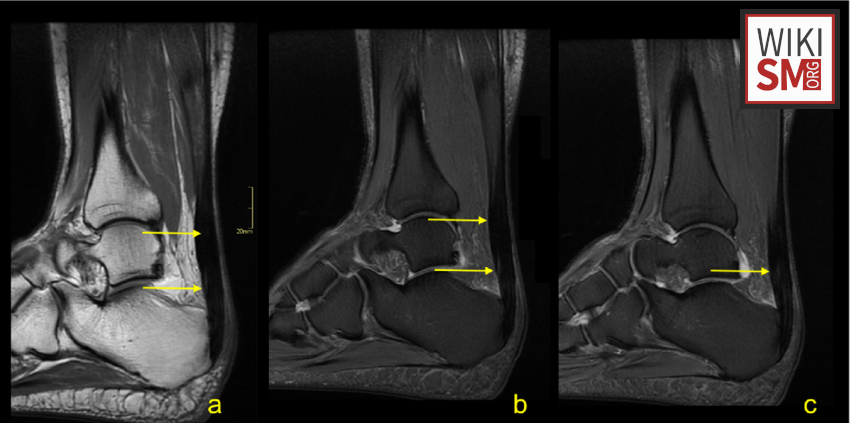
Dr Kiel provides a quick review of Achilles tendonitis which causes posterior heel pain, stiffness, and swelling, often from overuse. Early treatment and rehab are key for recovery.
Read: https://t.co/mlIlPYFWK1
#SportsMedicine#Orthopedics#PhysicalTherapy#AthleticTraining #Rehab #InjuryPrevention #Physio #SportsInjury #SportsRehab #PhysioTherapy #Meded #ATC #FOAMed
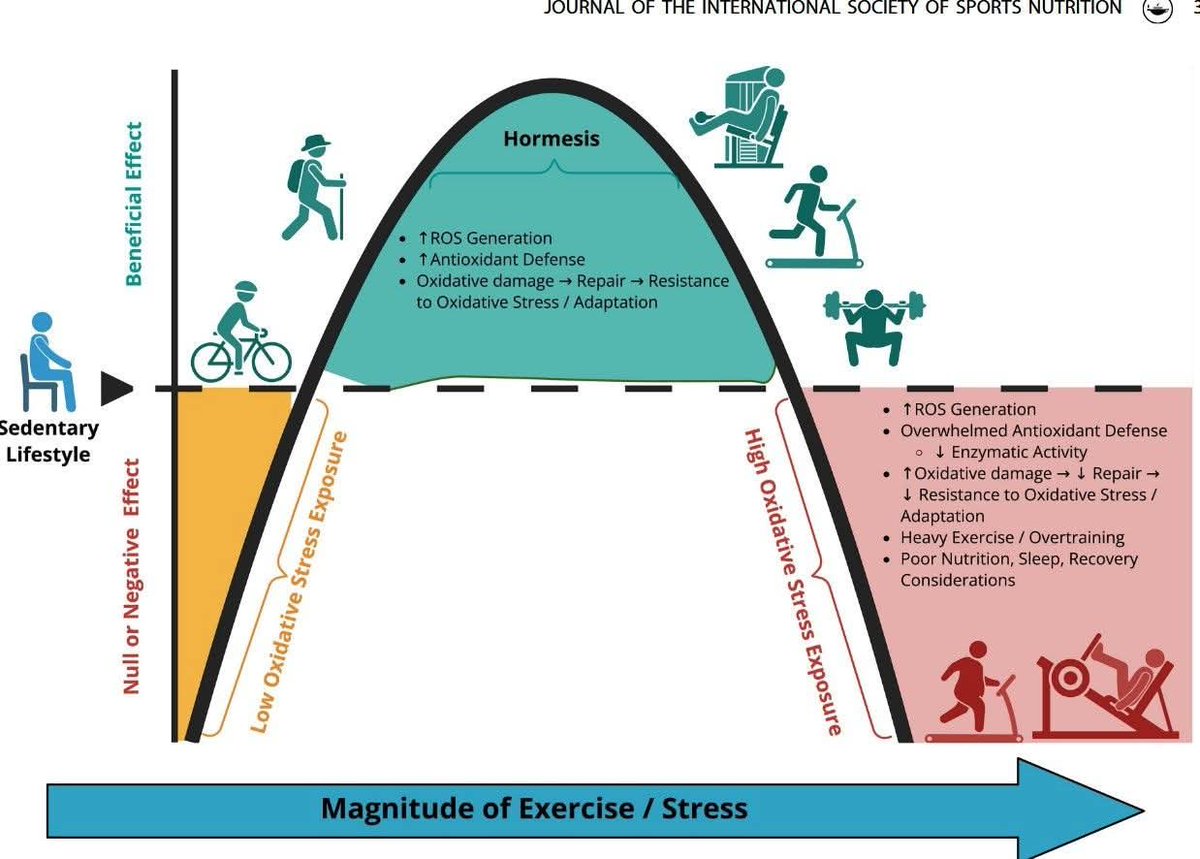
This is the concept of hormesis, where moderate biological stress drives beneficial adaptation, while too little or too much leads to dysfunction.
At low stress (sedentary state):
Reactive oxygen species (ROS) production is minimal, signaling pathways remain under-stimulated, and the body has no reason to upregulate endogenous defense systems. The result is metabolic stagnation and reduced resilience.
At moderate stress (training zone):
Transient increases in ROS act as signaling molecules (not damage) triggering:
- Upregulation of antioxidant enzymes (e.g., superoxide dismutase, glutathione systems)
- Mitochondrial biogenesis and improved oxidative capacity
- Enhanced repair pathways and stress resistance
- Greater metabolic flexibility and performance adaptation
- This is where exercise, thermal stress, and metabolic challenges produce their intended benefit.
At excessive stress (overreaching/overtraining)
ROS generation exceeds buffering capacity:
- Antioxidant defenses become overwhelmed
Repair processes cannot keep pace with damage
Inflammation, fatigue, and performance decline emerge
- Adaptation is blunted or reversed
Importantly, poor sleep, inadequate nutrition, and insufficient recovery shift individuals into this maladaptive zone even if training volume appears “appropriate.”
Health and performance are not built by eliminating stress, but by dosing it correctly and allowing recovery to convert stress signals into adaptation.
The goal is not maximal strain.
The goal is repeatable, recoverable stress that the body can respond to and grow from.
Source: ISSN Position Stand on Antioxidants. 2026
Cam Tilly, pitcher with the New York Mets, stopped by the center to make a donation in support of the work we do in the community. We truly appreciate his support. @_YandE_
Every vitamin has a job.
Every deficiency has a consequence.
Every food choice moves the needle.
A quick breakdown:
🔵 Vitamin D
Bone strength and calcium absorption.
Low levels raise the risk of weak bones and fatigue.
🟣 Vitamin B12
Builds DNA and protects nerves.
Low B12 can mean anemia, tingling, and brain fog.
🟡 Vitamin A
Vision, immunity, and tissue growth.
Deficiency can lead to night blindness.
🟢 Vitamin K
Clots your blood when you’re injured.
Deficiency increases bleeding risk.
🟠 Vitamin C
Major antioxidant and collagen builder.
Low C = weak immunity and poor wound healing.
🔴 Vitamin B6, B7, B9, B1, B2, B3
These B-vitamins run your metabolism, fuel your brain, make neurotransmitters, support pregnancy, stabilize energy, and protect your nerves.
Each one solves a different problem in your biochemistry.
What this all means:
• Vitamins aren’t optional
• You feel them long before you see them
• Deficiency symptoms often look like “stress” or “low energy”
• Small improvements in diet can fix problems people chase with supplements for years
Nutrition is chemistry you can control.
Your cells are listening to what you feed them every day.
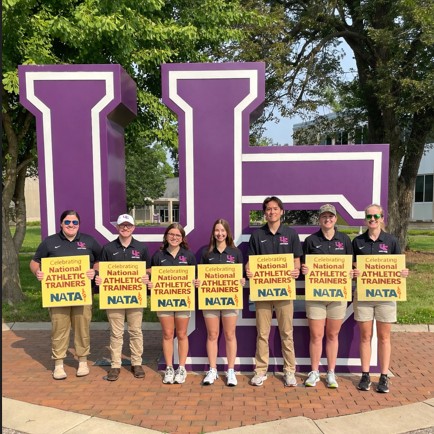
Good Luck this weekend at Semi State with Heritage Hills football - 1st year MSAT students Ellie Fausnaugh and Preceptor and UE alum, Amanda Bickford!!
#UEATFAM
High cardiorespiratory fitness (measured as VO₂ max) is associated with a 5-year increased life expectancy, dramatically reducing risk of death from heart disease, cancer, and respiratory illness by ~80%
Even small improvements (moving from sedentary to moderately active) can add roughly 2 years to your lifespan.
When it comes to longevity, almost nothing moves the needle more than improving cardiorespiratory fitness