PECC+ is a program that aims to establish a readiness improvement program of Pediatric Emergency Care Coordination in NC EMS systems with respect to category 2 as defined by the FOA. We would love to introduce you to some of our awesome PECCs!
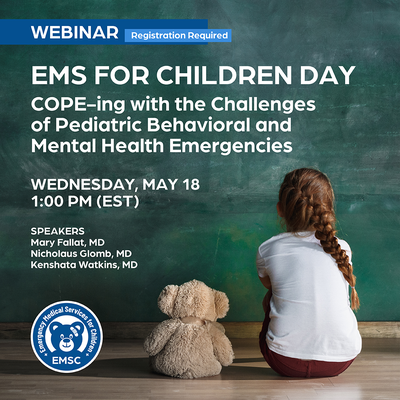
Free webinar: #EMS for Children Day: COPE-ing with the Challenges of Behavioral and Mental Health Emergencies - May 18th at 1pm EST
Hosted by: @EMSCImprovement - EMSC Innovation and Improvement Center (EIIC)
https://t.co/ybcyVG2s6j
PECCs aren't just for prehospital clinicians! One of our #highschool interns interviewed @UNC_Health_Care staff to learn more about #pediatricreadiness in the hospital! https://t.co/AiIspmIKJ8
Our team is hiring a part-time research assistant! Work with a great group of #EMS professionals and researchers as we improve #pediatriccare in #NorthCarolina! https://t.co/0mK9jyjUx3
Each year, our #research team invites local #NorthCarolina#highschool students to apply to our #Internship in Science and Health Training and Research. Learn more at https://t.co/P9XWYBw94n.
Each year the @emscimprovement surveys #EMS agencies who provide care and/or transport to #pediatric patients. Help them (and us!) by filling out those surveys in your inboxes! Need the link? DM us!
Our PECC #EMS agencies are not only invested in improving #pediatric care, they're invested in bettering the health of their entire communities. See how @RailcareHealth & Washington-Tyrrell EMS have supported each other during the pandemic. https://t.co/sfdHP0xX5N
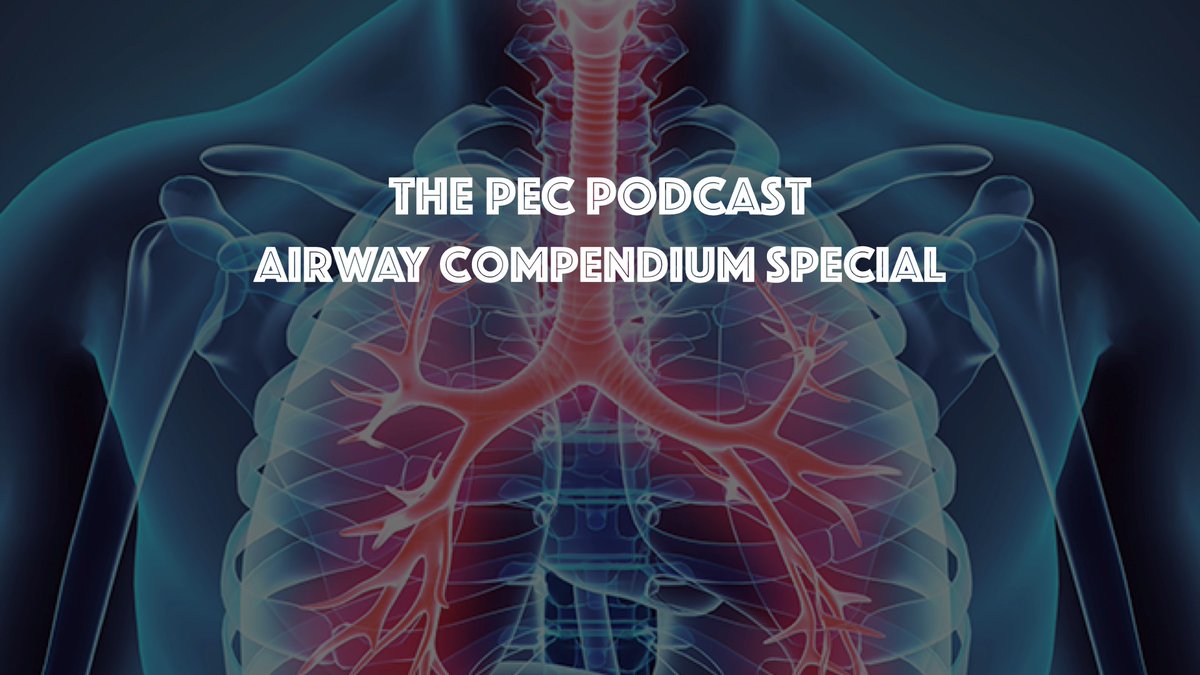
All five episodes of the Airway Compendium @PECpodcast Series are now available! Listen now and don't miss our airway compendium session at #NAEMSP2022. https://t.co/iUCqbkRz57
The article "The Psychology of Prehospital Pediatric Emergencies" article from JEMS provides a unique perspective on this matter and highlights important differences between child and adult emergencies.
https://t.co/BkBVbJd1qw
"'With kids, you need to start at death and work backwards,'" my paramedic school teacher taught. 'If you're not two steps ahead, you're eight steps behind.'"
Read Kevin Grange's article for EMS1 below!
https://t.co/BCIigQuTCc
Here are some more photos of the 2021 PECC Summit! Here is a video of some of the PECCs working on the seizure scenario led by David Silfen from Durham Technical Community College!
Do you remember a time in providing care where you found yourself with a sick child, unable to provide drugs or fluids because it was difficult or impossible to obtain IV access? IO insertions may be the answer. Article by Jonathan Lee for EMS1.
https://t.co/l2so00YoDw
Here are some photos from our EMS Gamification and Cardiac Arrest Scenario at our 2021 Summit led by Courtney Brantley and Margaret Lewis from Atrium Health. Check out our Facebook page @UNCPAR for more information about this scenario!
Looking to test your knowledge in pediatric care? Take this quiz on EMS1 and see how sharp your neonatal and pediatric care skills are!
https://t.co/HnEK9dsZPS
Part of doing your best work is checking in with yourself and avoiding burnout. This article from Medium lists some of the preventative measures that you can take as well as managing burnout and stress.
Check out the link below to view the article:
https://t.co/FiO1E3g6Mj
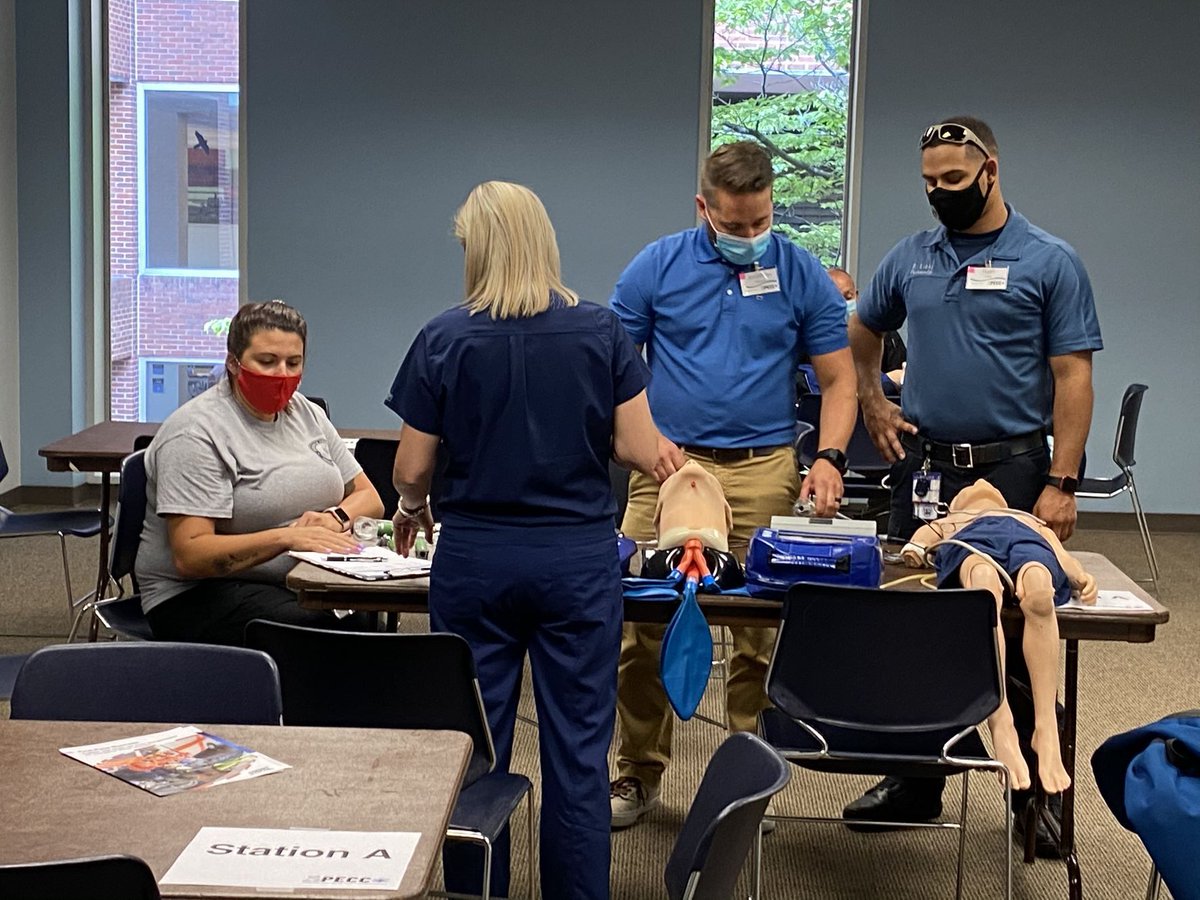
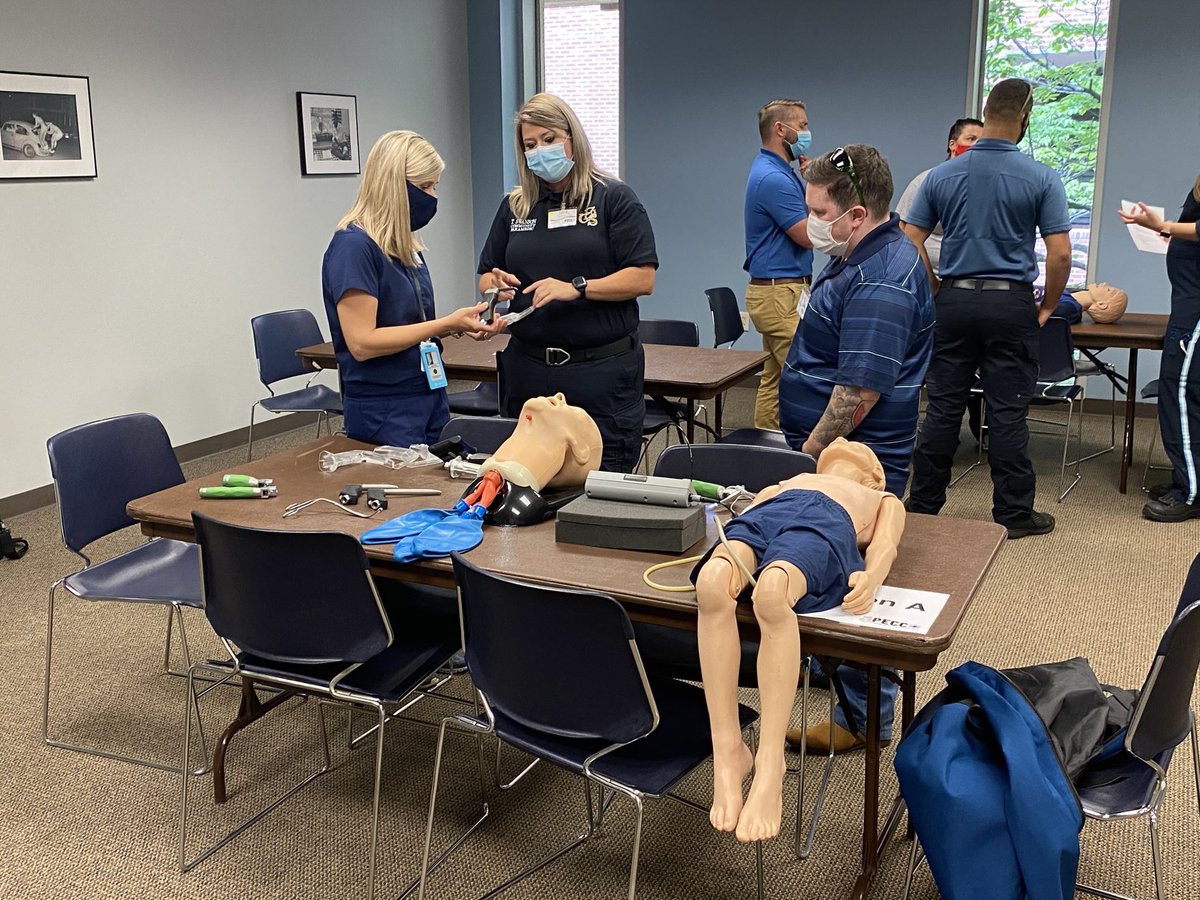
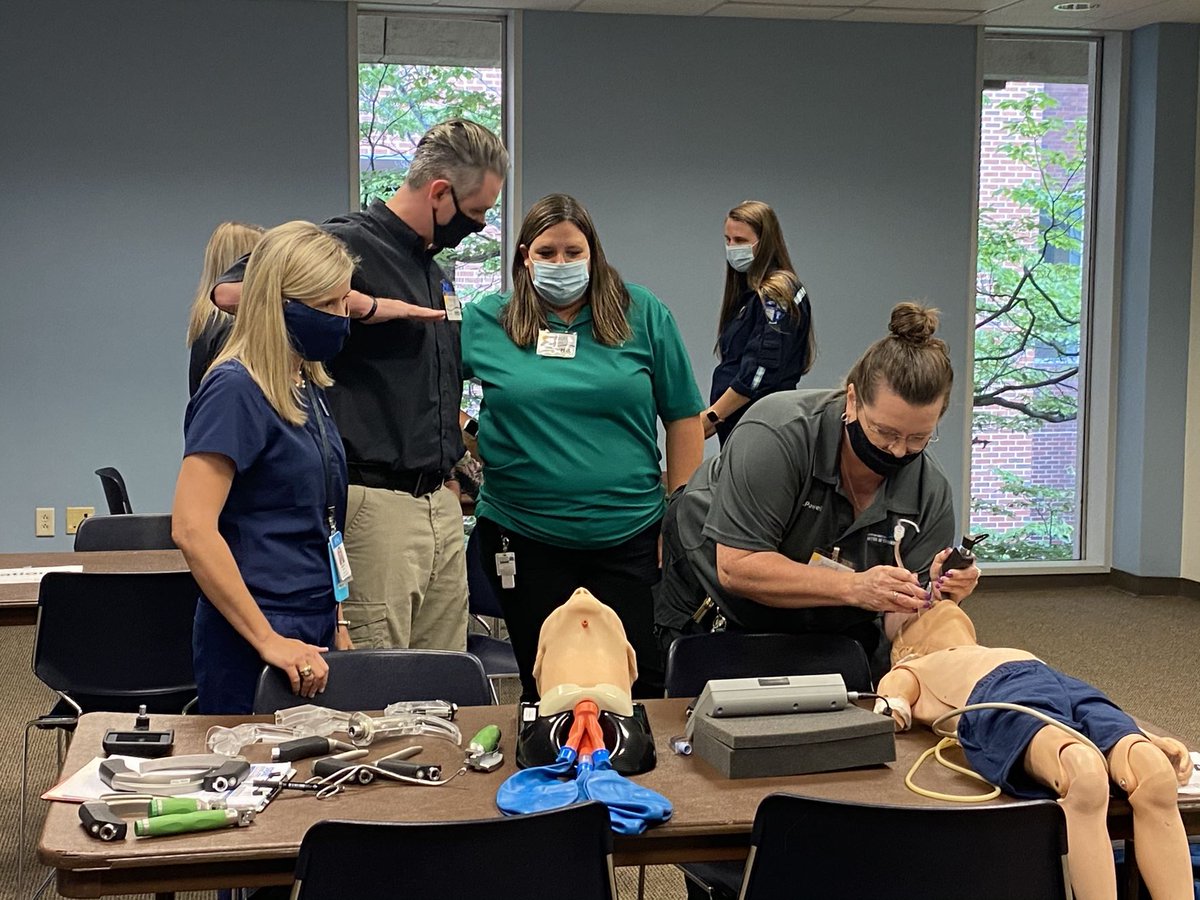
Here are some of our awesome PECCs at the annual PECC summit, practicing basic and advanced airway management techniques. This scenario was led by Ashley Pinnix from Karl Storz.
PECC+ is a program that aims to establish a readiness improvement program of Pediatric Emergency Care Coordination in NC EMS systems with respect to category 2 as defined by the FOA. We would love to introduce you to some of our awesome PECCs!
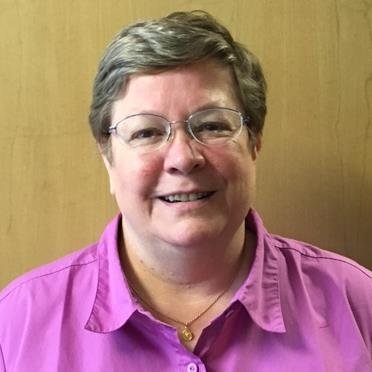
And to round out our incredible team's introductions, meet Jessica Howery, a paramedic for Washington-Tyrrell county since February 2019. Jessica wanted to become a PECC to "help increase [her county's] knowledge of pediatric care."
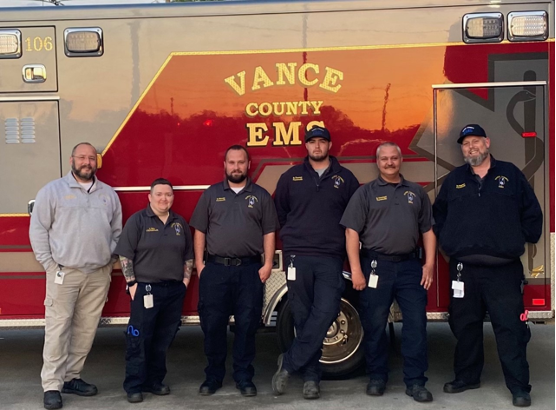
Meet Kris Talley, an FTO-Parametic and Asst. Shift Supervisor for Vance County EMS! Kris wanted to become a PECC to "bring training and knowledge back to his department."
Meet Jon Hancock, a paramedic in Madison County and a training officer, logistical officer, and shift supervisor. Jon became a PECC because pediatric patients "truly have his heart" and he wants to help "foster pediatric care growth within his community."



![UNCPAR's tweet photo. And to round out our incredible team's introductions, meet Jessica Howery, a paramedic for Washington-Tyrrell county since February 2019. Jessica wanted to become a PECC to "help increase [her county's] knowledge of pediatric care." https://t.co/P59AoqohlE](https://pbs.twimg.com/media/FBq0p2kXEAcBefE.png)
![UNCPAR's tweet photo. And to round out our incredible team's introductions, meet Jessica Howery, a paramedic for Washington-Tyrrell county since February 2019. Jessica wanted to become a PECC to "help increase [her county's] knowledge of pediatric care." https://t.co/P59AoqohlE](https://pbs.twimg.com/media/FBq0oC7WEAEi_iq.png)











![UNCPAR's tweet photo. And to round out our incredible team's introductions, meet Jessica Howery, a paramedic for Washington-Tyrrell county since February 2019. Jessica wanted to become a PECC to "help increase [her county's] knowledge of pediatric care." https://t.co/P59AoqohlE](https://pbs.twimg.com/media/FBq0sV2XsAA41i_.png)