#UN Office for Disaster Risk Reduction, dedicated to building disaster #resilience and tackling #climatechange through implementation of the Sendai Framework
📊 Countries with more comprehensive early warning systems record significantly lower disaster mortality and fewer people affected.
Global Status of Multi-Hazard Early Warning Systems 2026, launched today at COP31 ➡️ https://t.co/c8cX3RGyBG #EarlyWarningsForAll#COP31@WMO
In 2010, a 7.0 magnitude earthquake in 🇭🇹 Haiti killed 222,000 people and left millions homeless.
But in 2012 just two people died when a 7.6 magnitude earthquake hit 🇨🇷 Costa Rica.
Why?
🏗️ Strict building codes. Resilient infrastructure saves lives.👇
#BuildingResilience
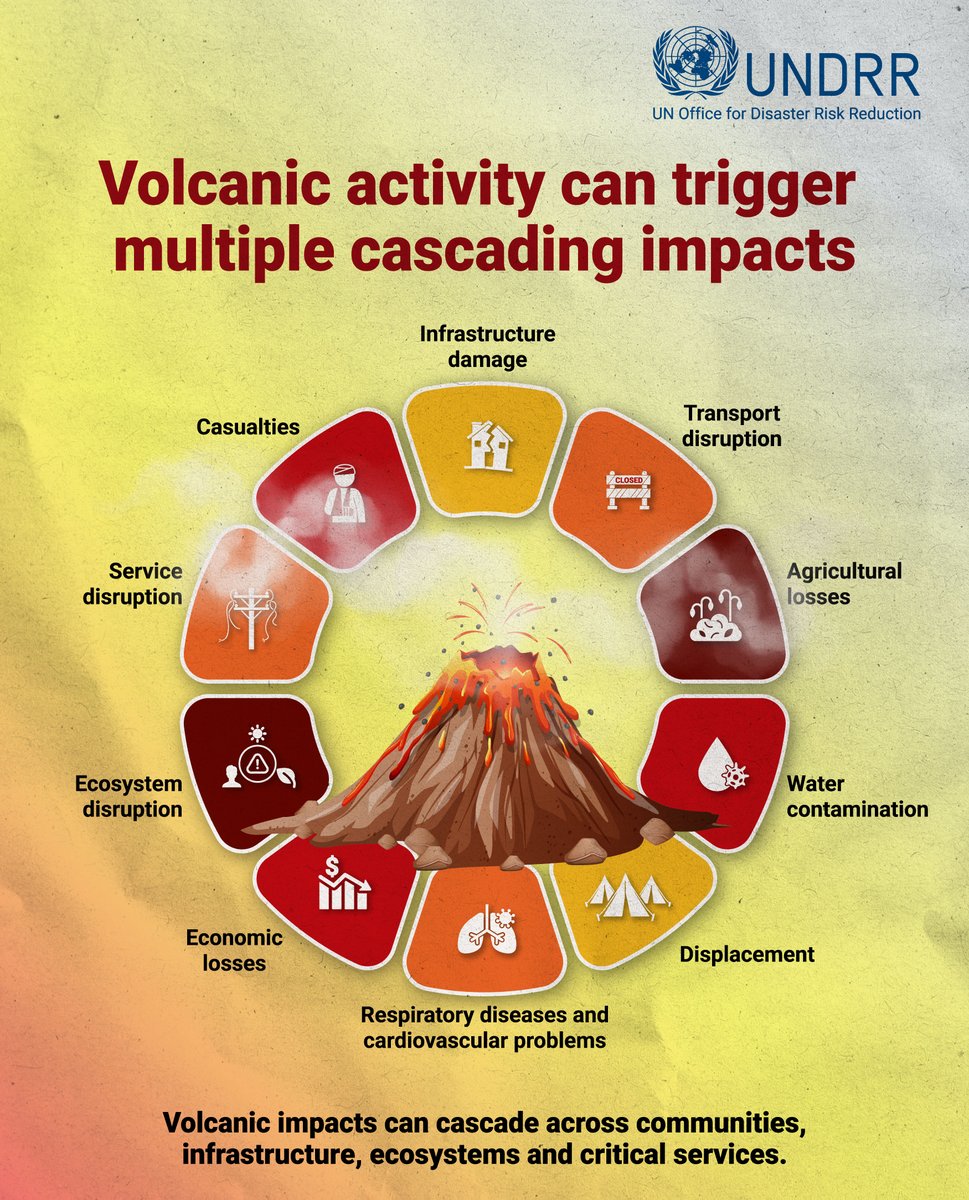
🌋 When a volcano erupts, the impacts reach far beyond the crater. It can cascade across communities, infrastructure, health, and ecosystems.
Hazard Information Profiles help you understand these risks and strengthen disaster risk reduction.
➡️ https://t.co/PAShN7i2pp
🌊When a tsunami is on its way, every second counts. In Chile, people’s safety is built through practice that teaches them where to go and how long it takes to get there.⌛
➡️ https://t.co/CbR6WXmL7i #TsunamiDay#ResilienceStartsWithYou#GetToHighGround
👵👴 Even citywide preparedness can start with Grandma and Grandpa.
As El Niño lengthens the dry season in Medellín, Colombia, the city is bringing families together to discuss the risks they face and how they can respond.
Watch how ▶️
#ResilienceStartsAtHome
🏔️ A valley rebuilt at 1:577 scale.
Researchers from WSL Institute for Snow and Avalanche Research SLF and @ETH_en are triggering miniature avalanches in a 3D-printed model of Blatten, Switzerland, to improve risk assessments for real communities.
➡️ https://t.co/vbo8DSxuRb
🌿 Mangroves offer natural flood barriers with billion-dollar benefits.
A study by UCSC & @EastCarolina found:
📊 During Irma (2017) & Ian (2022), mangroves cut losses by $725M & $4.1B.
🏡 In Collier County, they save $67M yearly.
#NatureBasedSolutions https://t.co/DqGyveMF04
🌋 Think a quiet volcano is a safe volcano? Think again.
So-called “dormant” volcanoes often erupt with little warning, catching communities and authorities off guard.
But all volcanoes send warning signals — we need to listen, invest, and act.
➡️ https://t.co/a7cp6QVQfQ
🦟 As cities grow, so can exposure to mosquito-borne diseases.
🌇 Building safer and healthier cities will require urban planning, water management and public health measures that tackle mosquito breeding sites before they become a larger risk.
➡️ https://t.co/j8nk9LjWl6
🎯 UNDRR’s #COP31 priorities for #ClimateAction:
✅ Deliver commitments
📢 Adapt & address loss and damage
💰 Fund prevention
🌿 Connect climate, nature & land
➡️ https://t.co/vBQzChPVqb
@UNFCCC
Stress-testing infrastructure means asking difficult questions early – and taking the answers seriously.
As extreme events grow more common, infrastructure built to yesterday's standards is increasingly exposed.
Start here ➡️ https://t.co/IPACA5MmWm
During the last three years the world has been shaken by several major earthquakes.
👇 Here are 5️⃣ lessons they have taught us, from @TheWorldBank Blog and @miyamotointl https://t.co/44xfaLJwVD
🤝 Around the world, communities are leading the way toward tsunami resilience, making sure no one is left behind.
🌊Discover a wave of action for community-led tsunami resilience.➡️ https://t.co/mC1bOmMRJP #TsunamiDay#ResilienceStartsWithYou#Tsunami
How can we adjust to living with extreme heat? 🏠
In July 2026, Secretary-General Antonio Guterres issued a Call to Action on Extreme Heat. Here are ten actions to beat the heat on a baking planet➡️ https://t.co/6MEADGN8KV #BeatTheHeat
🛰️📢 Early Warnings for All aims to ensure everyone is protected by multi-hazard early warning systems, making them central to disaster risk reduction and climate adaptation.
➡️ https://t.co/SDU5ndD0rY
#EarlyWarningsForAll@WMO@ifrc@ITU
🌾 A warmer world is making crop failures harder to prevent.
♻️ As a changing climate puts pressure on food systems, farmers need integrated solutions that protect their crops while slowing the development of pesticide resistance.
Read more ➡️ https://t.co/6ABo0V96Cv
🌊 Are our preparedness plans designed for everyone who needs to use them?
🤝 In this #DRRvoices article, Vaitsis Koutsipetsidis shares practical approaches to inclusive preparedness.
➡️ https://t.co/m3SdPEkzZE
#TsunamiDay#ResilienceStartsWithYou
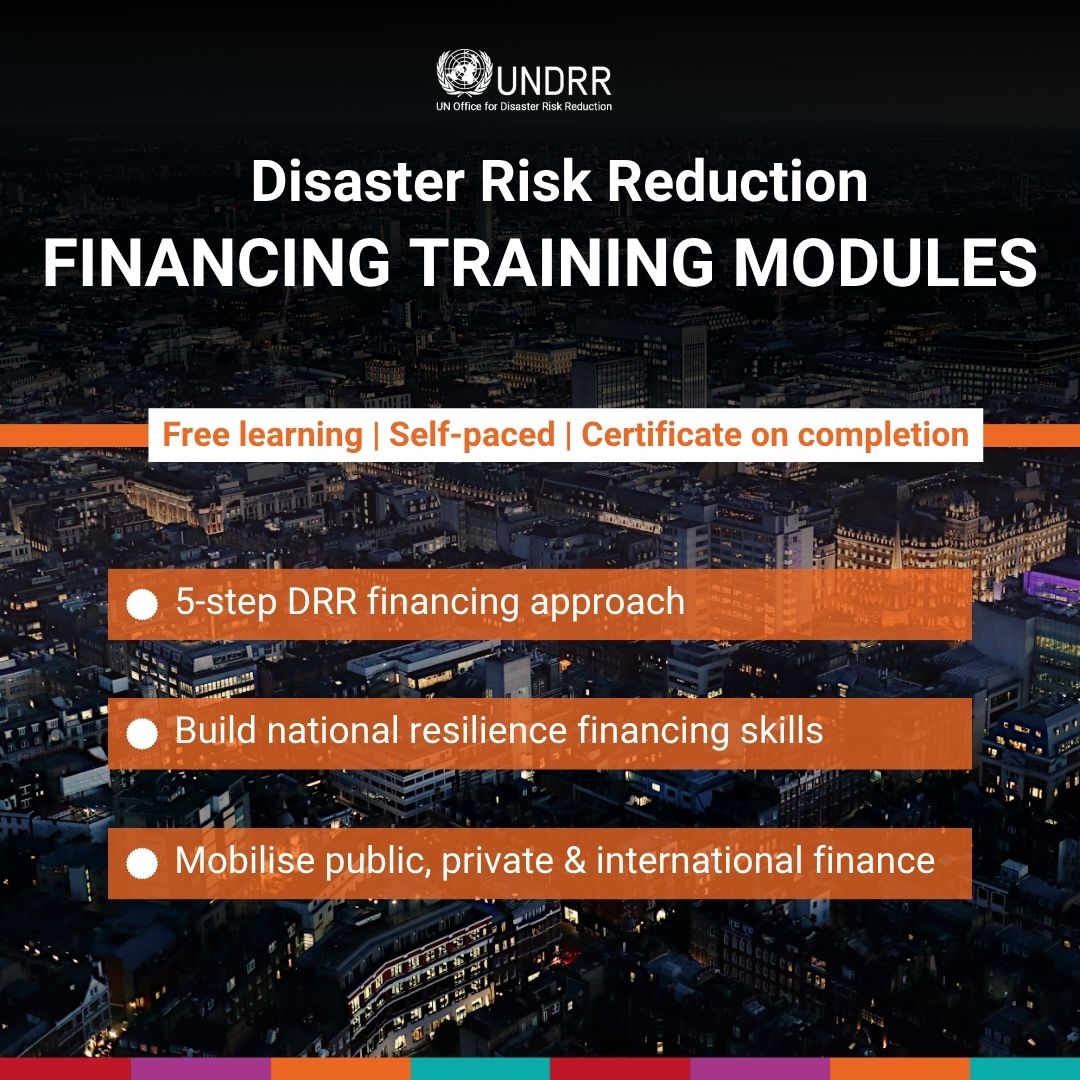
💡 How do we finance disaster resilience before crises hit?
📚 This free, self-paced DRR Financing course helps you turn risk into action across 5 practical modules.
🎓 Free | Flexible | Certificate on completion
Start learning ➡️https://t.co/Gcg1Px9wNU
The world is heating up. And a hotter planet means more extreme weather and greater disaster risks.
Reducing emissions and building resilience are needed like never before.
➡️ https://t.co/G8NU0qDoZY #OurResilientFuture
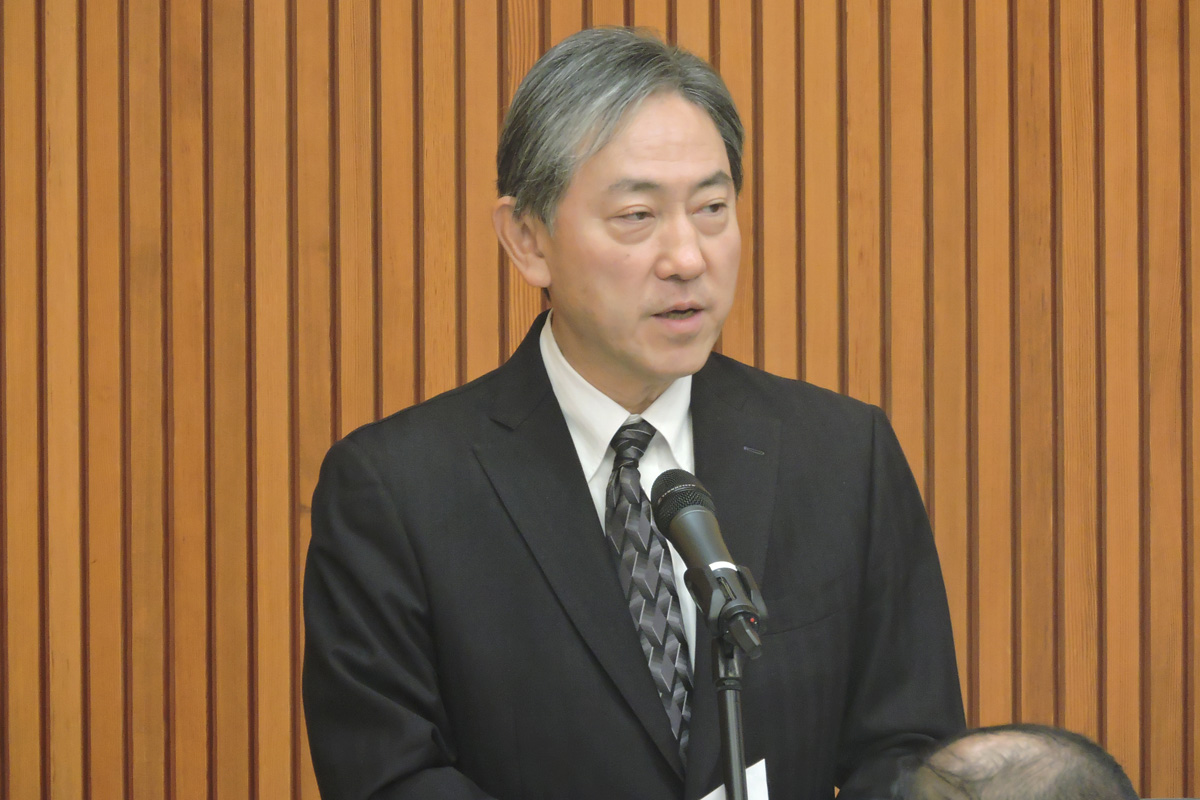
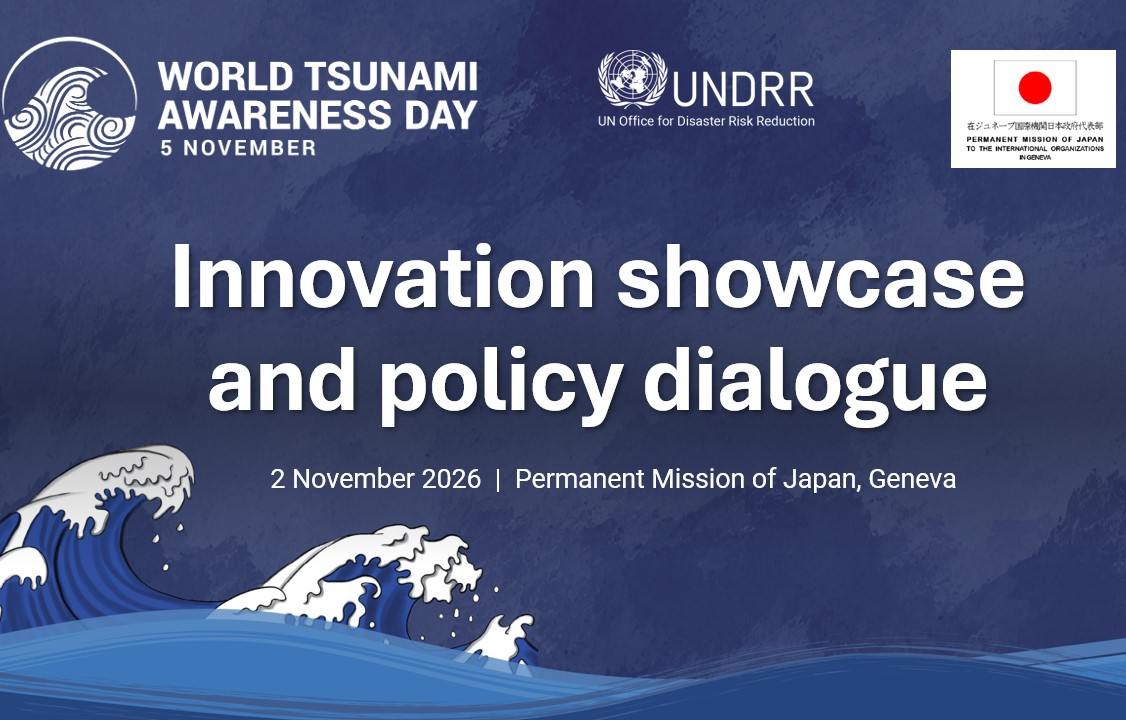
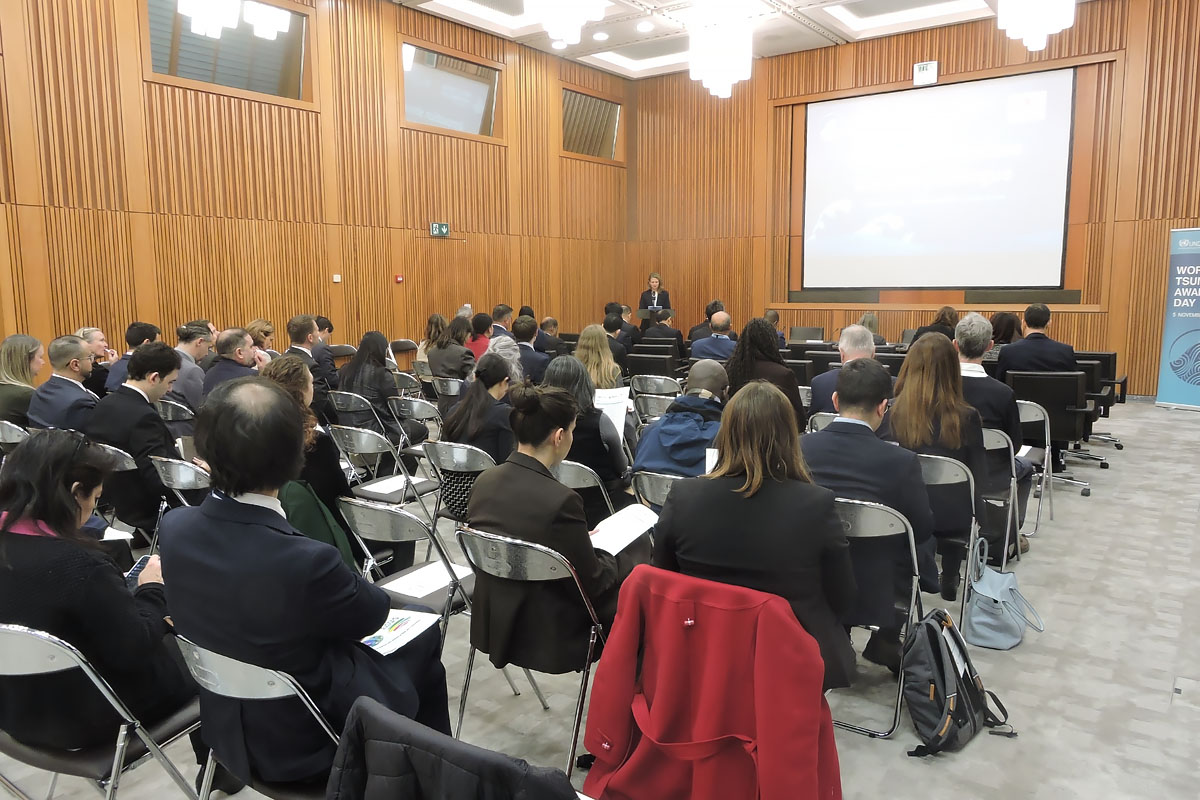
On World #TsunamiDay in Geneva, UNDRR & @JapanMissionGE explored innovations for tsunami readiness and policy solutions:
📱 Early warnings via mobile apps
🏙️ City-level innovation
🌊 Engineering coastal resilience
We thank H.E. Oike Atsuyuki for hosting https://t.co/QTI3EwrQFZ