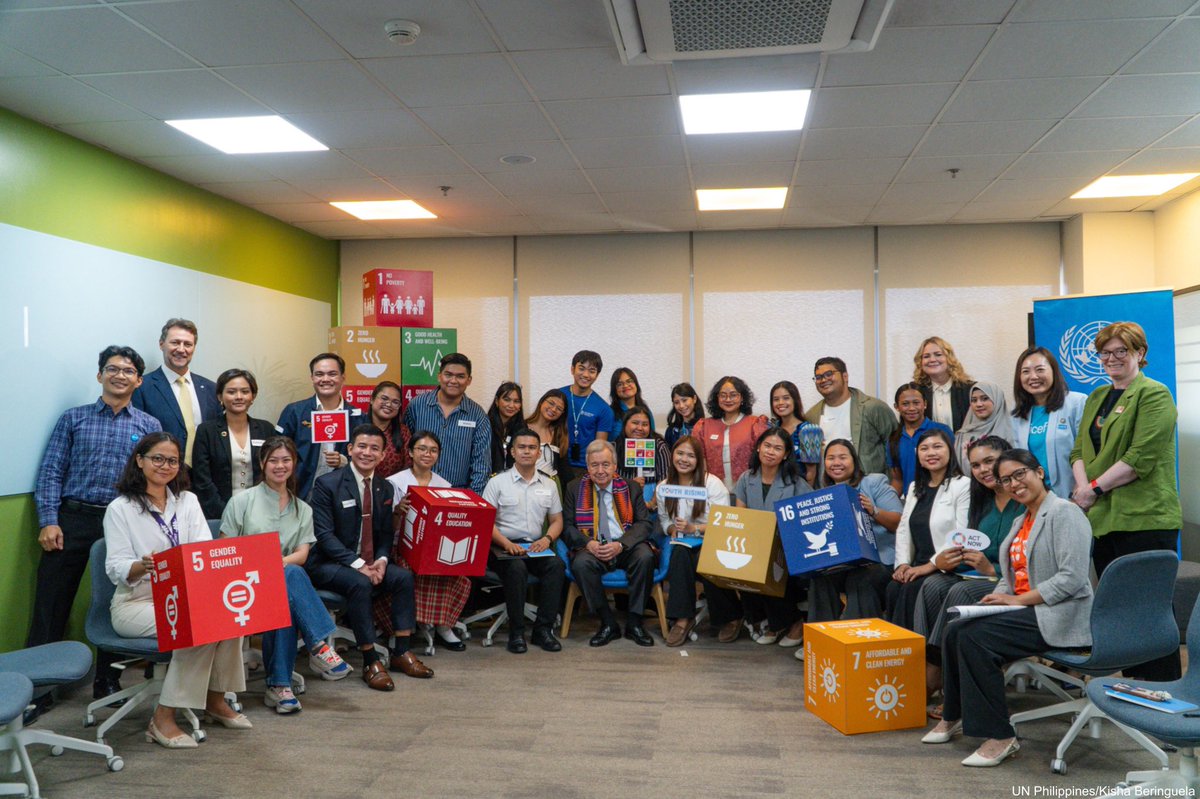
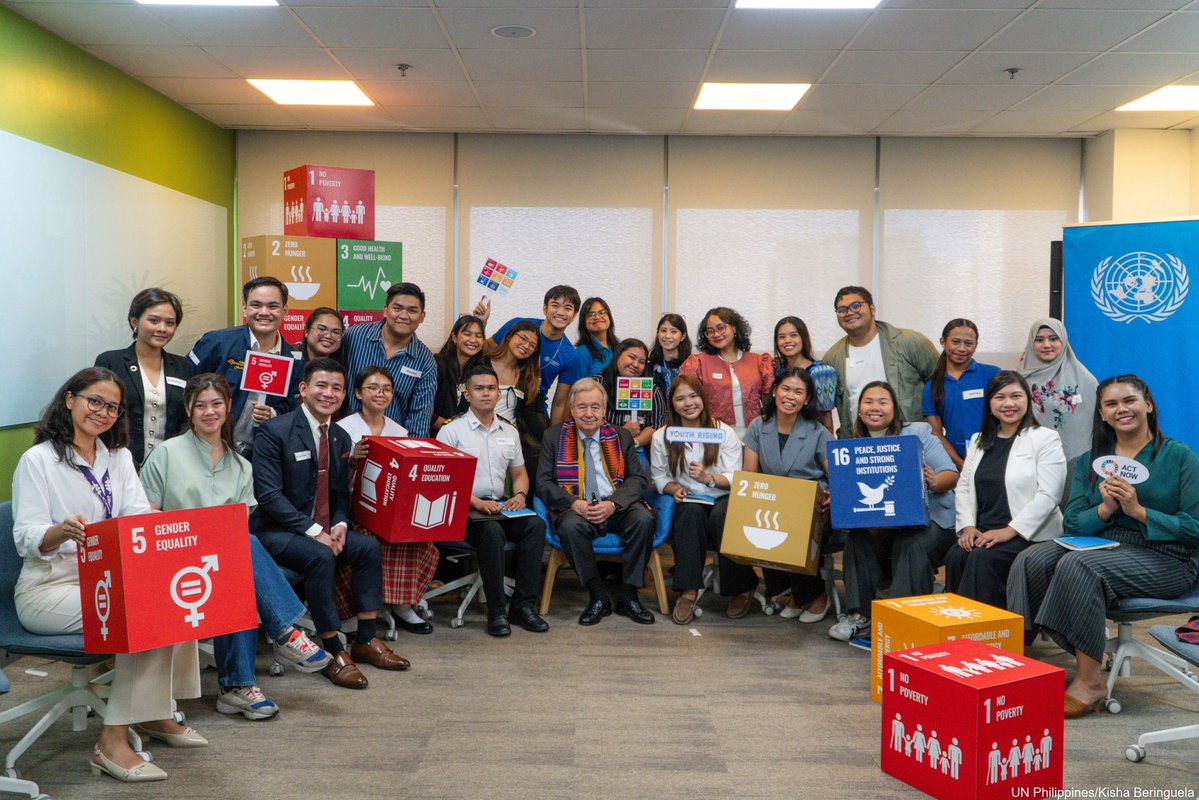
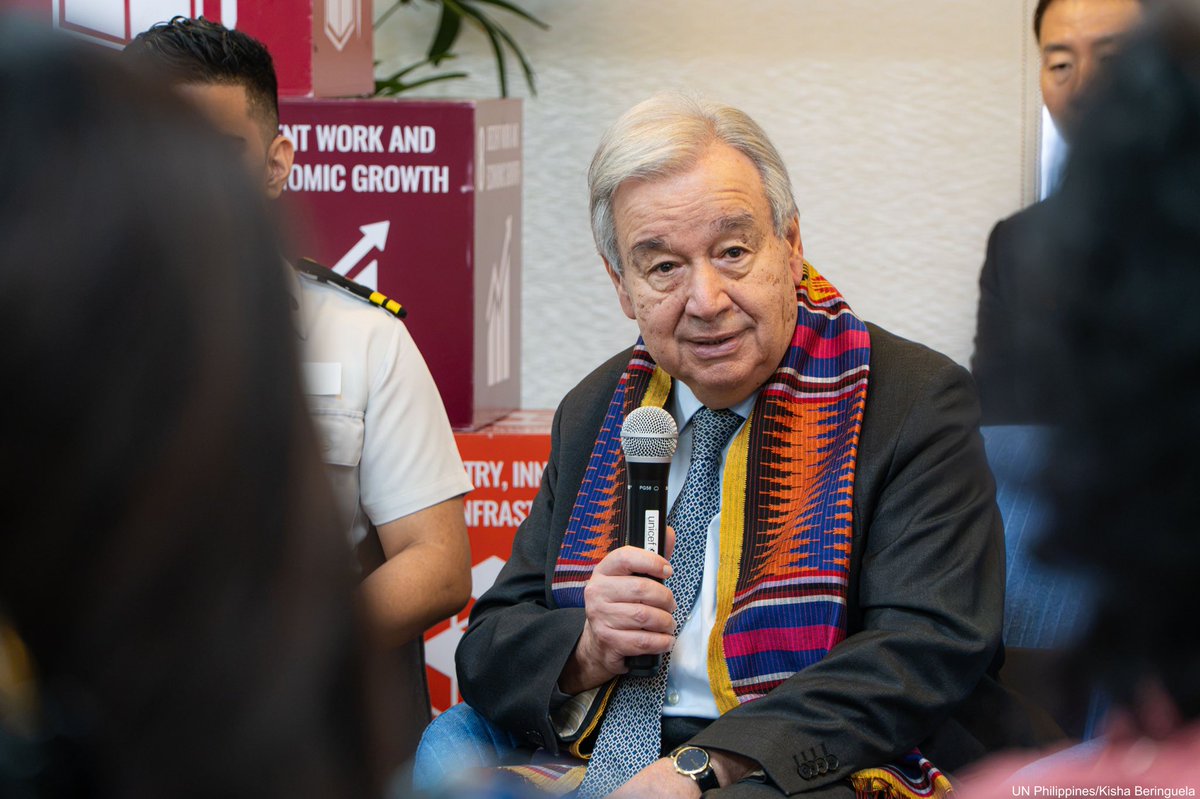
The Secretary-General emphasized the important role that young people play in shaping the future, calling them his hope and encouraging them not to be afraid to ask questions, speak up, and take an active part in building a just society.
📢 UNFPA in the Philippines is looking for a National Consultant to conduct a situational analysis and strengthen GBV Case management response services for married girls in the Philippines.
Apply by: 16 November 2026
https://t.co/KEKgPkBQH8
#WorkWithUs
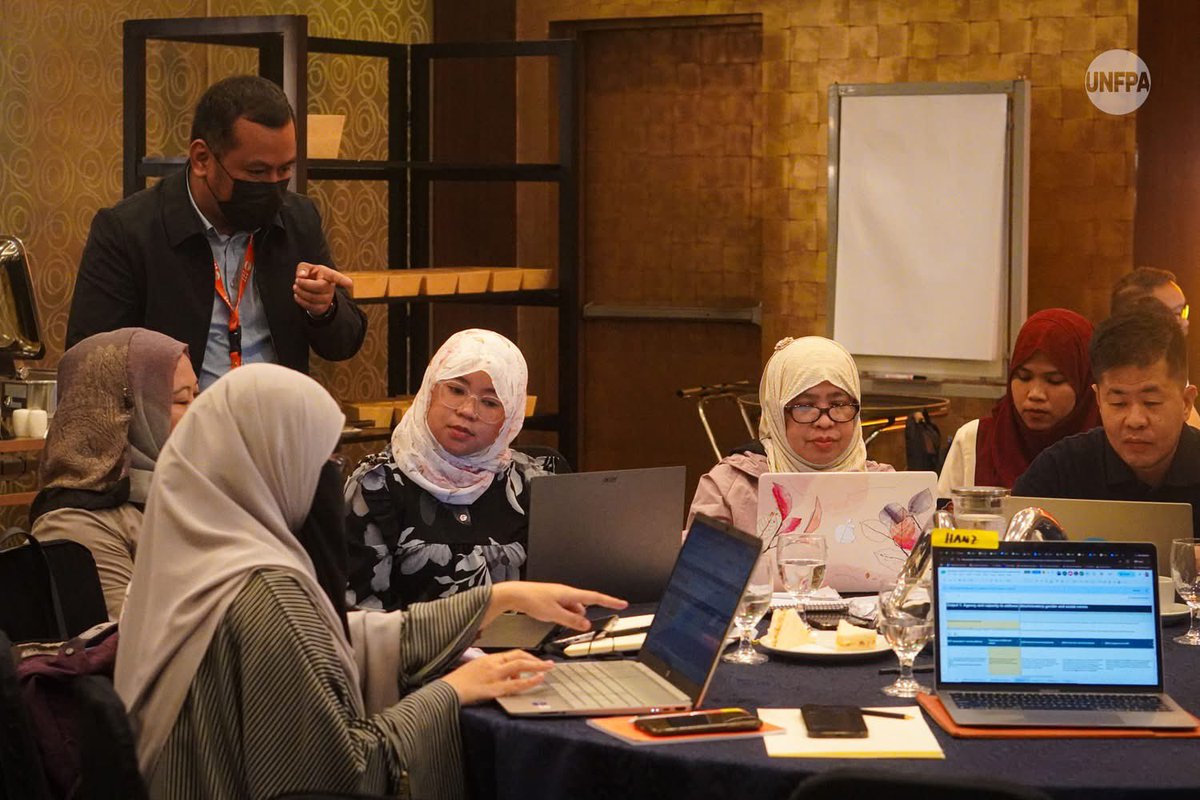
Through evidence-informed discussions and collaboration, partners are working to strengthen programme effectiveness, deepen partnerships, and accelerate results in sexual and reproductive health, gender equality, and the empowerment of young people.
𝗦𝗵𝗮𝗽𝗶𝗻𝗴 𝗣𝗿𝗶𝗼𝗿𝗶𝘁𝗶𝗲𝘀 𝗳𝗼𝗿 𝟮𝟬𝟮𝟳–𝟮𝟬𝟮𝟴 📝
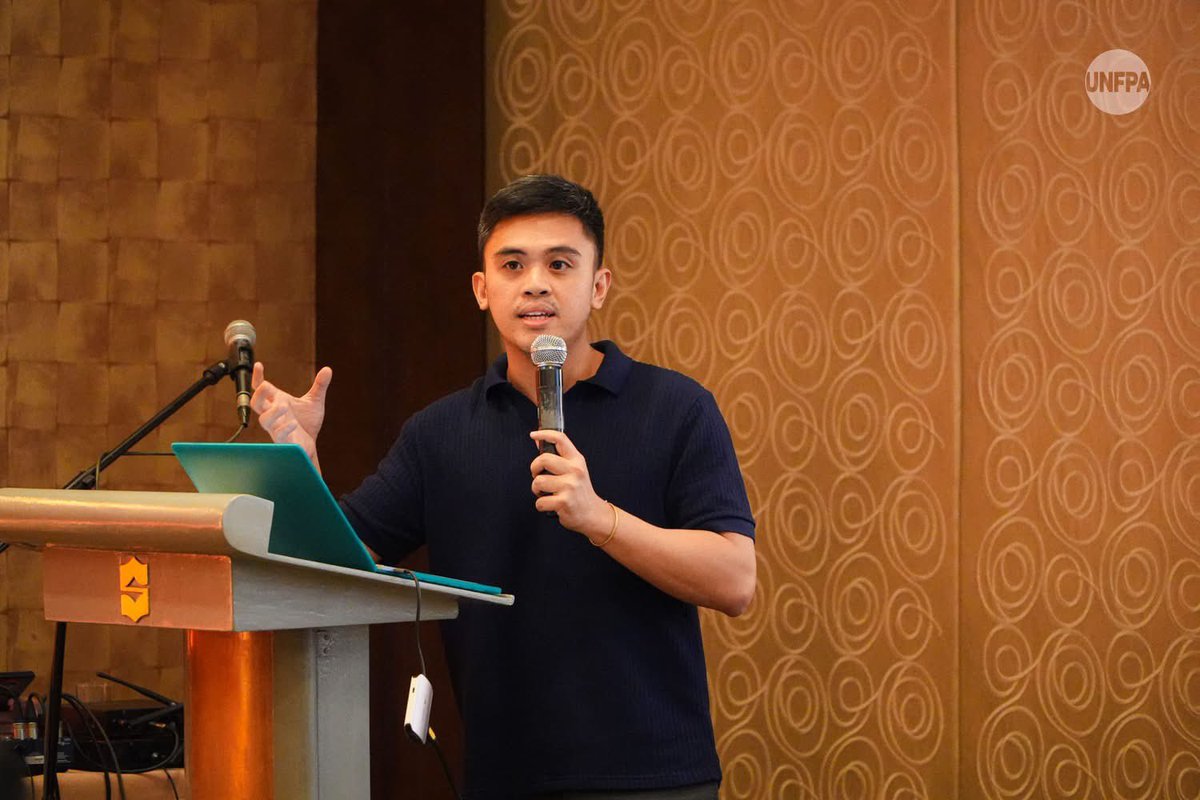
UNFPA Philippines convened its partners for the 9th Country Programme (9CP) Strategic Review and Planning Workshop to align priorities and identify strategic adjustments for the programme’s final two years.
and demographic transitions. The discussions focused on what these changes mean for the communities we serve together and how UNFPA and its partners can adapt priorities and approaches to meet emerging needs and maximize new opportunities.
💜 Bringing healthcare closer to women in Laguna, #Philippines!
📱Through the Laguna Telemedicine App, @UNFPA
and @unfpaph are helping women access essential care, from pregnancy tracking to medical consultations.
https://t.co/hpXbs8snCQ
#WomenXCollective#WomensHealth
“𝗧𝗵𝗲 𝘁𝗶𝗺𝗶𝗻𝗴 𝘄𝗮𝘀 𝗰𝗿𝘂𝗰𝗶𝗮𝗹.” 👩🏻⚕️🚑
When an earthquake struck Sarangani on June 8, 2026, Sarangani Provincial Hospital faced a surge in patients and the challenge of keeping essential health services running.
By October 2026, nearly 600 mothers had given birth at the facility, highlighting the importance of timely support in keeping essential childbirth services available while the hospital recovered.
By working alongside government and local partners, UNFPA continues to help ensure that sexual and reproductive health services remain accessible to women, girls, and vulnerable populations during emergencies, advancing their health, rights, and dignity as communities recover.