Children without safe water, sanitation and hygiene face a greater risk of illness, missed school or poor nutrition. Keeping children healthy starts with access to these basic essentials.
#ForEveryChild#SafeWater
Clean water is not just a necessity, it is a foundation #ForEveryChild's health, dignity and future.
Article 24 of the #CRC affirms #EveryChild's right to the highest attainable standard of health, including access to safe drinking water, adequate sanitation and proper hygiene.
UNICEF has highlighted disparities in access to water and sanitation across Namibia, calling for greater efforts to ensure every child has access to basic services.
93.9 percent of Namibians have access to basic water services, but coverage varies significantly across the country.
Access is lowest in ||Kharas at 79.8 percent, followed by Kunene at 77.3 percent, compared with 99.8 percent in |Khomas.
Sanitation remains a bigger challenge, with only 66.6 percent of Namibians having access to improved sanitation, while 47.2 percent still practise open defecation.
The gap is particularly wide between rural and urban areas, with 70.9 percent of rural households practising open defecation, compared with 25.3 percent in urban areas.
The figures were highlighted during the 4th Junior National Council by UNICEF Representative Samuel Ocran, whose remarks were delivered on his behalf by UNICEF Deputy Representative Toshiko Takahashi.
The agency linked inadequate water and sanitation services to children's health, education, safety and dignity.
Junior National Council members are encouraged to look beyond identifying challenges and consider practical ways of contributing to solutions in their schools and communities.
UNICEF also reaffirmed its commitment to working with government, the National Council, communities and young people to advance children's rights and access to essential services.
Serafia Nadunya
#NBCNews #nbcdigitalnews #nbcDSTV282 #nbcGOtv20 #nbcPlusApp
The @EUinNamibia partnership and investment are helping turn policy into action, ensuring more children have the opportunity to get the best start in life.
#ForEveryChild the #RightStart
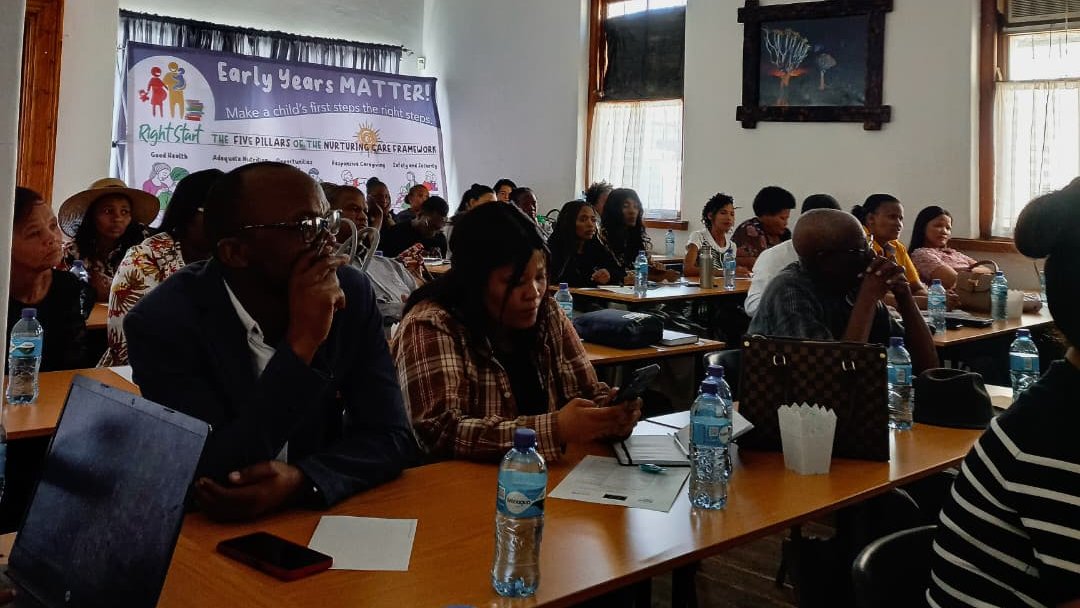
With financial support from the @EUinNamibia, the Family-Based ECD and RightStart programmes are being rolled out across all 14 regions through a regional consultative and advocacy campaign from 24 August to 3 September 2026.
Participants are gaining a shared understanding of the programmes, strengthening advocacy for early childhood development, and identifying practical actions to support children and families at community level.
The Child Care and Protection Act recognises the importance of responding when there are concerns that a child may be at risk of sexual exploitation or abuse.
By reporting concerns, we can help create opportunities for early intervention and safeguard #EveryChild.
Article 19 of the #CRC states that #EveryChild has the right to be protected from all forms of abuse, exploitation, and neglect.
By working together to uphold these rights, we can create a safer digital world where every child is protected, supported, and able to thrive.
At the launch, UNICEF Namibia Deputy Rep. @toshikotakaley noted: “We trust that the findings and recommendations will help inform policy, planning and programming, and contribute to stronger, more inclusive and more effective education outcomes for all learners in Namibia.”
UNICEF Namibia and the @MEIYSAC_Namibia have launched three key publications designed to strengthen social accountability and school governance, integrated school health and safety, and quality physical education and school sport across Namibian schools.
The review reflects the shared commitment of UNICEF and the Ministry to ensuring that every child in Namibia has access to quality, inclusive and equitable education, while supporting stronger school systems and improved learning environments.
Speak up. Seek help. You are not alone.
No one has the right to pressure or share your personal content without your permission. If something happens online that makes you uncomfortable or unsafe, you do not have to face it alone.
Speaking up opens the door to support and help.
If something doesn't feel right, speak up.
No child should have to carry fear, pressure or shame alone. If someone online makes you uncomfortable, threatens you or asks you to share something you don't want to, reach out to a trusted adult.
#ForEveryChild#ChildProtection
It’s important to know what to share and what to keep private.
Protection isn't only about responding when something goes wrong. It is also about giving children the knowledge and confidence to recognise risks and prevent harm before it happens.
#ForEveryChild#ChildProtection
Children learn, explore & connect online; but not every interaction is safe.
We must teach #EveryChild what information to keep private, how to recognise suspicious behaviour, and that it's okay to speak up when something doesn't feel right.
#ForEveryChild#ChildProtection
Article 17 of the #CRC recognizes #EveryChild's right to access information and material from diverse sources; but not everything online is suitable for children.
Parents and caregivers have an important role to play in helping children navigate the digital world safely.
Key outcomes of this 3-day meeting included a monitoring framework to track progress, strengthen accountability, and drive coordinated action across justice, education, health, social protection, and child protection sectors.
#ForEveryChild, every right
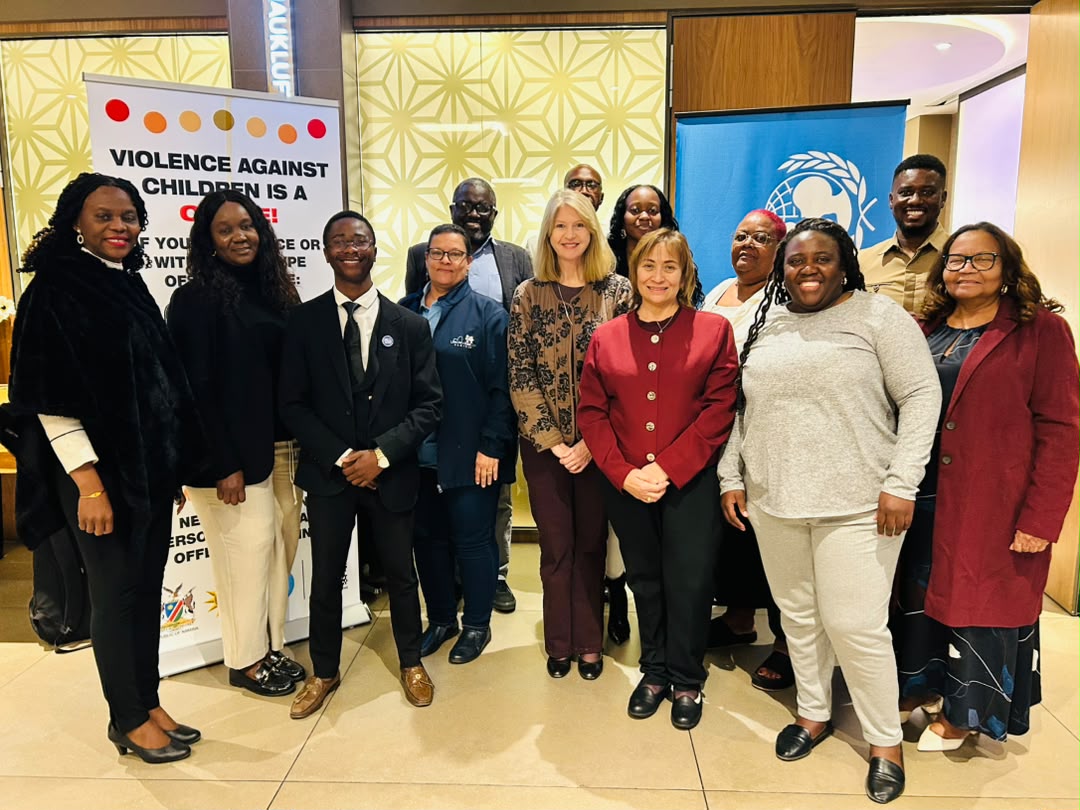
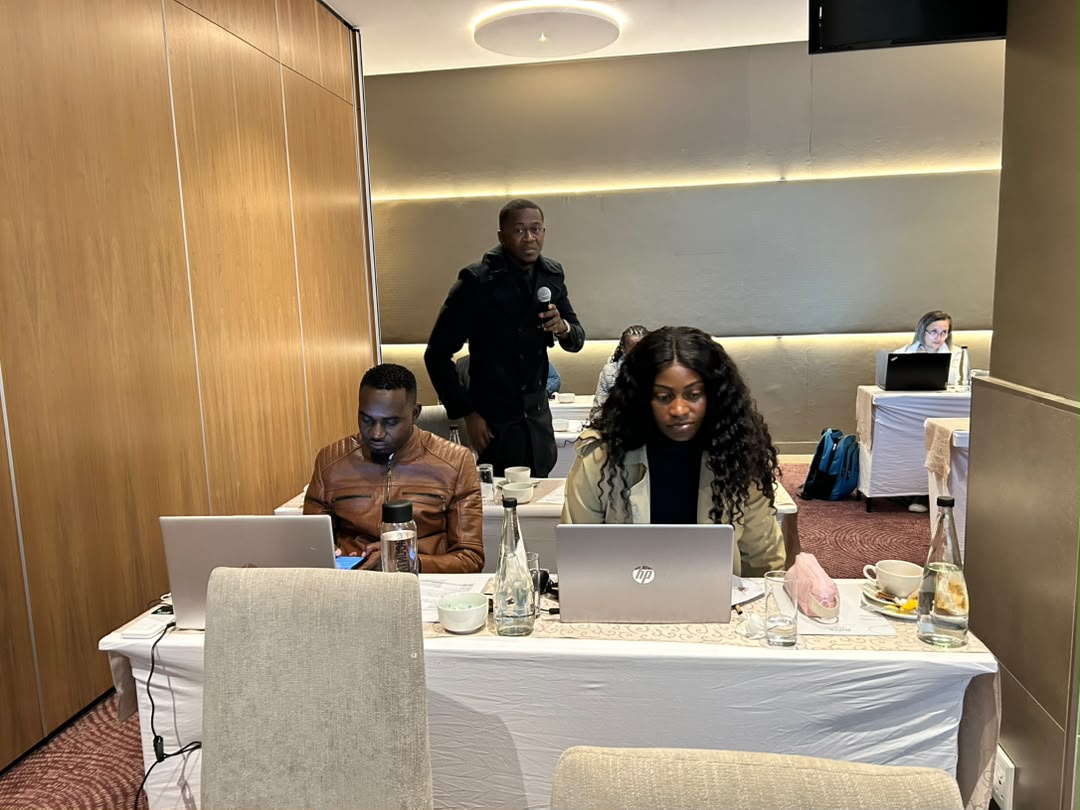
This week , 11-13 Aug, UNICEF Namibia, @MGECW_Namibia and the Inter-Ministerial Committee on Human Rights & International Humanitarian Law convened 75 stakeholders to advance implementation of UNCRC recommendations and strengthen accountability for children’s rights in Namibia.
"This workshop is not just a meeting, it is a working space," said UNICEF Namibia Representative @SamOcranKweku. Together, we are reinforcing Namibia's commitment to measurable progress #ForEveryChild.