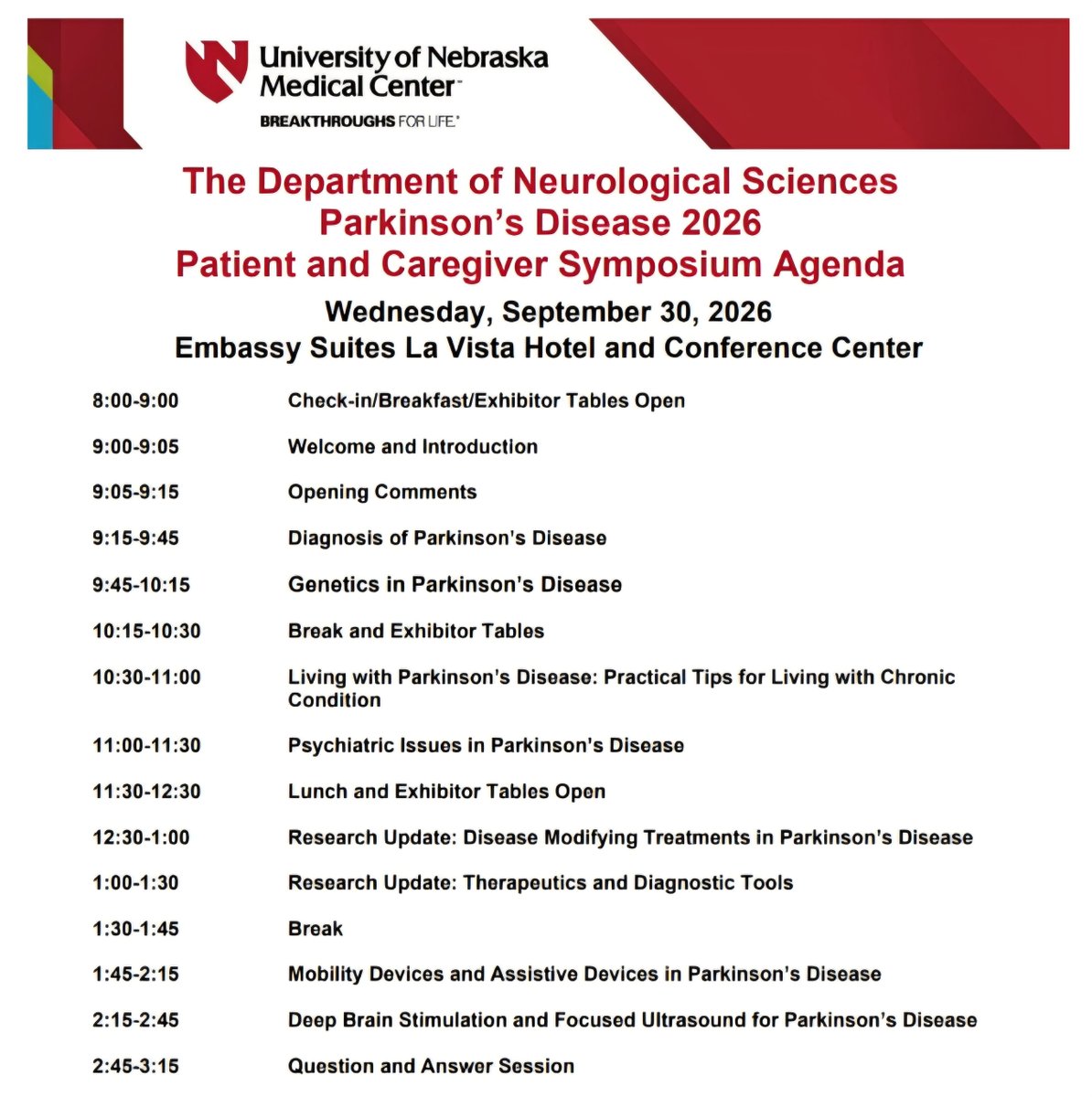
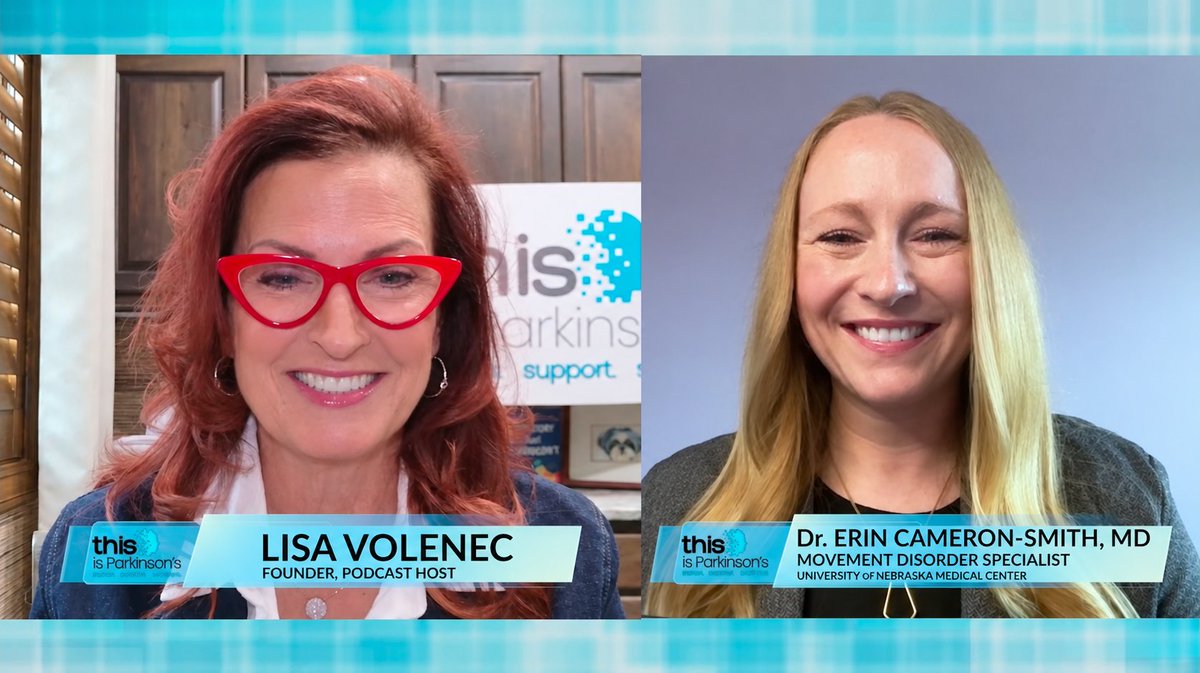
Pleased to have @jepatinom Dr. Patiño talking about genetics in PD.
📖 Several genes being explored for potential targeted therapies
✨️ For patients, getting tested:
- Precision medicine
- Clinical Trials
- Prognosis and family planning
Rachel E. Salas, MD, MEd, will present #GrandRounds on Thursday, October 1st at 12:00 p.m. (CDT)
Dr. Salas is a professor for the Department of Neurology at Johns Hopkins Medicine
Her topic: Neurology Meets Sleep
@UNMCCOM@unmc
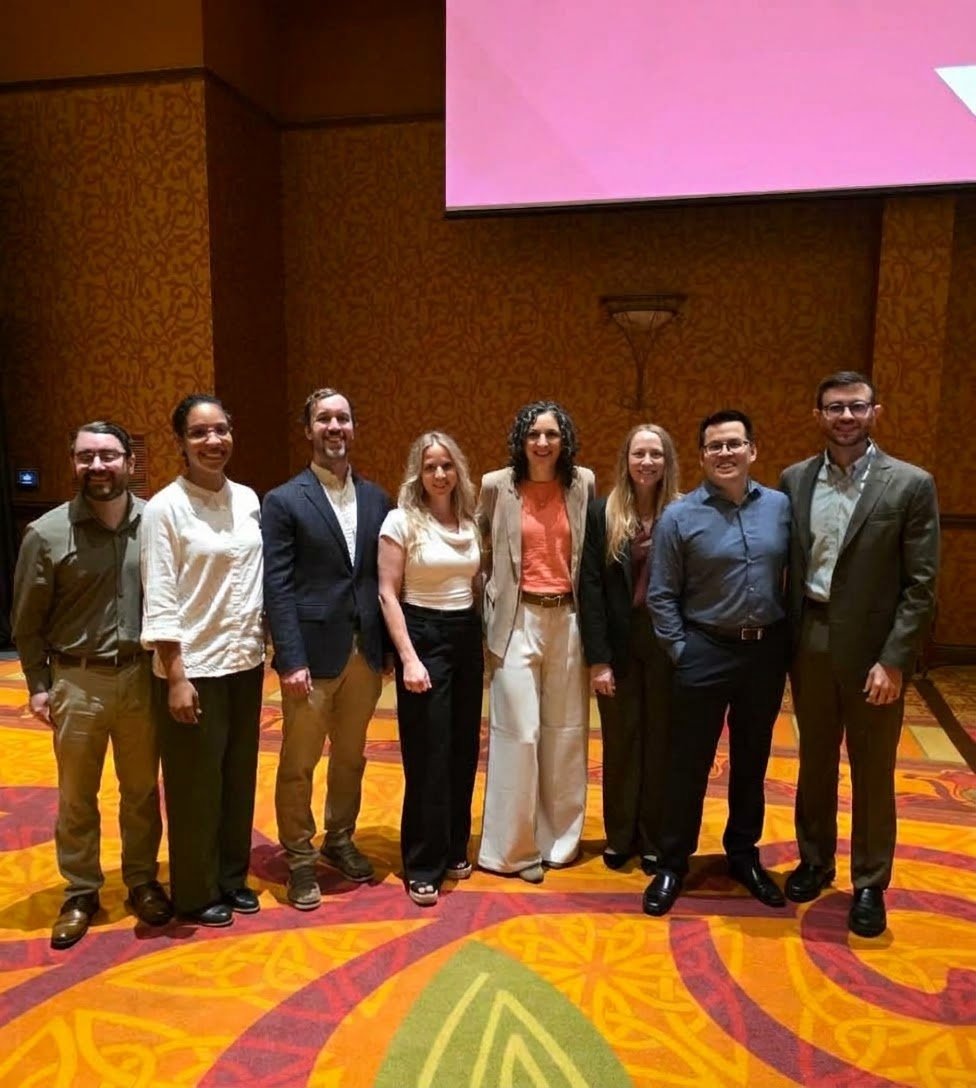
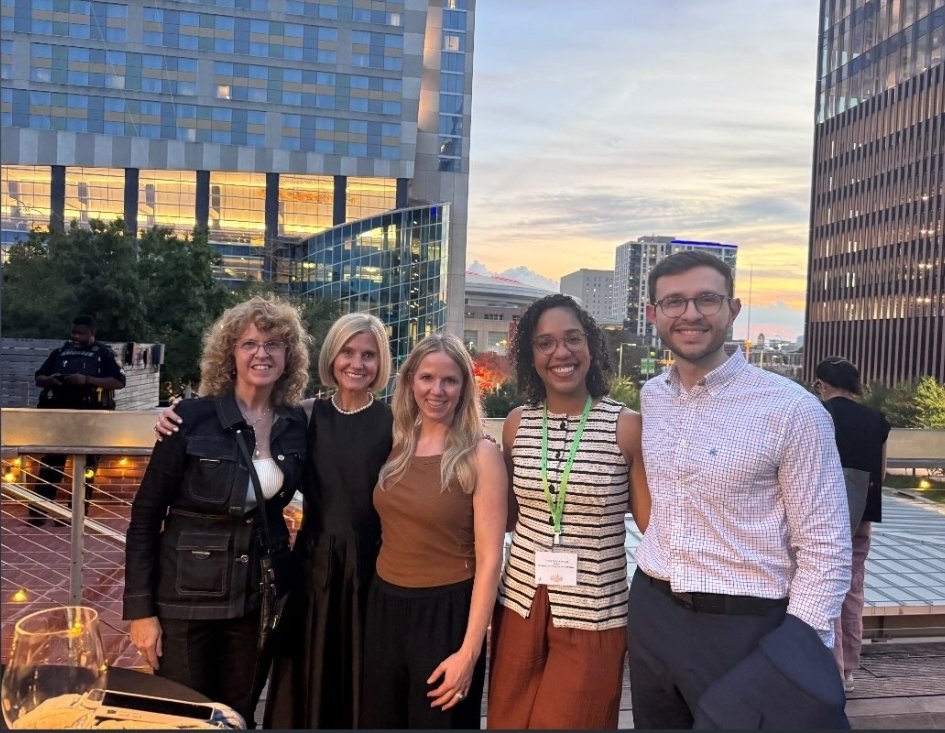
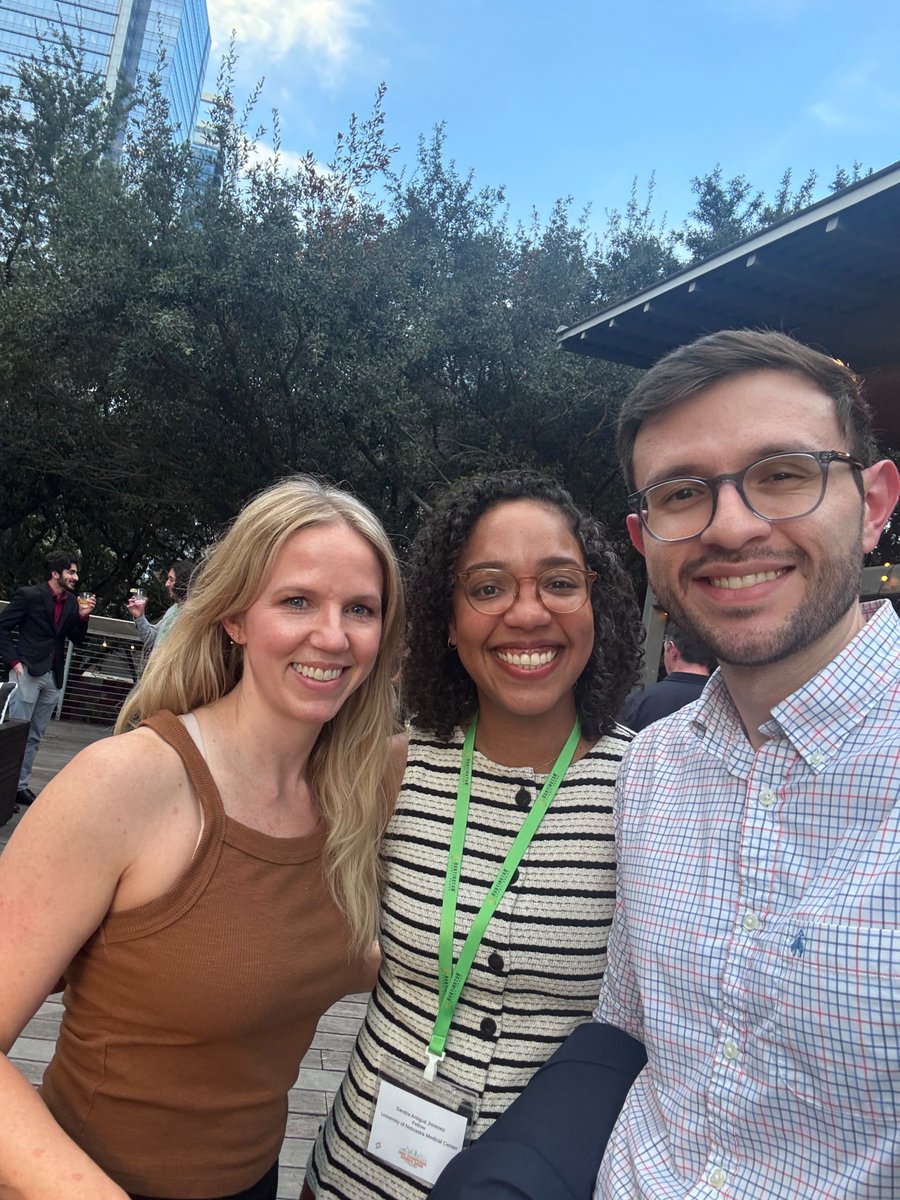
Dr Amy Hellman, director of our #HDSA Center or Excellence at #UNMC and Dr. Sandra Antigua, second year fellow joined by @UCMovDis fellow @jepatinom at Houston's #HSG regional meeting.
Presenting our ✨️Division Chief✨️ Dr. Mara Seier!
Joined 2017,
Chief sincd 08/2023
Trained 🧠 residency and Movement Disorders Fellowship at OHSU
📖 Academic interest in Atypical Parkinsonisms
🩺🤓 Excellent Clinician and Phenomenologist!
We are so blessed to have her!
We want to thank @AlbertoEspay for bringing controversy, discussion and academia into our group. Started with levodopa, ended with proteinopenia. What a lovely conversation and we will make sure to get more of him soon!
.
.
.
#movementdisorders#neurology@UCMovDis#Neurotwitter
Could we be missing one of the most treatable causes of walking and thinking problems in older adults. Normal pressure hydrocephalus (NPH) is a condition where the brain’s fluid spaces enlarge and can disrupt walking, bladder control and thinking. Maroufi and colleagues describe in a new review in JAMA why idiopathic NPH deserves our attention, particularly because it can mimic Parkinson’s disease and Alzheimer’s disease and, importantly, symptoms can improve following treatment.
Key points:
- Gait problems are frequently the earliest clue, occurring in 85% to 95% of folks, while urinary symptoms and cognitive changes are also common.
- Diagnosis requires putting the clinical picture together w/ brain imaging, and removing CSF through a large-volume lumbar puncture can help predict who may respond to a shunt.
- Following shunting, gait improves in approximately 70% to 90% of folks, while cognitive and urinary symptoms improve in approximately 50% to 70%.
My take: NPH is important because it sits at the intersection of neurology, neurosurgery and aging, and it can look remarkably like Parkinson’s disease, dementia or simply getting older. We should resist prematurely labeling an older person w/ walking, thinking and bladder changes as having an untreatable neurodegenerative disease. NPH is one of those diagnoses we do not want to miss. However, be careful of jumping to a shunt as there can be many complications of shunt therapy. Make sure you have examined the risk-benefit profile for each individual.
Here are 5 points that resonated w/ me:
1- Think NPH when gait slowing, falls, cognitive changes and urinary urgency begin clustering together.
2- The classic triad does not need to be complete, and gait trouble may arrive first.
3- MRI findings are important, however imaging alone cannot reliably tell us who will improve following treatment.
4- A large-volume spinal tap and objective measurement of gait before and after CSF removal can provide an important clue about shunt responsiveness.
5- Perhaps the biggest message is simple: recognize NPH early because this is one neurological syndrome where identifying the right folks can potentially restore walking, independence and quality of life.
https://t.co/eVeU3HWOaZ
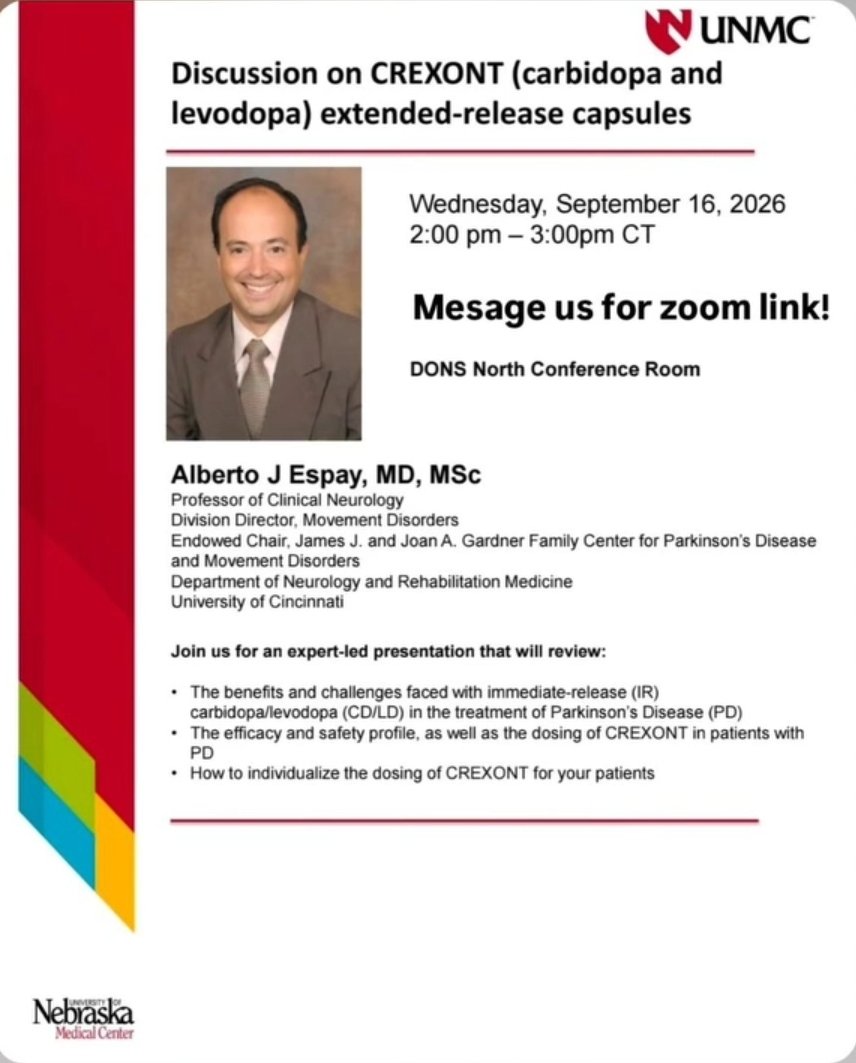
Glad to have @AlbertoEspay from @UCMovDis talk to us about clinical use of extended-release levodopa. We are hoping this invitation is the first of many as he is a treasure trove of knowledge and fascinating discussions in our field!
#neurotwitter#movementdisorders
🚨 Attending #MDSCongress 2026?
A special reminder for trainees! 🎓 The @movedisorder YMG is organizing an amazing Town Hall with practical advice and tips to help you make the most of your Congress experience.
🔗 Register: https://t.co/ClV4GWlXqH
@AANmember@NMatch2027
We matched! For our academic year starting July 2027 we will have two new fellows!
✨️ Dr. Seung Yeon (Alex) Jung comes from @GeisingerHealth
✨️ Dr. Matthew Preszler is currently working at @AveraHealth but did his residency at University of Toledo
#neurotwitter
Daniel Gold, DO, will present #GrandRounds on Thursday, September 10th at 12:00 p.m. (CDT)
Dr. Gold is a Professor of Neurology at Johns Hopkins.
His topic: Ocular Motor Disorders
@UNMCCOM@unmc
Thanks to Dr. Stitik for giving us a wonderful workshop on ultrasound-guided BoNT injections for Cervical Dystonia, Upper Limb and Sialorrhea!
#cervicaldystonia#dystonia#neurotwitter