🧠💜🦋This June, join us in prioritizing your brain health and supporting the science that moves us forward. At ITR, we’re raising awareness about the importance of protecting your own brain health and advancing the research that brings us closer to better prevention, earlier detection, and precision health to the individual and our communities!
https://t.co/wb9Zzz467U
#BrainHealthResearch #BrainHealthAwareness #ENDALZ
Our Spring Newsletter is here 🌱
Catch up on the latest, including new research on Alzheimer’s risk and stroke recovery, faculty honors, AI-driven discovery, student training, and more.
Read the full issue: https://t.co/TDp9WeS1dC
Share this post and make the Forget Me Not Appeal unmissable 💙
We know that every Forget Me Not tells a story, and everyone has their own personal reason for wearing it. But too often, our stories go untold.
But when millions of us wear it, people have to listen.
So today, we want as many people as possible to join in and tell us why you wear your badge, and what it means to you.
Whether you wear it in honour of a loved one, for vital support services, or to fund research – share your photos, tell your story, and make sure to tag us and use the hashtag #ForgetMeNotAppeal.
Let’s speak up for everyone affected by dementia and show the world we stand together in hope that we can beat it.
Every Forget Me Not tells a story.
Tell us yours.
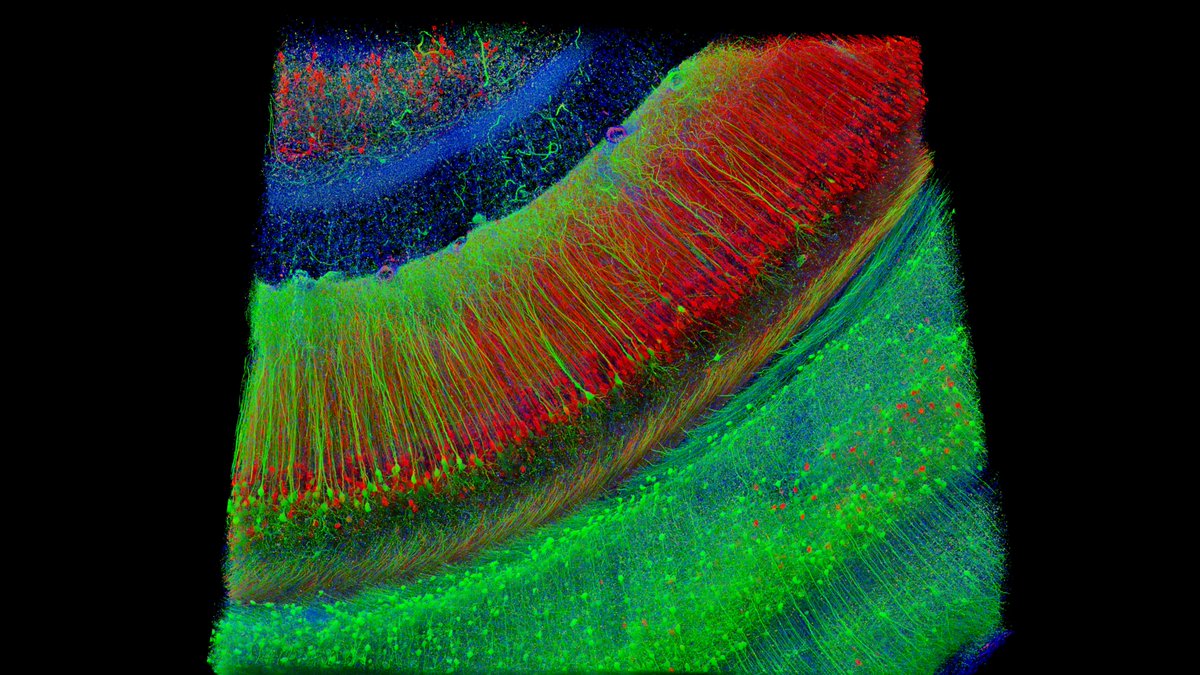
Scientists at the Keck School of Medicine of USC @USCLONI built a brain "growth chart" from 54,583 MRI scans. It detected Alzheimer's and schizophrenia-linked changes before symptoms. Published in Nature Communications today. https://t.co/IizPjXavbX
Photo/Stevens INI
NEW: The @alzassociation 2026 Alzheimer's disease (AD) Facts and Figures report estimates that 7.4 million Americans 65 and older are living with AD.
Check out the full report published in Alzheimer’s & Dementia! #AlzResearch
Report: https://t.co/Q5be9Ht9gO
We are so excited to share this news! ITR and UNT Health is proud to announce the ABC-DS study coming soon to our institute. This is a big step in providing more opportunities for our community and our mission to achieve world optimal brain health for all! 🩵 💛
#BrainHealthResearch #DownSyndrome #EndAlz
@unthealth@docta_abdullah@UNTHealth_TCOM
https://t.co/pvcVD8s8tM
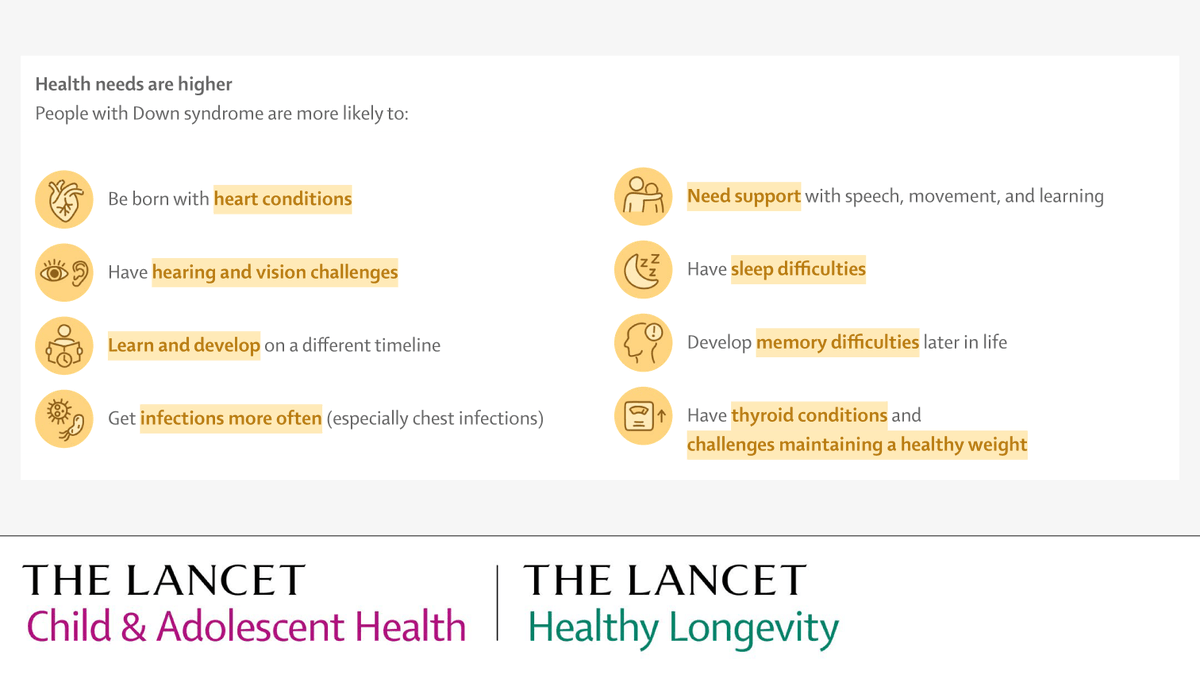
People with Down syndrome can live long, healthy, and meaningful lives. But this only happens when health care works well at every stage of life.
A pair of Review papers from @LancetChildAdol & @LancetLongevity explore how we can strengthen health-care pathways for people with Down syndrome.
▶️ https://t.co/LNZMwaYkKc
▶️ https://t.co/GB8RDtLooR
🧠The Stevens INI 2025 Annual Report is now live 🧠
Inside: AI-driven discovery, imaging breakthroughs, global collaborations, and student training that are shaping the future of brain science.
Read more: https://t.co/NiIqM8Peia
Is a Veteran in your life hesitant about reaching out for support?
Sometimes, hearing from someone who has been there makes all the difference.
Hear from Veterans about what encouraged them to seek care. https://t.co/sw9D9dHNYz
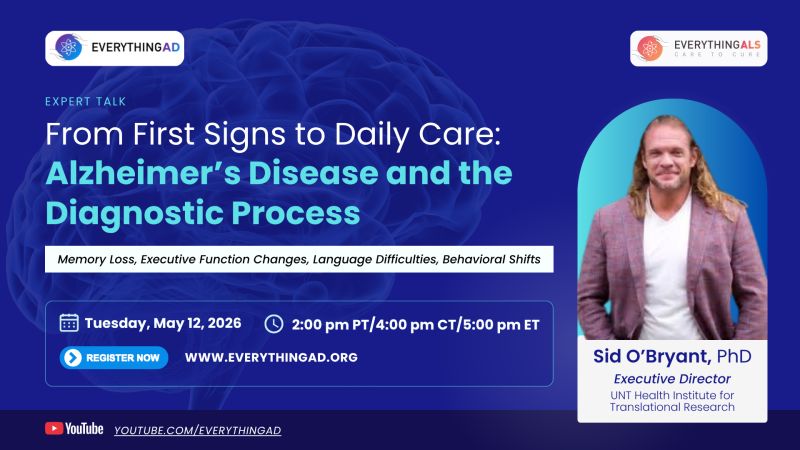
Join us Tomorrow for an Expert Talk with @TheBrainCareDoc Dr. Sid O'Bryant, PhD, and @Everything__AD. Learn how to support brain health from leading researchers and clinicians.
Tuesday, May 12, 2026 - 2 PM PT /4PM CT/ 5 PM ET
Register here: https://t.co/AhB0bvuGGv
#BrainHealthResearch #BrainHealth4All
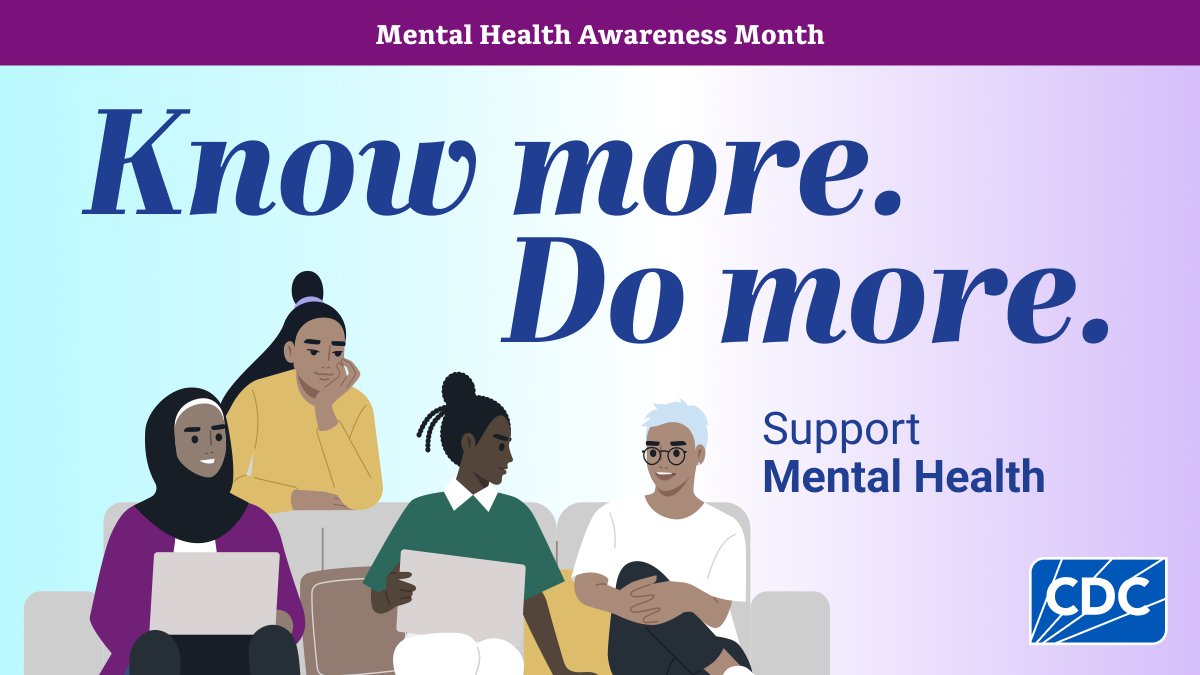
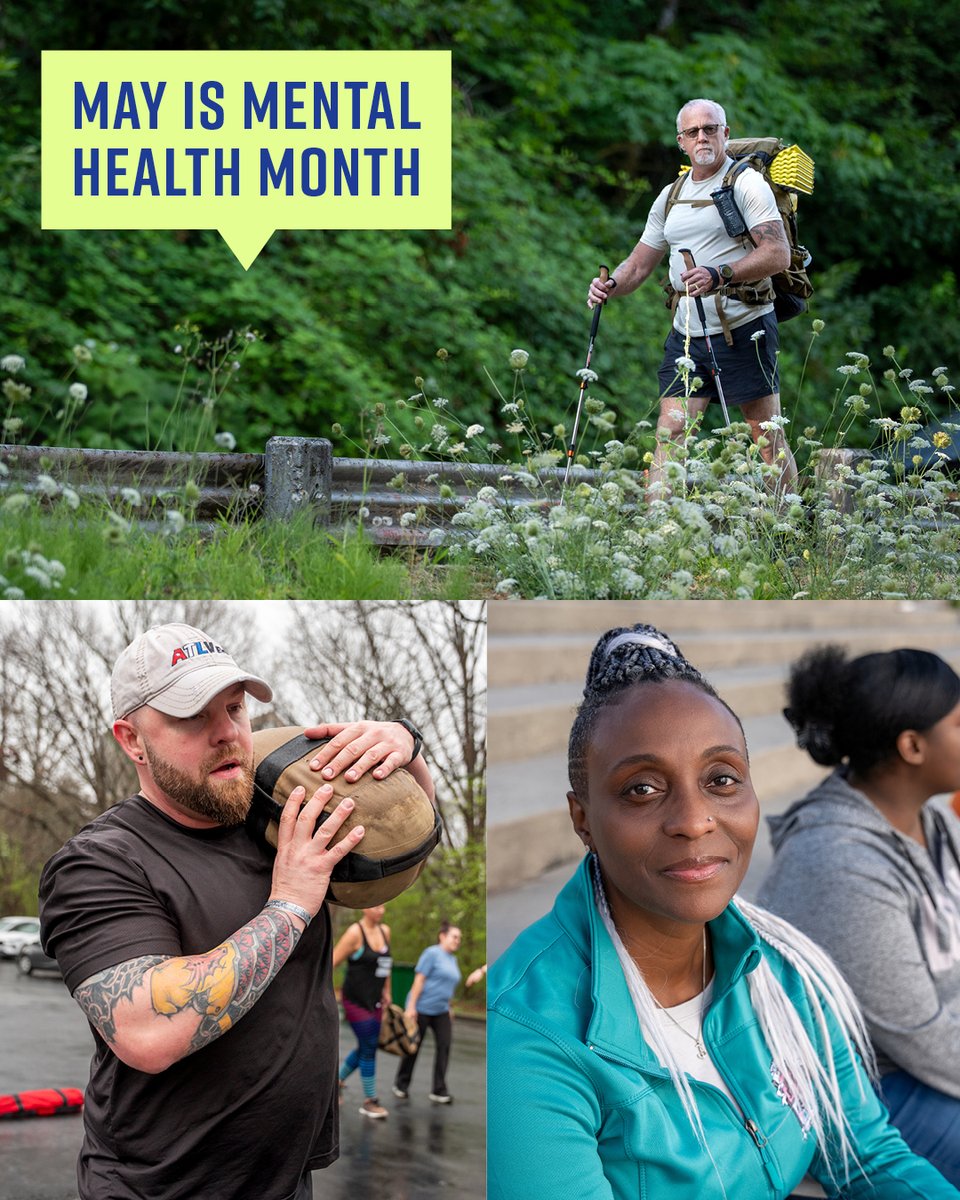
May is Mental Health Awareness Month! 💚 Join CDC in raising awareness, reducing stigma, and supporting mental health across communities. Small actions—like checking in with someone—can make a big difference. Explore CDC’s resources: https://t.co/Wwb4fLVww1 #MHAM
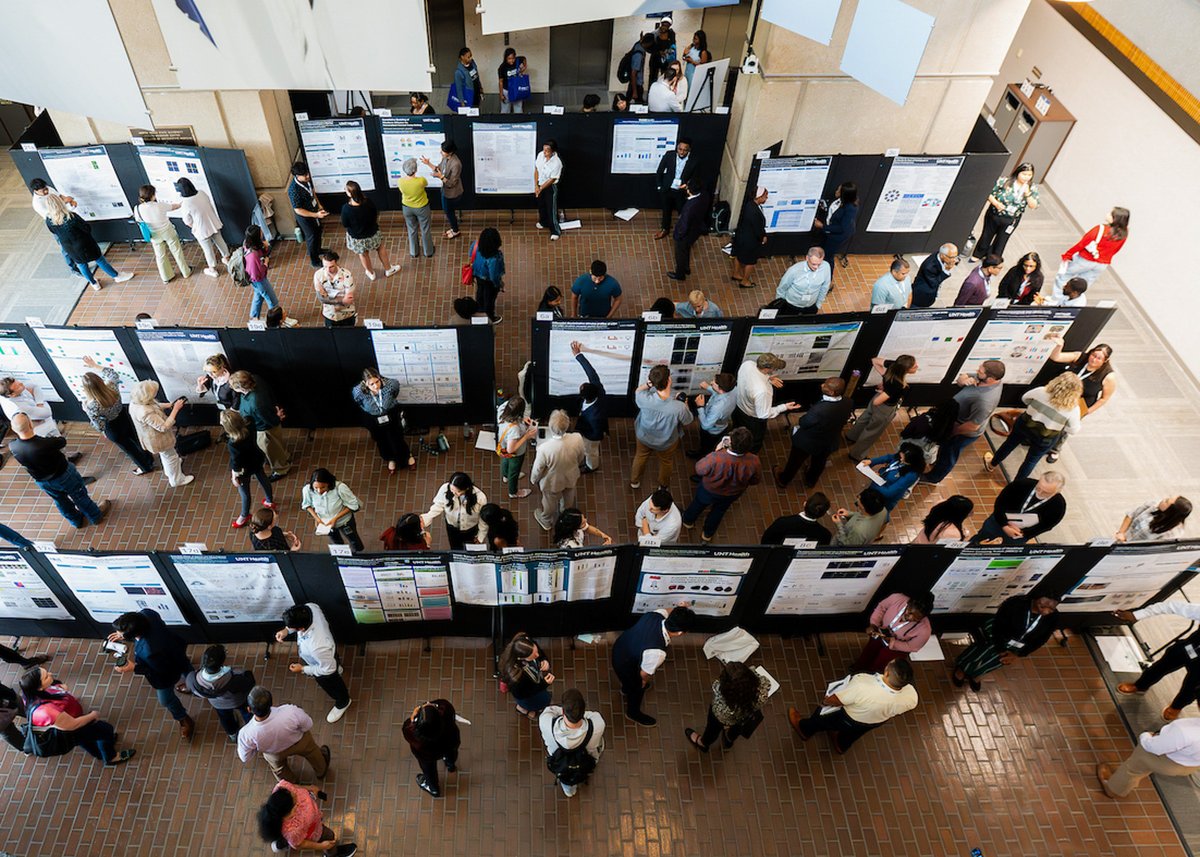
UNT Health’s first in-person Research Appreciation Day since the pandemic was one to remember! Student from universities across North Texas joined our campus to present their research and celebrate innovation. 🔬
Congrats to all of our participants! https://t.co/vpS0b7ekpl
Feeling on edge? Drinking more than you want? Feeling disconnected from loved ones?
You are not alone.
This Mental Health Month, hear Veterans describe the signs that helped them realize it was time to reach out for mental health care.
https://t.co/jE0cnwmFfu
This animation shows blood flow in a patient with a grade IV glioblastoma. Using a 7T MRI technique called arterial spin labeling, we can see areas of uneven blood supply within the tumor. Regions with higher blood flow likely indicate faster-growing cancer.