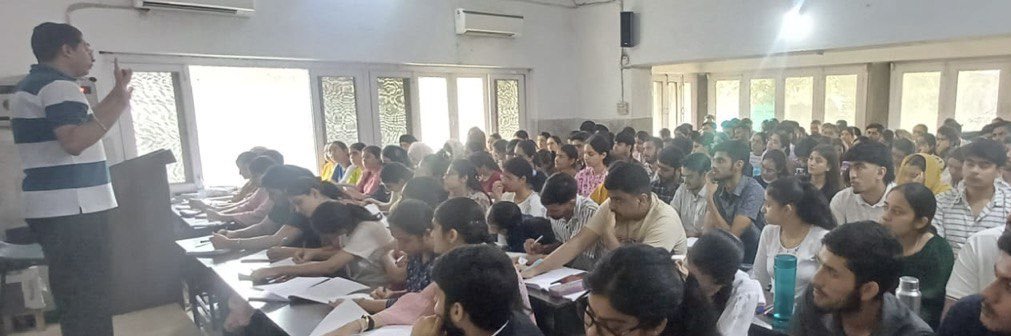
For all UPSC aspirants ☑️
📚PIB Decoded: What to Read, What to Skip for UPSC.
☑️Here’s a practical strategy:
1. Read only UPSC-relevant topics
👉Government schemes and initiatives
👉New policies and Acts
👉Economy and budget-related announcements
👉Environment and climate initiatives
👉Science & Technology developments
👉International agreements and summits
👉Reports and indices released by ministries
👉Important cultural and historical topics
2. Skip
👉Minister speeches (unless they announce a new policy)
👉Routine inaugurations and events
Political statements
👉Awards, appointments, and greetings
👉Repetitive achievements without analytical value
3. Make short notes
For every important scheme or policy, note:
👉Ministry
👉Objective
👉Target beneficiaries
👉Key features
👉Any constitutional or SDG linkage
👉Relevant GS paper (GS II, III, etc.)
4. Time limit
Daily: 40-50 minutes
Weekly revision: 1–2 hours
5. Integrate with newspapers
Read PIB alongside The Hindu or Indian Express. Newspapers provide analysis, while PIB provides the authentic government version. Together they offer better coverage than either source alone.
#UPSC #PIB
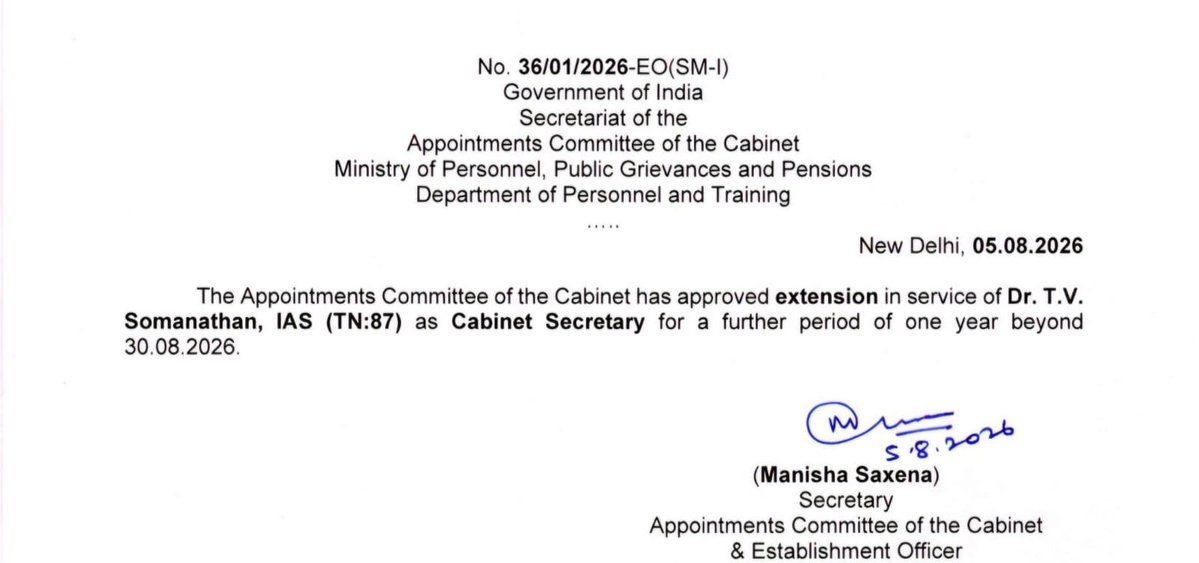
☑️Cabinet Secretary – Prelims Facts
👉 Senior-most civil servant in the Government of India.
👉Head of the Cabinet Secretariat, which functions directly under the Prime Minister.
👉Ex-officio Chairman of the Civil Services Board (CSB), which recommends transfers and postings of senior IAS officers.
👉Secretary to the Cabinet, not to the Prime Minister. The PM has a separate Principal Secretary.
👉Chairperson of the Committee of Secretaries (CoS), which coordinates work among different ministries before issues reach the Cabinet.
👉Coordinates implementation of Cabinet decisions and monitors follow-up action.
👉Acts as the chief coordinator among Central ministries and departments.
👉Normally the senior-most IAS officer is appointed, but there is no constitutional or statutory requirement that the Cabinet Secretary must be from the IAS.
👉The post was originally called the Secretary to the Executive Council during British rule and was renamed Cabinet Secretary after Independence (1947).
👉Appointment: Made by the Appointments Committee of the Cabinet (ACC) headed by the Prime Minister.
👉Tenure: Generally 2 years, but it can be extended by the government.
👉No constitutional provision creates the office. It is an executive office functioning under the Government of India (Transaction of Business) Rules, 1961 and the Allocation of Business Rules, 1961, framed under Article 77(3).
👉The Cabinet Secretariat also assists in the functioning of:
a)Cabinet Committees
b)Group of Ministers (when constituted)
c)Committee of Secretaries
👉During a national crisis or emergency, the Cabinet Secretary often serves as the top administrative coordinator across ministries, states, and agencies.
👉The Cabinet Secretariat is different from the Prime Minister’s Office (PMO):
PMO: Assists the Prime Minister personally and politically.
Cabinet Secretariat: Coordinates the entire Union government’s administrative machinery.
#UPSC
@phoenixiasbyNS Exactly . In Mains, don’t just conclude. Leave the examiner with a thought. That’s what differentiates a good answer from an average one
☑️Daily PIB Explained with GS Linkages - by Rishabh Sir
PIB Daily Analysis 5th Aug 2026 | Daily Current Affairs Analysis for UPS... https://t.co/0P4xNEopCj via @YouTube#UPSC
The easiest thing is to have an opinion.
The difficult part is to teach students how to build one using the Constitution, evidence and logic.
If a class ends with applause, that’s good. If it ends with students asking better questions, that’s education.
UPSC Mains doesn’t ask, “Whose opinion do you agree with?” It asks, “Can you analyse the issue from multiple dimensions?” That’s what classrooms should prepare students for.
#UPSC
☑️”Inventory” is one of the most misunderstood concepts in GDP.
👉Students often ask:
“If goods are not sold, how are they part of GDP?”
That’s exactly where the inventory concept becomes important.
In this video 👇
• Why inventories are counted as investment
• How it affects GDP calculation
Concept clarity > rote learning.
#UPSC
https://t.co/e8DGUtC74I via @YouTube
Celebrating Women !!
Woven into answer writing .Please watch it till end and share your views !!! 🙏
Social Justice Lecture 7 | MRP Live 🔥 UPSC Mains 2026 | GS Paper 2 | Sri... https://t.co/XNQhTk1Ktg via @YouTube#UPSC
7+ years of teaching have taught me one thing:
UPSC isn’t cleared by collecting notes;
it’s cleared by learning how to think.
That’s the change I want to bring to ORN
Will be done very soon !!!
#UPSC
One judgment. Many dimensions - law, society, ethics and constitutional values. Worth understanding beyond the headline.
Analysis by Rishabh sir
https://t.co/6RwEMmttKe
UPSC is no longer about memorising facts.
It is about connecting history with current affairs.
East India Company ➝ Imperialism
Oil ➝ Global Reserve Currency
Tariffs ➝ Supply Chains
Critical Minerals ➝ Strategic Power
https://t.co/nYvGIwIPPB
That’s how you build analytical answers.
#UpscMains #Geoeconomics
It’s high time educators stop producing note collectors and start nurturing thinkers.
Thinking is not taught through lectures alone. It develops when teachers make students write, question, analyse and defend their ideas. And educators themselves have to write first infront of students.
The art of answer writing is, ultimately, the art of thinking.
#UPSC