It’s been an incredible few days immersed in cutting-edge science, filled with thought-provoking sessions, groundbreaking research presentations, and stimulating discussions that are shaping the future of endocrinology.
It’s been an incredible few days immersed in cutting-edge science, filled with thought-provoking sessions, groundbreaking research presentations, and stimulating discussions that are shaping the future of endocrinology.
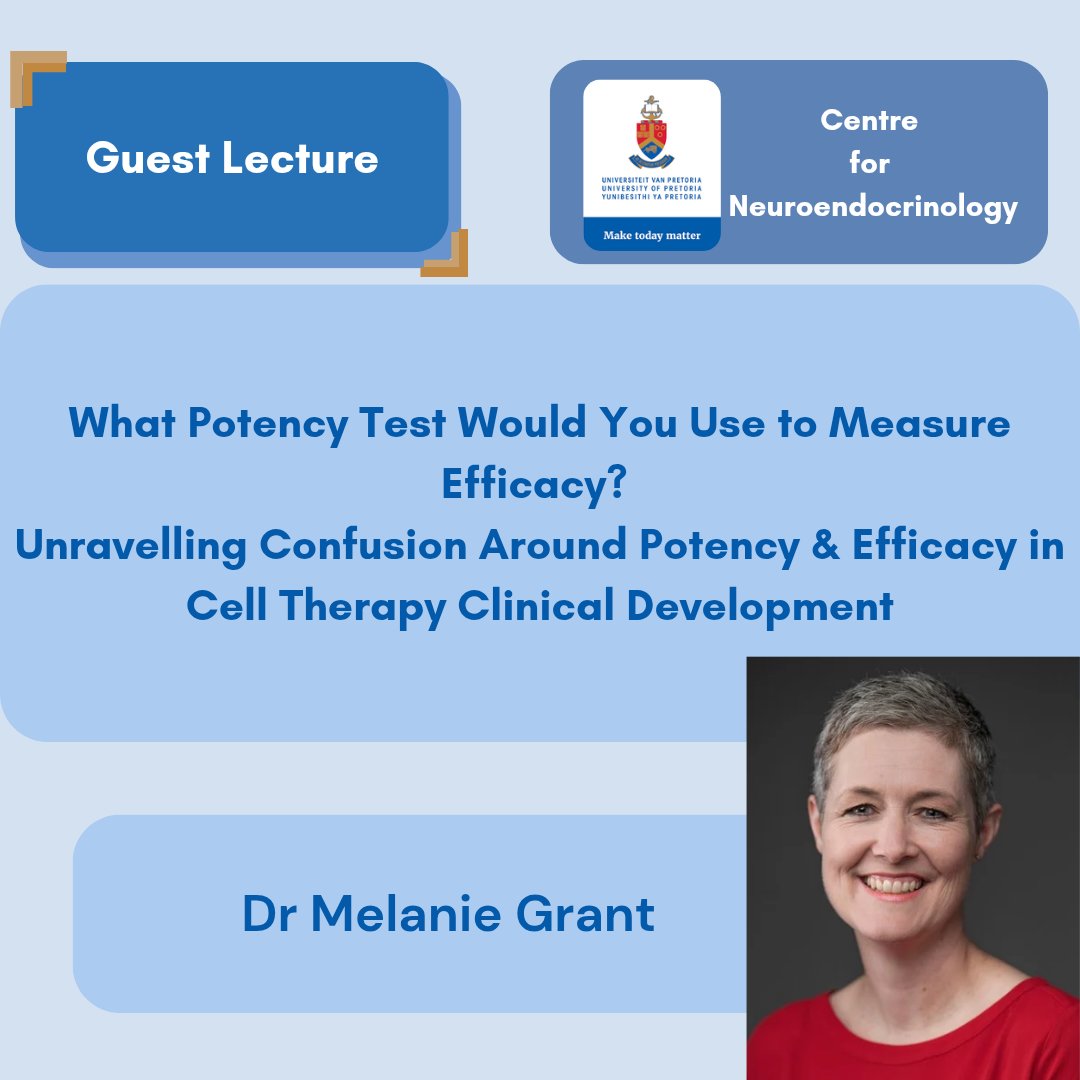
What Potency Test Would You Use to Measure Efficacy? 🧪
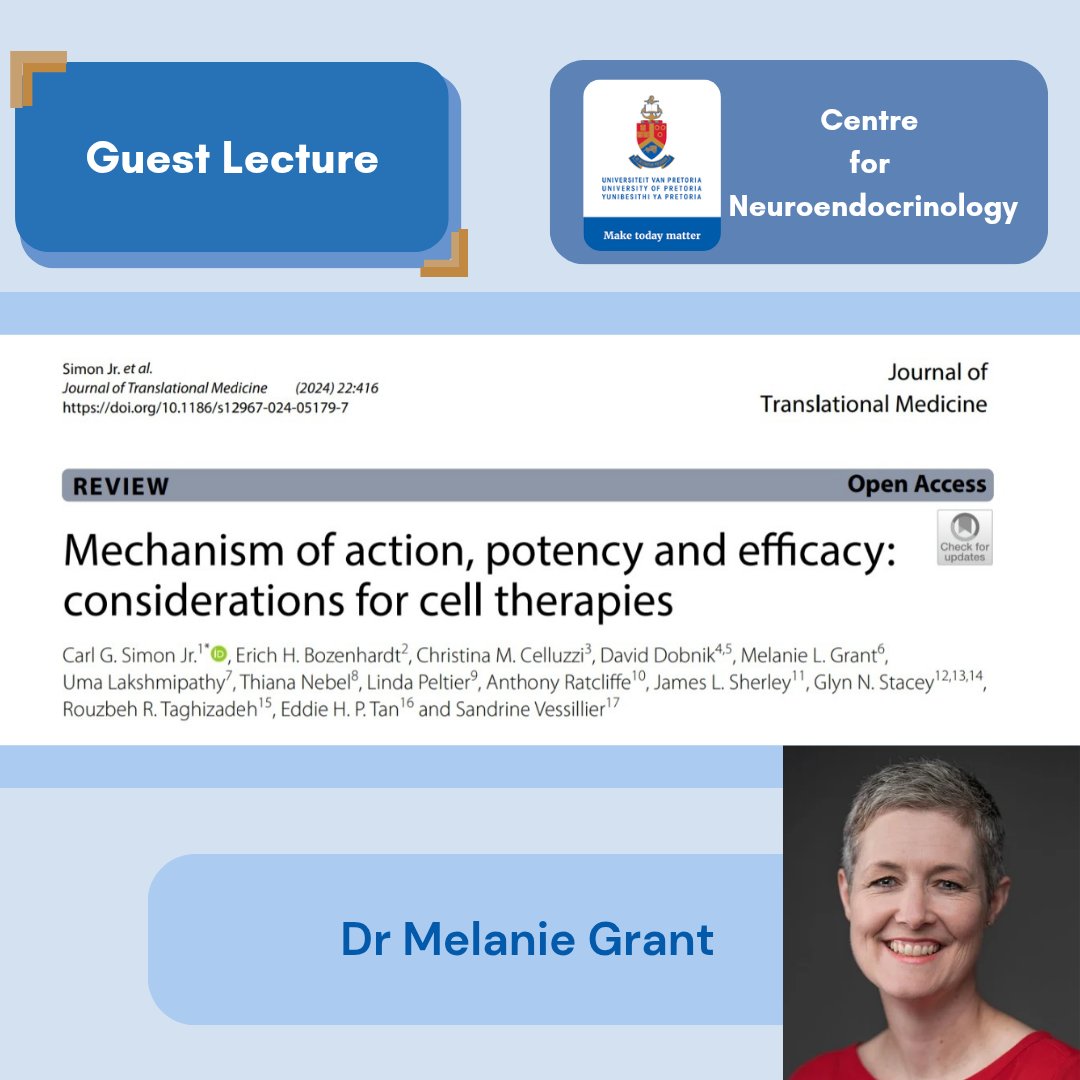
On Monday, 30 June, we had the pleasure of virtually hosting Dr Melanie Grant, PhD, who unpacked the vital link between potency, efficacy, and mechanism of action in cell therapy development.
Our very own Dr. Stefanie Klima, alongside a national team led by Prof. Iman van den Bout, authored a powerful paper proposing a new national framework for developing and sharing advanced cell culture models, including iPSCs and patient-derived organoids, across South Africa.
The paper addresses a key gap: the underrepresentation of African models in global research. With a cost-effective, 3-tiered approach, it aims to boost collaboration, minimize duplication, and ensure the development of models that reflect the genetic diversity of our population.
The 2025 campaign urges us to:
1) Empower the public to improve hormone health through activity, stress management, and checkups.
2) Engage policymakers to enhance endocrine disease prevention and treatment.
For more: https://t.co/R4yqYEE9g0
Today is World Hormone Day, organized by the European Society of Endocrinology to highlight the vital role of hormones in health, regulating metabolism, growth, and reproduction. Imbalances can lead to diabetes, obesity, and infertility.
Adult neurogenesis is the generation of new neurons in the adult brain. This process was once thought impossible due to the belief that the adult brain structure was fixed. This research aimed to investigate the patterns of adult neurogenesis across different age groups.
🔗
This week we hosted an invited lecture from Professor Amadi Ogonda Ihunwo.
Prof. Ihunwo is a Professor of Anatomy, a Neuroscientist and the Head of School at the School of Anatomical Sciences, University of the Witwatersrand (Wits), Johannesburg, South Africa.
🧭This study found that misfolding and misrouting of GPCRs are more prevalent than previously thought. There is a necessity for the identification of new pharmacological chaperone compounds to guide the proper folding and trafficking of these proteins.
🤔G protein-coupled receptors are one of the most abundant families of
membrane receptors involved in a number of biological processes. When these proteins don't properly fold or reach the plasma membrane, this can lead to hypogonadism.
#GPCRs#Cellbiology#endocrinology
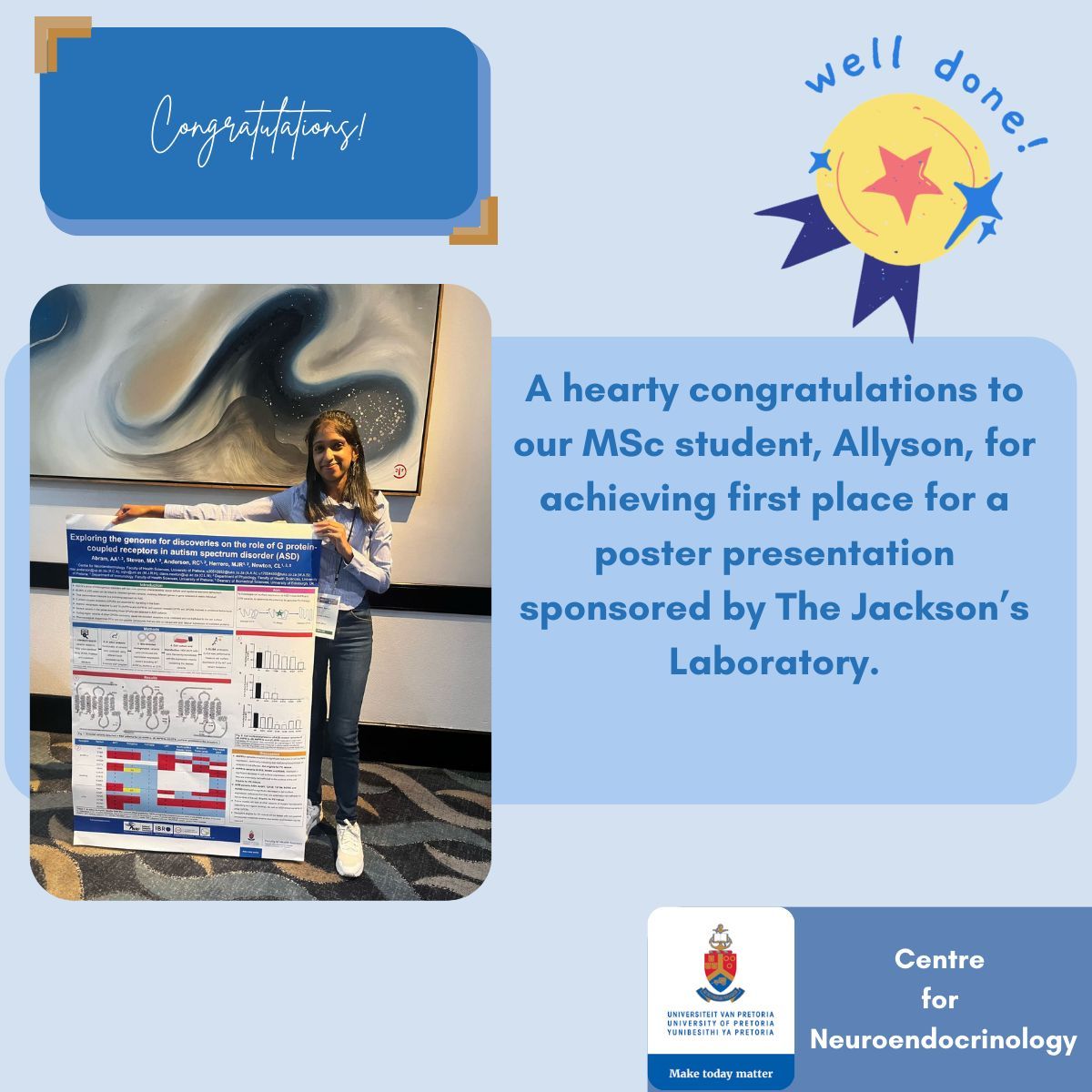
Valued CNE student Allyson won first place for the poster presentation sponsored by The Jackson’s Laboratory. This study investigated the effect that single nucleotide variants- associated with autism spectrum disorder have on the cell surface expression of vasopressin receptors.