Excited to continue these studies from @KhannaLabUF on dissecting the CRMP2-NRP1-ion channel signaling axis. Grateful to @NIH_NINDS@NINDSfunding for funding this work through a RF1 grant mechanism to my lab.
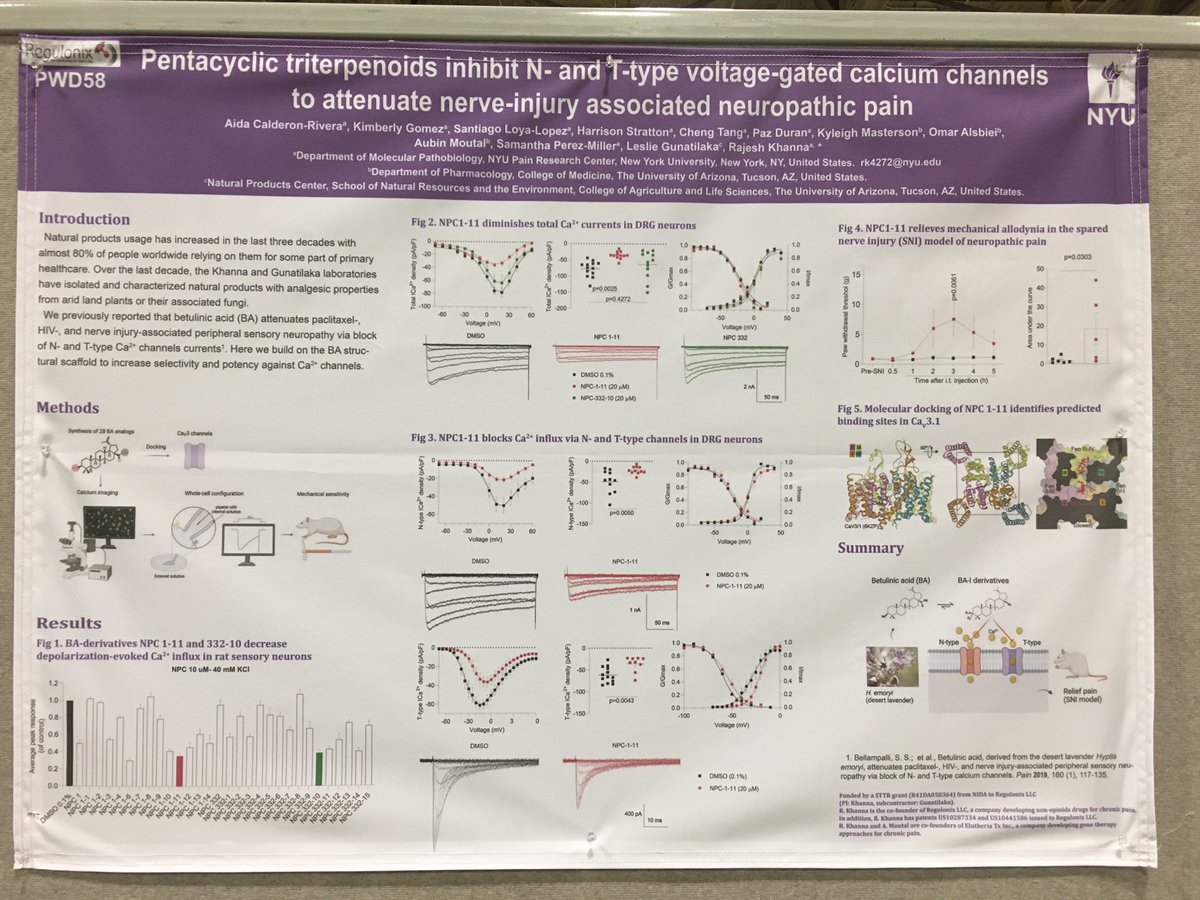
Research from Dr. Raj Khanna & team at the NYU Pain Research Center finds that a new compound reversed four types of chronic pain -- outperforming gabapentin without troublesome side effects -- by indirectly targeting calcium channels.
https://t.co/VZfzStKwWw
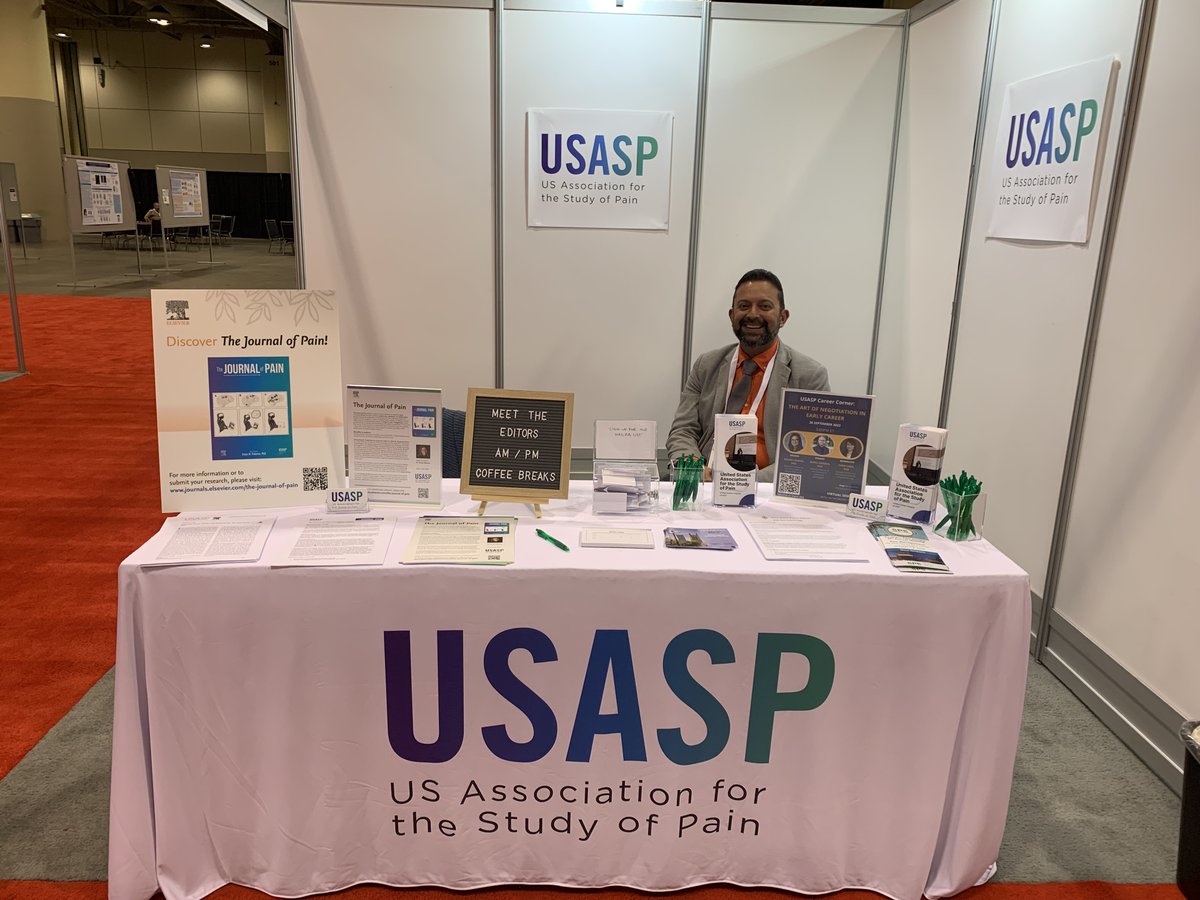
📢@TheJournal_Pain Call for Applications!
1⃣Assistant Editors for Transparent Reporting (due Oct 15th)
2⃣Early Career Editorial Fellowship Program to Promote Diversity in Editorial Leadership (due Nov 1st)
👉Click here for more info.! https://t.co/5bFwwLfIQD
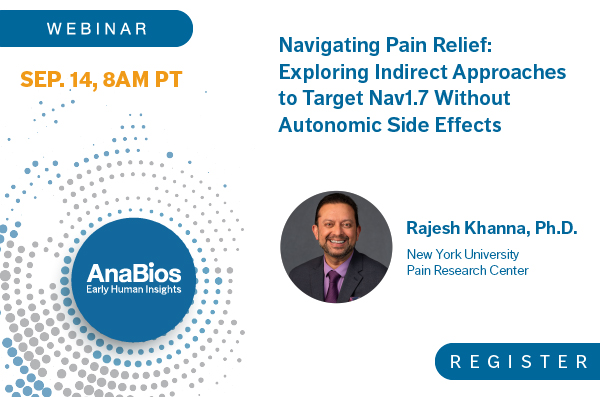
Join us Thursday, September 14, for a webinar presented by Dr. Rajesh Khanna, Director of @nyuniversity Pain Research Center. He will delve into the clinical evidence supporting the importance of NaV1.7. #drugdiscovery#earlyhumaninsights https://t.co/mRvaVv76EZ
We are so proud and excited about this initiative to harmonize principles across the leading pain journals to promote inclusion, diversity, and equity in pain science. OPEN ACCESS editorial.
Stay tuned for actions that will be taken specifically @TheJournal_Pain in the new year.
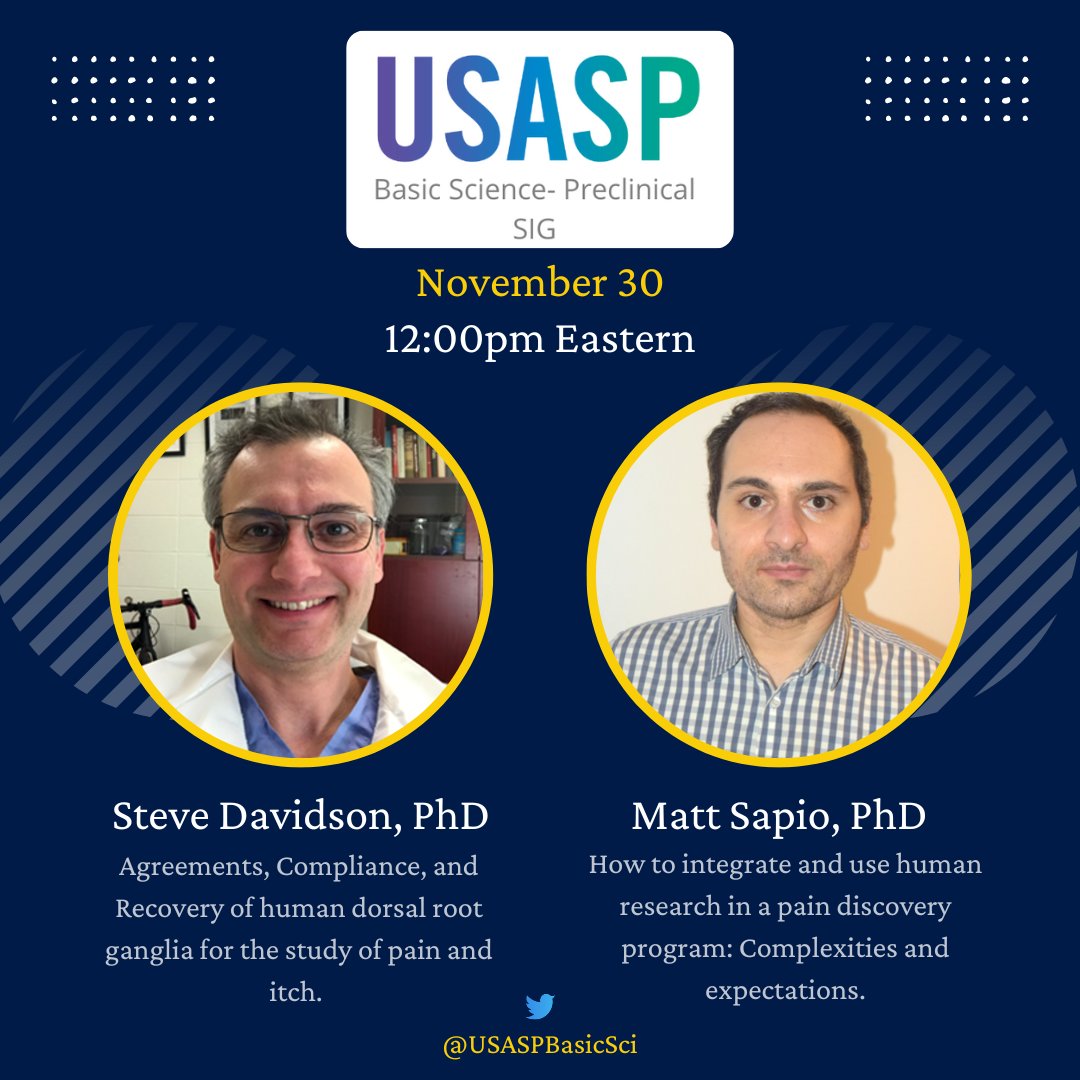
Please join @KhannaLabNYU and @DamajLab on Nov 30 as they moderate this important conversation on use of human tissues in research discovery between @restinpotential and @mattsapio as part of our @USASPBasicSci lecture series.
Please join @KhannaLabNYU and @DamajLab on Nov 30 as they moderate this important conversation on use of human tissues in research discovery between @restinpotential and @mattsapio as part of our @USASPBasicSci lecture series.
Join us on Wednesday November 30 for USASP's next Basic Science-Preclinical SIG Meeting! Sign up to become a member at https://t.co/c4CSLbzVLf @US_ASP#AcademicTwitter