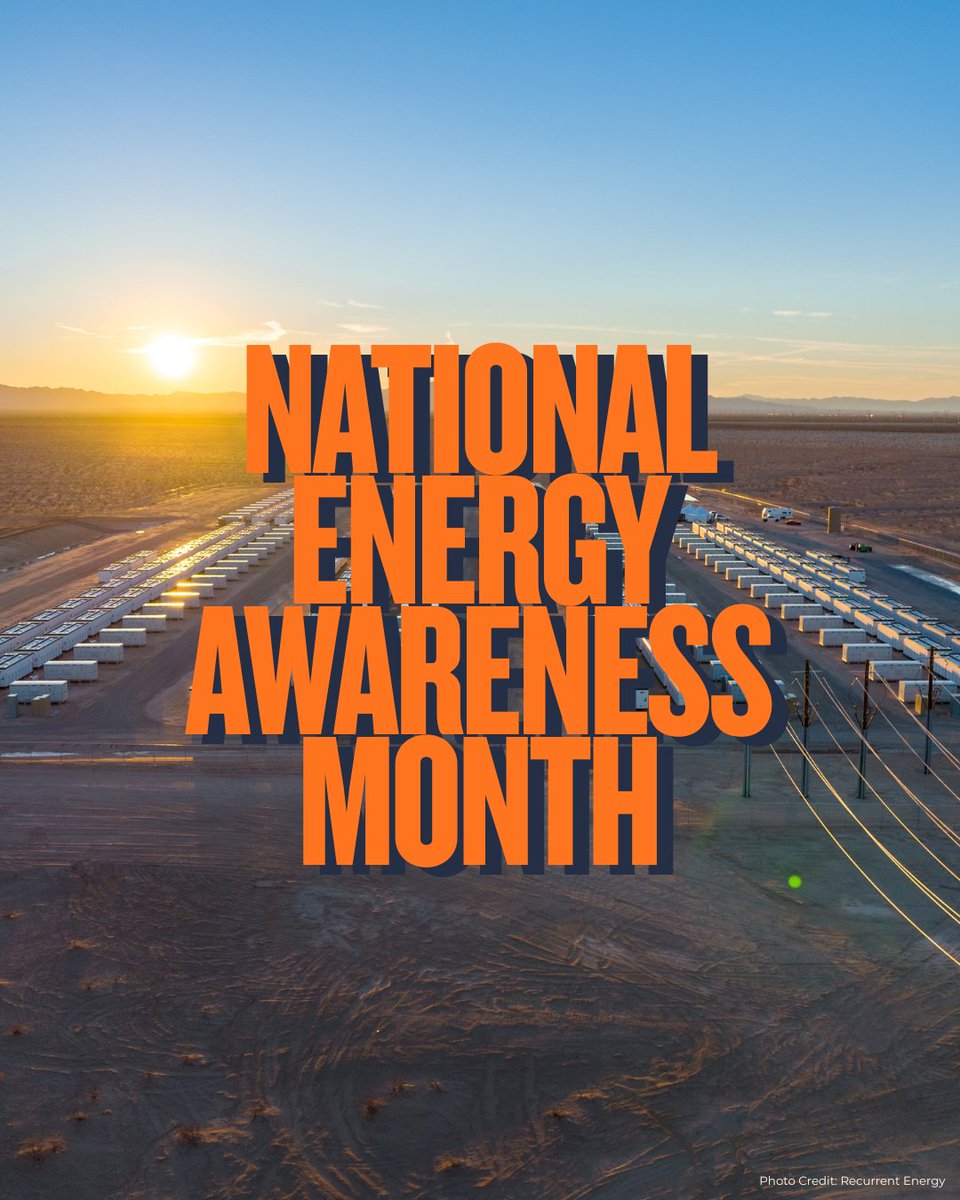
🧥 Battery storage is like your favorite fall trench coat, providing a reliable layer between you and the oncoming cold. It’s vital for storing excess energy when the sun and wind are at full strength and deploying the energy held in reserve when the grid needs it.
Battery storage installations increased 17% compared to last year, with most new projects focusing on batteries that can store more energy for longer. 🔋
https://t.co/Di3ULGiCPY.
A win for permitting reform is a win for clean energy and the climate, and Congress has a unique opportunity to deliver benefits for our country, communities, and climate by passing #BAAJA.
ACP urges Congress to act swiftly to make long-overdue permitting reform a reality.
Clean energy generates nearly 60% of the total electricity in Iowa.
One farming family decided to reap the economic benefits and diversify their revenue stream by using 10% of their 160-acre farm for a combined solar and battery storage project. Cows can still graze, and the Smith family is creating a new source of revenue as the crop market faces challenges.
A local battery storage moratorium threatened to hinder their plan. Instead of backing down, however, the Smiths took action to reverse the moratorium and preserve their property rights to use their land as they see fit.
Read more in Canary Media: https://t.co/OqhBtwFZoS
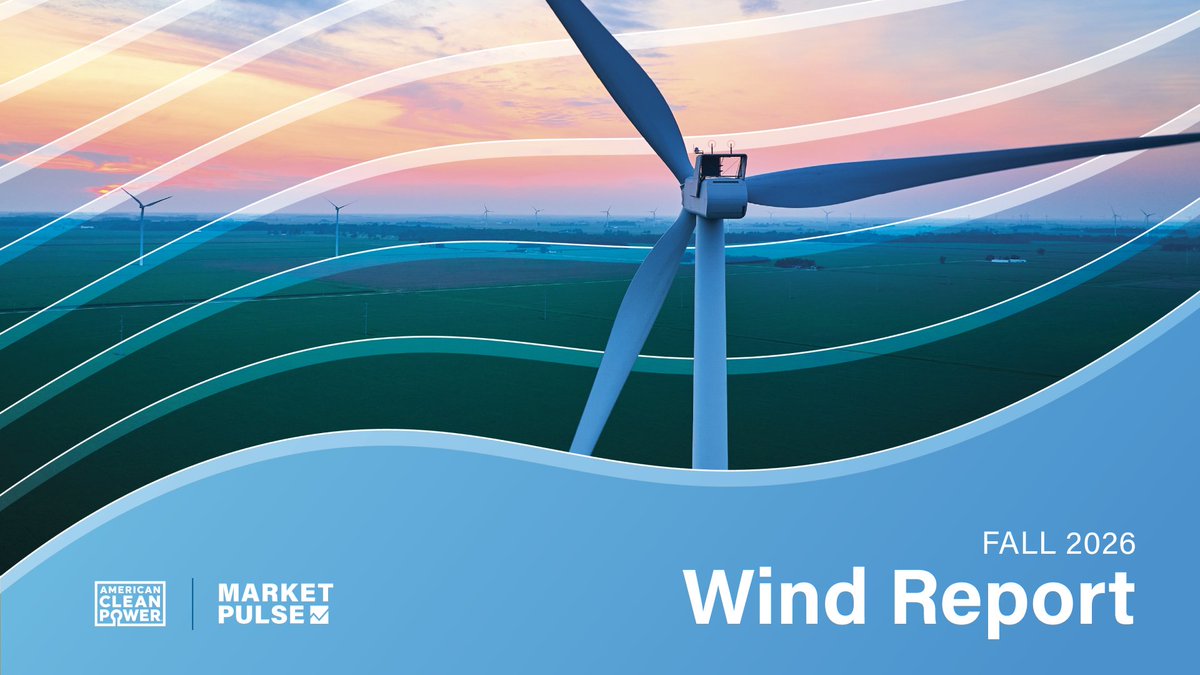
Wind energy is here to stay, and real opportunities lie ahead. In a new blog, ACP Senior Research Analyst Sean Chung breaks down key findings from our Wind Market Pulse | Fall 2026 report.
Read Sean’s insights about the wind power market: https://t.co/gEWNfjGFxf
Access and download the full member-only Wind Market Pulse report: https://t.co/EK8Iqx2oHv
#ACPPEAK27 is coming to New Orleans, April 13–15, 2027, and we’re now accepting speaker and poster proposals: https://t.co/rrB8DVC3Ii
Explore the key program focus areas: https://t.co/cSNw0fqtyA
What do Oregon, Iowa, West Virginia, and Texas have in common?
They are all powered by wind energy.
These four are among the 43 states — plus Guam and Puerto Rico — with at least one operating land-based wind project.
Wind is helping communities across the country meet their energy needs, supplying at least 10% of annual electricity in 17 states.
Learn more in @USCleanPower's latest member-only Market Pulse report: https://t.co/EK8Iqx2oHv
Clean energy is powering rural communities! ⚡
New research from the University of Missouri’s Center for Rural Energy Security finds that wind and solar are bringing major economic benefits to rural communities across the Midwest — creating jobs, generating new local revenue, and supporting economic growth.
Read more about how clean power delivers for America: https://t.co/yHFKaJ99gm
🍂 Autumn winds may be busy shaking leaves from the trees, but they’re also helping power American homes.
Wind generated 11% of U.S. electricity over the past year, with 166 GW of operational capacity generating enough electricity for 48 million homes.
Learn more: https://t.co/EK8Iqx2oHv.
We joined @CEBAPower, @SEIA, @AdvEnergyUnited, and @ACORE to deliver a simple message to Congress: pass the Bipartisan American Affordability and Jobs Act of 2026 (BAAJA).
With 350+ GW of clean energy ready to meet rising electricity demand, bipartisan permitting reform can unlock transmission investment, create jobs, and strengthen America’s energy future. Negotiators have reached an agreement. Now Congress must follow through.
Read our joint trade letter: https://t.co/wafDqZCNMX
Wind energy is powering communities nationwide, and the market is growing. 📈
@USCleanPower's latest Market Pulse: Wind | Fall 2026 report shows how wind is powering communities today and expanding to meet America’s future energy needs.
Operational wind capacity reached nearly 166 GW in Q2 2026 — enough to power 48 million homes. And nearly every region of the country is projected to add more wind capacity in the years ahead.
Greater permitting certainty can help turn that growth potential into reality, bringing more homegrown energy onto the grid.
Explore the findings: https://t.co/EK8Iqx2oHv
Summer in Texas is now a “non-event.”
Solar, wind, and battery storage are the reason why.
Texas leads the nation in operating clean energy capacity with nearly 100,000 megawatts on the grid — enough to power 16.2 million homes.
The Lone Star State sets the standard for what a diversified grid powered by clean energy can deliver: reliable power and lower prices, even during periods of extreme strain.
Read more: https://t.co/9RDxlYhBDZ
ACP’s wind-focused Market Pulse report is live — and the findings will blow you away! 🌀
༄ 166 GW of capacity currently in operation
༄ 202 GW of expected operational capacity by 2030
༄ 43 states with ≥1 operational wind power project
Check out the full member-only report for more insights & analysis: https://t.co/5sbndYQ5qu
📢 ATTN All ACP Members: the Q3 Meeting of the Members is taking place later today!
At 2 p.m. ET, ACP leadership will be briefing our members on new initiatives and important advocacy updates for the industry. Don't miss it!
https://t.co/WZNu0ks9FK
📣 Today is the last day to submit your speaker or poster proposal for #CLEANPOWER27 and #ACPSiting27: https://t.co/Jyne1uEtvF
Apply by tonight, Oct. 14, at 11:59 p.m. ET to share your expertise and help shape the conversations at next year’s events.
Proposals for #ACPPEAK27 are also open through Nov. 3.
Over the past year, solar generated 8.9% of total U.S. electricity — enough to power nearly 34 million homes — and is projected to produce 12% of total U.S. electricity generation by 2030.
Soak up more facts with our Solar Market Pulse report: https://t.co/j539VfJl5M
As electricity demand rises, manufacturers across the U.S. like @ShoalsTech are scaling production of the electrical equipment that forms the backbone of solar and energy storage projects.
Producing more of these critical components here at home strengthens domestic supply chains, expands American manufacturing, and supports the infrastructure needed to meet growing energy demand.
Read more: https://t.co/657vsSY3yb
Today is National Energy Efficiency Day, and we’re highlighting how quickly clean energy can be built and connected to the grid, delivering efficiency for our grid and our communities.
According to recent analysis by ACP’s research team, clean power projects are both the fastest to construct and the fastest to connect to the grid, spending an average of less than a year in development last year and coming online in as short as six months to two years.
Clean power is quick to build, quick to scale, and ready to power America efficiently and effectively. Learn more about clean power’s speed to market: https://t.co/NcXIuQRzi2.
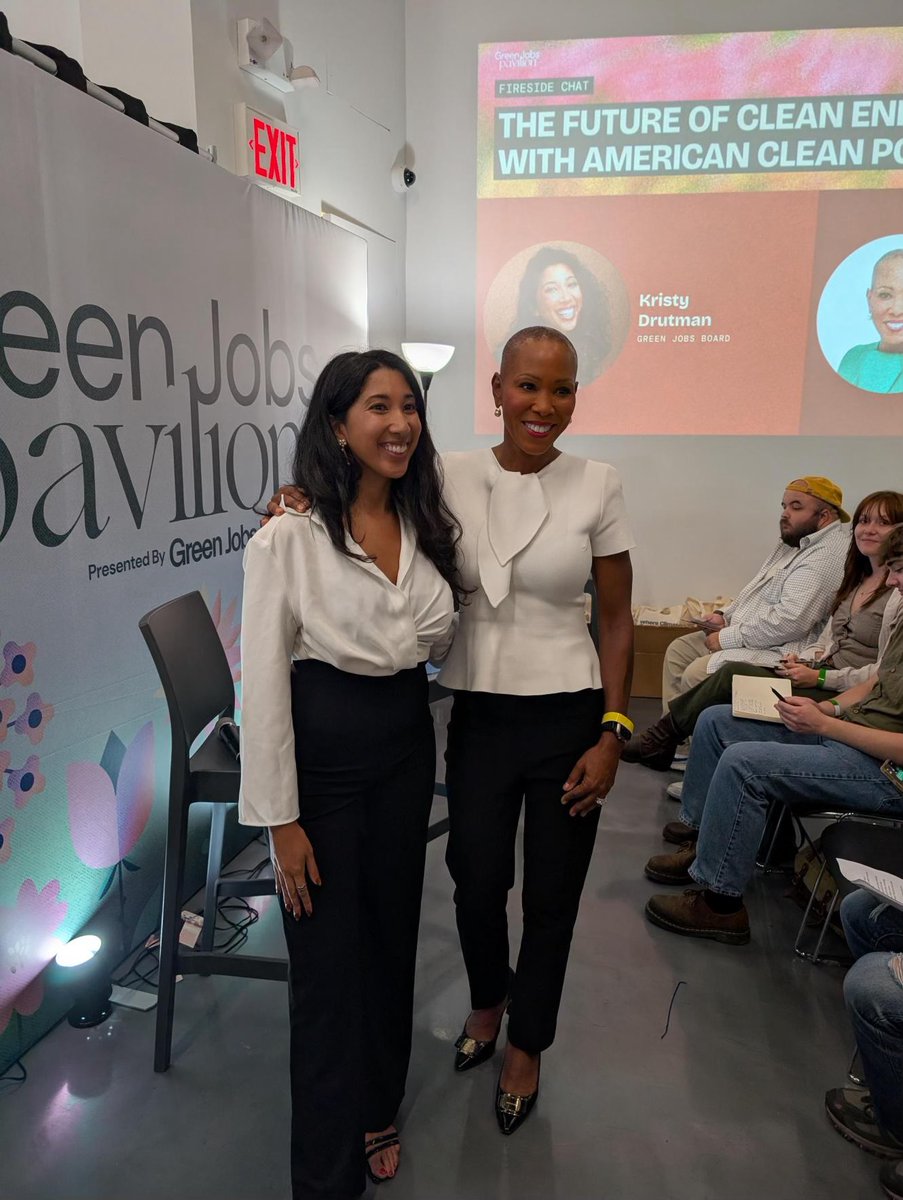
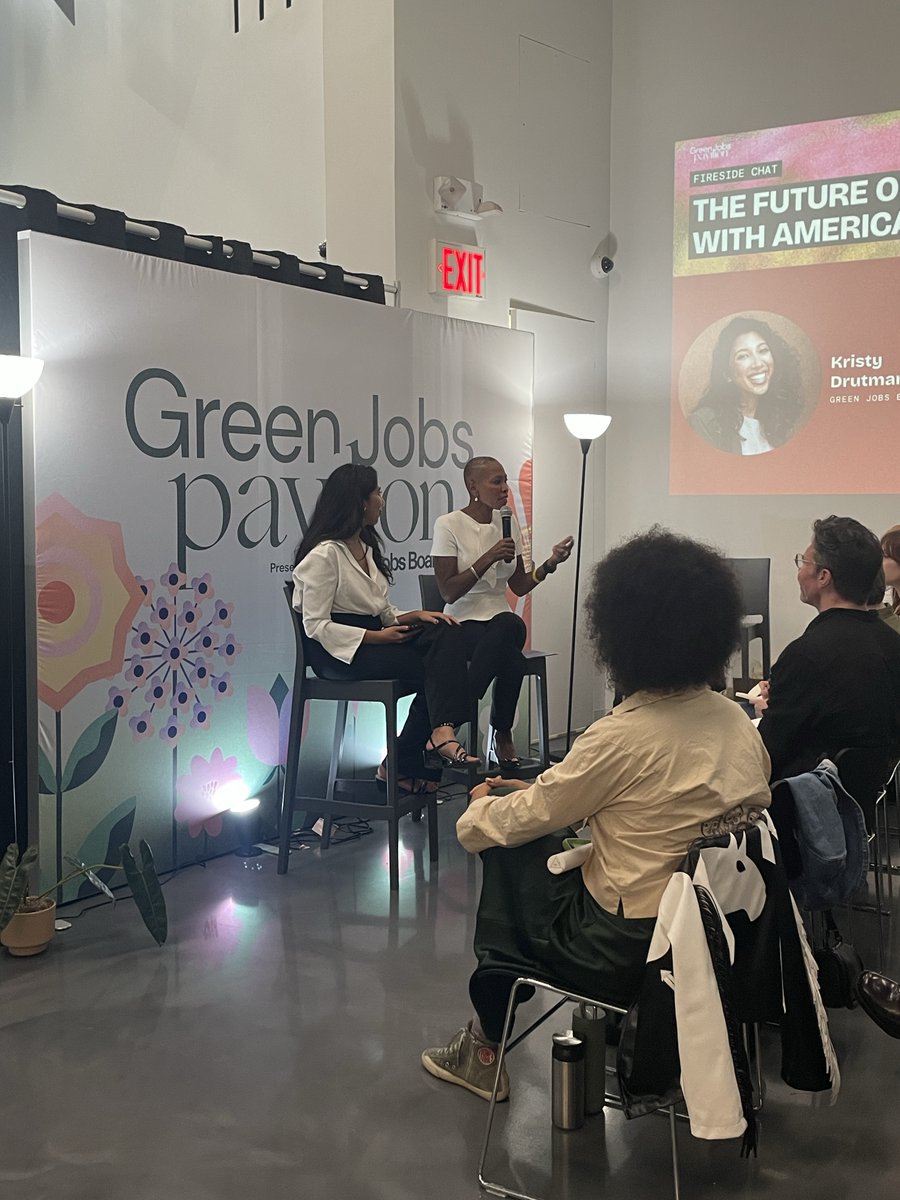
#ICYMI: CPI President Kelly Veney Darnell spoke with @greenjobs_board Founder Kristy Drutman this week at #ClimateWeekNYC about the future of #cleanenergy careers.
Learn about how CPI is building the skilled, qualified workforce to power America’s future: https://t.co/yQdWyYgCiP
The Bipartisan American Affordability and Jobs Act of 2026 (BAAJA) could deliver major wins for America’s energy future.
According to a new fact sheet from ACP’s Research team, the legislation would help move forward 100+ GW of clean energy projects currently stalled in the pipeline and enable more than 200 GW of additional clean energy through transmission expansion.
Passing BAAJA is critical to building a more resilient grid, lowering consumer costs, creating good-paying jobs, and delivering more reliable, affordable power for Americans. Learn more here: https://t.co/s3BZp4ODpp.