We’re excited to share that #USF reached a record $775M in research funding during fiscal year 2026!🤘
Supported by both federal dollars and private sector partnerships, the growth of our research enterprise expands opportunities for USF researchers to make scientific discoveries that improve lives, strengthen communities, fuel economic growth, and address some of society’s most pressing challenges.
🔗: https://t.co/FJXBurqRXj
Orion Scharton-Witmer grew up on the water, but honed his oceanography skills at the College of Marine Science. While earning his master’s degree in physical oceanography he spent more than 130 days on the water, developing skills that grew his expertise.
https://t.co/njQk0tDNnq
#USF expert Gary Mitchum appeared on @livenowfox over the weekend to discuss Hurricane Isaias' impacts on the Gulf Coast. @USFCMS
Watch here 🔽
https://t.co/azD5FCfMFy
Have 10 minutes?
Then listen to the latest episode of the @scifri podcast, where our resident sargassum expert, Brian Barnes, discusses how he and the Optical Oceanography Lab monitor the seaweed blooms that have been covering beaches.
Tune in!
https://t.co/4Wkn215zJQ
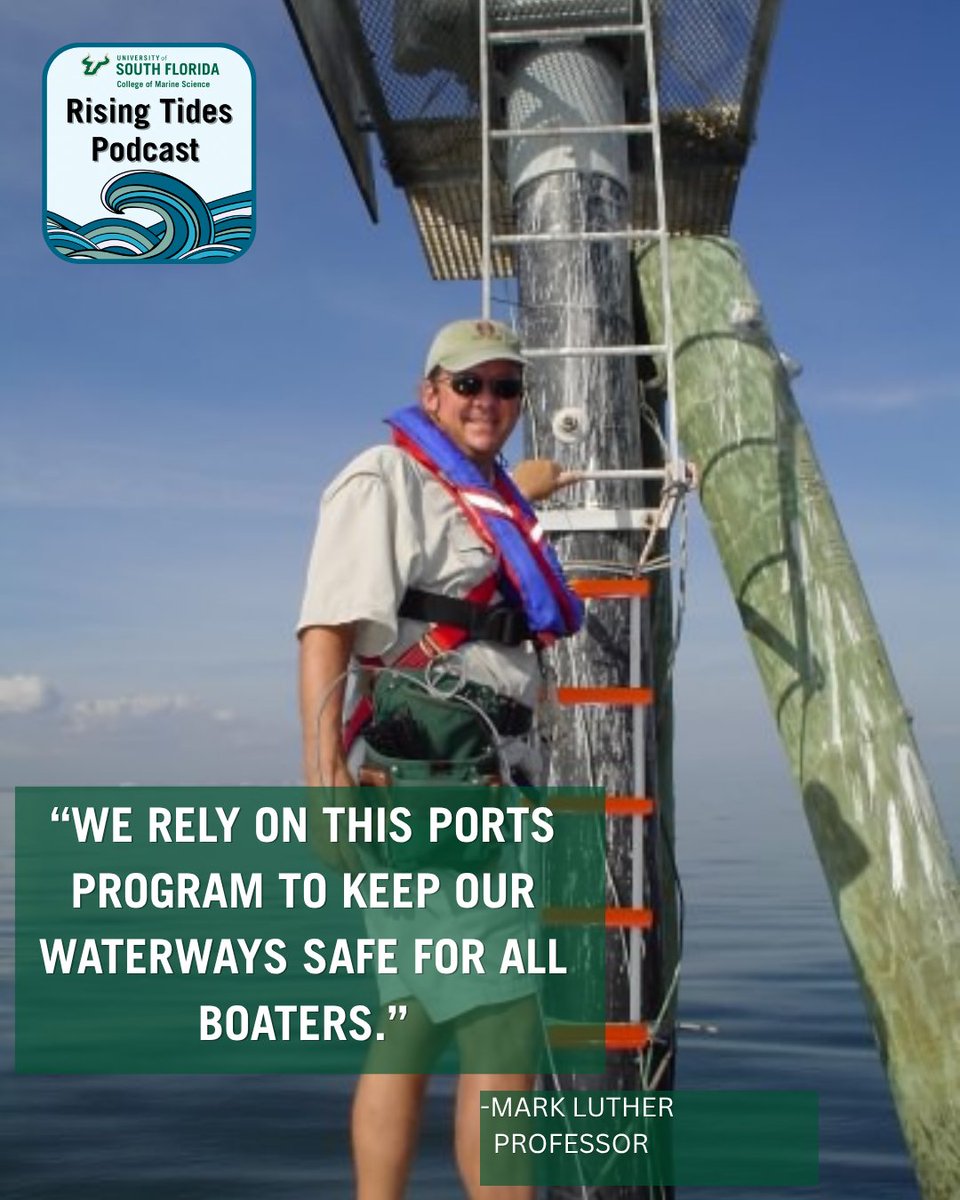
For 35 years, the Tampa Bay Physical Oceanographic Real-Time System (TB-PORTS) has delivered real-time ocean data that helps keep Tampa Bay's waterways safe.
Professor Mark Luther shares how the system supports navigation and advances coastal science
https://t.co/2fsy5m7Cfd
Today's #InstagramTakeover comes from
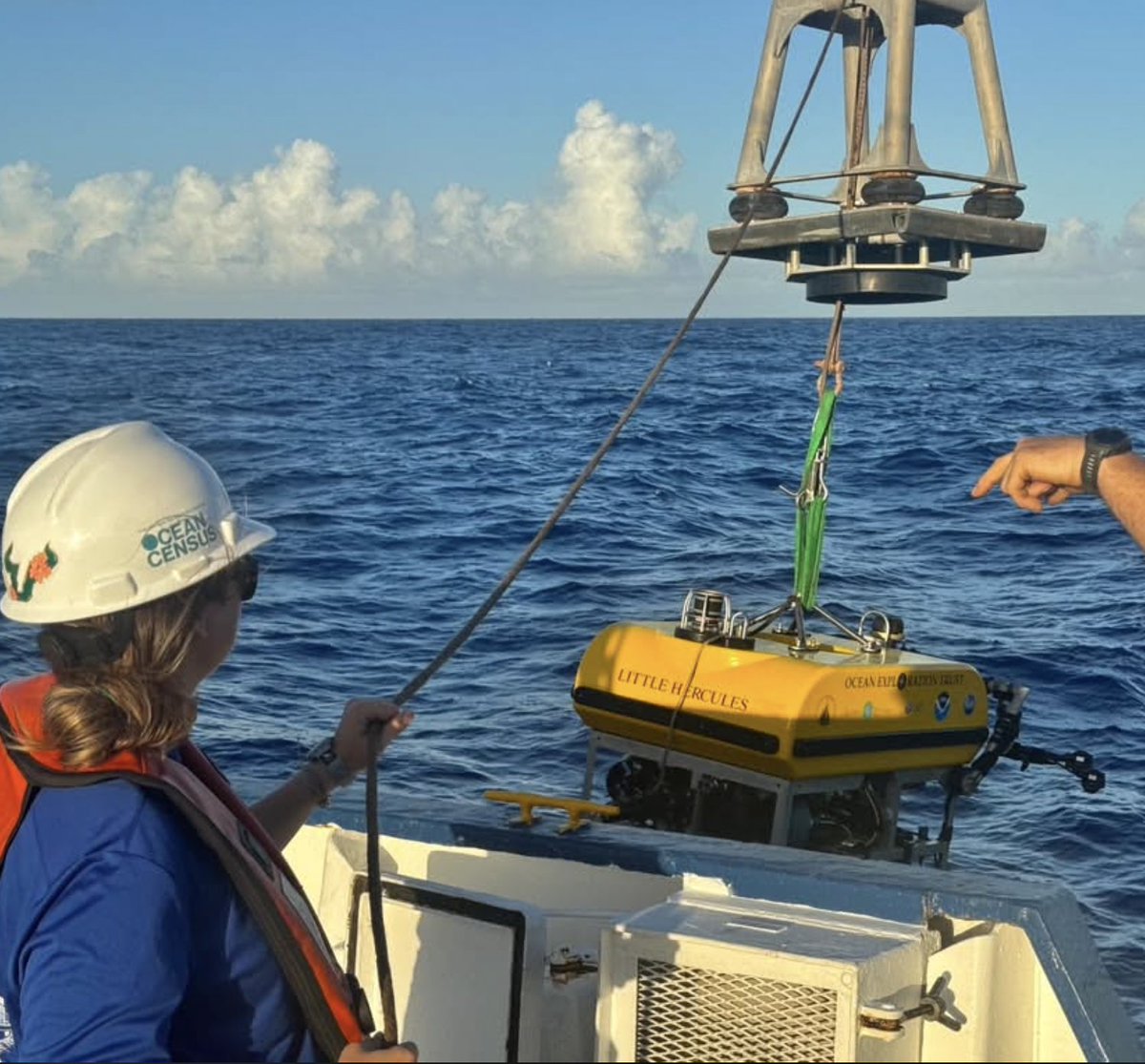
University of South Florida College of Marine Science (@USFCMS) researcher and graduate student Isabella Iannotta, who is sailing on #EVNautilus thanks to her partnership with @oceancensus.
What fuels the massive sargassum blooms spreading across the Atlantic? 🌊
USF College of Marine Science researchers are leading a $1.5 million project funded by the National Science Foundation to investigate what drives these blooms.
Read more: https://t.co/NqU0BsRaRw
The glider, called Jai Alai, was already in the water when the storm came through. USF said it was the only research vessel in the storm’s path.
My story today out of the @USFCMS ⬇️
https://t.co/Sg4uvzLxg5
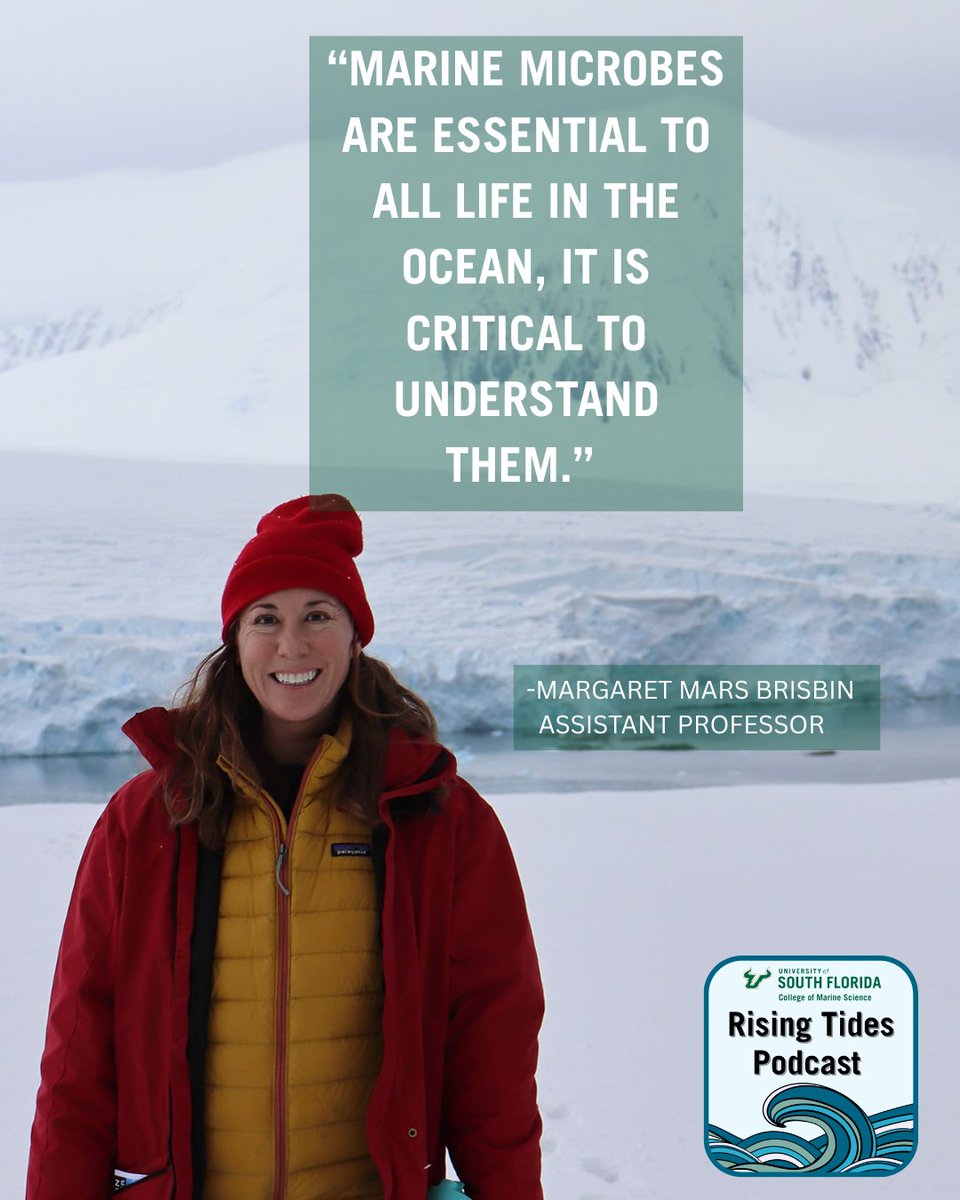
In this episode, Assistant Prof. Margaret Mars Brisbin explores the hidden world of marine microbes. From storm-driven flooding to the long-term effects of changing ocean conditions, learn how these communities support marine ecosystems. https://t.co/8nq08PcW57
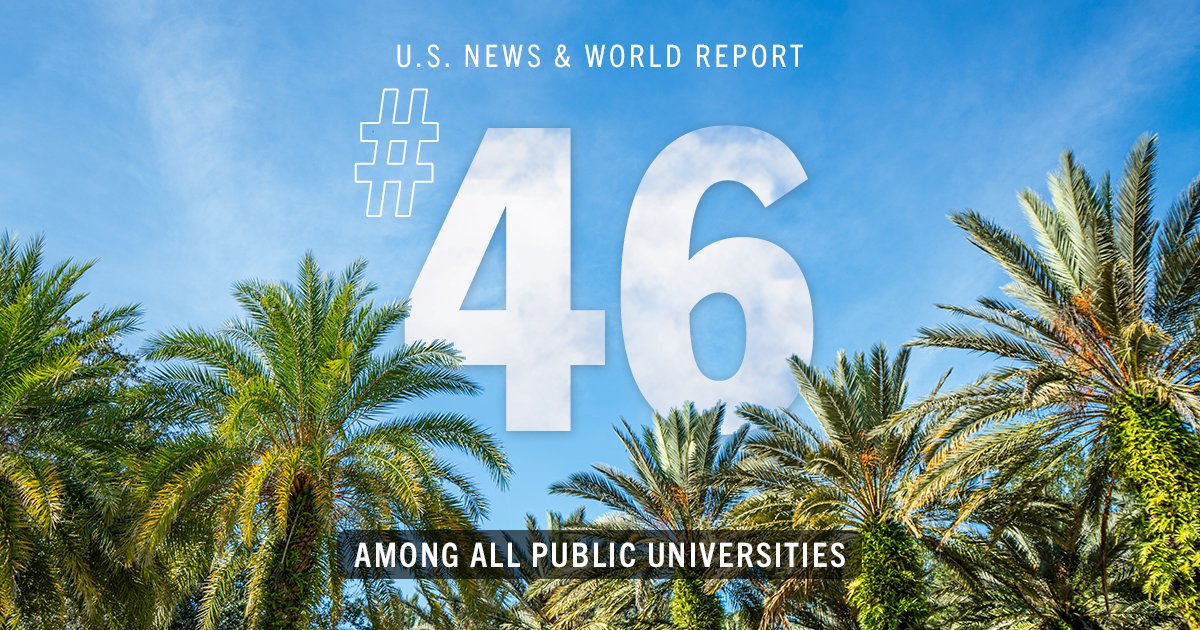
We’re proud to share that #USF has been ranked one of the Top 50 public universities in America for the eighth year in a row!🤘
According to the latest @usnews rankings, USF is No. 46 among public universities and No. 100 among all public or private universities in the nation.
🔗: https://t.co/0U4OloZ8gY
Is the AMOC really weakening?
The Atlantic Meridional Overturning Circulation (AMOC) has been a controversial topic, with some saying that this essential circulation pattern will weaken in the next few years.
Hear what two USF researchers have to say:
https://t.co/o32W0pqz9r
The USF College of Marine Science has been awarded a five-year, $8.5 million cooperative agreement by the National Oceanic and Atmospheric Administration Office of Coast Survey to continue the work of researchers at Center for Ocean Mapping and Innovative Technologies (COMIT).
Education & Outreach Director Teresa Greely and Outreach Coordinator Makenzie Kerr discuss how the Oceanography Camp Especially for Girls has introduced teens to the world of marine science.
Listen to the Rising Tides Podcast here: https://t.co/LBD8bLkSgS
Welcome aboard, Lakshmi Miller! ⛴️
We are pleased to announce the arrival of Lakshmi Miller, assistant professor of hydrography.
Learn more about her impressive resume, fascination with submarines, and advice for graduate students: https://t.co/YSc263udKh
Learn about the research of the Tampa Bay Surveillance Project, an innovative effort to track contaminants throughout the Tampa Bay estuary in the latest episode of the Rising Tides Podcast: https://t.co/GER4isYM49
In an @nytimes interview, Brian Barnes of the Optical Oceanography Lab describes the use of satellites to identify oil spills in and around the Strait of Hormuz.
Read more about the spills and their potential toll on the region’s marine environment: https://t.co/lAAT2Bs5ro
In the wake of the Marine Science Laboratory fire, graduate students have rallied together to assist in the College of Marine Science’s recovery.
Read how their resilience and commitment to their community are helping to move the college forward: https://t.co/U13mHpcCBx