Fish and wildlife research on 43 university campuses in 41 states. Tweets do not equal endorsement. Follow us @usgscoopunits on Facebook and Instagram.
Fish on! Understanding Recreational Fishers, brings together experts to show how people and the environment interact in recreational fishing—useful for the public, students, researchers, and educators designing courses on human dimensions of fisheries.
https://t.co/PwIKdWWtaD
Congrats Daniel Isermann, Wisconsin Fishery, inducted into the Fresh Water Fishing Hall of Fame Class for his contributions to the sport of freshwater fishing. Industry leaders meet annually to select nominees into this elite group of professionals!
https://t.co/gYe305Y8YH
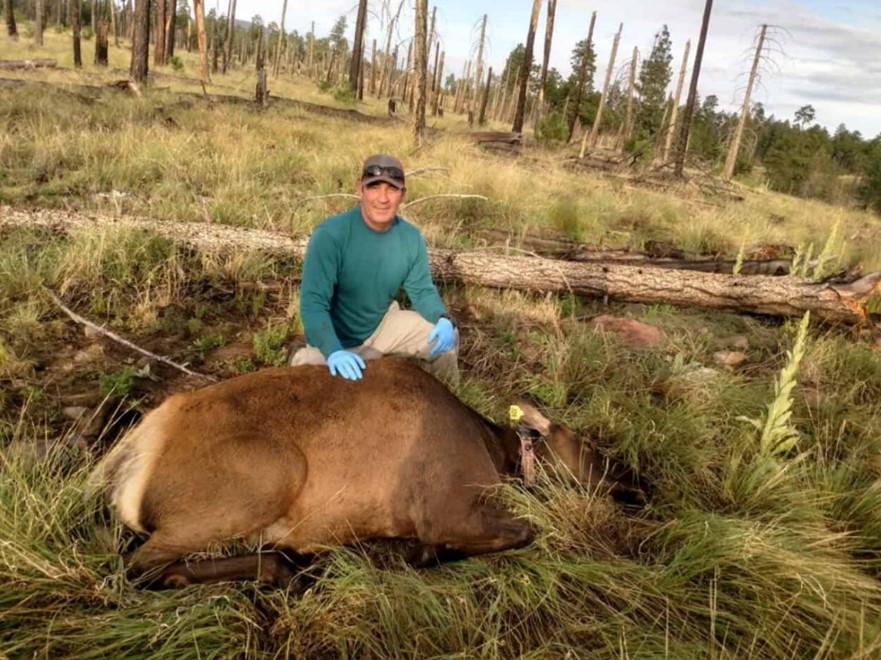
Congrats to James Cain, New Mexico CRU, who has been recently named a fellow of The Wildlife Society. James has made research contributions to species such as desert bighorn sheep, mule deer, Mexican wolf, and other ungulates. Congrats James! 🏆
https://t.co/27SXtsnt9O
Dr. Lowell E. Baier, 85, passed away peacefully on November 21, 2025. Lowell was a warrior & friend of the CRU Program. Lowell was an award-winning author, a champion of wildlife conservation, and natural resources management. Our deepest condolences. 💝
https://t.co/Rs1lrKbkZr
The NY CRU and the NY Department of Environmental Conservation (DEC) are testing all-day spring turkey hunting in 31 Wildlife Management Units in NY. The study will measure hunter satisfaction, survival, and harvest to guide future DEC decisions. USGS pic
https://t.co/CT3OkbgCWV
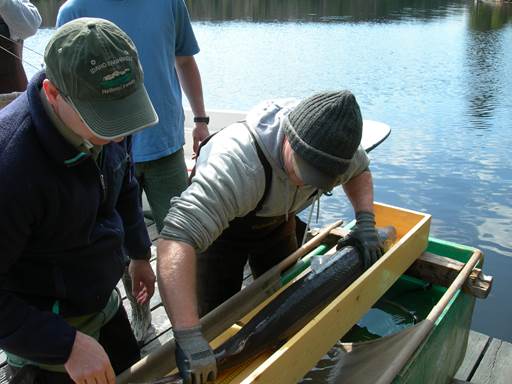
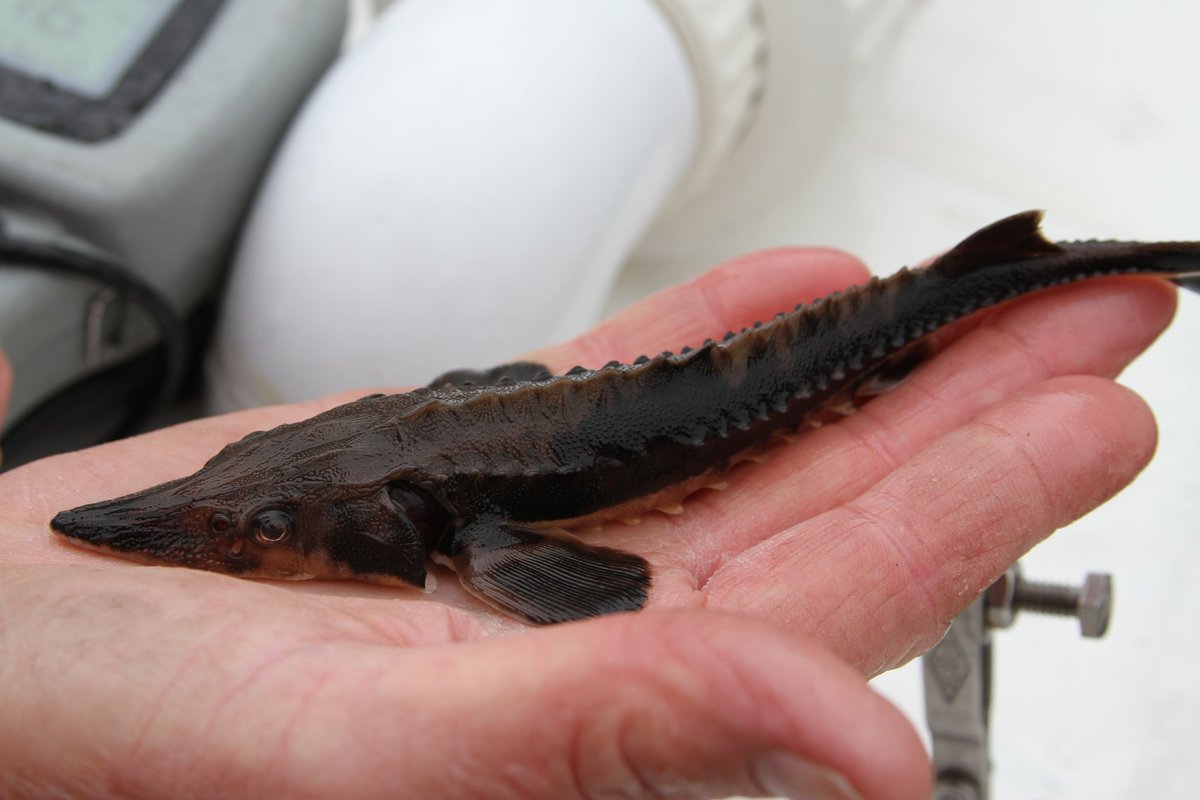
The South Dakota Unit is partnering with South Dakota Game, Fish and Parks and the Minnesota Department of Natural Resources to research lake sturgeon age, growth, maturity, and movement within Big Stone Lake in SD & MN. #LakeSturgeon
https://t.co/fFqi7K2VMZ
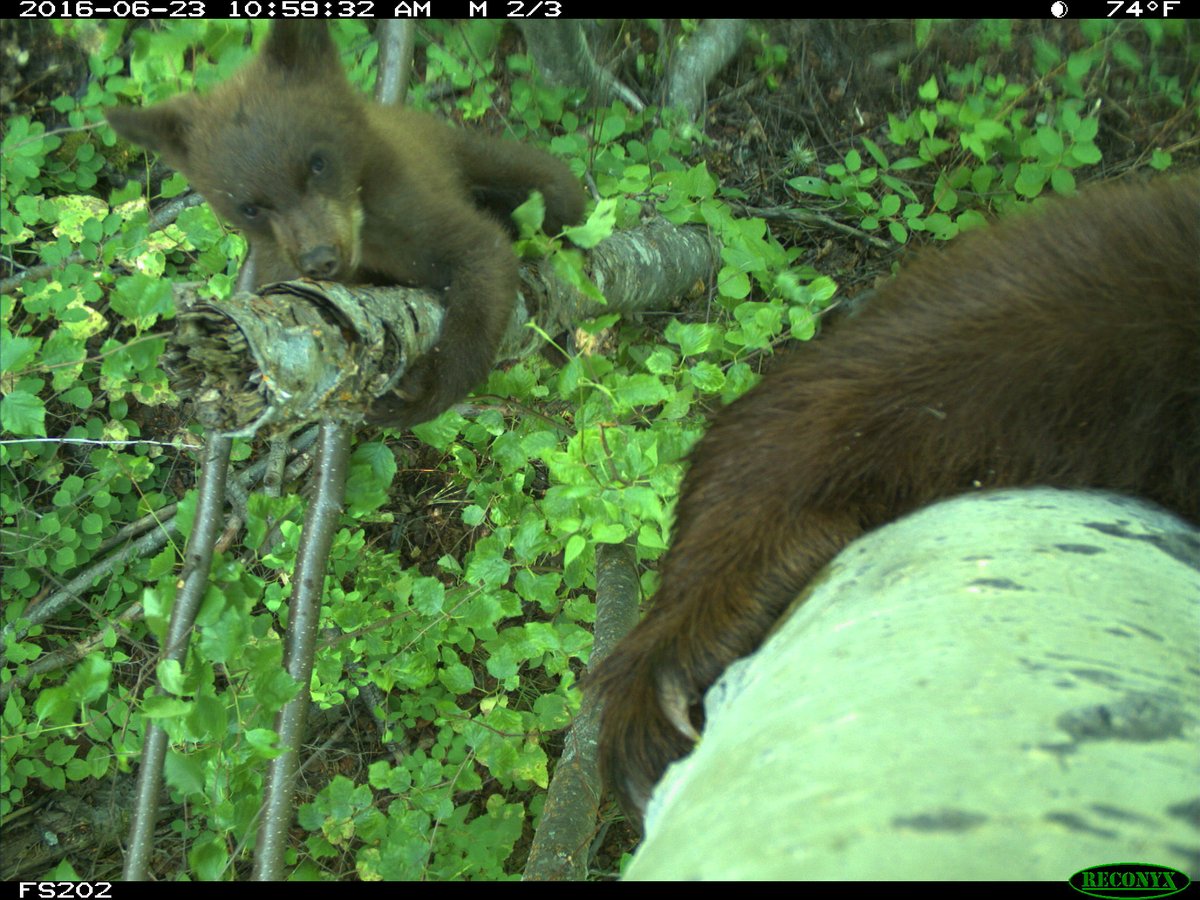
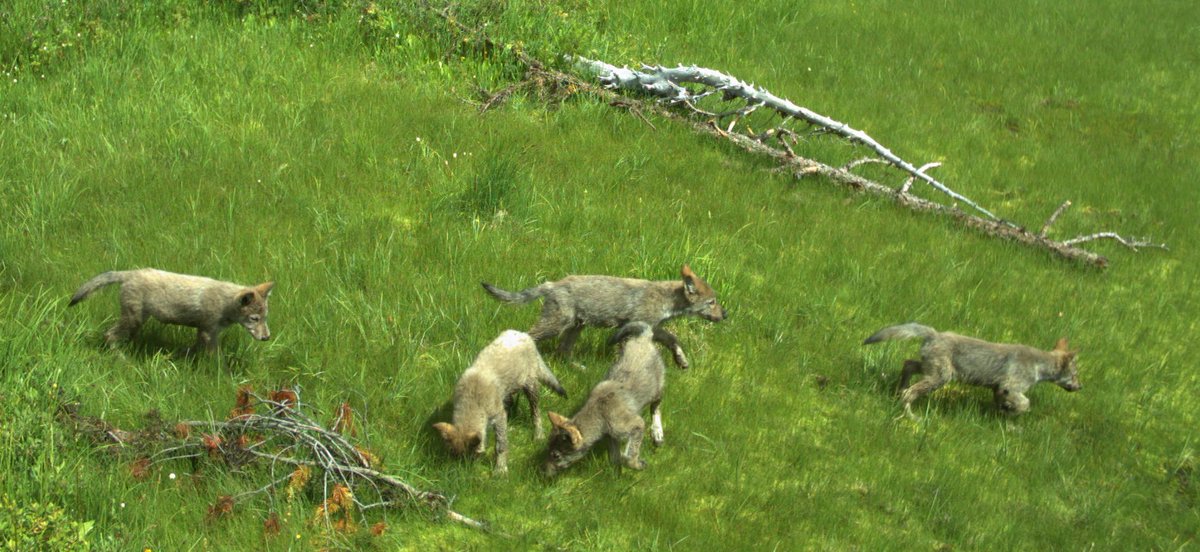
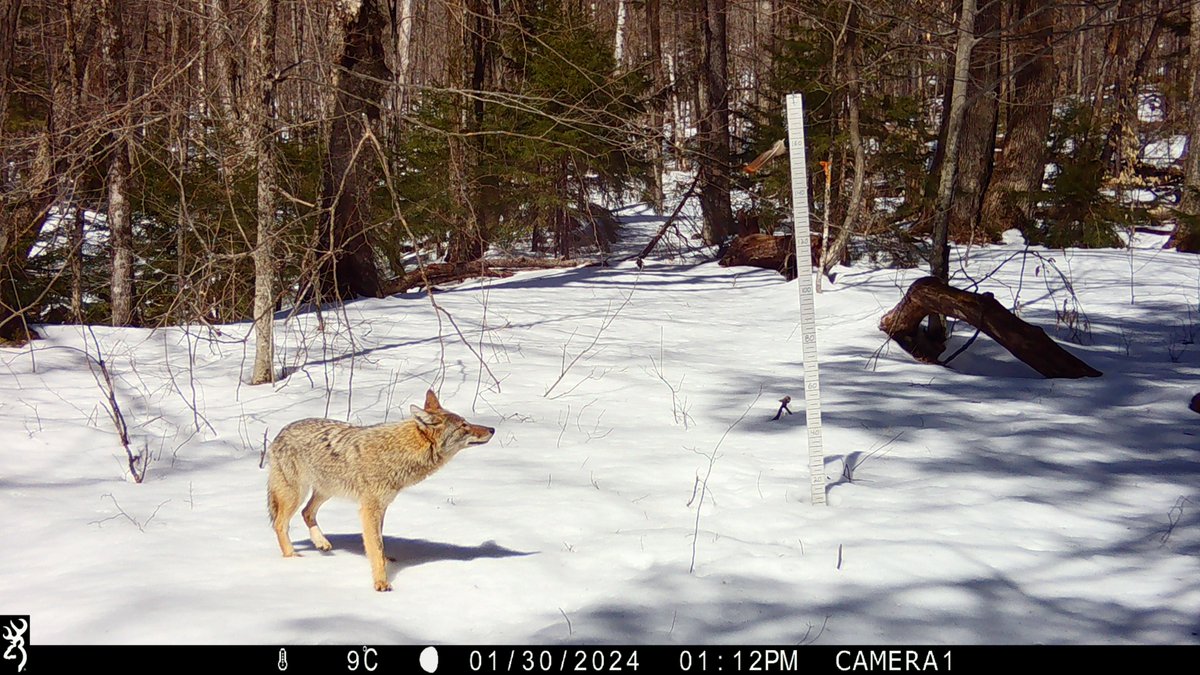
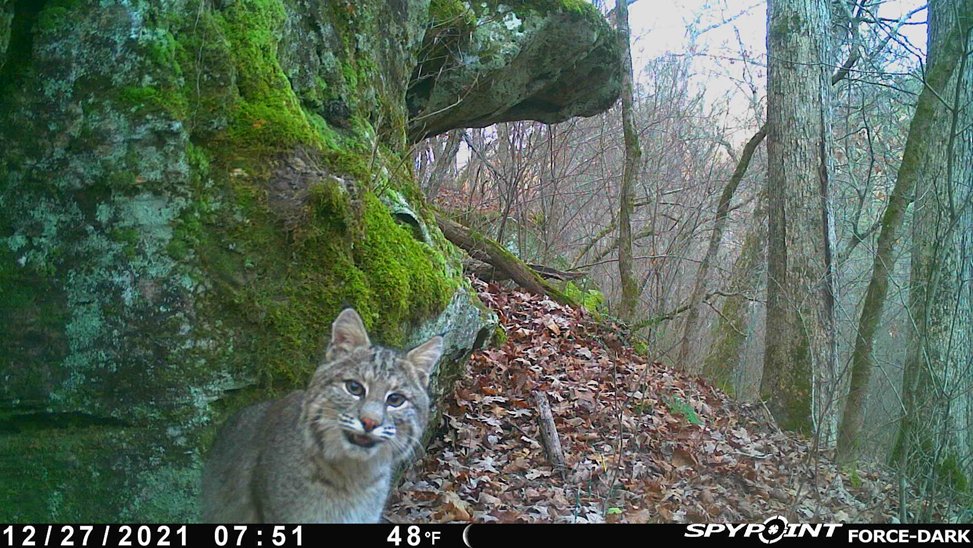
The Idaho CRU is using trail cameras to evaluate relationships among black bear, bobcat, coyote, mountain lion, and gray wolf – and it’s not all about avoiding rivals! Some predators share space, likely due to shared food sources.
https://t.co/nfn7xdlZap
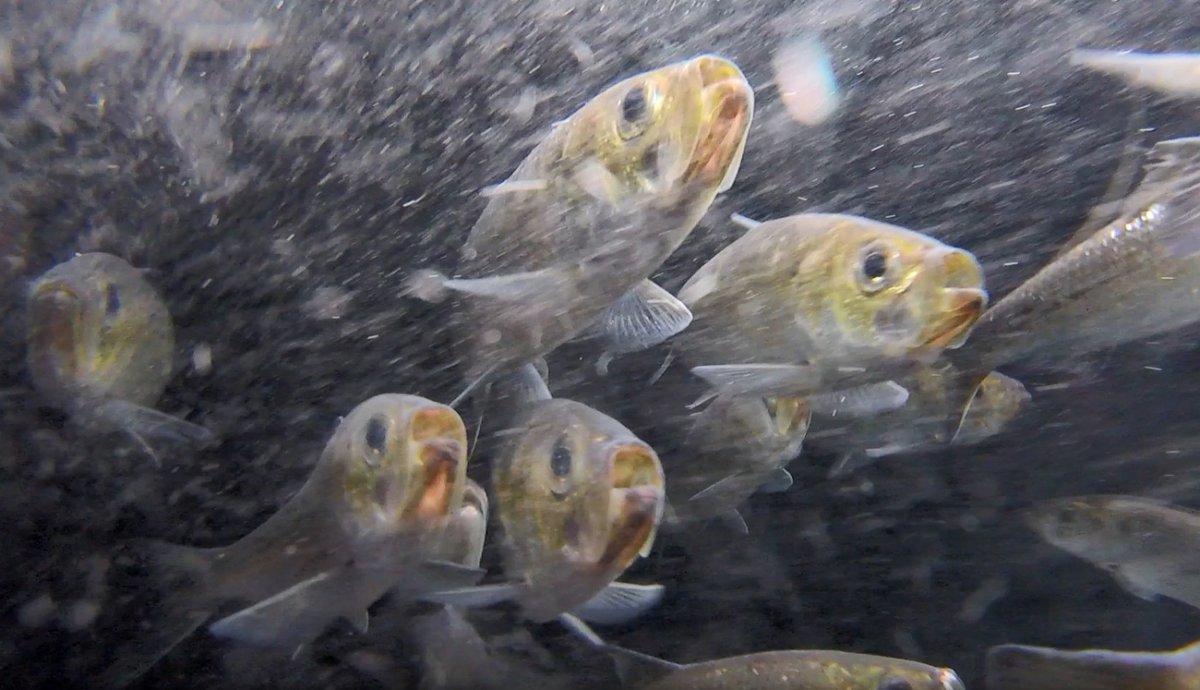
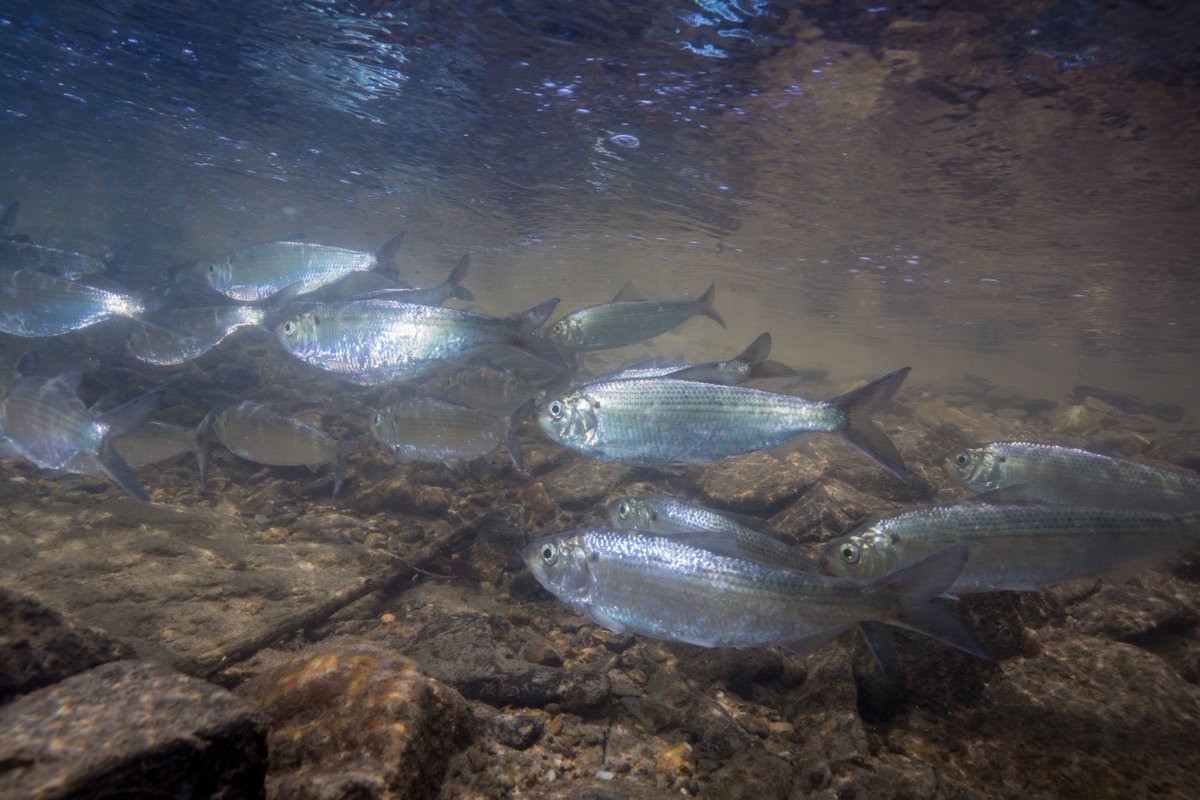
USGS researchers at the Massachusetts CRU are leading research on river herring. Their role in the food web isn’t well understood. Our goal is to see how young river herring affect predators like white perch and yellow perch. #Estuaries
https://t.co/2qxKrnxP8C
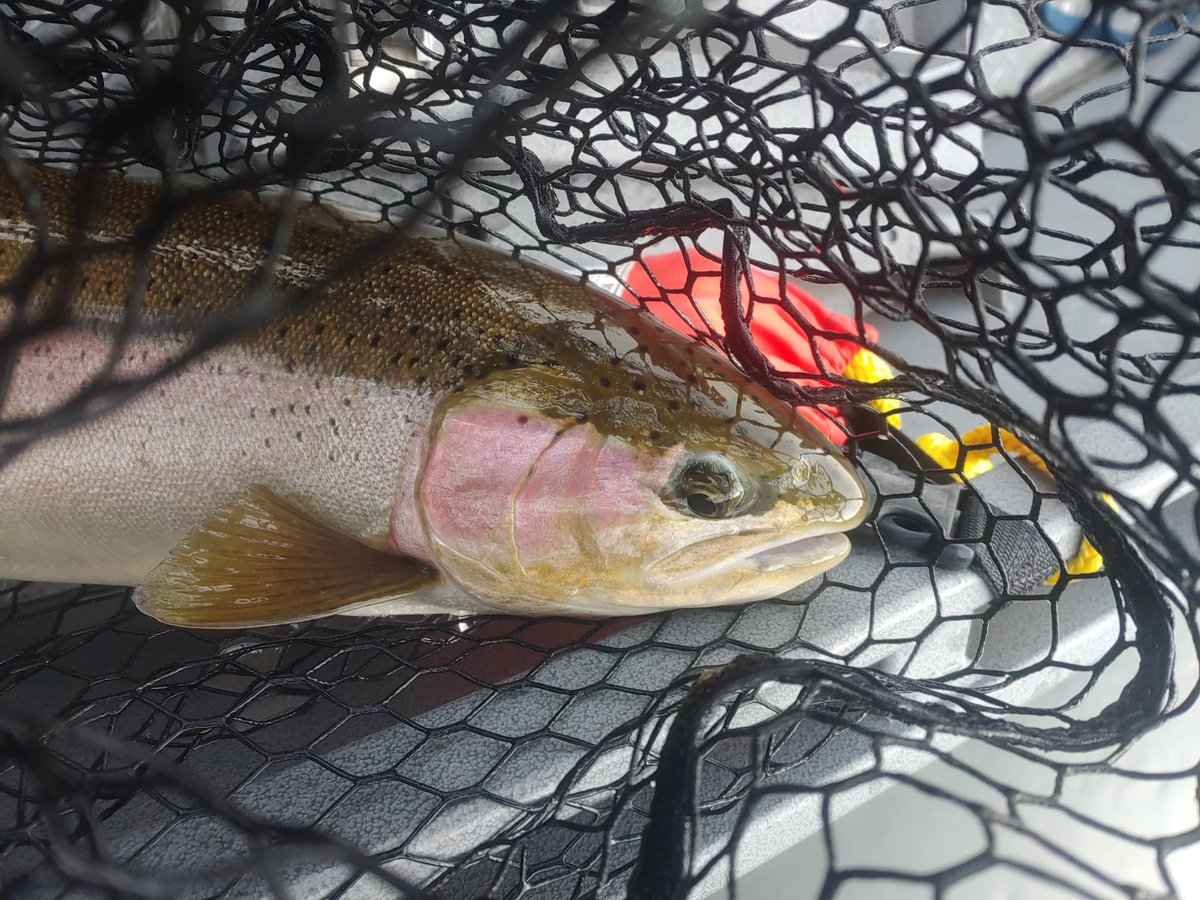
The Idaho CRU is working with Idaho Department of Fish and Game to better understand steelhead. Given its iconic status, it is no surprise that anglers get excited about these fish! Steelhead bring in hundreds of millions of dollars to Idaho communities.
https://t.co/AYC400GLrq
The Louisiana CRU is working with the Louisiana Department of Wildlife and Fisheries to deliver information to decision-makers about gear selection and data interpretation for targeted studies and monitoring programs of Louisiana’s oysters.
https://t.co/CPLQPOac7U
The Oregon CRU is leading efforts to understand critical ecosystems like the Nisqually River Delta in Washington. We used 6 years of data to model how weather and sea-level rise affect water temperatures—key info. for salmon that rely on cool water.
https://t.co/lvAot9otKX
The Arizona CRU is using GPS transmitters to track bald eagle migrations & highlight the importance of tracking all age groups for effective avian conservation efforts within the Pacific Flyway. Images: Koerner and Pearsall, U.S. Fish and Wildlife Service
https://t.co/SpTSi2OBHD
Job alert! The New Mexico Unit invites applications for a postdoc position to join a multi-agency partnership focused on recovery of the Rio Grande silvery minnow. Interviews begin in late September.
https://t.co/Jkxw6925Bu
Image: Rio Grande silvery minnow, Joel Lusk, USFWS
The Vermont CRU released AMMonitor 2, a fully open-source wildlife monitoring R package useful for students and users with some coding experience who desire a standardized yet flexible data management framework. Images: USGS
https://t.co/bUe7386iGV
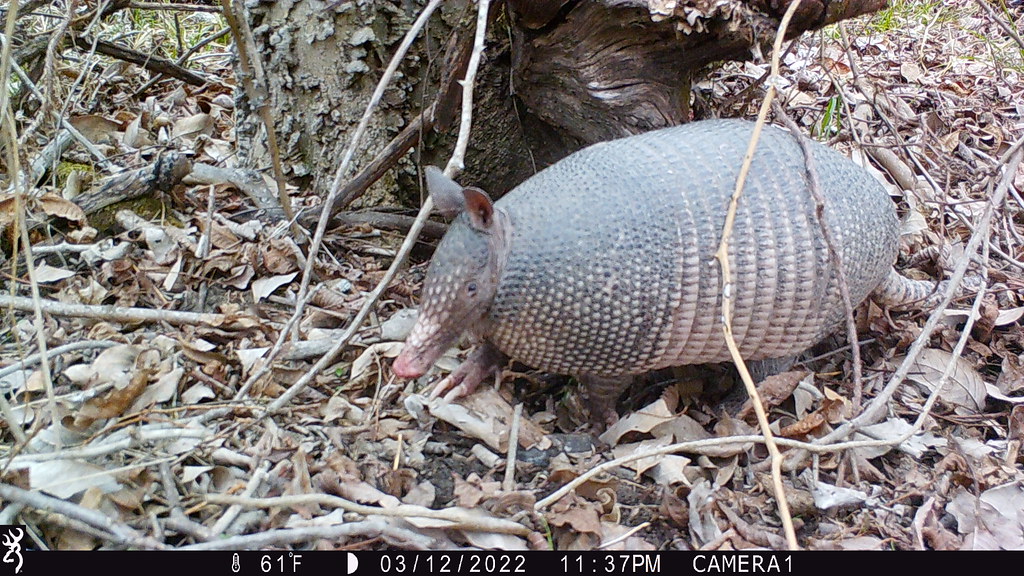
The Michigan CRU found that the nine-banded armadillo has expanded its range to all of Missouri, southern Iowa, parts of Kansas & Illinois, northern & eastern Indiana, eastern Kentucky & Tennessee, South Carolina & Georgia, & western North Carolina.
https://t.co/2LdiWJy42l
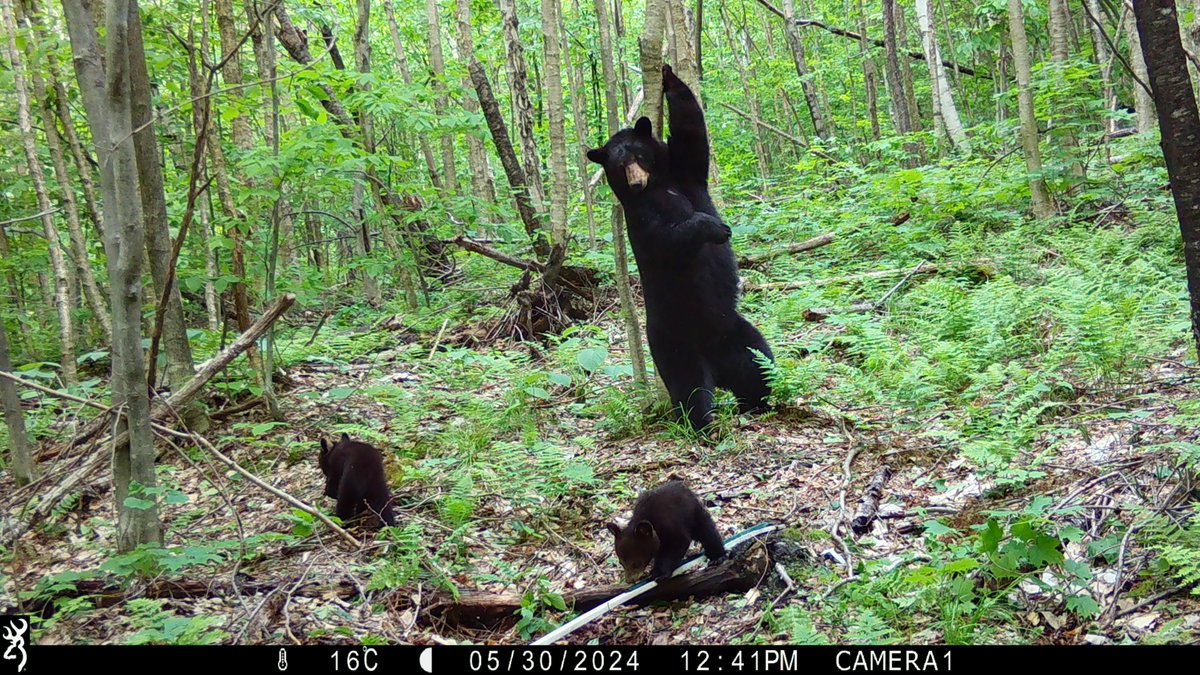
The New York CRU is using trail cameras to track bobcats, black bears & coyotes. They’re creating a database where users report wildlife sightings. This citizen science project helps gather important information about these species.
https://t.co/27PxgAL8Zp
The Mississippi CRU is working with volunteer anglers to build a one-of-a-kind fisheries database. With more fishing apps available for smart phones and other devices, managers can involve many anglers in data collection.
https://t.co/bve64kkiY0
Our camera traps recently ‘sniffed’ out a white-backed hog-nosed skunk – the second-known sighting in Oklahoma since 1930! This finding is the first evidence of the skunk and is within the range of a poorly documented subspecies in decline.
https://t.co/6CvC4cVfxc
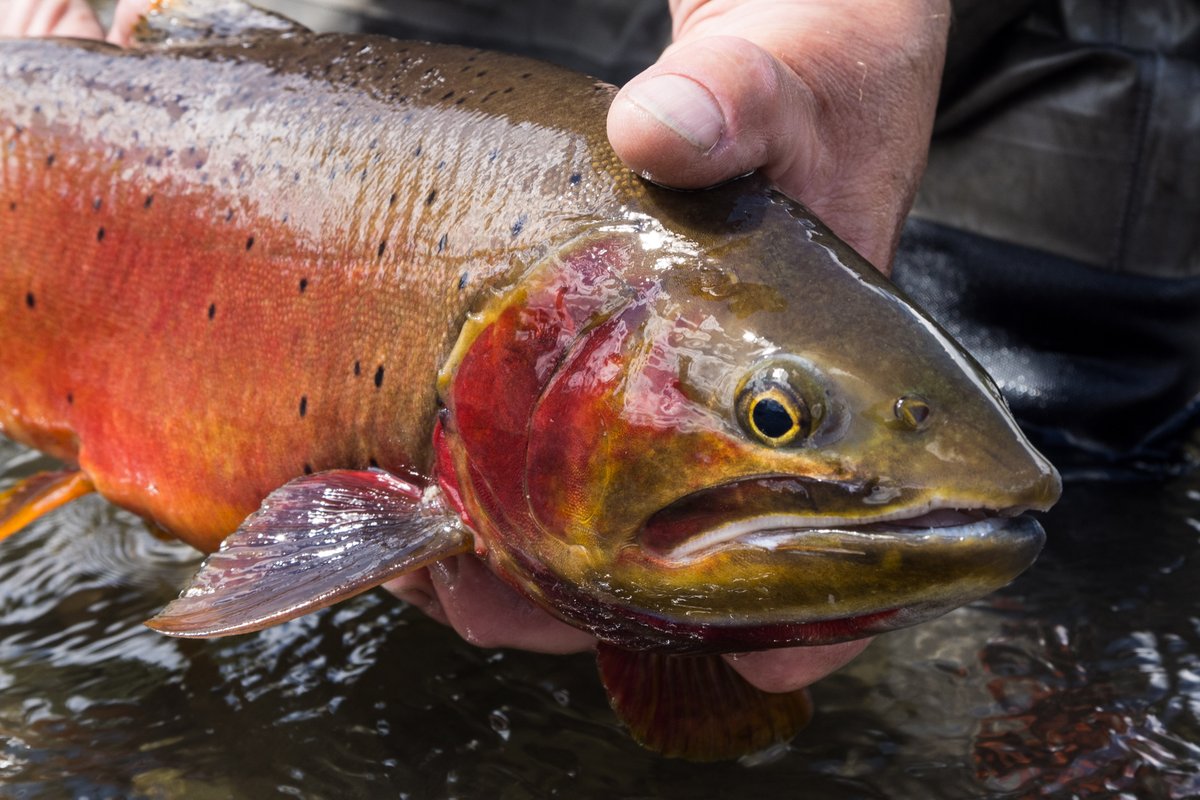
Our Montana Fishery CRU is working with Yellowstone National Park to examine the impacts of invasive lake trout on the native Yellowstone cutthroat trout. People enjoy fishing for the species & the trout serve as a food source for grizzly bears & eagles.
https://t.co/eR07oXu7sT